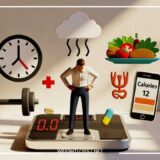
Need to Lose Weight in 1 Mont?


Need to Lose Weight in 1 Month? Here’s a Practical, Safe 4-Week Plan
Why You Might Need to Lose Weight in a Month
You’ve got a wedding in a month. Your vacation to the beach is just around the corner. Maybe your doctor gave you a serious talking-to about your health. Whatever the reason, you’ve decided it’s time to lose weight, and you’re ready to do it now. The good news is that you can make significant progress in just one month. The bad news is that you can’t rely on magic pills or fad diets. A healthy and sustainable approach is the only way to see real results and keep them.
This article will give you a comprehensive, safe, and effective plan to make a big difference in just 30 days. We’ll set realistic expectations, debunk common myths, and give you a week-by-week guide to help you build momentum and achieve your goals. While a healthy rate of weight loss is generally 1-2 pounds per week, it’s not unusual to lose a little more in the first few weeks as your body sheds water weight. A goal of 4-8 pounds is a great target, and by the end of this plan, you’ll feel more energetic and confident, ready to take on the next stage of your health journey.
How Weight Loss Works: The Basics
At its core, weight loss is a simple equation: calories in versus calories out. To lose weight, you must be in a calorie deficit, meaning you burn more calories than you consume. While this sounds simple, several factors influence this process. Your metabolism—the rate at which your body burns calories for energy—plays a crucial role. Everyone’s metabolism is slightly different, influenced by factors like age, sex, genetics, and activity level.
It’s also essential to understand the difference between weight loss and fat loss. When you step on the scale, the number reflects everything: fat, muscle, bone, and water. True progress is about losing fat while preserving or even building muscle. This is important because muscle tissue burns more calories at rest than fat does, so building muscle is a powerful way to boost your metabolism over the long term.
Beware of “quick-fix” myths like detox teas or juice cleanses that promise massive weight loss in days. These methods often lead to water and muscle loss, not fat loss, and the weight you lose almost always comes back. Sustainable weight loss is about making consistent, intelligent changes to your diet and lifestyle.
Set Realistic & Measurable Goals
Before you start, you need a clear target. Setting SMART goals will keep you on track and motivated.
- Specific: Instead of “I want to lose weight,” say, “I want to lose 6 pounds in 30 days.”
- Measurable: How will you track progress? Weekly weigh-ins, taking body measurements (waist, hips), or progress photos.
- Achievable: Is your goal realistic? Losing 10 pounds in a week is not healthy or sustainable. Aiming for 1-2 pounds per week is a much better target.
- Relevant: Does this goal align with your broader values and long-term health?
- Time-bound: You have a clear deadline: one month.
Tracking your progress is vital. Weigh yourself once a week, at the same time and on the same day, to get a consistent reading. Take progress photos at the start of the month and then again at the end. Don’t become obsessed with the scale; your body weight can fluctuate daily due to water retention, so weekly checks are more accurate. Also, remember that as you build muscle, your weight may not drop as quickly, but your body composition will change for the better.
The 4-Week Plan: Diet, Exercise, and Habits
This plan is structured to help you build momentum and make lasting changes. It’s not about making every change at once, but rather focusing on a few key areas each week to avoid feeling overwhelmed.
🔸 Week 1: Reset and Plan
The first week is all about laying the foundation. Your body will likely shed some initial water weight as you clean up your diet.
- Cut Processed Foods, Sugar, and Alcohol: This is the most crucial step. Eliminate soda, sugary snacks, fast food, and highly processed junk. These foods are calorie-dense and nutrient-poor, and cutting them out will have an immediate impact. Alcohol is also high in calories and can hinder your body’s ability to burn fat.
- Start a Food Journal: For one week, write down everything you eat and drink. This isn’t about judgment; it’s about awareness. You’ll be surprised by how many extra calories sneak into your day.
- Meal Prep: Spend a few hours on Sunday preparing healthy meals and snacks for the week. This prevents you from making poor choices when you’re hungry and short on time. Cook a big batch of chicken, chop up vegetables, and prepare a few healthy lunch options.
🔸 Week 2: Ramp Up Activity
Now that you’ve cleaned up your diet, it’s time to get your body moving.
- Add Strength Training: Aim for 3 strength training sessions this week. Strength training is essential for building muscle, which boosts your metabolism. You can use bodyweight exercises, resistance bands, or weights. Focus on compound movements that work multiple muscle groups, like squats, lunges, and push-ups.
- 10K Steps/Day Goal: Set a daily step goal. Use a fitness tracker or your phone’s built-in pedometer to monitor your steps. Walking is an excellent form of low-impact cardio that burns calories and improves overall health.
- Hydration Boost: Aim to drink at least 8-10 glasses of water per day. Water helps you feel full, boosts your metabolism, and is essential for all your body’s functions. Sometimes, your body mistakes thirst for hunger, so staying hydrated can help curb unnecessary snacking.
🔸 Week 3: Fine-Tune Nutrition
You’re halfway there! This week, you’ll refine your diet to optimize fat loss.
- Increase Protein Intake: Protein is the most satiating macronutrient, meaning it keeps you feeling full longer. It also requires more energy to digest and helps preserve muscle mass. Aim for a protein source with every meal, like lean chicken, fish, eggs, or legumes.
- Balance Macros: Focus on a diet that is high in protein, moderate in healthy fats, and low to moderate in carbohydrates, with a focus on complex carbs. This balance helps stabilize blood sugar, prevents cravings, and provides sustained energy.
- Consider Intermittent Fasting (IF): IF is an eating pattern where you cycle between periods of eating and fasting. Popular methods include the 16:8 method, where you fast for 16 hours and eat all your meals within an 8-hour window. This is not for everyone, but it can be an effective tool for some people to help with calorie control and insulin sensitivity.
🔸 Week 4: Push & Sustain
This is the final push. You’ll increase the intensity of your workouts and make a few final tweaks to your diet and lifestyle.
- Try HIIT or Circuit Training: High-Intensity Interval Training (HIIT) involves short bursts of intense exercise followed by brief recovery periods. This is a very effective way to burn calories and boost your metabolism in a short amount of time. Incorporate a 20-minute HIIT session once or twice this week.
- Reduce Refined Carbs: If your weight loss has stalled, try reducing refined carbohydrates (white bread, pasta, pastries) and focus on fiber-rich complex carbs from sources like quinoa, oats, and vegetables.
- Improve Sleep Quality: By now, you’re exercising more, eating better, and likely feeling more energetic. Make sleep a priority. Aim for 7-9 hours per night. Poor sleep can disrupt hormones that regulate hunger and fat storage.
What to Eat to Lose Weight Fast but Safely
Your diet is arguably the most important factor in weight loss. Focus on whole, nutrient-dense foods to fuel your body and keep you feeling full.
- High-Protein: Lean protein sources are your best friend. Think chicken breast, turkey, fish, eggs, Greek yogurt, cottage cheese, and lentils.
- Healthy Fats: Don’t fear fat. Healthy fats from sources like avocados, nuts, seeds, and olive oil are crucial for hormone function and satiety.
- Complex Carbs: Get your carbs from vegetables, fruits, and whole grains. These foods provide fiber, which aids digestion and keeps you full.
- Foods to Avoid: Sugar-sweetened beverages, candy, pastries, white bread, and fried foods. These offer little nutritional value and can derail your progress.
Sample Day of Eating:
- Breakfast: Scrambled eggs with spinach and a side of avocado.
- Lunch: Grilled chicken salad with a variety of colorful vegetables and a vinaigrette dressing.
- Snack: Apple slices with a tablespoon of almond butter.
- Dinner: Baked salmon with roasted broccoli and a small serving of quinoa.
Portion Control Tips:
Use a smaller plate to make your meals look larger. Pay attention to serving sizes on food labels. A useful trick is to visualize your plate: fill half with non-starchy vegetables, a quarter with lean protein, and the remaining quarter with complex carbohydrates.
Exercise: Burn Calories & Build Muscle
Combining cardio and strength training is the most effective way to lose weight and improve your body composition. Cardio burns calories, while strength training builds muscle, which increases your resting metabolism.
Sample Weekly Workout Split:
- Monday: Strength Training (Full Body)
- Tuesday: Cardio (30-45 minutes of jogging, cycling, or brisk walking)
- Wednesday: Strength Training (Upper Body Focus)
- Thursday: Active Recovery (Light walk or stretching)
- Friday: Strength Training (Lower Body Focus)
- Saturday: HIIT or Long Cardio Session
- Sunday: Rest
At-Home vs. Gym-Friendly Ideas:
- At-Home: Bodyweight squats, lunges, push-ups, planks, burpees, and jump rope are great for building strength and endurance without any equipment.
- Gym: Take advantage of free weights, machines, and cardio equipment like the elliptical, treadmill, and stationary bike.
Best Exercises for Fat Loss:
Focus on compound movements that recruit multiple muscle groups and burn more calories. Squats, deadlifts, lunges, push-ups, and rows are excellent for strength training. For cardio, consider running, cycling, swimming, or rowing. HIIT workouts like burpees, mountain climbers, and jump squats are also very effective.
Sleep, Stress, and Hormones
Weight loss isn’t just about what you eat and how you move; it’s also about your body’s internal environment. Sleep and stress have a massive impact on your hormones and, in turn, your ability to lose fat.
Poor sleep elevates cortisol, the stress hormone, which can increase your appetite and lead to fat storage, particularly around the belly. Lack of sleep also messes with ghrelin (the “hunger hormone”) and leptin (the “satiety hormone”), making you feel hungrier and less satisfied after meals. Aim for 7-9 hours of quality sleep per night.
Tips to Improve Sleep:
- Set a Bedtime Routine: Go to bed and wake up at the same time each day, even on weekends.
- Limit Screen Time: The blue light from phones and computers can disrupt melatonin production. Put your devices away at least an hour before bed.
- Create a Relaxing Environment: Make your bedroom dark, quiet, and cool.
Stress also triggers cortisol release. Find ways to manage stress that work for you. Going for a walk, meditating, journaling, deep breathing exercises, or spending time on a hobby can all help keep your stress levels in check.
Supplements: Do You Need Them?
The supplement aisle is full of promises, but most are too good to be true. For a one-month weight loss plan, supplements are rarely necessary. Focus on your diet first.
- Fat Burners vs. Real Results: Most “fat burners” are ineffective and can have unwanted side effects. They often contain high doses of stimulants, which may give you a temporary energy boost but don’t magically melt fat.
- Evidence-Based Options: The most helpful supplements are those that fill nutritional gaps. Protein powder can be a convenient way to meet your protein goals, especially after a workout. Fiber supplements can help with satiety and digestion. Green tea extract and caffeine have been shown in some studies to slightly boost metabolism, but their effects are modest at best.
Before you start any supplement, talk to a doctor or a registered dietitian. They can help you determine if a supplement is right for you and safe to take with any existing health conditions.
Common Mistakes to Avoid
A one-month plan can be intense, and it’s easy to fall into traps that hinder your progress.
- Over-Restricting Calories: Dropping your calories too low can slow your metabolism and lead to muscle loss. A moderate calorie deficit is more sustainable and effective.
- Skipping Meals or Starving: This often leads to overeating later in the day and can make you feel miserable. Eating regular, balanced meals keeps your energy levels stable and prevents binge eating.
- Relying Only on Cardio: Cardio is great for calorie burning, but it’s not enough on its own. Without strength training, you risk losing muscle mass, which is counterproductive for long-term weight management.
- Ignoring Rest Days: Rest is when your muscles repair and grow. Pushing yourself every single day can lead to burnout, injury, and an increase in cortisol levels.
- Chasing Fast Results Over Long-Term Change: Remember, this 30-day plan is a starting point. The goal is to build habits you can sustain long after the month is over.
Maintaining Progress After 1 Month
You’ve made it! After 30 days of hard work, you’ve seen results. Now, the real work begins: maintaining your progress.
- Avoid Rebound Weight Gain: Don’t go back to your old habits. The goal of this month was to build a new lifestyle. Gradually reintroduce a few favorite foods in moderation.
- Transition to Sustainable Habits: You’ve learned what works for you. Maybe you love morning walks or found a few healthy recipes you enjoy. Keep those habits as part of your routine.
- Set Your Next Goal: Your health journey isn’t over. Maybe your next goal is to run a 5k, lift a heavier weight, or simply maintain your current weight for three months.
- Celebrate Non-Scale Victories: Look at how far you’ve come. Your clothes fit better, you have more energy, your sleep has improved, and your confidence is soaring. These are the victories that truly matter.
Final Thoughts & Motivation
In just one month, you can make a significant and noticeable difference in your health and fitness. This plan isn’t about perfection; it’s about making consistent, focused efforts. By creating a calorie deficit through smart nutrition and a balanced exercise routine, you can safely and effectively lose weight. You now have the tools and a roadmap to get started. Stay consistent, be patient with yourself, and celebrate every small victory. You can and will make a big change in 30 days. Now, what are you waiting for? Let’s get started.