How to Quickly Lose Weight in a Week


How to Quickly Lose Weight in a Week – Effective Tips & Tricks
The desire to see quick results when starting a weight loss journey is perfectly natural. Whether for an upcoming event, a personal challenge, or a renewed commitment to health, many people seek to know how to shed pounds swiftly. The internet is flooded with promises of rapid transformations, but separating fact from fiction—and safe strategies from harmful fads—is crucial. Quick weight loss is achievable, but it requires a focused, disciplined, and safe approach.
This article provides an in-depth, evidence-based guide to help you maximize weight loss safely and effectively within a seven-day timeframe. We will outline the fundamental principles of rapid weight reduction, detail potent nutrition and exercise strategies, and offer lifestyle hacks that combine to deliver noticeable results. Remember, while a significant visual or numerical change is possible in one week, the goal is to implement methods that are both powerful for the short term and sustainable for long-term health. We will focus on creating a strategic calorie deficit, optimizing your hydration, minimizing water retention, and boosting your daily energy expenditure to make the most of your week.
Understanding Quick Weight Loss
When the scale moves dramatically in a short period, it’s essential to understand what that number represents. Weight loss is a broad term that encompasses changes in three main components: fat mass, water weight, and lean muscle mass.
Fat Loss vs. Water Weight
True, sustainable weight loss centers around fat loss, which occurs when your body burns stored fat for energy. This is a gradual process that demands a consistent calorie deficit—consuming fewer calories than your body uses.
However, rapid scale changes in a week are often dominated by fluctuations in water weight. Your body stores carbohydrates (glycogen) along with water. When you significantly reduce your carbohydrate intake, your body burns through its glycogen stores, releasing a large amount of retained water. This can lead to a substantial drop on the scale within the first few days. While this isn’t fat loss, it provides a powerful psychological boost and minimizes bloating.
The third component is muscle loss, which must be actively avoided. Losing muscle slows your metabolism and makes long-term weight management more difficult. Proper nutrition (especially adequate protein) and strength training are key to preserving lean muscle mass during a rapid weight loss phase.
Realistic and Safe Expectations
While it’s possible to lose several kilograms in a week, a healthy and more realistic goal for most individuals is 1 to 3 kilograms (2 to 6 pounds). The upper end of this range often includes a significant component of water weight. Anything more drastic often involves unsafe practices or excessive muscle loss, both of which are detrimental to your health and long-term success.
The Importance of Sustainable Habits
The one-week challenge is an excellent motivator, but the most effective weight management strategy involves creating sustainable habits. Use this week to establish new routines—like regular exercise, mindful eating, and prioritizing sleep—that you can carry forward. The methods described here are designed to shock your system into rapid change, but they should transition into a more moderate, long-term approach after the first week to ensure continued success and maintenance.
Nutrition Tips for Fast Weight Loss
Nutrition is the single most powerful lever you can pull for rapid weight loss. A focused, high-impact dietary strategy is non-negotiable for seeing results in seven days.
Creating a Strategic Calorie Deficit
The cornerstone of any weight loss plan is the calorie deficit. Your body must burn more energy than it takes in. To achieve rapid weight loss, you need to create a significant, but still safe, deficit.
- How to Calculate: First, estimate your Basal Metabolic Rate (BMR) and your Total Daily Energy Expenditure (TDEE). Online calculators can provide a reasonable estimate. To lose weight quickly, aim for a deficit of 500 to 1,000 calories per day below your TDEE.
- Safety First: Do not go below 1,200 calories per day for women or 1,500 calories per day for men, as extreme restriction can slow your metabolism and cause nutritional deficiencies. This is a short-term strategy only.
High-Protein, Strategic-Carb Meals
Optimizing your macronutrient intake is critical.
- Prioritize Protein: Protein is the most satiating macronutrient, meaning it keeps you feeling fuller for longer. This is invaluable when reducing calories. It also requires more energy for your body to digest (a phenomenon called the thermic effect of food) and, crucially, helps preserve lean muscle mass while you are in a deficit. Focus on lean sources like legumes, lentils, tofu, nutritional yeast, and other high-protein plant-based sources.
- Strategic Carbohydrates: Reducing your intake of refined carbohydrates (white bread, pasta, pastries) is essential, as these contribute significantly to water retention and blood sugar spikes. Instead, choose whole, high-fiber sources like whole grains (quinoa, oats) and complex starches, consuming them in smaller, portion-controlled amounts, especially earlier in the day to fuel your exercise.
Optimal Hydration is Key
Water is often overlooked but is a major player in quick weight loss.
- Metabolism and Satiety: Drinking plenty of water can temporarily boost your metabolism and make you feel fuller, naturally reducing the number of calories you consume.
- Bloating and Detox: Adequate water intake flushes out excess sodium and waste products, directly helping to reduce water weight and bloating. Aim to drink at least 8 large glasses (about 2–3 liters) of water daily.
Foods to Prioritize
To maximize results in one week, your diet should be clean and nutrient-dense:
- Lean Proteins: Tofu, tempeh, lentils, beans, and other legumes.
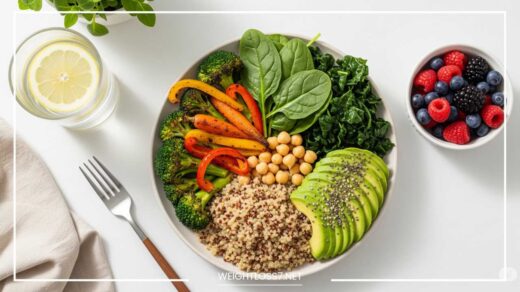
- Non-Starchy Vegetables: Load your plate with leafy greens (spinach, kale), broccoli, cauliflower, bell peppers, and zucchini. These are high in volume, nutrients, and fiber, yet extremely low in calories.
- Whole Foods: Focus on ingredients in their most natural state.
Foods to Strictly Avoid
Eliminating these can lead to an immediate reduction in calories and bloat:
- Sugary Drinks and Fruit Juices: These are “empty calories” that provide no satiety and spike blood sugar.
- Processed Foods and Fast Food: These are typically high in unhealthy fats, refined sugars, and excessive sodium.
- Refined Carbs: White bread, white rice, breakfast cereals, and baked goods.
Meal Timing Strategies
You can employ two powerful short-term meal timing strategies:
- Intermittent Fasting (IF): A popular method for rapid weight loss involves condensing your eating window (e.g., eating only between 12 PM and 8 PM). This naturally helps reduce overall calorie intake and gives your body an extended period to burn fat.
- Smaller, Frequent Meals: Conversely, some people find that eating 5–6 smaller, balanced meals throughout the day helps keep hunger hormones (like ghrelin) at bay, preventing overeating. Choose the strategy that best helps you adhere to your calorie deficit.
Exercise for Rapid Results
While nutrition is responsible for the majority of the scale movement, exercise is critical for maximizing fat burn, preserving muscle, and boosting your overall metabolism. Your one-week plan must incorporate intense, strategic movement.
High-Intensity Interval Training (HIIT)
For maximum calorie burn in minimal time, HIIT is unmatched.
- What it is: Alternating short bursts of maximum-effort exercise with brief recovery periods.
- The Benefit: HIIT creates an “afterburn effect” (Excess Post-exercise Oxygen Consumption, or EPOC), meaning your body continues to burn calories at an elevated rate for hours after your workout is finished.
- Implementation: Aim for 20-30 minute sessions, 3-4 times this week. Examples include sprinting for 30 seconds followed by 60 seconds of walking, or 45 seconds of burpees followed by 15 seconds of rest.
Strength Training: The Muscle Preserver
Many people neglect resistance training when trying to lose weight quickly, but it is essential.
- Preserve Muscle: When you are in a calorie deficit, your body may burn muscle for energy. Strength training sends a signal to your body to preserve that muscle mass. Since muscle is metabolically active, preserving it is key to maintaining a higher resting metabolism.
- Implementation: Aim for 3 full-body sessions this week. Use compound movements that engage multiple muscle groups (e.g., squats, lunges, push-ups, rows).
Cardio Options for Sustained Burn
In addition to HIIT, steady-state cardio helps accumulate a significant calorie deficit.
- Brisk Walking: A highly underrated tool. It is low-impact, sustainable, and can be done daily. Aim for at least one 45–60 minute power walk.
- Running, Cycling, Swimming: Choose an activity you enjoy and can sustain for a long duration. An hour of moderate-intensity cardio can burn a substantial number of calories.
Daily Movement Hacks
Boosting your Non-Exercise Activity Thermogenesis (NEAT) dramatically increases your total daily calorie expenditure. These small changes add up fast over a week.
- The 10,000 Step Rule: Use a fitness tracker and commit to hitting at least 10,000 steps daily.
- Take the Stairs: Avoid elevators and escalators entirely.
- Stand More: Use a standing desk or take standing breaks every hour to avoid prolonged sitting.
- Active Rest: Instead of fully resting between strength training sets, do a light activity like jumping jacks or marching in place.
Lifestyle and Habits
A rapid weight loss plan isn’t only about what you eat and how you move; it’s deeply tied to how you manage your body’s internal environment—specifically, stress and sleep.
The Power of Sleep
Sleep is perhaps the most undervalued component of weight loss.
- Hormone Regulation: Insufficient sleep (less than 7 hours) disrupts the balance of two key hormones: ghrelin (the “hunger” hormone) and leptin (the “satiety” hormone). Lack of sleep increases ghrelin and decreases leptin, leading to increased hunger and cravings for high-calorie foods the next day.
- Cortisol Levels: Poor sleep also elevates the stress hormone cortisol, which is linked to fat storage, particularly around the midsection.
- Actionable Tip: Commit to getting 7–8 hours of quality, uninterrupted sleep every single night this week. A simple routine (dark, cool room; no screens an hour before bed) can make a huge difference.
Stress Management
Stress is a silent saboteur of weight loss efforts.
- The Cortisol Connection: Chronic stress triggers the release of cortisol. While essential for fight-or-flight, chronically high levels signal the body to conserve energy and store fat, overriding your best dietary intentions.
- Actionable Tip: Integrate daily stress-relieving activities. This could be 10 minutes of deep-breathing exercises, meditation, journaling, or a quiet walk outdoors. Managing your emotional state is a vital part of the physical process.
Tracking Progress for Motivation
Knowing where you started and seeing quantifiable change is highly motivating for a short-term plan.
- Use a Journal or App: Track everything you eat and every exercise session. This keeps you accountable and highlights areas where you might be inadvertently consuming extra calories.
- Non-Scale Victories (NSVs): The scale can fluctuate, so track other metrics. Take photos on Day 1 and Day 7. Note how your clothes fit, your energy levels, and your sleep quality. These NSVs are often more telling than the number on the scale.
Mindful Eating
In the rush of a rapid weight loss week, it’s easy to rush through meals. Slowing down, however, is a game-changer.
- Listen to Your Body: It takes about 20 minutes for your stomach to signal to your brain that it is full. Eating slowly allows this mechanism to kick in, reducing the likelihood of overeating.
- Focus on the Meal: Turn off screens, put down your phone, and dedicate your attention to the texture, taste, and smell of your food. Pay attention to your body’s true hunger and fullness cues.
Quick-Impact Techniques
These strategies are particularly effective for rapid results by addressing factors like water retention and bloat, which dramatically affect the scale and your appearance in the short term.
Reducing Bloating and Water Weight
Much of the rapid visual change in a week comes from reducing inflammation and excess fluid.
- Go Low-Sodium: Sodium causes your body to retain water. For this week, drastically limit processed and packaged foods, as these are the biggest culprits of hidden sodium. Cook all meals at home, seasoning lightly with herbs and spices instead of salt.
- Increase Potassium: Foods rich in potassium (like bananas, sweet potatoes, spinach, and beans) can help balance sodium levels and act as natural diuretics, helping to flush out excess water.
- Probiotics: Incorporate fermented foods or a probiotic supplement. A healthy gut reduces inflammation and associated abdominal bloat, leading to a flatter stomach appearance.
Temporary Water-Weight Reduction Strategies
- Avoid Alcohol: Alcohol is dehydrating, inflammatory, and temporarily halts your body’s fat-burning process. Eliminating it for the week is a powerful move.
- Drink Unsweetened Coffee/Tea: Caffeine acts as a mild diuretic, helping to flush out temporary excess water. Crucially, drink this alongside your regular water intake, not instead of it.
Avoid Crash Diets and Extreme Cleanses (A Warning)
While we are focusing on quick weight loss, it must be done safely. Avoid extreme juice cleanses, “detox” pills, or crash diets that promise absurd results.
- The Danger: These methods deprive your body of essential nutrients, can lead to rebound weight gain, and can cause dizziness, fatigue, and damage to your metabolism. Our plan focuses on nutrient-dense, whole foods, which is the sustainable and safe route.
Sample 1-Week Plan
This is a template—adjust portion sizes and specific ingredients based on your calorie target, allergies, and personal preferences, but maintain the structure of high-protein, high-fiber, and low-refined carbohydrates.
Meal Plan Structure
| Meal | Day 1, 3, 5, 7 (Higher-Intensity Day) | Day 2, 4, 6 (Lower-Intensity/Rest Day) |
| Breakfast | High-protein smoothie (protein powder, spinach, berries, water) | Oatmeal (small portion of oats) with nuts and a dash of cinnamon |
| Lunch | Large salad with beans/lentils and a light oil/vinegar dressing, high-fiber crackers | Large portion of steamed or roasted vegetables with tofu/tempeh |
| Dinner | Stir-fry (tofu, massive amounts of broccoli, bell peppers) and a small portion of brown rice or quinoa | Large bowl of lentil or vegetable soup, small side of a whole-grain roll |
| Snacks (1-2) | Handful of almonds/walnuts, apple slices, plain yogurt | Raw vegetables (carrots, celery) with a small amount of hummus |
Key Nutritional Notes: Focus on seasoning with herbs, spices, and lemon juice. Keep added fats minimal (e.g., olive oil used for cooking only). The meals are intentionally simple to ensure consistency and prevent high-calorie slip-ups.
Workout Plan Structure
| Day | Focus | Duration | Intensity |
| Day 1 | HIIT Cardio & Core | 30 min HIIT, 15 min Core | High |
| Day 2 | Strength Training (Full Body) | 45 min | Moderate-High |
| Day 3 | Steady-State Cardio & Steps | 60 min brisk walk/cycle, 10,000 steps goal | Moderate |
| Day 4 | Active Recovery | 30 min yoga/stretching or light walking | Low |
| Day 5 | Strength Training (Full Body) & HIIT | 45 min Strength, 20 min HIIT | High |
| Day 6 | Cardio Endurance | 45 min running, cycling, or swimming | Moderate-High |
| Day 7 | Rest & Reflect | Journal, light stretching, 10,000 steps goal | Very Low |
Key Movement Notes: Prioritize movement every day. The 10,000 steps should be a daily minimum, even on rest days. Keep your weight training challenging enough to feel the muscle burn, but not so intense that you compromise recovery for the next day.
Common Mistakes to Avoid
A single week is a tight window, and small missteps can derail your progress. Be vigilant against these common errors.
1. Over-Restricting Calories (Going Too Low)
While a deficit is necessary, a severe cut (below the 1200/1500 kcal safety threshold) is counterproductive. Extreme hunger leads to binge eating, slows your metabolism as your body enters “starvation mode,” and depletes your energy so you can’t adhere to the high-intensity exercise plan. A sustainable, strategic deficit is always better than a crash deficit.
2. Ignoring Hydration or Sleep
These are often seen as peripheral but are core to quick weight loss. Ignoring sleep tanks your motivation and throws your hunger hormones into chaos. Ignoring water ensures you retain water and feel bloated, masking your true fat loss progress.
3. Expecting Drastic Results Too Quickly
The first few days are exciting due to water weight loss, but the rate will slow down. Do not be discouraged when Day 5 doesn’t yield the same drop as Day 2. Focus on adherence to the plan, not the scale. Celebrate the feeling of energy, the clothes fitting better, and the successful completion of your workouts.
4. Relying Solely on Exercise or Diet
Neither works optimally alone for rapid results. You cannot “out-train” a poor diet, and you won’t maximize fat loss and muscle preservation without a consistent exercise regimen. The synergistic effect of the strategic nutrition and intense exercise outlined here is the secret to success in a week.
Final Thoughts
You have armed yourself with a comprehensive, powerful, and safe blueprint for maximizing weight loss in just one week. The strategies—a calculated calorie deficit, high-protein nutrition, high-intensity exercise, optimal sleep, and stress management—are all backed by science and designed to produce the fastest possible results without compromising your long-term health.
Remember that this initial, rapid weight loss phase, particularly the first seven days, is often driven by a reduction in water weight and inflammation, which provides a fantastic visual and motivational kickstart. The real victory lies in the habits you establish now. Use the discipline you build this week to transition into a more moderate, sustainable weight management plan for the following weeks.
Start today, track your progress meticulously, and stay consistent. The effort you put in over these seven days will deliver noticeable results and set the stage for lasting change.