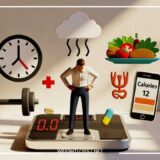
How to Lose Weight in 1 Month


How to Lose Weight in 1 Month: A Complete Guide
Embarking on a weight loss journey can feel like a monumental task, but with the right approach and a clear understanding of your body, significant progress is achievable within a month. This guide isn’t about promoting extreme, unhealthy methods, but rather focusing on sustainable, practical strategies that can kickstart your transformation and set you on a path to long-term well-being.
While the allure of shedding a significant amount of weight quickly is understandable, our focus here is on a realistic and healthy rate of loss, typically around 4-8 pounds in a month. We’ll explore the fundamental principles of weight loss, from nutrition and exercise to crucial lifestyle adjustments, providing you with a comprehensive roadmap to achieving your goals in a safe and effective manner.
Understanding Weight Loss
At its core, weight loss boils down to a simple equation: calories in vs. calories out. To lose weight, you need to consume fewer calories than1 your body expends. This creates a calorie2 deficit, forcing your body to tap into its stored energy reserves (fat) for fuel.
Your metabolism plays a crucial role in this process. It’s the set of chemical reactions that occur in your body to maintain life, including converting food into energy. A faster metabolism means your body burns more calories at rest. While genetics play a part, you can influence your metabolism through factors like muscle mass and activity levels.
Many people fall into the trap of crash diets, which promise rapid weight loss through severe calorie restriction. While these diets might lead to initial drops on the scale, they are rarely sustainable. They often result in muscle loss, nutrient deficiencies, and a slowed metabolism, making it easier to regain the lost weight once you stop the diet. This is often referred to as “yo-yo dieting.”
So, what’s a realistic weight loss goal in a month? For most individuals, a healthy and sustainable rate of weight loss is about 1-2 pounds per week, which translates to 4-8 pounds in a month. Aiming for more than this can be detrimental to your health and often leads to unsustainable practices.
Setting SMART Goals
To ensure your weight loss journey is structured and successful, it’s essential to set SMART goals:
- Specific: Instead of “I want to lose weight,” aim for “I want to lose 6 pounds in 1 month.
- Measurable: How will you track your progress? This could be through weekly weigh-ins, taking body measurements (waist, hips), or progress photos.
- Achievable: Is your goal realistic within the given timeframe? Losing 20 pounds in a month is likely not achievable or healthy.
- Relevant: Does this goal align with your overall health and wellness aspirations? Is it truly important to you?
- Time-bound: Set a clear deadline. “I want to lose 6 pounds by the end of next month.”
How to track progress:
- Weigh-ins: Weigh yourself once a week, at the same time of day (preferably in the morning, before eating or drinking). Don’t get discouraged by daily fluctuations; focus on the weekly trend.
- Measurements: Use a tape measure to track changes in your waist, hips, and thighs. Sometimes, even if the scale isn’t moving much, you’ll see positive changes in your measurements.
- Photos: Take progress photos (front, side, and back) every couple of weeks. This visual evidence can be incredibly motivating.
Nutrition: The Core of Weight Loss
Nutrition is arguably the most critical component of weight loss. It’s about more than just cutting calories; it’s about nourishing your body with the right foods.
Creating a calorie deficit safely:
To lose 1 pound of fat, you generally need to create a deficit of approximately 3,500 calories. This means a daily deficit of 500 calories to lose 1 pound per week. You can achieve this by eating less and exercising more. It’s crucial not to drastically cut calories, as this can slow your metabolism and lead to nutrient deficiencies. Aim for a deficit of 300-700 calories below your maintenance level.
Macronutrients and portion control:
- Proteins: Plant-based proteins are vital for satiety, muscle preservation, and a healthy metabolism. Examples include lentils, beans, chickpeas, tofu, tempeh, quinoa, nuts, and seeds. Aim for a good source of plant-based protein with every meal.
- Fats: Healthy fats are essential for hormone production, nutrient absorption, and satiety. Focus on sources like avocados, nuts, seeds, olive oil, and coconut oil. Remember that fats are calorie-dense, so practice portion control.
- Carbohydrates: Choose complex carbohydrates that provide sustained energy and fiber. These include whole grains (oats, brown rice, whole wheat bread), fruits, and vegetables. Limit refined carbohydrates like white bread, pastries, and sugary cereals.
Meal timing (intermittent fasting, meal planning):
- Intermittent Fasting (IF): This involves cycling between periods of eating and fasting. Popular methods include the 16/8 method (fasting for 16 hours, eating within an 8-hour window)3 or the 5:2 method (eating normally for4 5 days, severely restricting calories for 2 days). IF can help reduce overall calorie intake and improve insulin sensitivity. However, it’s not for everyone and should be approached cautiously.
- Meal Planning: This is a powerful tool for consistency. Plan your meals and snacks for the week in advance, including shopping for ingredients. This prevents impulsive, unhealthy food choices.
Sample 1-day healthy meal plan (plant-focused):
- Breakfast (approx. 300-350 calories): Overnight oats made with rolled oats, plant-based milk, a tablespoon of chia seeds, sliced banana, and a sprinkle of walnuts.
- Mid-Morning Snack (approx. 100-150 calories): A small apple with a tablespoon of almond butter.
- Lunch (approx. 400-450 calories): Large salad with mixed greens, chickpeas, cucumber, bell peppers, cherry tomatoes, a light vinaigrette dressing, and a quarter of an avocado.
- Afternoon Snack (approx. 100-150 calories): A small handful of unsalted mixed nuts or a small container of plant-based yogurt.
- Dinner (approx. 450-500 calories): Lentil and vegetable stir-fry with brown rice. Use a variety of colorful vegetables like broccoli, carrots, snap peas, and mushrooms, cooked in a small amount of sesame oil.
Foods to eat vs. foods to avoid:
- Eat more: Whole grains, fruits, vegetables (especially leafy greens), legumes (beans, lentils, chickpeas), nuts, seeds, tofu, tempeh, healthy oils (olive, avocado).
- Avoid/Limit: Sugary drinks (soda, fruit juices with added sugar), highly processed foods (packaged snacks, fast food), refined grains, excessive amounts of fried foods, candies, and desserts.
Hydration and its role in weight loss:
Water is crucial for weight loss. It helps with metabolism, can suppress appetite (sometimes thirst is mistaken for hunger), and aids in digestion. Aim to drink at least 8-10 glasses of water per day. You can also include herbal teas or infused water (with fruits like cucumber or lemon).
Exercise Strategies
While nutrition is paramount, exercise significantly boosts your weight loss efforts by burning calories, building muscle, and improving overall health.
Cardio vs. strength training (why both matter):
- Cardio (Cardiovascular Exercise): This type of exercise elevates your heart rate and burns calories efficiently. Examples include brisk walking, jogging, cycling, swimming, dancing, or using an elliptical machine. Cardio is excellent for creating a calorie deficit.
- Strength Training (Resistance Training): This involves working your muscles against resistance (bodyweight, weights, resistance bands). Strength training is crucial for building and preserving muscle mass. The more muscle you have, the higher your resting metabolism, meaning you burn more calories even when at rest. It also helps sculpt your body and improves functional strength.
Frequency and duration recommendations:
Aim for at least 150 minutes of moderate-intensity cardio or 75 minutes of vigorous-intensity cardio per5 week. This can be broken down into 30-minute6 sessions five times a week, or shorter, more frequent bursts.
For strength training, aim for 2-3 full-body sessions per week on non-consecutive days, allowing your muscles to recover.
HIIT (High-Intensity Interval Training) benefits:
HIIT involves short bursts of intense exercise followed by brief recovery periods. For example, sprinting for 30 seconds, then walking for 90 seconds, repeated. HIIT is highly effective for burning calories in a shorter amount of time and can boost your metabolism for hours after your workout (the “afterburn effect”). It can be incorporated into both cardio and strength routines.
Home vs. gym workouts:
- Home Workouts: Excellent for convenience and those on a budget. You can use your body weight (squats, lunges, push-ups, planks), resistance bands, or affordable dumbbells. Many free workout videos are available online.
- Gym Workouts: Offer a wider range of equipment, potentially heavier weights, and the option of personal trainers or fitness classes. Choose what best fits your lifestyle and preferences.
Sample weekly workout plan:
- Monday: Strength Training (Full Body) – e.g., squats, lunges, push-ups (on knees or toes), planks, glute bridges (3 sets of 10-12 repetitions for each exercise).
- Tuesday: Moderate-Intensity Cardio (30-45 minutes) – e.g., brisk walking, cycling.
- Wednesday: Active Recovery or Rest – Gentle yoga, stretching, or light walk.
- Thursday: Strength Training (Full Body) – Focus on different exercises or variations from Monday.
- Friday: HIIT (20-30 minutes) – e.g., burpees, jumping jacks, high knees, mountain climbers, alternating with short rests.
- Saturday: Moderate-Intensity Cardio (45-60 minutes) – e.g., longer walk, hike, or swim.
- Sunday: Rest or Light Activity – Gentle stretching or a leisurely stroll.
Lifestyle and Habits
Beyond diet and exercise, several lifestyle factors profoundly impact your weight loss journey.
Sleep and weight loss:
Lack of sleep can wreak havoc on your weight. When you’re sleep-deprived, your body produces more ghrelin (a hunger-stimulating hormone) and less leptin (a satiety-inducing hormone). This can lead to increased cravings for high-calorie, sugary foods. Aim for 7-9 hours of quality sleep per night. Establish a consistent sleep schedule and create a relaxing bedtime routine.
Stress management and cortisol’s effect on fat:
Chronic stress leads to elevated levels of cortisol, often called the “stress hormone.” High cortisol levels can promote fat storage, particularly around the abdominal area, and can increase appetite and cravings for comfort foods. Incorporate stress-reducing activities into your daily routine, such as meditation, deep breathing exercises, yoga, spending time in nature,7 or engaging in hobbies8 you enjoy.
Importance of daily movement (NEAT: Non-Exercise Activity Thermogenesis):
NEAT refers to the calories you burn through all activities that are not formal exercise, eating, or sleeping. This includes walking to work, fidgeting, taking the stairs, standing while working, or doing household chores. Increasing your NEAT throughout the day can significantly boost your overall calorie expenditure. Try to incorporate more movement: take the stairs instead of the elevator, park further away, walk during phone calls, or set reminders to stand up and move every hour.
Cutting back on alcohol and sugary drinks:
Liquid calories often go unnoticed but can contribute significantly to weight gain. Alcoholic beverages are calorie-dense and can also lower inhibitions, leading to poor food choices. Sugary drinks like sodas, sweetened teas, and fruit juices (even 100% fruit juice, if consumed in large quantities) provide empty calories and can lead to blood sugar spikes and crashes. Prioritize water, unsweetened tea, or naturally flavored sparkling water.
Supplements and Shortcuts – Do They Help?
The market is flooded with weight loss supplements promising quick fixes, but it’s crucial to approach them with skepticism.
Common weight loss supplements (pros and cons):
- Fiber Supplements: Can aid in satiety and digestive health. Pros: May help you feel fuller, promote regular bowel movements. Cons: Can cause bloating or gas if introduced too quickly; not a magic bullet.
- Green Tea Extract: Contains catechins and caffeine, which may have a modest effect on metabolism and fat burning. Pros: Antioxidant benefits. Cons: Effects are often minor; caffeine sensitivity can be an issue.
- Plant-based Protein Powders: Can be a convenient way to boost protein intake, supporting muscle preservation. Pros: Good for post-workout recovery or as a meal replacement. Cons: Some can be high in sugar or artificial ingredients; always check labels.
- Creatine: Primarily used to enhance athletic performance and muscle growth, which can indirectly aid weight loss by increasing metabolism. Pros: Well-researched for performance benefits. Cons: May cause temporary water retention.
Cautions around fat burners, detox teas:
Many “fat burner” supplements often contain high doses of stimulants and ingredients with little scientific backing. They can lead to side effects like jitters, increased heart rate, and sleep disturbances. “Detox teas” are largely ineffective for weight loss and often act as laxatives or diuretics, leading to temporary water weight loss and potential dehydration or digestive issues. Always consult with a healthcare professional before taking any supplements, especially if you have underlying health conditions.9
Why lifestyle changes are better long-term:
Supplements are just that – supplements. They cannot replace the fundamental principles of healthy eating and regular exercise. Sustainable weight loss and long-term health are achieved through consistent, positive lifestyle changes, not by relying on pills or powders. Focusing on nutrition, exercise, sleep, and stress management will yield lasting results and improve your overall well-being.
Staying Motivated and Accountable
The weight loss journey can have its ups and downs. Staying motivated and accountable is key to navigating challenges and reaching your goals.
Tracking tools (apps, journals):
- Weight Loss Apps: Many apps (e.g., MyFitnessPal, LoseIt!) allow you to track your calorie intake, macronutrients, and exercise. This provides valuable insights into your habits and helps you stay within your calorie goals.
- Food Journals: Physically writing down everything you eat and drink can increase awareness and help identify patterns or areas for improvement.
- Exercise Journals: Log your workouts, including duration, intensity, and exercises performed. This helps you see your progress and stay consistent.
Support systems (friends, coaches, online groups):
- Friends/Family: Share your goals with supportive friends or family members who can offer encouragement, join you for walks, or even prepare healthy meals together.
- Coaches/Nutritionists: Consider working with a certified nutritionist or fitness coach. They can provide personalized guidance, accountability, and expert advice tailored to your needs.
- Online Communities: Joining online weight loss forums or social media groups can provide a sense of community, shared experiences, and motivation from others on a similar journey.
Dealing with plateaus or setbacks:
- Plateaus: It’s normal for weight loss to slow down or even stop temporarily. This is often a sign your body has adapted. Re-evaluate your calorie intake (you might need to adjust it as you lose weight), increase your exercise intensity, or try a new workout routine.
- Setbacks: Don’t let a bad day or week derail your entire effort. If you overeat or miss a workout, acknowledge it, learn from it, and get back on track with your next meal or workout. Focus on progress, not perfection. Self-compassion is key.
Sample 4-Week Plan
This sample plan provides a general framework. Adjust it based on your individual needs and preferences.
-
Week 1: Foundations and Sugar Detox
- Focus: Eliminate all added sugars and sugary drinks. Focus on whole, unprocessed foods. Start tracking your food intake meticulously.
- Key Goals: Drink 8-10 glasses of water daily. Aim for 30 minutes of brisk walking 5 times this week.
- Habits: Plan your meals for the week on Sunday. Prepare healthy snacks in advance.
- Progress Tracking: Weekly weigh-in. Note how your energy levels feel.
-
Week 2: Incorporate Strength and Portion Awareness
- Focus: Introduce 2-3 full-body strength training sessions. Become more mindful of portion sizes, especially for calorie-dense foods like nuts, seeds, and oils.
- Key Goals: Aim for 30-45 minutes of moderate cardio 3-4 times. Ensure plant-based protein with every meal.
- Habits: Use smaller plates. Practice eating slowly and mindfully.
- Progress Tracking: Take body measurements (waist, hips). Note strength gains in your workouts.
-
Week 3: Boost NEAT and Refine Hydration
- Focus: Actively increase your Non-Exercise Activity Thermogenesis (NEAT). Explore different healthy hydration options beyond plain water.
- Key Goals: Aim for 10,000 steps daily (or increase your usual step count significantly). Try herbal teas or infused water.
- Habits: Take the stairs, walk during phone calls, stand more often. Prioritize getting 7-9 hours of sleep.
- Progress Tracking: Weekly weigh-in. Assess sleep quality and energy levels.
-
Week 4: Consistency and Stress Management
- Focus: Maintain consistency in your healthy eating and exercise routine. Integrate stress-management techniques.
- Key Goals: Stick to your exercise schedule. Practice daily mindfulness or meditation for 10-15 minutes.
- Habits: Review your progress from the past three weeks. Identify areas for continued improvement.
- Progress Tracking: Final weigh-in and body measurements. Take comparative progress photos. Reflect on your overall well-being.
Final Thoughts and Encouragement
Losing weight in one month is a fantastic initial goal, but remember that this is just the beginning of a larger journey toward sustained health and well-being. Celebrate every small win along the way – whether it’s choosing a healthy snack over a sugary one, completing an extra workout, or simply feeling more energetic. These small victories accumulate and build momentum.
Weight loss is not a linear process, and there will be days when you feel discouraged or experience setbacks. The key is resilience. Don’t let perfection be the enemy of progress. Focus on building healthy habits that you can maintain long-term, rather than fixating on short-term fixes. Embrace the process, listen to your body, and understand that consistency and patience are your greatest allies. You’ve taken the first step by seeking knowledge; now, empower yourself to act and transform your life!