How to Lose Weight Healthy With Exercise


How to Lose Weight Healthily With Exercise – A Complete Guide
Embarking on a weight loss journey can feel overwhelming, with countless “quick fixes” promising instant results. However, true, lasting transformation isn’t found in fleeting fads but in the embrace of sustainable habits. Losing weight healthily through exercise isn’t just about shedding kilograms; it’s a profound investment in your overall well-being. When you prioritize movement, you’re not merely sculpting your physique; you’re enhancing your mental clarity, boosting your energy levels, and laying a robust foundation for a longer, more vibrant life. This approach focuses on nourishing your body from the inside out, fostering a relationship with activity that brings joy and vitality, far beyond the temporary satisfaction of the scale. It’s about cultivating a lifestyle that supports genuine health, allowing you to thrive in every aspect of your existence.
Understanding Weight Loss and How Exercise Plays a Role
At its core, weight loss boils down to a fundamental principle: creating a calorie deficit. This means consistently consuming fewer calories than your body expends. Your body’s metabolic rate refers to the number of calories it burns simply to maintain essential functions like breathing and circulation, even at rest. Exercise plays a dual role in this equation. Firstly, it directly burns calories during the activity itself, immediately contributing to your deficit. Secondly, and perhaps more powerfully, regular exercise, particularly strength training, helps to build lean muscle mass. Muscle tissue is metabolically more active than fat tissue, meaning it burns more calories at rest. Therefore, the more muscle you have, the higher your resting metabolic rate, making it easier to maintain a calorie deficit over time.
Exercise can broadly be categorized into two main types: aerobic and anaerobic. Aerobic exercise, often called “cardio,” involves sustained activity that increases your heart rate and breathing, using oxygen to fuel your muscles. Examples include walking, running, and swimming. Anaerobic exercise, on the other hand, involves short bursts of intense activity where your body relies on energy systems that don’t require oxygen, such as weightlifting or sprinting. Both are crucial for comprehensive weight loss.
Beyond structured workouts, there’s a significant contributor to your daily calorie expenditure often overlooked: NEAT (non-exercise activity thermogenesis). This encompasses all the calories you burn through activities that aren’t formal exercise, like fidgeting, standing, walking around your house, or taking the stairs instead of the elevator. Increasing your NEAT throughout the day can significantly boost your overall calorie burn, making it a powerful, often effortless, ally in your weight loss journey.
Types of Exercises for Healthy Weight Loss
Integrating a variety of exercises into your routine is key to holistic weight loss and overall fitness. Each type offers distinct benefits, working synergistically to help you achieve your goals.
a. Cardiovascular Training
Cardiovascular training, or cardio, is the cornerstone of calorie expenditure. It elevates your heart rate, improves your cardiovascular health, and boosts your endurance.
- Examples: Simple yet effective options include walking, which is accessible to almost everyone and can be done daily. Running offers a higher intensity and calorie burn. Cycling, whether outdoors or on a stationary bike, is a fantastic low-impact option. Swimming provides a full-body workout that’s gentle on the joints. Even dance can be a incredibly fun and engaging way to get your heart rate up.
- Frequency and Duration Recommendations: Aim for at least 150 minutes of moderate-intensity aerobic activity or 75 minutes of vigorous-intensity aerobic activity per week, or a combination of both. This can be broken down into segments, such as 30-minute sessions five times a week. Beginners might start with shorter durations and gradually increase as their stamina improves.
b. Strength Training
While cardio excels at burning calories during the workout, strength training is paramount for long-term fat loss due to its impact on your metabolism. Building lean muscle mass increases your resting metabolic rate, meaning your body burns more calories even when you’re not exercising.
- Importance for Metabolism and Fat Loss: Muscle is more metabolically active than fat. By increasing your muscle mass, you essentially turn your body into a more efficient calorie-burning machine 24/7.
- Options: You don’t need a gym membership to start. Bodyweight training (squats, lunges, push-ups, planks) is incredibly effective and can be done anywhere. Resistance bands offer a portable and versatile way to add challenge. If you have access to a gym, free weights and machines provide a wide range of exercises.
- Guidelines: Aim for 2–4 strength training sessions per week, allowing a day of rest between sessions for muscle recovery. Focus on compound movements that work multiple muscle groups simultaneously for maximum efficiency.
c. Flexibility & Mobility (Yoga, Pilates)
Often overlooked in weight loss plans, flexibility and mobility exercises are crucial for supporting your primary workouts, aiding recovery, and preventing injuries.
- Supports Recovery and Injury Prevention: Practices like Yoga and Pilates improve your range of motion, enhance muscle elasticity, and strengthen your core, all of which reduce the risk of strains and sprains from more intense workouts.
- Mental Benefits that Aid Habit Consistency: Beyond the physical, these practices offer significant mental benefits. They promote mindfulness, reduce stress, and improve body awareness, which can be invaluable in maintaining motivation and consistency in your weight loss journey. A calm and focused mind is better equipped to make healthy choices and stick to routines.
d. High-Intensity Interval Training (HIIT)
For those short on time but looking for efficient fat-burning, High-Intensity Interval Training (HIIT) is an excellent choice. It involves short bursts of maximum effort followed by brief recovery periods.
- Efficient Fat-Burning, Short Sessions: HIIT is incredibly effective at burning calories and boosting your metabolism in a shorter amount of time compared to steady-state cardio. The “afterburn effect,” where your body continues to burn calories at an elevated rate post-workout, is also more pronounced with HIIT.
- Safety Tips for Beginners: While effective, HIIT is intense. Beginners should start cautiously, ensuring they have a good baseline fitness level. Always warm up thoroughly and cool down properly. Listen to your body and modify exercises as needed. Start with shorter intervals and longer recovery periods, gradually increasing intensity as you get fitter.
Supporting Exercise with a Plant-Based Weight Loss Diet
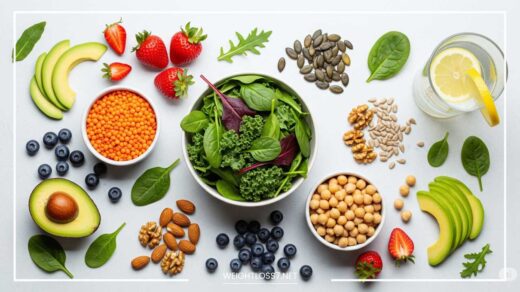
Exercise is a powerful tool for weight loss, but it’s only half the equation. What you fuel your body with is equally, if not more, important. A whole, plant-based diet can be incredibly effective for healthy weight loss, providing abundant nutrients, fiber, and satiety without excessive calories. The focus here is on prioritizing nutrient-dense foods over calorie-dense ones.
-
Calorie-Dense vs. Nutrient-Dense Foods: Calorie-dense foods pack a lot of calories into a small serving (e.g., processed snacks, sugary drinks). Nutrient-dense foods, on the other hand, provide a wealth of vitamins, minerals, and other beneficial compounds with fewer calories (e.g., leafy greens, fruits, whole grains). For weight loss, the goal is to lean heavily towards nutrient-dense options.
-
Key Macronutrients from Plant Sources:
- Proteins: Essential for muscle repair and growth, and for keeping you feeling full. Excellent plant-based sources include legumes (beans, lentils, chickpeas), tofu, tempeh, edamame, and even some whole grains like quinoa.
- Healthy Fats: Crucial for hormone production, nutrient absorption, and satiety. Focus on sources like avocado, nuts (almonds, walnuts, cashews), and seeds (chia seeds, flax seeds, hemp seeds).
- Complex Carbohydrates: Provide sustained energy for your workouts and daily activities. Opt for whole grains such as quinoa, oats, brown rice, barley, and sweet potatoes. These are digested slowly, preventing blood sugar spikes and crashes.
-
Fiber-Rich Foods for Satiety: Fiber is your best friend when it comes to weight loss. Found abundantly in fruits, vegetables, whole grains, and legumes, fiber adds bulk to your meals, making you feel fuller for longer. This natural satiety helps to prevent overeating and snacking on less healthy options.
-
Sample Meal/Snack Ideas that Complement an Active Lifestyle:
- Breakfast: Overnight oats with berries, chia seeds, and a spoonful of almond butter; a smoothie with spinach, banana, plant-based protein powder, and flax seeds.
- Lunch: Large salad with various greens, colorful vegetables, chickpeas, and a light vinaigrette; lentil soup with a slice of whole-grain bread; a wrap filled with hummus, roasted vegetables, and crumbled tempeh.
- Dinner: Quinoa bowl with black beans, corn, salsa, and avocado; a hearty vegetable and lentil curry with brown rice; baked sweet potato topped with a bean chili.
- Snacks: Apple slices with a small handful of almonds; a piece of fruit; vegetable sticks with hummus; a handful of roasted chickpeas.
By focusing on these wholesome plant-based foods, you’ll provide your body with the fuel it needs for exercise, support muscle recovery, and create a sustainable path to healthy weight loss without feeling deprived.
The Role of Mindset and Consistency in Weight Loss
Losing weight healthily is as much a mental game as it is a physical one. Your mindset plays a critical role in your success, determining your resilience, motivation, and ability to stay consistent.
-
Building Realistic, Long-Term Goals: Ditch the idea of drastic, overnight transformations. Instead, focus on setting realistic, achievable goals that span the long term. Aim for a steady weight loss of 0.5 to 1 kilogram per week. Celebrate small milestones along the way. This prevents burnout and fosters a sense of continuous progress. Remember, you’re building a healthier lifestyle, not just hitting a number on the scale.
-
The Power of Habit Stacking: Making healthy habits stick can be challenging. Habit stacking is a powerful technique where you pair a new desired habit with an existing one. For example, if you already brush your teeth every morning, you could stack your new habit of doing 10 minutes of stretching immediately after. Or, if you always make coffee, commit to drinking a large glass of water beforehand. This leverages established routines to make new ones feel more natural and less like an extra chore.
-
Managing Setbacks and Plateaus: The journey will have its ups and downs. You will encounter setbacks, whether it’s an off-plan meal or a missed workout. The key is not to let one slip-up derail your entire progress. Acknowledge it, learn from it, and get back on track with your next meal or workout. Plateaus, where your weight loss stalls despite your efforts, are also common. When this happens, it’s an opportunity to re-evaluate: Are you consistently tracking your intake? Could you increase the intensity or duration of your workouts? Are you getting enough sleep? Sometimes, a small tweak is all that’s needed to kickstart progress again.
-
Tracking Progress Beyond the Scale (Measurements, Mood, Energy): The scale can be a useful tool, but it doesn’t tell the whole story. Muscle weighs more than fat, so you might be losing fat and gaining muscle without seeing a dramatic drop in weight. Diversify your tracking methods. Take body measurements (waist, hips, arms, thighs) every few weeks. Pay attention to how your clothes fit. Monitor your mood – are you feeling more energetic, less stressed, more confident? Notice improvements in your energy levels throughout the day and how easily you can perform daily tasks. These non-scale victories are incredibly motivating and reflect the true impact of your healthy habits on your well-being.
Recovery and Sleep: Underrated Keys to Fat Loss
While often overshadowed by diet and exercise, recovery and sleep are incredibly powerful, yet frequently underestimated, components of effective fat loss and overall health. Neglecting them can sabotage even the most diligent efforts.
-
How Muscle Repair and Fat Loss Occur During Sleep: When you exercise, especially strength training, you create microscopic tears in your muscle fibers. It’s during periods of rest, particularly deep sleep, that your body repairs these tears and rebuilds the muscle stronger. This process is crucial for increasing your muscle mass, which, as we’ve discussed, boosts your resting metabolic rate and aids in fat burning. Furthermore, sleep plays a vital role in regulating hormones like ghrelin (which stimulates appetite) and leptin (which signals fullness). Lack of sleep can disrupt this balance, leading to increased hunger and cravings, making it harder to stick to your dietary goals. Your body also undergoes fat metabolism processes more efficiently during sleep.
-
Overtraining Risks and Signs: More isn’t always better, especially when it comes to exercise. Overtraining occurs when you push your body beyond its capacity to recover. This can lead to a host of negative effects, including increased injury risk, chronic fatigue, decreased performance, elevated stress hormones (like cortisol, which can hinder fat loss), irritability, disrupted sleep, and even a weakened immune system. Signs of overtraining can include persistent muscle soreness, a plateau or decrease in performance, difficulty sleeping, unusual fatigue, loss of enthusiasm for exercise, and increased frequency of illness.
-
Active Recovery Days: Stretching, Light Yoga, Walking: To avoid overtraining and optimize recovery, active recovery days are essential. These aren’t “rest” days where you do nothing, but rather days where you engage in low-intensity activities that promote blood flow, reduce muscle soreness, and improve flexibility without taxing your body excessively. Examples include:
- Stretching: Gentle static stretches held for 20-30 seconds can improve flexibility and reduce muscle tightness.
- Light Yoga: A restorative or gentle flow yoga session can enhance mobility, reduce stress, and aid muscle repair.
- Walking: A leisurely walk helps circulate blood, delivering nutrients to tired muscles and flushing out metabolic waste products.
Prioritizing 7-9 hours of quality sleep each night and incorporating active recovery into your weekly routine will not only enhance your exercise performance but also significantly contribute to your body’s ability to burn fat efficiently and recover effectively, propelling you towards your weight loss goals.
Hydration and Lifestyle Factors That Impact Exercise Efficiency
Beyond structured workouts and balanced nutrition, several crucial lifestyle factors significantly influence your exercise efficiency and overall weight loss success. Among the most critical is hydration, along with mindful habits around stress, screen time, and daily movement.
-
Importance of Water for Metabolism and Performance: Water is not merely a thirst quencher; it’s a vital component for almost every bodily function, including those critical for metabolism and exercise performance.
- Metabolism: Water is essential for metabolic processes that convert food into energy. Even mild dehydration can slow down your metabolism, making it harder to burn calories efficiently.
- Nutrient Transport: Water helps transport nutrients and oxygen to your working muscles and carries away waste products.
- Temperature Regulation: During exercise, water helps regulate your body temperature through sweating, preventing overheating.
- Joint Lubrication: It lubricates your joints, reducing friction and supporting smooth movement, which is crucial for injury prevention.
- Satiety: Drinking water, especially before meals, can help you feel fuller, potentially reducing overall calorie intake. Aim for at least 2.5-3 liters of water per day, and more on days you exercise heavily or in hot climates.
-
Avoiding Sugary Drinks or Excessive Caffeine: While tempting, sugary drinks like sodas, sweetened teas, and fruit juices (even 100% juice in excess) contribute empty calories that can quickly derail your weight loss efforts without providing satiety or nutritional benefits. They lead to blood sugar spikes and crashes, potentially increasing cravings. Similarly, while moderate caffeine can offer a temporary energy boost, excessive intake can lead to dehydration, disrupt sleep patterns, and contribute to increased stress levels, all of which negatively impact your ability to recover and perform effectively. Prioritize plain water, herbal teas, or water infused with fruits and vegetables.
-
Role of Stress, Screen Time, and Daily Movement:
- Stress: Chronic stress can elevate cortisol levels, a hormone that can promote fat storage, particularly around the abdomen. Finding healthy ways to manage stress (e.g., meditation, spending time in nature, pursuing hobbies) is vital for weight loss and overall well-being.
- Screen Time: Excessive screen time often leads to prolonged periods of sitting, which reduces your NEAT and overall calorie expenditure. It can also disrupt sleep patterns due to blue light exposure. Make a conscious effort to take regular breaks, stand up, and move around during long periods of screen use.
- Daily Movement: Beyond your structured workouts, actively seek opportunities for daily movement. Take the stairs instead of the elevator, park further away, walk or cycle for short errands, or stand while taking phone calls. These small bursts of activity add up, contributing significantly to your calorie deficit and overall fitness.
By focusing on optimal hydration and being mindful of these lifestyle factors, you create an environment that supports your body’s natural fat-burning capabilities and enhances the effectiveness of your exercise routine.
Practical Weekly Plan: A Beginner’s Sample Workout Routine
Starting an exercise routine can feel daunting, but a structured yet flexible plan can make it manageable and enjoyable. This sample routine integrates various exercise types for a holistic approach to healthy weight loss, focusing on consistency and gradual progression. Remember, this is a template; feel free to adjust it based on your fitness level, preferences, and schedule.
Day-by-Day Breakdown:
-
Monday: 30-Minute Walk + 15-Minute Bodyweight Strength
- Morning/Evening: Begin your week with a brisk 30-minute walk. This low-impact cardio session is excellent for building endurance and burning calories. Focus on a pace where you can talk but are slightly out of breath.
- Followed by: A 15-minute bodyweight strength circuit. Choose 3-4 exercises like squats, lunges, push-ups (on knees or against a wall if needed), and planks. Perform 2-3 sets of 10-15 repetitions for each exercise, with short rests in between. This introduces your muscles to strength work.
-
Tuesday: Yoga Session (30-45 minutes)
- Dedicate this day to flexibility and mobility. Follow an online yoga video for beginners or attend a gentle yoga class. Focus on holding poses, deep breathing, and mindful movement. This aids recovery, improves balance, and reduces stress.
-
Wednesday: HIIT (20 Minutes)
- Time to elevate your heart rate! Choose a 20-minute HIIT workout. This could involve short bursts of high-intensity exercises like jumping jacks, high knees, or burpees (modified as needed), followed by brief rest periods. For example, 45 seconds of effort, 15 seconds of rest, repeated for 4-5 exercises, and then repeat the circuit 2-3 times. Remember to warm up for 5 minutes and cool down for 5 minutes.
-
Thursday: Strength Training (30-45 minutes)
- This is your dedicated strength day. You can continue with bodyweight exercises, or if you have access to resistance bands or light weights, incorporate them. Focus on compound movements: squats, deadlifts (with light weights or just bodyweight), overhead presses (with bands or light weights), and rows. Aim for 3 sets of 8-12 repetitions for each exercise. Ensure proper form to prevent injury.
-
Friday: Rest or Light Stretching
- This is a crucial recovery day. Your muscles need time to repair and rebuild. You can opt for complete rest or engage in some very light stretching or foam rolling to promote circulation and flexibility. Avoid strenuous activity.
-
Saturday: Outdoor Hike or Cycling (45-60 minutes)
- Embrace the outdoors! A 45-60 minute outdoor hike (even on flat terrain) or a leisurely cycling session offers a change of scenery and an enjoyable way to burn calories. This type of extended, moderate-intensity cardio is great for endurance and mental well-being.
-
Sunday: Active Rest (20-30 minutes)
- Another active recovery day. This could be a gentle 20-30 minute walk with family or friends, a light stretching session, or some mindful movement to prepare your body for the week ahead.
Final Thoughts: Progress Over Perfection
Embarking on a healthy weight loss journey with exercise is a marathon, not a sprint. It’s a transformative path that emphasizes progress over perfection. There will be days when you feel incredibly motivated and energized, and others when sticking to your routine feels like an uphill battle. The key is to understand that these fluctuations are entirely normal and part of the human experience.
Instead of striving for an unattainable ideal, focus on the continuous improvement of your habits. Every mindful meal choice, every completed workout, and every extra step taken contributes to your long-term success. Celebrating small wins along the way is crucial for maintaining motivation. Did you choose a healthier snack today? Did you complete that extra set of squats? Did you hit your water intake goal? Acknowledge these achievements, no matter how small they seem. They are testament to your commitment and progress.
Ultimately, this journey is deeply personal. What works perfectly for one person might not be ideal for another. The sample routine provided is a starting point, a guide to help you build a foundation. However, the most effective plan is one that you can genuinely tailor to your individual needs and preferences. Listen to your body, discover activities you genuinely enjoy, and find a rhythm that integrates seamlessly into your life. Embrace the process, be patient with yourself, and remember that consistent effort, even imperfect effort, will always lead you closer to your health and wellness goals. Your well-being is a lifelong commitment, and every step you take is a step towards a healthier, happier you.