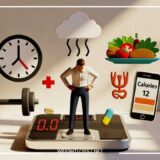
How to Lose Weight (Free)


How to Lose Weight for Free: Simple & Effective Tips to Shed Pounds Without Spending
Losing weight often conjures images of expensive gym memberships, specialized meal plans, or trendy diets. However, true and sustainable weight loss isn’t about quick fixes or drastic measures; it’s about adopting a lifestyle that supports long-term health and well-being. This journey is accessible to everyone, regardless of their budget or current fitness level. The most effective strategies for shedding pounds and maintaining a healthier weight don’t necessarily come with a price tag.
Exercise, balanced eating, and mindful practices can all be integrated into your daily routine at no cost, proving that “free” certainly doesn’t mean “less effective.” This guide will show you how to embark on a transformative weight loss journey, focusing on simple, sustainable habits that empower you to achieve your health goals.
Understanding the Basics of Weight Loss
At its core, weight loss boils down to a fundamental principle: energy balance. Your body requires a certain amount of energy, measured in calories, to perform all its daily functions, from breathing and thinking to walking and exercising. When you consume more calories than your body uses, the excess energy is stored, primarily as fat, leading to weight gain. Conversely, to lose weight, you need to create a calorie deficit, meaning your body burns more calories than it takes in. This forces your body to tap into its stored fat reserves for energy.
Your metabolism plays a crucial role in this process. Metabolism is the sum of all chemical processes that occur in your body to maintain life. It dictates how efficiently your body converts food into energy and how many calories you burn at rest. Factors like age, gender, genetics, and muscle mass all influence your metabolic rate. While you can’t drastically alter your genetic predisposition, building muscle can increase your resting metabolic rate, as muscle tissue burns more calories than fat tissue, even when you’re not active.
The body stores energy in various forms, with fat storage being a primary mechanism for long-term energy reserves. When you consume calories beyond your immediate needs, your body converts them into triglycerides, which are then stored in fat cells. During periods of calorie deficit, your body signals these fat cells to release the stored triglycerides, breaking them down into fatty acids and glycerol, which can then be used as fuel. Understanding this fundamental process empowers you to make informed choices about your food intake and activity levels to encourage your body to utilize its stored fat for energy, paving the way for effective weight loss.
The Role of Food in Weight Loss
Food is a powerful tool in your weight loss journey, and mastering how you approach it is crucial. It’s not about deprivation, but about making smarter choices and understanding your body’s signals.
Portion control is a cornerstone of creating a calorie deficit without feeling hungry. It’s easy to overestimate how much you need, especially with larger serving sizes prevalent today. A simple visual guide is the plate method: aim to fill half your plate with non-starchy vegetables (like leafy greens, broccoli, carrots), a quarter with whole grains or starchy vegetables (like brown rice, quinoa, potatoes), and the remaining quarter with protein sources (like lentils, chickpeas, beans, tofu). This ensures you get a good balance of nutrients while naturally reducing your overall calorie intake. You can also use your hand as a guide: a serving of grains or starchy vegetables might be the size of your clenched fist, while protein could be the size of your palm.
Avoiding mindless eating is another critical step. In our fast-paced world, it’s common to eat while distracted by screens, work, or other activities, leading to overconsumption. Practice mindful eating by slowing down, savoring each bite, and paying attention to the textures, flavors, and aromas of your food. Before you reach for a snack, pause and assess your hunger level. Are you truly hungry, or are you eating out of boredom, stress, or habit? Eating slowly gives your brain time to register fullness signals, which typically take about 20 minutes to kick in. Putting your fork down between bites, chewing thoroughly, and engaging your senses can help you connect with your body’s hunger and satiety cues more effectively.
You don’t need expensive “diet” foods to lose weight. Many free and affordable foods are incredibly nutrient-dense and supportive of weight loss. Beans and legumes (like chickpeas, black beans, lentils) are packed with fiber and protein, keeping you feeling full and satisfied. Whole grains (like oats, brown rice, whole wheat bread) provide sustained energy and fiber. An abundance of vegetables and fruits are naturally low in calories and high in vitamins, minerals, and fiber. Think seasonal produce from local markets, which can be very budget-friendly. Incorporating more of these staples into your meals will naturally reduce your calorie intake while boosting your nutrient consumption.
Finally, hydration is often overlooked but profoundly important. Drinking enough water is essential for optimal bodily functions, including metabolism. Water has no calories and can help you feel full, reducing the likelihood of overeating. Sometimes, thirst is mistaken for hunger, so try drinking a glass of water before reaching for a snack. Aim for at least 8 glasses (about 2 liters) of water daily, and even more if you are active or in a hot climate. Keeping a water bottle handy throughout the day can be a simple reminder to stay consistently hydrated.
Physical Activity – No Equipment Required
You don’t need a gym membership or fancy equipment to get active and boost your weight loss efforts. Many effective ways to move your body are entirely free and accessible to everyone.
Simply walking is one of the most underrated and powerful forms of exercise. It’s low-impact, easy to start, and can be done almost anywhere. Aiming for around 10,000 steps a day can significantly increase your daily calorie expenditure and improve cardiovascular health. Start by adding a few extra minutes to your walks, parking further away, or taking the stairs instead of the elevator. Even short, frequent walks throughout the day add up. Listening to a podcast, music, or calling a friend can make walking more enjoyable and help the time fly by.
Bodyweight exercises are incredibly effective for building strength, burning calories, and improving overall fitness, all without needing any equipment. These exercises use your own body’s resistance. Here are a few foundational moves and a simple beginner-friendly routine:
- Squats: Stand with feet hip-width apart, lower your hips as if sitting in a chair, keeping your chest up.
- Lunges: Step forward with one leg, lowering your hips until both knees are bent at approximately a 90-degree angle. Alternate legs.
- Push-ups: Start on your hands and knees (or toes for a challenge), lower your chest towards the floor, then push back up.
- Planks: Hold a push-up position, supporting yourself on your forearms and toes, keeping your body in a straight line from head to heels.
Beginner-Friendly Bodyweight Workout:
Perform 3 sets of 10-12 repetitions for each exercise, resting for 60 seconds between sets.
- Squats
- Lunges (10-12 per leg)
- Push-ups (on knees or toes)
- Plank (hold for 30-60 seconds)
For a more intense, time-efficient workout, consider High-Intensity Interval Training (HIIT). HIIT involves short bursts of intense exercise followed by brief recovery periods. It’s incredibly effective for burning fat and improving cardiovascular fitness. A simple HIIT workout could involve:
- Warm-up: 5 minutes of light jogging or walking.
- Sprint as fast as you can for 30 seconds.
- Walk or jog slowly for 90 seconds to recover.
- Repeat this cycle 4-6 times.
- Cool-down: 5 minutes of light walking and stretching.You can do this in a park, on a sidewalk, or even in your backyard.
Beyond structured workouts, cultivate an active lifestyle by integrating movement into your daily routine. Take the stairs instead of the elevator. Bike to work or for errands if feasible. Spend time gardening, cleaning, or playing active games with family and friends. Even standing more often instead of sitting can make a difference. The goal is to move your body consistently throughout the day, making physical activity a natural and enjoyable part of your life rather than a chore.
Sleep and Recovery
While diet and exercise often take center stage in weight loss discussions, the importance of sleep and recovery cannot be overstated. Adequate sleep is not merely about feeling rested; it plays a critical role in regulating hormones that directly impact hunger, fat storage, and metabolism.
Specifically, sleep influences two key hormones: ghrelin and leptin. Ghrelin is often called the “hunger hormone” because it stimulates appetite, while leptin is the “satiety hormone” that signals to your brain when you’ve had enough to eat. When you don’t get enough sleep, ghrelin levels tend to rise, making you feel hungrier, especially for calorie-dense, sugary foods. At the same time, leptin levels decrease, meaning your body isn’t getting the “full” signal, leading to overeating. Chronic sleep deprivation can also increase cortisol levels, the stress hormone, which can promote belly fat storage and make weight loss more challenging. Aim for 7-9 hours of quality sleep per night to keep these hormones in balance and support your weight loss efforts.
Just as important as sleep is allowing your body sufficient rest and recovery from physical activity. While regular exercise is vital, over-exercising without adequate recovery can lead to diminishing returns. Pushing your body too hard without rest can result in chronic fatigue, increased stress on your system, and even make you more susceptible to injuries. This stress can elevate cortisol, potentially hindering weight loss and leading to emotional eating as a coping mechanism. Schedule rest days, engage in light activities like gentle stretching or walking on non-workout days, and listen to your body’s signals. Recovery allows your muscles to repair and grow stronger, ultimately supporting a more efficient metabolism.
Furthermore, effectively managing stress through both sleep and relaxation techniques is a powerful tool against emotional eating. When stressed, many people turn to food for comfort, often choosing unhealthy options. Incorporating stress-reducing practices like meditation, deep breathing exercises, spending time in nature, or engaging in hobbies can significantly impact your emotional well-being and, consequently, your eating habits. Prioritizing sleep and incorporating mindful rest into your routine are free, yet invaluable, strategies for a successful and sustainable weight loss journey.
Mindful Eating and Psychological Factors
Weight loss isn’t just about what you eat, but how you eat and the thoughts and emotions that surround it. Mindful eating practices are powerful tools for transforming your relationship with food. Instead of eating on autopilot, mindful eating encourages you to pay full attention to the experience of eating without judgment. This means sitting down to eat without distractions like your phone or TV. Take a moment to observe your food – its colors, textures, and aromas – before you even take a bite. Chew slowly and thoroughly, noticing the flavors and sensations with each mouthful. Pause between bites. Ask yourself if you’re truly hungry or just eating out of habit or emotion. This practice helps you savor your food more, recognize your body’s fullness cues earlier, and prevent overeating.
Addressing the psychological aspects of weight loss is crucial for long-term success. Many people struggle with breaking habits of overeating or emotional eating, where food becomes a coping mechanism for stress, boredom, sadness, or anxiety. Understanding your triggers is the first step. Journaling can be incredibly insightful here; write down what you eat, when you eat, how much you eat, and how you feel before, during, and after eating. This can reveal patterns and emotional connections to food. Once you identify triggers, you can develop alternative coping strategies that don’t involve food, such as going for a walk, calling a friend, listening to music, or practicing deep breathing.
Setting realistic goals is another vital psychological factor. Instead of aiming for drastic and unsustainable weight loss, focus on small, achievable steps. A healthy and sustainable weight loss rate is generally 1-2 pounds per week. This might seem slow, but it’s consistent and more likely to lead to lasting results. Break down larger goals into smaller, manageable ones. For example, instead of “lose 50 pounds,” focus on “walk 30 minutes daily” or “add a serving of vegetables to every meal.” Celebrate these small victories along the way. Remember, weight loss is a journey, not a race. Being kind to yourself, practicing self-compassion, and understanding that setbacks are a normal part of the process will keep you motivated and resilient. Focus on building healthy habits that you can maintain for life, rather than just reaching a number on the scale.
Tracking Progress and Staying Motivated
Maintaining motivation throughout your weight loss journey can be challenging, but effective strategies for tracking progress and building a supportive environment can make a significant difference.
Self-tracking is a powerful tool for awareness and accountability. You don’t need fancy gadgets; a simple notebook or a free app on your phone can serve as a food and activity journal. Jot down what you eat, approximate portion sizes, and your physical activities. This practice helps you become more aware of your eating patterns and calorie intake. You might uncover hidden sources of calories or realize you’re not as active as you thought. It also serves as a visual record of your efforts, which can be highly motivating.
While the scale is a common measure, it shouldn’t be your only one. Tracking results should encompass a broader picture of your progress. How do your clothes fit? Are you noticing increased energy levels throughout the day? Has your mood improved? Can you walk further, lift more, or perform exercises with greater ease? Take measurements of your waist, hips, and other areas periodically. These non-scale victories often provide more consistent and encouraging feedback than the fluctuating numbers on a scale. Celebrate these improvements; they are proof that your efforts are making a difference in your overall health and well-being.
Accountability can significantly boost your motivation. Consider finding a workout buddy who shares similar goals. You can motivate each other, share tips, and hold each other accountable for showing up for walks or home workouts. If a buddy isn’t an option, explore free online communities, forums, or social media groups dedicated to health and fitness. Sharing your journey with others, asking questions, and receiving encouragement from a supportive community can be incredibly empowering. Just be mindful of the information you consume and ensure it aligns with healthy, sustainable practices.
Finally, remember to reward yourself for achieving milestones, but make sure these rewards are non-food related. This reinforces positive habits without undermining your progress. Perhaps treat yourself to a new book, a relaxing spa day (if budget allows, or a DIY spa at home), new workout attire, or a fun outing with friends. These rewards serve as positive reinforcement, making the journey more enjoyable and sustainable. Celebrate your dedication and hard work in ways that align with your new, healthier lifestyle.
Overcoming Plateaus
It’s a common and often frustrating experience on any weight loss journey: the plateau. You’re consistently eating well and exercising, but suddenly, the scale stops moving, or your progress feels stagnant. Understanding why plateaus happen is the first step to breaking through them. As you lose weight, your body requires fewer calories to maintain its new, lighter mass. Your metabolism may also slow down slightly as your body adapts to your new habits. Additionally, water weight fluctuations can mask fat loss, and sometimes, even when you’re losing fat, your muscle mass might be increasing, leading to no change or even a slight increase on the scale. Plateaus are a normal part of the process, not a sign of failure.
The good news is there are several effective ways to break through a plateau without resorting to extreme measures. One of the most effective strategies is to vary your workouts. If you’ve been doing the same routine, your body has likely adapted to it. Introduce new exercises, increase the intensity, or try a different type of activity. For example, if you’ve been walking, try incorporating some bodyweight HIIT sessions or increasing the duration of your walks. Even small changes can challenge your muscles in new ways and boost your metabolism.
Another key area to review is your eating habits. Even if you’ve been consistent, sometimes subtle changes creep in, or your body’s needs have shifted. Revisit your portion sizes to ensure they’re still appropriate for your current weight. Are you mindfully eating, or have you slipped back into some old habits? Sometimes, simply adjusting your caloric intake by a small amount (e.g., reducing by 100-200 calories) or subtly changing the macronutrient balance (e.g., slightly increasing protein intake) can kickstart progress again. Ensure you’re still prioritizing whole, nutrient-dense foods and staying well-hydrated.
Finally, don’t underestimate the power of getting more sleep. As discussed earlier, sleep deprivation can negatively impact hormones that regulate hunger and fat storage. If you’re consistently active and eating well but not seeing results, lack of quality sleep could be a hidden factor. Prioritizing 7-9 hours of restful sleep can help reset your hormones, reduce stress, and improve your body’s ability to burn fat effectively. Breaking a plateau often requires a slight adjustment to one or more of your healthy habits, reminding your body to adapt and continue its journey towards a healthier weight.
Final Thoughts
Embarking on a weight loss journey doesn’t require a hefty investment; rather, it demands a commitment to consistent, sustainable lifestyle changes. The path to a healthier you is paved with accessible, free strategies that empower you to take control of your well-being. From understanding the fundamental principles of energy balance and metabolism to embracing mindful eating, integrating no-equipment physical activity, prioritizing sleep, and managing stress, every step you take contributes to your long-term success.
Remember, staying consistent and patient is paramount. Sustainable weight loss takes time and dedication. It’s not about achieving a specific number on the scale overnight, but about fostering habits that support a lifetime of health. Embrace the idea that weight loss is not a short-term goal but part of creating a healthier lifestyle. This shift in perspective can alleviate pressure and make the process more enjoyable and less restrictive.
The beauty of this approach lies in its flexibility. You are encouraged to adapt strategies that genuinely work for you, recognizing that everyone’s journey is unique. Avoid rigid rules or extreme measures that can lead to burnout or rebound weight gain. Instead, focus on building a foundation of simple, positive habits that fit seamlessly into your daily life. Whether it’s adding a daily walk, trying new affordable recipes, or practicing mindful eating, each small, consistent effort compounds over time. You have the power to transform your health, one free and practical step at a time.
Additional Tips
For even greater success, be mindful of empty calories. Minimize sugary drinks like soda and processed foods such as packaged snacks and candies. These items often provide a lot of calories with very little nutritional value, hindering your progress. Instead, opt for water or unsweetened beverages. For budget-friendly meal ideas, think simple and versatile. Hearty soups packed with lentils and vegetables, vibrant salads with beans and various greens, or quick stir-fries using seasonal vegetables and tofu can be incredibly nutritious, satisfying, and cost-effective. These meals are not only great for weight loss but also easy to prepare and adaptable to whatever ingredients you have on hand.