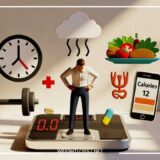
How to Lose Weight and Get Healthy


How to Lose Weight and Get Healthy – Tips for a Better Lifestyle
Losing weight and achieving a healthier life is one of the most common and profoundly rewarding personal goals. It is a commitment that extends far beyond simply changing your appearance; it is about fundamentally improving your overall well-being, energy levels, and long-term vitality. In a world saturated with quick-fix diets and confusing health advice, the true path to sustainable weight loss lies in adopting a holistic approach—one that equally prioritizes nourishing your body, engaging in regular physical activity, cultivating a positive mindset, and building lasting, healthy habits.
The journey to a better lifestyle is not about temporary deprivation or following rigid, unsustainable rules. Instead, it is about making informed, conscious choices every day that contribute to a healthier you. This article will guide you through practical, inclusive, and science-based strategies covering nutrition, exercise, behavior, and mindset. We will move past the superficial focus on the scale and concentrate on the deeper goal: building a foundation of health that supports you for years to come. By understanding the core principles of sustainable change, anyone can successfully navigate the complexities of weight management and genuinely get healthy.
Understanding Weight and Health
To embark on a successful health journey, it is essential to first understand the fundamental relationship between weight, body composition, and true health. While the number on the scale offers a quick measurement, it does not tell the whole story. Body composition, which refers to the proportion of fat mass to lean mass (muscle, bone, and water), is a far more accurate indicator of metabolic health than weight alone. A person with a moderate weight but a high percentage of body fat may face greater health risks than someone with a slightly higher weight who has significant muscle mass.
Maintaining a healthy weight and optimal body composition matters for numerous reasons that extend beyond aesthetics. At a physiological level, excess body fat, particularly visceral fat stored around the organs, can be metabolically active in negative ways. It is linked to chronic inflammation and an increased risk of developing conditions such as type 2 diabetes, high blood pressure, and certain types of joint issues due to added mechanical stress.
Furthermore, health is inextricably linked to energy levels and mental well-being. Consistent excess weight often leads to fatigue and impacts sleep quality, creating a cycle of low energy and inactivity. Conversely, achieving a healthier weight through improved nutrition and activity boosts energy, enhances mood, and significantly reduces the symptoms of anxiety and depression. It is vital to address a common misconception: health is not synonymous with thinness. A healthy lifestyle means optimizing the functioning of your body and mind, which can be achieved across a range of body sizes. The focus must always be on promoting sustainable habits, not chasing an arbitrary number on a scale through extreme measures. Sustainable health is defined by consistent, positive action.
Nutrition for Weight Loss and Health
Nutrition is the cornerstone of both weight loss and long-term health. The goal of healthy eating is not to starve yourself, but to consistently supply your body with the fuel and nutrients it needs to thrive. This section focuses on universal principles that support a healthy weight without resorting to restrictive dietary labels.
Balanced Meals
The most effective strategy for sustainable nutrition is built around balanced meals composed of a variety of whole, minimally processed foods. A healthy meal should incorporate all major macronutrients: complex carbohydrates, healthy fats, and protein, alongside essential micronutrients from vitamins and minerals. Focus on including a vibrant array of:
- Complex Carbohydrates: Whole grains (oats, brown rice, quinoa, whole-wheat bread), starchy vegetables (sweet potatoes, squash), and legumes (beans, lentils). These provide sustained energy and fiber.
- Protein Sources: Include foods like beans, lentils, peas, nuts, seeds, tofu, and low-fat dairy options. Protein is critical for satiety (feeling full), muscle repair, and metabolic health.
- Healthy Fats: Sources such as avocados, nuts, seeds, and oils (like olive or canola oil) are essential for hormone production, nutrient absorption, and heart health.
- Fruits and Vegetables: Aim for variety and color. These are nutrient-dense, low in calories, and rich in fiber and antioxidants.
Portion Control
Even when eating healthy foods, overconsumption will prevent weight loss. Portion control is about becoming mindful of serving sizes. Rather than strictly counting every calorie, practice visual cues:
- Start with smaller plates and bowls, which naturally encourages smaller portions.
- Use the plate method: aim to fill half your plate with non-starchy vegetables, a quarter with complex carbohydrates, and a quarter with a protein source.
- Avoid eating directly from large bags or containers; always serve yourself a single portion.
- Pay attention to the calorie density of foods like nuts, seeds, and oils, which are healthy but high in calories; measure these out rather than estimating.
Meal Timing and Consistency
Eating with consistency can help regulate hunger and maintain stable blood sugar levels, preventing the energy crashes that often lead to overeating. Avoid skipping meals, especially breakfast, as this can lead to intense hunger later in the day and subsequent binge eating. Establish a regular eating schedule and try to consume meals around the same time each day to support your body’s natural metabolic rhythms.
Hydration
Water is frequently overlooked but plays a vital role in weight management and health. Drinking enough water supports digestion, circulation, and temperature regulation. Sometimes, the body confuses thirst signals with hunger signals. Drinking a glass of water before a meal can sometimes curb unnecessary snacking and promotes a feeling of fullness. Aim to drink water consistently throughout the day, and limit high-calorie, sugary beverages like soda, sweetened teas, and fruit juices.
Mindful Eating
Mindful eating is a practice of intentionally focusing on the experience of eating. This involves paying attention to the colors, aromas, textures, and flavors of your food. Crucially, it means listening to your body’s internal signals. Eat slowly, chew thoroughly, and put your utensils down between bites. This gives your body and brain time to register that you are full, which typically takes about twenty minutes. Avoiding distractions like screens or reading while eating can help you recognize the precise moment your body reaches satisfaction, preventing the autopilot overeating that is common in a distracted state.
Limiting Processed Foods
A crucial step in getting healthy is significantly reducing your intake of highly processed foods. These items are often stripped of fiber and nutrients while being loaded with added sugars, refined grains, and unhealthy fats. These ingredients contribute to rapid blood sugar spikes, subsequent energy crashes, and poor satiety, making it difficult to control appetite. Focus instead on cooking meals from whole ingredients whenever possible, allowing you to control the quality of the food and the amounts of added components. Reading food labels to identify hidden sugars and overly refined ingredients is a powerful skill for long-term health.
Physical Activity and Exercise
While nutrition is often the main driver of weight loss, physical activity is indispensable for improving body composition, maintaining weight loss, and enhancing overall health. Exercise boosts cardiovascular function, strengthens the musculoskeletal system, improves mood, and supports metabolic health.
Types of Exercise
A well-rounded physical activity routine should incorporate three main types of exercise:
Cardiovascular Activities
Also known as aerobic exercise, this includes activities like brisk walking, jogging, cycling, swimming, and dancing. Cardiovascular exercise is excellent for burning calories, improving heart and lung health, and boosting endurance. Aim for at least 150 minutes of moderate-intensity activity or 75 minutes of vigorous-intensity activity per week. Even a simple 30-minute brisk walk most days of the week is a powerful habit.
Strength Training
This involves working your muscles against resistance to increase strength and build lean muscle mass. Activities include using free weights, resistance bands, or bodyweight exercises (like squats, lunges, and push-ups). Muscle is metabolically active, meaning it burns more calories at rest than fat tissue. Building muscle is essential for boosting your metabolism, supporting bone density, and achieving a toned physique. Aim for two to three sessions of strength training per week, targeting all major muscle groups.
Flexibility and Mobility Exercises
Activities like stretching, yoga, or tai chi improve the range of motion in your joints, increase flexibility, and help prevent injuries. Incorporating flexibility work can also reduce muscle soreness and promote better posture. This type of activity is crucial for maintaining functional fitness as you age.
Tips for Consistency and Habit Formation
The most effective workout is the one you will actually do regularly. Consistency trumps intensity, especially at the beginning.
- Find Activities You Enjoy: If you dread the gym, find an alternative you genuinely like, such as hiking, joining a recreational sports league, or dancing.
- Start Small: Begin with short, manageable sessions (even 10-15 minutes) and gradually increase duration and intensity as your fitness improves.
- Schedule It: Treat your workouts like any other important appointment. Block out time in your calendar and commit to it.
- Track Your Progress: Keep a simple log of your workouts. Seeing your endurance improve or weights increase is a powerful motivator.
Incorporating Movement into Daily Life
You don’t need a dedicated gym session to be active. Look for creative ways to increase non-exercise activity thermogenesis (NEAT):
- Take the stairs instead of the elevator.
- Park farther away from your destination.
- Take short walking breaks every hour during work.
- Walk while taking phone calls.
- Engage in active hobbies like gardening or playing with children or pets.
These small, consistent movements throughout the day add up significantly to your total calorie expenditure and overall health.
Behavioral and Lifestyle Changes
Sustainable weight loss is less about dieting and more about mastering your daily routines and mindset. The behavioral changes you make around sleep and stress are just as critical as the food you eat and the exercise you do.
Sleep and Recovery
The quality and duration of your sleep dramatically impact your metabolism and appetite. Chronic sleep deprivation elevates the stress hormone cortisol and disrupts the balance of two key hunger hormones: it increases ghrelin (which signals hunger) and decreases leptin (which signals satiety). This hormonal imbalance leads to increased appetite, especially for high-calorie, high-sugar foods, and can make weight loss significantly harder.
Aim for 7 to 9 hours of quality sleep per night. Establish a calming bedtime routine, ensure your sleeping environment is cool and dark, and try to go to bed and wake up at consistent times, even on weekends.
Stress Management
Chronic stress is a major impediment to weight loss. When the body is under stress, it releases cortisol. Prolonged high levels of cortisol signal the body to store fat, particularly in the abdominal area, and can increase cravings for comfort foods. Learning effective stress management techniques is not a luxury; it is a vital part of a healthy lifestyle.
Effective techniques include:
- Mindfulness and Meditation: Taking a few minutes each day to focus on your breath.
- Breathing Exercises: Deep, slow, diaphragmatic breathing to calm the nervous system.
- Journaling: Writing down thoughts and feelings to process and release tension.
- Time Management: Prioritizing tasks and learning to say no to avoid feeling overwhelmed.
- Nature Exposure: Spending time outdoors to reduce cortisol levels and improve mood.
Setting Goals and Tracking Progress
Achieving a better lifestyle requires a roadmap. Start by setting realistic, measurable, achievable, relevant, and time-bound (SMART) goals.
- Instead of “I want to lose a lot of weight,” try: “I will incorporate a 30-minute brisk walk five days a week for the next month.”
- Instead of “I will eat perfectly,” try: “I will eat a serving of vegetables with my lunch and dinner for the next week.”
Tracking progress is key to staying motivated. This doesn’t just mean tracking weight; track non-scale victories such as:
- Increased energy levels.
- Better quality sleep.
- Fitting into clothes more comfortably.
- Improving strength in a lift or distance in a run.
These non-scale victories reinforce the positive changes you are making, often providing more motivation than the number on the scale.
Building Healthy Habits
Sustainable health is a collection of small, consistent actions performed daily. Focus on gradual, sustainable changes rather than attempting radical shifts overnight. Trying to overhaul your entire diet and exercise routine at once often leads to burnout and a quick return to old habits. Use the “one change at a time” approach. Once a new habit—like drinking water first thing in the morning or doing ten minutes of stretching—is firmly established, then introduce the next small change. This approach allows your lifestyle to gradually evolve without feeling like a punishing regimen.
Social Support
You do not have to undertake this journey alone. Social support significantly increases the likelihood of long-term success. Share your goals with supportive friends or family members who will encourage you and hold you accountable. Consider:
- Finding a workout partner to make exercise more enjoyable.
- Joining a community group focused on a healthy activity, such as a walking club or cooking class.
- Asking family members to support your new habits, such as helping to prepare healthy meals.
A positive support system provides motivation during tough times and celebrates your victories, no matter how small.
Common Weight Loss Challenges and How to Overcome Them
Every individual encounters roadblocks on their journey to a healthier lifestyle. Recognizing these challenges and developing proactive strategies to manage them is crucial for long-term success.
Plateaus and Slow Progress
At some point, you will likely hit a weight loss plateau, where progress stalls despite consistent effort. This is a natural physiological adaptation. When your body adjusts to a lower weight, your metabolism slightly slows down, and your body becomes more efficient at the exercise routine you are performing.
Strategies to overcome plateaus:
- Reassess Consistency: Are you truly tracking your food intake and activity accurately? Small deviations creep in over time.
- Shake Up Exercise: Introduce variety. If you only do cardio, add strength training. If you only lift, try a high-intensity interval training (HIIT) session. This can shock the body out of its comfort zone.
- Slight Calorie Adjustment: Slightly adjust your food intake (a small reduction or an increase in protein) to see if it restarts progress, but avoid drastic cuts.
- Prioritize Sleep: Ensure you are not under-recovering, as poor sleep increases cortisol, which can hinder fat loss.
Dealing with Cravings and Emotional Eating
Cravings and the tendency to eat in response to emotions (stress, boredom, sadness) are two of the biggest hurdles.
- Identify Triggers: Keep a journal to identify the emotions, times of day, or social situations that trigger non-hungry eating.
- Develop Alternative Coping Mechanisms: When the urge to eat emotionally arises, substitute a non-food activity: take a walk, call a friend, read a book, or engage in a hobby.
- The 10-Minute Rule: When a craving hits, tell yourself you can have the food in 10 minutes, but first, drink a large glass of water and distract yourself. Often, the intensity of the craving passes.
- Pre-Plan Treats: Allow for small, controlled portions of favorite foods occasionally to prevent the feeling of deprivation that leads to large binges.
Avoiding “Quick Fixes” and Fad Solutions
The allure of rapid, effortless weight loss is powerful, but fad diets and quick fixes are unsustainable and often unhealthy. These solutions typically involve extreme calorie restriction or eliminating entire food groups, leading to nutrient deficiencies, muscle loss, metabolic slowing, and the inevitable “rebound weight gain” when the restrictive diet ends.
- Focus on Sustainability: Always ask yourself: “Can I eat this way for the rest of my life?” If the answer is no, the plan is a short-term diet, not a long-term lifestyle.
- Prioritize Nutrient Density: Choose plans that promote whole foods and a balanced intake of nutrients over those that rely on powders, pills, or severe restriction.
- Trust the Process: Understand that steady, gradual weight loss (one to two pounds per week) is the hallmark of success that allows for the maintenance of muscle mass and the adoption of lasting habits.
Maintaining Consistency During Holidays, Travel, or Busy Periods
Life will always present challenges to your routines. The key is to be flexible, not perfect.
- Adopt the 80/20 Rule: Aim for consistency 80% of the time, allowing for flexibility and enjoyment 20% of the time. This prevents feelings of failure when you attend a celebration or eat out.
- Plan Ahead for Travel: Pack healthy snacks, prioritize walking to explore a new city, and scope out local grocery stores for healthy meal options.
- Stay Active: If you can’t get a full workout in, commit to a quick 15-minute bodyweight circuit in your hotel room or take an early morning walk.
- Mindful Celebrations: At events, enjoy your favorite treats mindfully, but fill your plate primarily with vegetables and high-fiber options first. Never “write off” the day; one meal or one day off track does not negate weeks of effort.
Long-Term Health and Maintenance
Losing the weight is only half the battle; maintaining it is the ultimate measure of success. This requires a fundamental shift in perspective from viewing health as a temporary project to seeing it as a permanent, evolving lifestyle.
Emphasize Lifestyle Over Diet
The core difference between people who successfully maintain weight loss and those who don’t lies in their approach. Successful individuals do not “go on and off” diets; they have permanently integrated their healthy habits into their daily routine. The actions that led to the weight loss—consistent activity, mindful eating, balanced meals—must continue indefinitely, though they can often be enjoyed with more flexibility. You are not “doing a diet”; you are living a healthy life.
Regular Health Check-ups
Maintenance also means staying proactive about your internal health. Regular medical check-ups with your healthcare provider are crucial for monitoring blood pressure, cholesterol, blood sugar levels, and other key indicators of health. Discussing your weight loss and health goals with your provider can provide valuable support, personalized advice, and early detection of any emerging issues. Your provider can help you understand how your internal health metrics are improving alongside your external appearance and energy levels.
Continuous Learning and Self-Care
The journey of health requires continuous learning. The world of nutrition and fitness evolves, and more importantly, you evolve. What worked for you in the beginning may need slight adjustments years later.
- Stay curious about new healthy recipes and ways to cook.
- Explore different forms of physical activity to keep exercise engaging.
- Practice self-compassion. There will be days when you make less-than-optimal choices or miss a workout. Instead of dwelling on guilt, acknowledge the misstep, learn from it, and immediately return to your positive habits. Self-care is not a break from your healthy lifestyle; it is an essential component of it, encompassing adequate rest, stress reduction, and positive self-talk.
Focus on Sustainability
Ultimately, a healthy lifestyle must be one that fits your real life. If your habits are constantly restricting, complex, or expensive, they are not sustainable. Health should enhance your life, allowing you to enjoy time with family, travel, and participate in social events, not isolate you. Find the balance point where your healthy choices are integrated seamlessly, becoming the default rather than the exception.
Final Thoughts
Achieving weight loss and lasting health is a deeply personal and meaningful journey. It is a marathon, not a sprint, built upon the foundation of three core pillars: balanced nutrition, consistent physical activity, and sustainable behavioral change.
Start by committing to the small, manageable steps: drinking more water, walking for an extra ten minutes, or simply prioritizing a serving of vegetables at your next meal. Recognize that progress is rarely linear; you will face ups and downs, but the key is resilience—the ability to get back on track after a stumble. Do not be discouraged by slow progress; celebrate every small victory. The commitment you make today to nourish your body and move it regularly is the greatest investment you can make in your future health, energy, and happiness. Take control of your journey, trust the process of consistency, and embrace the vibrant, healthier lifestyle that awaits you.