How to Diet to Lose Weight

How to Diet to Lose Weight | Effective Weight Loss Tips
Embarking on a journey to lose weight can feel like a monumental task, but it’s a path that millions of people successfully navigate every year. The key to lasting success isn’t about extreme deprivation or following the latest fad. Instead, it’s about adopting a balanced, sustainable approach that you can maintain for the long haul. This guide will walk you through the fundamental principles of healthy weight loss, from understanding the basics of nutrition to building a balanced diet and navigating the common pitfalls that can derail your progress.
By setting realistic goals and focusing on consistent, positive changes, you can achieve your desired weight and improve your overall health and well-being. The goal is to create a lifestyle, not just a temporary fix.
Understanding Weight Loss Basics
At its core, weight loss boils down to one primary concept: energy balance. Your body requires a certain amount of energy, measured in calories, to perform all its functions, from breathing and thinking to exercising and digesting food. If you consume more calories than your body uses, the excess energy is stored, primarily as body fat, leading to weight gain. Conversely, to lose weight, you must create a caloric deficit, meaning you consistently use more calories than you consume. This forces your body to tap into its stored energy reserves (fat) to meet its needs.
Your metabolism plays a crucial role in this process. It’s the set of chemical reactions that occur in your body to convert food into energy. Factors like your age, gender, body composition, and genetics all influence your metabolic rate—the speed at which your body burns calories. While you can’t dramatically change your metabolism overnight, you can support a healthy metabolic rate through consistent physical activity and by building muscle mass, which is more metabolically active than fat.
Ultimately, the most effective approach to weight loss is consistency over perfection. A single unhealthy meal won’t ruin your progress, just as one healthy meal won’t make you lose weight instantly. It’s the sum of your daily choices over time that determines your success. Focus on making small, manageable changes that you can stick with day in and day out.
Setting Realistic Goals
The foundation of a successful weight loss journey is setting achievable, measurable goals. While it’s tempting to aim for rapid weight loss, a healthy and sustainable rate is typically 1 to 2 pounds (about 0.5 to 1 kilogram) per week. This gradual approach allows your body to adjust and helps you build habits that will last. Avoid the allure of crash diets that promise dramatic, quick results. These often lead to nutrient deficiencies, a loss of muscle mass, and are virtually impossible to maintain, almost always resulting in regaining the lost weight once the diet ends.
Patience is your most important tool. Recognize that progress isn’t always linear. There will be weeks when you lose more and weeks when you lose less, or even hit a plateau. Don’t get discouraged. Instead of obsessing over the number on the scale, track your progress in other ways. Non-scale victories, such as your clothes fitting better, having more energy, or improving your physical performance, are powerful indicators of success and can help keep you motivated.
Building a Balanced Diet
A truly effective diet isn’t about what you eliminate; it’s about what you include. A balanced diet should be rich in a variety of foods that provide all the essential nutrients your body needs to function optimally. This involves understanding the three main macronutrients: carbohydrates, fats, and protein. Each plays a distinct and vital role in your body.
Carbohydrates are your body’s primary energy source. Opt for complex carbohydrates found in whole grains, vegetables, and legumes, as they are digested more slowly, providing a steady release of energy and helping you feel full longer. Simple carbohydrates, found in sugary snacks and refined grains, cause rapid spikes in blood sugar and can leave you feeling hungry soon after.
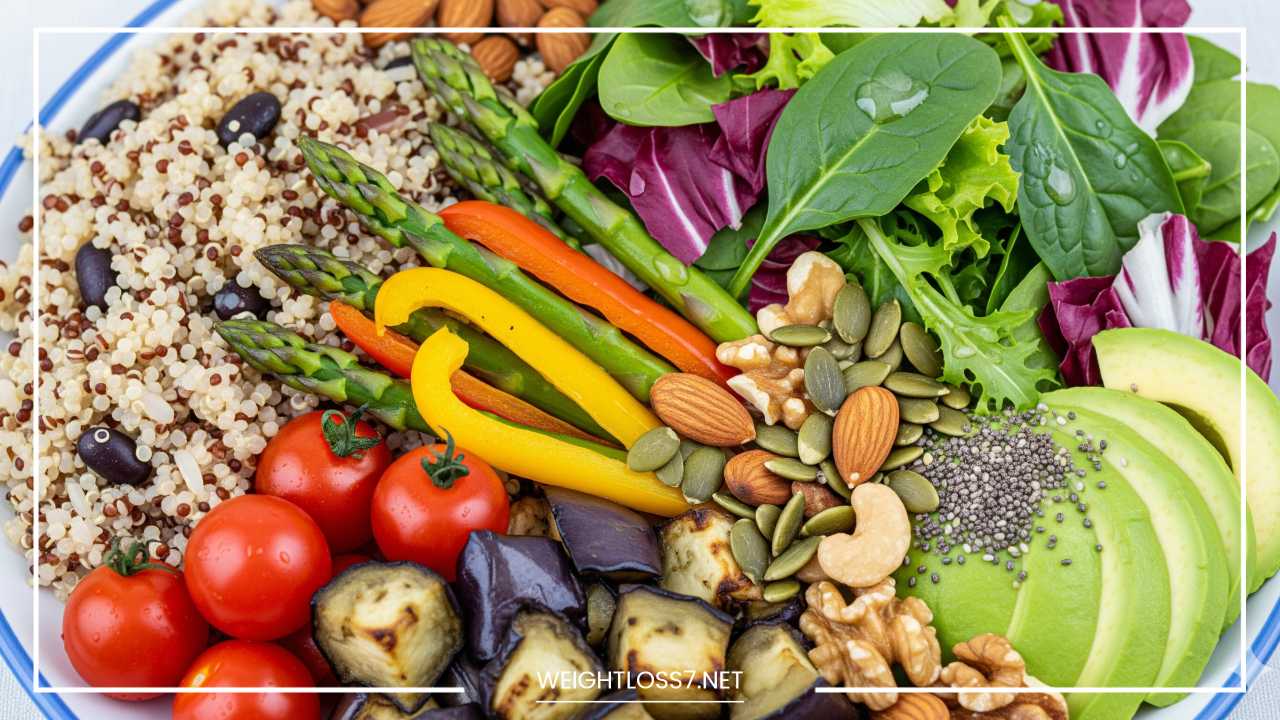
Fats are essential for hormone production, nutrient absorption, and cell health. Focus on healthy fats from sources like avocados, nuts, seeds, and healthy oils such as olive oil. These fats are calorie-dense, so moderation is key, but they are crucial for a healthy diet and can contribute to satiety.
Protein is a cornerstone of any weight loss plan. It’s essential for building and repairing tissues, and it also plays a significant role in weight management by increasing satiety and helping to preserve muscle mass during a caloric deficit. Excellent protein sources that are widely available and versatile include legumes (like lentils, chickpeas, and beans), nuts and seeds, dairy products (such as Greek yogurt and cottage cheese), and tofu and tempeh.
Fiber deserves a special mention. Found in fruits, vegetables, whole grains, and legumes, fiber adds bulk to your diet without adding many calories. It slows digestion, helping you feel full and satisfied for longer, which can be a game-changer for controlling your appetite. It also promotes healthy digestion and helps stabilize blood sugar levels.
Portion Control and Mindful Eating
You can be eating all the right foods and still not lose weight if you’re eating too much of them. Portion size is a critical factor in managing calorie intake. A single serving of a food may be much smaller than what you’re used to serving yourself. For example, a serving of nuts should be about the size of your cupped hand, while a serving of grains or starchy vegetables should be the size of your fist. Using smaller plates and bowls can also trick your mind into thinking you’re eating a larger portion.
Mindful eating is the practice of paying full attention to your food—what it looks like, how it smells, how it tastes, and the sensations in your body as you eat. It’s about slowing down, chewing thoroughly, and listening to your body’s hunger and fullness cues. When you eat mindfully, you’re more likely to recognize when you’re satisfied and stop before you’re uncomfortably full. This practice also helps in distinguishing true hunger from emotional eating, which is often triggered by stress, boredom, or other emotions. Instead of reaching for food when you feel an emotion, try to identify the underlying feeling and address it with a non-food-related activity, such as taking a walk, calling a friend, or practicing a stress-reduction technique.
Hydration and Its Role in Weight Loss
The importance of staying hydrated cannot be overstated. Water is essential for every bodily function, including metabolism. Drinking enough water can help you feel full, sometimes preventing you from mistaking thirst for hunger. Aim to drink water throughout the day, especially before meals.
Sugary drinks, such as soda, sweetened juices, and energy drinks, are a major source of empty calories and can contribute significantly to weight gain without providing any nutritional value. Excessive alcohol consumption also adds a lot of calories and can lower your inhibitions, making you more likely to overeat. Replacing these drinks with water, herbal tea, or black coffee is a simple yet effective way to cut hundreds of calories from your daily intake.
Meal Planning and Preparation Tips
One of the biggest obstacles to healthy eating is a lack of preparation. When you’re tired or hungry, you’re far more likely to grab whatever is quick and convenient, which is often a less healthy option. Planning ahead is your secret weapon. Set aside some time each week to plan your meals and snacks. Decide what you’ll eat for breakfast, lunch, and dinner, and think about your snacks.
Once you have a plan, prepare as much as you can in advance. This might mean chopping vegetables for the week, pre-portioning snacks, or cooking a large batch of a grain like quinoa or brown rice to use in multiple meals. This “meal prepping” strategy ensures that you always have a healthy option readily available.
When you go grocery shopping, stick to your list to avoid impulsive purchases. Shop the perimeter of the store first, as this is typically where the fresh produce, whole grains, and healthy staples are located.
Healthy Snacking Habits
Snacks can be a valuable part of a weight loss diet, but only if they are chosen wisely. The goal is to choose nutrient-dense snack choices that provide sustained energy and satiety. Instead of reaching for chips or cookies, opt for snacks like a handful of almonds, a bowl of Greek yogurt with berries, or a piece of fruit. These snacks provide protein, fiber, and healthy fats, which help keep you full and satisfied until your next meal.
Avoid empty calories—foods that provide little to no nutritional value. This includes most processed snacks, sugary treats, and fried foods. Think of your snacks as mini-meals that contribute to your overall nutritional goals.
Lifestyle Factors that Affect Weight Loss
Diet is only one piece of the weight loss puzzle. Your lifestyle as a whole has a profound impact. Sleep is a powerful, yet often overlooked, factor. When you don’t get enough sleep, your body produces more ghrelin (the hunger hormone) and less leptin (the satiety hormone), which can increase your appetite and cravings for high-calorie foods. Aim for 7-9 hours of quality sleep per night.
Stress management is also crucial. Chronic stress elevates cortisol levels in your body, which can lead to increased appetite and fat storage, particularly in the abdominal area. Find healthy ways to manage stress, whether it’s through meditation, yoga, spending time in nature, or engaging in a hobby you enjoy.
Finally, while this article focuses on diet, physical activity is a key partner in weight loss. Exercise not only burns calories but also builds muscle, boosts your metabolism, and improves your mood. Find an activity you genuinely enjoy, whether it’s walking, dancing, cycling, or lifting weights, and make it a regular part of your routine.
Common Dieting Mistakes to Avoid
In your pursuit of weight loss, be aware of common pitfalls. Skipping meals or extreme restriction is a significant mistake. While it may seem like a quick way to create a caloric deficit, it can slow down your metabolism, lead to nutrient deficiencies, and often results in intense cravings that lead to binge eating.
Be wary of fad diets and quick fixes. These diets often promise rapid results by eliminating entire food groups or promoting specific “superfoods.” They are rarely sustainable, can be unhealthy, and typically don’t teach you the long-term habits needed for lasting change.
The most important factor is sustainability. A diet that is too restrictive or complex will eventually be abandoned. Choose an approach that fits your lifestyle, preferences, and social life.
Staying Motivated and Overcoming Plateaus
Maintaining motivation can be a challenge. To stay on track, celebrate your successes, no matter how small. Acknowledge your non-scale victories and reward yourself with non-food rewards, like a new book or a day trip. Find an accountability partner or a supportive community to share your journey with.
When you hit a plateau, don’t panic. This is a normal part of the process. Your body adapts to the changes you’ve made. To break through, try adjusting your routine. This could mean slightly decreasing your caloric intake, increasing the intensity or duration of your workouts, or changing the type of exercise you do.
When to Seek Professional Guidance
While this guide provides general advice, there are times when it’s best to seek professional guidance. If you have any underlying health conditions, a history of eating disorders, or if you’re simply not seeing results despite your best efforts, a healthcare professional or a registered dietitian can provide a personalized plan tailored to your specific needs. They can help you identify potential issues, correct nutritional imbalances, and ensure your weight loss journey is safe and effective.
Final Thoughts
Losing weight is a journey, not a race. By focusing on a balanced, sustainable diet based on whole foods, practicing portion control and mindful eating, and incorporating healthy lifestyle habits, you can achieve your goals. Remember that consistency, patience, and self-compassion are your greatest assets. The goal is not just to lose weight, but to build a healthier, more vibrant life. You have the power to make positive changes and create a future where you feel your best, inside and out.