Fat Loss and Weight Loss


Fat Loss and Weight Loss: The Definitive Guide to Sustainable Body Transformation
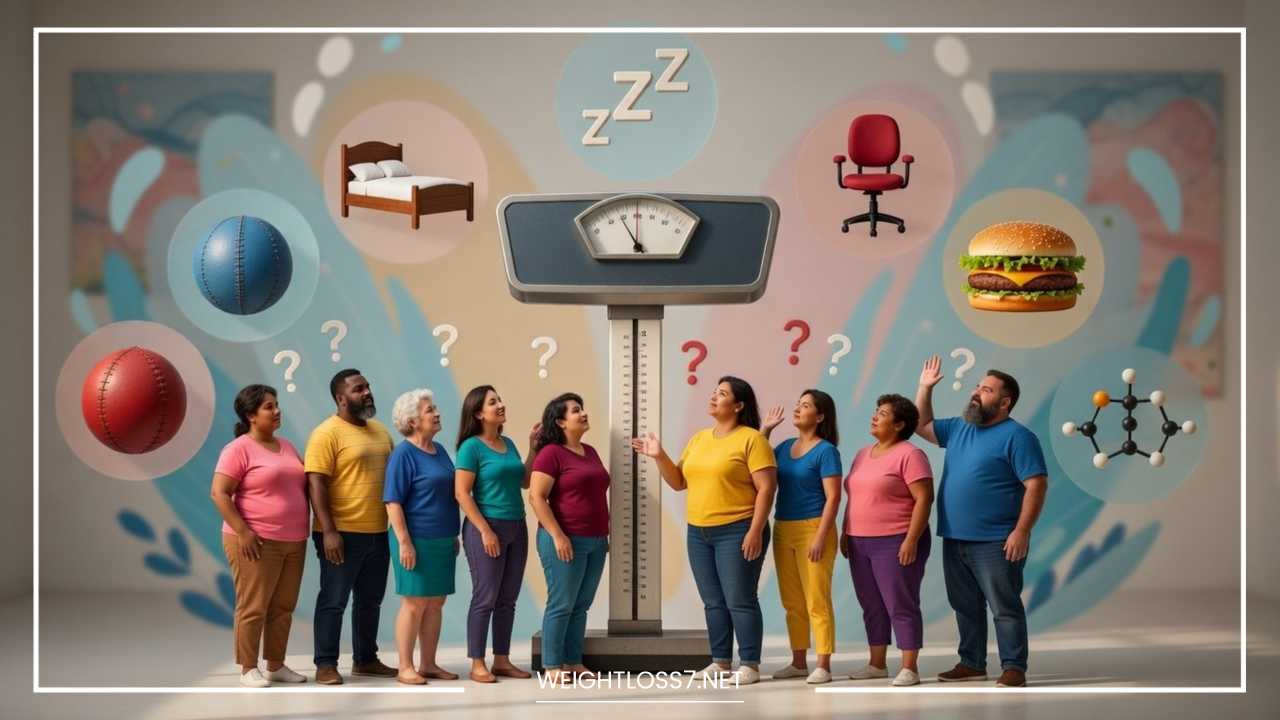
The journey toward a healthier body is often framed through the narrow lens of “losing weight.” However, this common phrase masks a much more nuanced biological reality. To achieve lasting health, improved energy, and a resilient physique, one must look beyond the generic number on a scale. Understanding the fundamental differences between losing weight and losing fat is the first step in a lifelong journey of wellness.
This comprehensive guide explores the mechanics of human metabolism, the psychological barriers to change, and the practical strategies required to reshape your body composition without sacrificing your well-being.
Understanding Fat Loss and Weight Loss
When most people embark on a fitness journey, their primary metric of success is the bathroom scale. While the scale provides a data point, it is a remarkably incomplete one. Total body weight is a composite measurement that includes muscle, bone, water, organs, glycogen, and body fat.
Difference Between Fat Loss and Weight Loss
Weight loss refers to a decrease in your overall body mass. This can come from anywhere—fluid loss, muscle degradation, or fat reduction. If you sit in a sauna for an hour, you will lose weight, but that weight is almost entirely water. If you follow an extremely low-calorie diet without any physical activity, a significant portion of the weight lost may be precious muscle tissue.
Fat loss, on the other hand, specifically targets the reduction of adipose tissue (body fat) while aiming to preserve lean body mass. This is the “gold standard” for health. Losing fat improves metabolic health, enhances physical aesthetics, and reduces the risk of chronic conditions, whereas losing muscle can actually slow down your metabolism and leave you feeling weaker and less functional.
Why the Distinction Matters for Long-Term Health Goals
The distinction matters because muscle is metabolically active tissue. It requires energy just to exist. When you focus solely on weight loss and lose muscle in the process, your basal metabolic rate—the calories you burn at rest—drops.
This leads to a “smaller but softer” version of oneself, often referred to as being “skinny fat,” where a person may be within a normal weight range but possesses a high percentage of body fat and low muscle mass. This state is associated with many of the same metabolic risks as being overweight. Furthermore, losing muscle makes it increasingly difficult to maintain your progress, often leading to the “yo-yo” effect, where weight is regained quickly once normal eating resumes because the body’s “engine” has been shrunk.
Common Misconceptions
One of the biggest myths is that “sweating more” automatically equals fat loss. Sweat is a cooling mechanism, not a byproduct of fat oxidation. Another persistent myth is “spot reduction”—the belief that doing crunches will specifically burn fat from the stomach. In reality, the body draws energy from fat stores across the entire body based on genetics and hormonal profiles. You cannot choose where the fat comes from; you can only provide the biological environment that encourages the body to use its stores.
How the Body Stores and Burns Fat
To manage body composition effectively, it helps to understand the biological “bank account” of energy that our bodies maintain. Our ancestors evolved in environments where food was scarce, leading the human body to become an expert at storing energy for later use.
Basic Explanation of Energy Balance
At its simplest level, fat management is governed by the principle of energy balance. This is the relationship between the energy you consume through food and drink (calories in) and the energy your body uses for basic functions and physical activity (calories out).
-
Caloric Surplus: Consuming more energy than you use. The body stores the excess, primarily as fat, in adipose cells.
-
Caloric Deficit: Consuming less energy than you use. The body must turn to its internal stores (glycogen and fat) for fuel.
-
Maintenance: Consuming exactly what you burn, resulting in a stable weight.
Role of Metabolism in Weight Regulation
Metabolism is not a single “speed” but a collection of processes. Your Total Daily Energy Expenditure (TDEE) is comprised of several distinct components:
-
Basal Metabolic Rate (BMR): This accounts for 60-75% of your total burn. It is the energy required for basic life functions like breathing, cell production, and heart rate.
-
Thermic Effect of Food (TEF): The energy used to digest and process nutrients. Interestingly, different nutrients require different amounts of energy to process.
-
Non-Exercise Activity Thermogenesis (NEAT): This is the energy used for everything that isn’t sleeping, eating, or sports-like exercise. It includes walking to your car, typing, cleaning, and even fidgeting. For many, NEAT is a bigger contributor to fat loss than the actual gym.
-
Exercise Activity Thermogenesis (EAT): The energy burned during intentional, structured workouts.
How the Body Uses Stored Fat for Energy
Fat is essentially stored chemical energy. When the body detects a sustained energy deficit, it triggers a process called lipolysis. Hormones like epinephrine and glucagon signal fat cells to release stored triglycerides into the bloodstream. These are then broken down into glycerol and fatty acids, which are transported to the mitochondria in your cells. There, they undergo beta-oxidation to produce ATP, the universal energy currency of the body. The “exhaust” of this process is primarily carbon dioxide and water, meaning you literally breathe out most of the fat you “burn.”
Factors That Influence Weight Gain
Weight gain is rarely the result of a single factor; it is typically an interplay of environment, behavior, and biology.
Dietary Habits and Portion Sizes
In a modern environment, we are surrounded by “hyper-palatable” foods—products designed to be nearly impossible to stop eating. These foods often combine high levels of refined fats and sugars, which can override the body’s natural fullness signals. Over time, our perception of a “normal” portion size has drifted upward, leading to a consistent, creeping caloric surplus.
Sedentary Lifestyle and Low Physical Activity
Human biology is designed for movement, yet modern life often involves long hours of sitting. A reduction in NEAT (daily movement) is a major contributor to weight gain. Even if someone exercises for 45 minutes, if they remain seated for the other 23 hours of the day, their overall energy expenditure remains low. This “sedentary physiology” can make fat loss feel uphill even with a decent diet.
Sleep Patterns and Recovery
Sleep is a cornerstone of weight regulation that is too often ignored. Lack of sleep disrupts two vital hormones: ghrelin (which signals hunger) and leptin (which signals fullness). When you are sleep-deprived, ghrelin rises and leptin falls. This creates a biological drive to seek out high-calorie, sugary foods for quick energy, while simultaneously making it harder for your brain to realize you are full.
Stress and Emotional Eating Patterns
Chronic stress triggers the release of cortisol. While cortisol is necessary for life, chronically elevated levels are associated with increased appetite and a tendency for the body to store fat around the abdominal region (visceral fat). Furthermore, many people use food as a coping mechanism for stress, seeking the dopamine hit that comes from sugar and fat to soothe emotional distress.
Principles of Sustainable Fat Loss
The goal of fat loss should be to reach a healthy state and stay there. This requires a shift from a “sprint” mindset to a “marathon” mindset.
Creating a Realistic Calorie Deficit
A deficit that is too aggressive—such as eating half of what your body requires—will lead to metabolic adaptation. The body perceives a famine and begins to shut down non-essential functions, leading to fatigue, hair thinning, and irritability. A modest deficit (roughly 10% to 20% below your TDEE) is generally sustainable and allows for fat loss while maintaining energy levels for work, family, and exercise.
Importance of Consistency Over Extreme Restriction
Cutting out entire food groups or following a “detox” may produce fast results for a week, but it is rarely sustainable. Consistency is the primary driver of results. Small, manageable changes—like switching from soda to sparkling water or committing to a 20-minute walk—maintained over months produce far better results than perfect adherence to a “crash diet” that lasts only ten days.
Why Rapid Weight Loss Methods Often Fail
Most “rapid” results come from a loss of water and glycogen. For every gram of carbohydrate stored as glycogen, the body stores about three to four grams of water. When you cut carbs or calories drastically, you lose this water weight instantly. However, as soon as you eat a normal meal, the weight returns. This creates a cycle of frustration and a “broken” relationship with the scale.
Building Habits Instead of Short-Term Fixes
Habits are behaviors that require little to no willpower. If you rely on willpower alone, you will eventually fail because willpower is a finite resource. Sustainable fat loss involves building a lifestyle where healthy choices are the default, not an exhausting daily struggle.
Nutrition Strategies for Healthy Weight Management
Nutrition is the most significant lever in the fat-loss equation. However, it doesn’t have to be about deprivation; it should be about optimization.
Balanced Meal Composition
A balanced plate ensures that the body receives what it needs to function and recover.
-
Carbohydrates: Provide the primary fuel for the brain and muscles. Focus on complex sources like whole grains, oats, and tubers, which provide steady energy.
-
Proteins: These are the building blocks of the body. Protein is essential for repairing tissues and preserving muscle mass during a deficit. It is also the most satiating macronutrient, meaning it keeps you full longer than fats or carbs.
-
Fats: Necessary for hormone production, including the hormones that regulate metabolism. Focus on unsaturated fats from sources like nuts, seeds, and oils.
Importance of Fiber-Rich Foods for Fullness
Fiber is a superpower for weight management. Because it adds bulk to food and slows down digestion, it physically stretches the stomach, sending signals to the brain that you are full. Legumes (beans, lentils, chickpeas), whole grains, and a variety of vegetables are excellent sources that support digestive health and appetite control.
Hydration and Its Role in Appetite Regulation
The brain often struggles to distinguish between mild dehydration and hunger. Drinking adequate water throughout the day ensures that your metabolism functions optimally. Having a glass of water before a meal can also help with portion control by increasing the feeling of fullness.
Reducing Highly Processed and High-Sugar Foods
Processed foods are often “calorie-dense” but “nutrient-poor.” You can eat a small amount and consume a large number of calories without feeling satisfied. By focusing on whole, single-ingredient foods, you naturally increase the volume of food you can eat while keeping calories in check.
Mindful Eating Practices
In our distracted world, we often eat while scrolling through phones or watching television. This disconnects the mind from the body’s satiety signals. Mindful eating—paying attention to the taste, texture, and smell of food, and chewing slowly—allows the brain to register fullness before you have overeaten.
Role of Physical Activity in Fat Loss
While nutrition creates the deficit, physical activity determines the quality of the weight lost and supports the “maintenance” phase of your journey.
Why Movement Supports Fat Reduction
Exercise increases your TDEE, making it easier to maintain a deficit without having to eat dangerously low amounts of food. Beyond calories, it improves insulin sensitivity, meaning your body becomes better at using nutrients for energy rather than storing them as fat.
Difference Between Structured Exercise and Daily Activity
Both are vital. Structured exercise (gym sessions, swimming, jogging) builds cardiovascular fitness and strength. However, daily activity (NEAT) often accounts for a larger portion of total calories burned over the course of a week. Increasing your daily step count is one of the simplest and most effective ways to support fat loss without adding the stress of high-intensity workouts.
Benefits of Strength-Based Activity and Endurance Activity
-
Strength-based activity: Lifting weights or using bodyweight resistance (like push-ups and squats) signals to the body that it needs to keep its muscle mass. This ensures that the weight lost comes from fat, not muscle.
-
Endurance activity: Walking, cycling, or swimming improves heart health and is an efficient way to increase energy expenditure. A combination of both is often the most effective approach for long-term body composition changes.
How Consistency Matters More Than Intensity Alone
A brutal, two-hour workout done once a week is far less effective than a 30-minute walk done every day. Intensity is great for performance, but consistency is the driver of fat loss. Find a form of movement you actually enjoy, as you are much more likely to stick with it.
Importance of Sleep and Recovery
You don’t lose fat while you are working out; you lose it while you are resting and recovering.
How Sleep Affects Appetite and Metabolism
As mentioned, sleep regulates the hunger hormones ghrelin and leptin. But it also affects how your body handles insulin. Even one night of poor sleep can make you temporarily more “insulin resistant,” meaning your body is more likely to store sugar as fat rather than burning it for fuel.
Link Between Poor Sleep and Weight Gain Tendencies
Studies consistently show that people who sleep less than seven hours a night are more likely to have a higher body fat percentage. When we are tired, our brain’s “executive function” is weakened, making us more likely to give in to cravings and less likely to have the energy for physical activity.
Recovery as Part of a Sustainable Lifestyle
If you are constantly “sore,” exhausted, or stressed from over-exercising, your body will eventually rebel. This often manifests as increased inflammation or a drop in NEAT, as your body tries to save energy by moving less during the day. Scheduled rest days are not “laziness”—they are a requirement for physiological change.
Managing Hunger and Cravings
Hunger is a biological signal; cravings are often a psychological or sensory-driven desire. Learning to manage both is key to staying on track.
Understanding True Hunger vs. Emotional Cravings
True hunger develops gradually, is felt in the stomach, and can be satisfied by almost any substantial food. Emotional cravings come on suddenly, are felt “above the neck” (in the mind), and usually target a very specific food. If you wouldn’t eat a plain bowl of oatmeal or a piece of fruit, you are likely experiencing a craving, not hunger.
Practical Ways to Improve Satiety Through Meals
The “Satiety Index” ranks foods by how well they satisfy hunger. Generally, foods high in protein, fiber, and water content rank highest.
-
Starting a meal with a salad or soup can reduce the total calories eaten during the main course.
-
Including a source of protein in every snack prevents the energy “crashes” that lead to mid-afternoon sugar cravings.
Behavioral Strategies to Avoid Overeating
-
The 20-Minute Rule: Wait 20 minutes after finishing a portion before going for seconds.
-
Out of Sight, Out of Mind: Keep tempting foods in opaque containers or high cupboards.
-
Routine Eating Patterns: Eating at roughly the same times each day helps train your hunger hormones to expect food at specific intervals, reducing “random” hunger.
Common Mistakes in Weight Loss Efforts
Avoiding these pitfalls can save months of frustration and prevent metabolic damage.
-
Over-Restricting Food Intake: This leads to the “starvation response,” where the body becomes hyper-efficient at storing energy, making future fat loss even harder.
-
Relying Only on Short-Term Diets: Diets have an end date. Transitions should be lifestyle-based so there is no “off” switch.
-
Ignoring Lifestyle Factors: You cannot “out-train” a high-stress life or a chronic lack of sleep.
-
Expecting Immediate Results: Fat loss is a slow biological process. Expecting to lose 10 pounds of fat in a week is unrealistic and sets you up for perceived “failure.”
-
Inconsistent Habits: Being “perfect” on weekdays and over-consuming on weekends often results in a weekly calorie average that is at maintenance, resulting in zero progress.
Building Long-Term Sustainable Habits
Transformation is not about what you can do for a month; it’s about what you can do for a decade.
Gradual Lifestyle Changes
Instead of trying to change your diet, your exercise, your sleep, and your water intake all on Monday morning, pick one. Master it until it feels easy, then add the next. This “habit stacking” builds a foundation that won’t crumble under stress.
Setting Realistic and Measurable Goals
“I want to be healthy” is a great sentiment but a poor goal. “I will walk for 30 minutes four times a week” is measurable and actionable. Focus on “process goals” (the things you do) rather than just “outcome goals” (the number on the scale).
Tracking Progress Beyond Just Body Weight
Since the scale is a fickle narrator, use multiple data points:
-
How your clothes fit (the “waistband test”).
-
Your energy levels and mood.
-
Your strength in daily tasks.
-
Monthly progress photos and body measurements.
Importance of Patience and Adaptability
Life will get in the way. There will be holidays, illnesses, and busy work weeks. Sustainable success comes from the ability to adapt. If you can’t get to the gym for an hour, do a 10-minute bodyweight circuit at home. Consistency is better than perfection.
Psychological Aspects of Weight Management
The most important “muscle” in fat loss is the mind.
Relationship Between Mindset and Consistency
If you view fat loss as a punishment for “eating bad,” you will eventually quit. If you view it as an act of self-care—fueling your body with what it needs and moving to keep it strong—you are much more likely to persevere.
Motivation vs. Discipline
Motivation is a feeling that comes and goes like the weather. Discipline is the system you have in place for when motivation is absent. Successful people don’t always “want” to make the healthy choice; they simply have a system that makes the healthy choice their default behavior.
Dealing with Setbacks Without Giving Up
The “all-or-nothing” mentality is the enemy of progress. If you get a flat tire, you don’t slash the other three tires; you change the one and keep driving. Similarly, one “bad” meal shouldn’t lead to a “bad” weekend. Simply make the next best choice available to you.
Practical Daily Routine for Healthy Weight Control
A structured day reduces “decision fatigue,” which is the leading cause of poor food choices late in the day.
Example Structure of a Balanced Day
-
Morning: Hydrate with 16 ounces of water. Eat a breakfast high in protein and fiber (like oatmeal with nuts or a whole-grain toast with nut butter). Take a 10-minute walk to get sunlight and movement.
-
Mid-Day: Ensure your lunch contains at least two servings of vegetables. If you work at a desk, stand up every hour to stretch.
-
Afternoon: Have a piece of fruit or a handful of nuts if hungry. This prevents arriving at dinner “famished,” which leads to overeating.
-
Evening: A balanced dinner focused on whole foods. Dim the lights an hour before bed to signal to your brain that it’s time to wind down.
-
Rest: Aim for a consistent sleep schedule to keep metabolic hormones in check.
How Small Daily Decisions Compound
Choosing the stairs over the elevator, drinking water instead of soda, and going to bed 30 minutes earlier may seem insignificant in isolation. However, over a year, these small decisions can represent the difference between gaining five pounds and losing twenty.
Final Thoughts and Key Takeaways
Fat loss and weight loss are related but distinct concepts. While weight loss is a broad reduction in body mass, fat loss is the specific improvement of body composition that leads to better health, more energy, and a more resilient body.
The path to a healthier version of yourself is paved with fundamental, sustainable principles:
-
Maintain a modest caloric deficit through nutrient-dense whole foods.
-
Prioritize protein and fiber to manage hunger naturally.
-
Incorporate both strength training and daily movement to protect your metabolism.
-
Value sleep and recovery as much as your workouts.
-
Focus on habit formation and mindset rather than short-term “fixes.”
The journey is not about reaching a final destination where you can stop trying; it is about evolving your lifestyle into one that supports your best self. By understanding the science of your body and the psychology of your habits, you can achieve a level of health and vitality that lasts a lifetime. Focus on the process, be patient with the results, and remember that every positive choice is a win for your future self.
Frequently Asked Questions About Fat Loss and Weight Loss
Integrating these commonly searched questions can help address specific concerns and provide quick answers for those looking for targeted advice.
What is the most effective way to lose belly fat without losing muscle?
To target fat while preserving muscle, you must combine a modest calorie deficit with a high-protein diet and resistance training. Eating adequate protein provides the necessary amino acids for muscle repair, while lifting weights or performing bodyweight exercises signals to your body that muscle tissue is still needed. Avoid extreme “crash” diets, as these often lead the body to burn muscle for energy instead of fat.
How many calories should I eat a day to lose two pounds a week?
Losing two pounds a week generally requires a deficit of approximately 1,000 calories per day, as one pound of fat is roughly equal to 3,500 calories. However, for many people, such a large deficit is difficult to maintain and can lead to fatigue. A more sustainable approach is often to aim for 0.5 to 1 pound of loss per week by combining a 500-calorie daily deficit with increased physical activity.
Can you lose fat through diet alone without exercising?
Yes, it is possible to lose weight through diet alone by maintaining a calorie deficit. However, incorporating exercise—especially strength training—is highly recommended to ensure that the weight lost is primarily fat rather than muscle. Physical activity also improves metabolic health, heart function, and mental well-being, which are essential for long-term weight maintenance.
Why is my weight plateauing even though I am exercising and eating healthy?
Weight plateaus are a normal part of the process. They often occur because as you lose weight, your body requires fewer calories to function (a lower BMR). Additionally, your body may become more efficient at the exercises you perform, burning fewer calories during the same workout. To break a plateau, try increasing your daily movement (NEAT), adjusting your calorie intake slightly, or varying your exercise routine to challenge new muscle groups.
How does drinking water help with fat loss and metabolism?
Water is essential for the process of lipolysis (the breakdown of fat). Being even mildly dehydrated can slow down your metabolism and decrease your energy levels. Furthermore, drinking water before meals can increase satiety, helping you eat smaller portions without feeling hungry. It is a calorie-free way to ensure your biological processes are running at peak efficiency.
What are the best high-fiber foods for staying full while dieting?
Foods that are high in fiber take longer to digest and add volume to your meals. Focus on legumes such as lentils, black beans, and chickpeas. Whole grains like oats, quinoa, and brown rice are also excellent. Additionally, non-starchy vegetables like broccoli, cauliflower, and leafy greens allow you to eat a large volume of food for very few calories, which is key for managing hunger.
How much sleep do I need to optimize my fat loss results?
Most adults need between 7 and 9 hours of quality sleep per night. Poor sleep increases the production of ghrelin (the hunger hormone) and decreases leptin (the fullness hormone), making it much harder to resist cravings. Consistent sleep also helps manage cortisol levels, which, when chronically high, can encourage the body to store fat in the abdominal area.
Is it better to do cardio or weights for weight loss?
A combination of both is usually best. Cardio (like walking or cycling) is excellent for burning a significant amount of calories in a single session and improving heart health. Weight training is crucial for building and maintaining muscle mass, which keeps your resting metabolism higher. If you have limited time, prioritizing strength training while staying active throughout the day (increasing your step count) is a highly effective strategy for fat loss.
How do I stop emotional eating and late-night snacking?
Managing emotional eating starts with identifying your triggers—whether it’s stress, boredom, or tiredness. Creating a routine where you eat balanced meals at consistent times can prevent the extreme hunger that leads to binging. For late-night snacking, try to establish a “kitchen closed” time and focus on a relaxing evening routine that doesn’t involve food, such as reading or a warm bath.
What is a safe amount of weight to lose per month?
A safe and sustainable rate of weight loss is typically 4 to 8 pounds per month. While it may be tempting to seek faster results, losing weight at this steady pace makes it much more likely that you are losing fat rather than water or muscle. It also gives your skin time to adapt and helps you build the long-term habits necessary to keep the weight off for good.