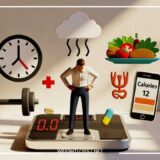
Best Weight Loss Help


Best Weight Loss Help: A Guide to Sustainable and Healthy Change
Achieving and maintaining a healthy weight is a goal for many, and for good reason. A healthy weight can significantly improve your overall well-being, reducing the risk of numerous health issues and boosting your energy and confidence. However, the path to weight loss can often feel confusing, overwhelming, and filled with conflicting advice. The key to success isn’t about finding a quick fix or a restrictive diet, but rather about adopting sustainable lifestyle changes that you can maintain for the long haul.
This article will provide a comprehensive guide to effective weight loss, focusing on a holistic approach that combines healthy eating, physical activity, and positive behavioral changes to help you on your journey.
Understanding the Basics of Weight Loss
The fundamental principle of weight loss is surprisingly simple: energy balance. Your body’s weight is a direct result of the balance between the energy you consume (calories in) and the energy your body uses (calories out). To lose weight, you need to create a calorie deficit, meaning you burn more calories than you consume. This forces your body to tap into its stored energy reserves, primarily fat, for fuel.
Your metabolism plays a crucial role in this process. Metabolism is the sum of all chemical reactions that occur in your body to maintain life. It’s the rate at which your body burns calories for essential functions like breathing, circulating blood, and cell repair, even when you’re at rest. This is known as your basal metabolic rate (BMR). Factors like age, gender, body composition, and genetics all influence your BMR. While you can’t change your genetics, you can influence your metabolism through physical activity and building muscle mass, which helps you burn more calories even at rest.
Several other factors also influence weight loss. Your age is a significant one; as we get older, our metabolism naturally slows down. Genetics can predispose individuals to a certain body type and how their body stores fat. Your current lifestyle, including your stress levels, sleep quality, and daily activity, also plays a major role. Understanding these fundamentals is the first step toward creating a personalized and effective weight loss plan.
Healthy Eating Habits: Fueling Your Body Wisely
Losing weight isn’t about starvation or deprivation; it’s about making smarter, more informed choices about the foods you eat. The goal is to nourish your body with nutrient-dense foods that keep you full and satisfied while providing the essential vitamins and minerals it needs to function optimally.
The Power of Nutrient-Dense Foods
Focus on building your meals around a variety of nutrient-rich foods. This includes a wide array of fruits and vegetables, which are packed with vitamins, minerals, and fiber. Fiber is particularly important as it promotes satiety, helping you feel fuller for longer. Whole grains, such as oats, brown rice, and quinoa, are excellent sources of complex carbohydrates that provide sustained energy and fiber. Legumes, including beans, lentils, and chickpeas, are fantastic sources of protein and fiber. Nuts and seeds, while calorie-dense, offer healthy fats, protein, and various nutrients that are vital for your health. Including these food groups ensures you’re getting a broad spectrum of nutrients without excess calories.
Mindful Eating and Portion Control
One of the most powerful tools for weight loss is mindful eating. This practice involves paying full attention to your food—how it looks, smells, and tastes—and listening to your body’s hunger and fullness cues. Avoid distractions like television or your phone while eating. By eating slowly and savoring each bite, you give your brain time to register that you’re full, which can prevent overeating. Portion control is another critical aspect. Use smaller plates, measure out your food, and learn to recognize what a healthy portion size looks like. It’s easy to underestimate the number of calories in a meal, so paying attention to portion sizes can make a huge difference.
Cutting Back on Processed Foods and Added Sugars
Processed foods and sugary beverages are often a major source of empty calories. They tend to be high in refined carbohydrates, unhealthy fats, and added sugars, which can lead to weight gain and have a negative impact on your health. By reducing your intake of these items, you free up space for more nutritious foods. Learn to read food labels and identify hidden sugars. Instead of reaching for a sugary drink, opt for water, herbal tea, or naturally flavored water with fruit slices. This simple change can significantly reduce your daily calorie intake.
The Importance of Hydration
Water is essential for countless bodily functions, including metabolism. Sometimes, our body misinterprets thirst signals as hunger. Staying well-hydrated can help you feel full, manage cravings, and support your body’s metabolic processes. Aim to drink an adequate amount of water throughout the day. A good way to tell if you’re hydrated is to check the color of your urine—it should be a pale yellow.
Effective Physical Activity for Weight Loss
While a healthy diet is the cornerstone of weight loss, regular physical activity is the engine that drives it forward. Exercise helps you burn calories, build muscle, improve your cardiovascular health, and boost your mood.
Benefits of Regular Exercise
The benefits of exercise extend far beyond calorie burning. Regular physical activity can improve your insulin sensitivity, helping your body use blood sugar more effectively. It can also reduce stress and improve sleep quality, both of which are critical for weight management. Additionally, exercise builds muscle mass, and muscle tissue burns more calories at rest than fat tissue, boosting your metabolism.
Creating a Balanced Exercise Routine
An effective exercise routine for weight loss should include a mix of different types of activity.
- Cardiovascular exercise (Cardio): This is any activity that raises your heart rate, such as brisk walking, running, cycling, swimming, or dancing. Cardio is excellent for burning a high number of calories and improving heart health. Aim for at least 150 minutes of moderate-intensity cardio per week.
- Strength training: This involves using resistance to build muscle. This can be done with weights, resistance bands, or your own body weight (e.g., push-ups, squats). Strength training is crucial because it increases your muscle mass, which in turn boosts your metabolism. Aim for two to three strength training sessions per week.
- Flexibility and balance exercises: Activities like yoga and stretching improve your range of motion, reduce the risk of injury, and can help with overall body awareness. While they don’t burn as many calories as cardio or strength training, they are an important part of a well-rounded fitness routine.
Tips for Staying Motivated and Consistent
The biggest challenge with exercise is often consistency. To stay motivated, find activities you genuinely enjoy. If you hate running, don’t force yourself to do it. Try hiking, joining a dance class, or playing a sport. Set small, achievable goals, like walking for 20 minutes a day, and gradually increase the intensity and duration. Find a workout buddy to hold you accountable and make exercise more social. Remember that even a short walk is better than no activity at all.
Behavioral and Lifestyle Strategies
Weight loss isn’t just a physical journey; it’s a mental and emotional one. Developing positive habits and a supportive mindset is crucial for long-term success.
Setting Realistic and Achievable Goals
Large, ambitious goals can be overwhelming and lead to discouragement. Instead, focus on setting SMART goals: Specific, Measurable, Achievable, Relevant, and Time-bound. For example, instead of “I want to lose a lot of weight,” a SMART goal would be “I will walk for 30 minutes, five days a week, for the next month.” Celebrate small victories along the way to build momentum and confidence.
Tracking Progress Without Obsession
Monitoring your progress can be a powerful motivator. This can be done through a variety of methods:
- Scale: Weighing yourself once a week at the same time can give you a general idea of your progress. Don’t get discouraged by daily fluctuations, as they are normal.
- Measurements: Taking waist and hip measurements can show progress even when the scale doesn’t budge, as you may be losing inches while gaining muscle.
- How your clothes fit: This is often the most rewarding way to see progress.
- Photos: Taking progress photos can provide a visual record of your transformation.
The key is to use these tools for information, not for self-judgment. Your worth is not defined by a number on a scale.
The Importance of Sleep and Stress Management
Lack of sleep and high stress levels can significantly sabotage your weight loss efforts. When you don’t get enough sleep, your body produces more ghrelin (the hunger hormone) and less leptin (the satiety hormone), leading to increased cravings and a higher calorie intake. Aim for 7-9 hours of quality sleep per night. Stress, similarly, triggers the release of cortisol, a hormone that can increase appetite and promote fat storage, particularly around the abdomen. Find healthy ways to manage stress, such as meditation, deep breathing exercises, or spending time in nature.
Building a Supportive Environment and Community
Your environment and social circle have a huge impact on your habits. Surround yourself with people who support your goals. Share your journey with trusted friends or family members. Consider joining a walking group, a fitness class, or an online community where you can find encouragement and motivation. Having a support system can make the tough days easier and help you stay accountable.
Common Challenges and How to Overcome Them
The path to weight loss is rarely a straight line. You will encounter challenges, but with the right strategies, you can overcome them.
Plateaus and Slow Progress
A weight loss plateau is a normal part of the journey. As you lose weight, your body requires fewer calories to function, and your metabolism may slow down. If you hit a plateau, don’t give up. Re-evaluate your calorie intake and exercise routine. You may need to slightly decrease your calorie intake or increase the intensity or duration of your workouts. Adding more strength training can also help by boosting your metabolism.
Emotional Eating and Cravings
Many people turn to food for comfort, stress relief, or boredom. Learning to identify the triggers for emotional eating is the first step to overcoming it. When you feel the urge to eat out of emotion, try a different activity, like going for a walk, listening to music, or calling a friend. Keep a food and mood journal to help you see patterns. For cravings, try to have healthier alternatives on hand, but also allow yourself to have a small, mindful portion of the food you’re craving. Complete restriction often leads to binging.
Dealing with Social Situations and Eating Out
Social gatherings and eating out can be a major source of anxiety for people on a weight loss journey. Instead of avoiding them, learn to navigate them. Before you go to a restaurant, look up the menu online and choose a healthy option in advance. At parties, fill your plate with healthier items like salads or vegetables first. Remember that you are in control of your choices. Don’t be afraid to say no to extra helpings or to ask for substitutions.
Staying on Track Long-Term
Sustainable weight loss is about making permanent changes, not just temporary ones. The key is to find a healthy lifestyle that you enjoy. Focus on progress, not perfection. There will be days when you make less-than-ideal choices. Instead of letting one bad day derail your entire journey, simply acknowledge it and get back on track with your next meal or workout.
When to Seek Professional Help
While this article provides a wealth of general advice, sometimes a more personalized approach is needed. It’s important to recognize when to seek professional guidance to ensure your weight loss journey is safe and effective.
Recognizing the Signs
You should consider seeking professional help if you:
- Have a significant amount of weight to lose.
- Have underlying health conditions that could be affected by weight loss.
- Are struggling with disordered eating patterns or a negative relationship with food.
- Have tried to lose weight on your own without success.
- Are unsure where to begin or feel overwhelmed by the process.
Types of Professionals Who Can Help
- Registered Dietitian or Nutritionist: A registered dietitian can provide personalized meal plans and nutritional guidance tailored to your specific needs, health conditions, and preferences. They can help you develop a healthy and sustainable eating plan.
- Certified Personal Trainer: A personal trainer can create a safe and effective exercise routine for you. They can teach you proper form and help you stay motivated, especially if you’re new to exercise.
- Therapist or Counselor: If you struggle with emotional eating, body image issues, or other psychological factors affecting your weight, a therapist or counselor can provide valuable support and coping strategies.
Final Thoughts
Embarking on a weight loss journey is a significant step toward a healthier, more vibrant life. It’s not about rapid results or a one-size-fits-all solution, but rather about a gradual, consistent commitment to your well-being. By focusing on nourishing your body with healthy foods, staying physically active, and cultivating a positive mindset, you can achieve your goals and build a healthier relationship with food and your body. Remember to be patient and kind to yourself throughout the process. Celebrate every small victory, learn from setbacks, and focus on progress over perfection. The most effective weight loss is the kind that lasts a lifetime, and it starts with the positive choices you make today.