Best Diet to Lose Weight Quickly

Best Diet to Lose Weight Quickly | Fast & Effective Weight Loss Tips
Embarking on a journey to lose weight can feel overwhelming, but the desire for quick results is a common and powerful motivator. While the internet is flooded with fast fixes and miracle cures, true, sustainable weight loss is about more than just a momentary change. It’s about a thoughtful, strategic approach that focuses on nourishing your body while creating a healthy calorie deficit. The goal isn’t just to see the number on the scale drop but to feel more energized, confident, and healthier overall.
This article provides a comprehensive guide to the principles of effective, rapid weight loss. We’ll explore how your body processes food, the types of foods that support your goals, and lifestyle factors that play a crucial role. This isn’t a one-size-fits-all plan, but a set of universal principles designed to help anyone achieve their weight loss goals by making smart, informed choices. By focusing on fundamental changes rather than short-term fads, you can set yourself up for lasting success.
Understanding Weight Loss Basics
At its core, weight loss is a simple equation: you must burn more calories than you consume. This is known as a calorie deficit. When your body doesn’t get enough energy from the food you eat, it turns to its stored energy—fat—to make up the difference. While the concept is simple, the execution requires consistency and an understanding of how your body works.
Your metabolism is the process by which your body converts food and drink into energy. A faster metabolism means you burn more calories at rest. Building muscle through exercise can help increase your metabolic rate, but diet is a primary driver. By choosing foods that are rich in nutrients and low in empty calories, you can support a healthy metabolism and make the process of losing weight more efficient. Remember, quick weight loss isn’t about deprivation; it’s about being strategic. Focusing on long-term consistency and making permanent lifestyle changes is what turns short-term success into a lasting achievement.
Key Principles of a Diet to Lose Weight Quickly
The foundation of a successful weight-loss diet is built on a few key principles. A balanced approach is crucial, and that starts with understanding macronutrients: carbohydrates, fats, and proteins. While some diets demonize one of these groups, a healthy plan incorporates all three. Carbs are your body’s primary energy source, essential for brain function and physical activity. Protein is vital for building and repairing tissues and keeps you feeling full. Healthy fats are necessary for hormone production and nutrient absorption. A proper balance ensures you get the energy you need without over-consuming calories.
Beyond macronutrients, focusing on nutrient density is a game-changer. Nutrient-dense foods, like vegetables, fruits, and whole grains, provide a high amount of vitamins, minerals, and fiber for a relatively low number of calories. This means you can eat a satisfying volume of food without packing on the pounds. This is why whole foods are always better than processed ones. Whole foods are in their natural state and retain all their beneficial nutrients.
Portion control and mindful eating are also non-negotiable. It’s easy to overeat even healthy foods, so paying attention to serving sizes is crucial. Mindful eating—slowing down, chewing thoroughly, and paying attention to your body’s hunger and fullness cues—helps you recognize when you’ve had enough. By focusing on these principles, you can create a diet that’s not only effective but also enjoyable and sustainable.
Types of Foods to Focus On
When building a diet for rapid weight loss, your plate should be filled with foods that are both satisfying and nutrient-rich. One excellent category to prioritize is whole grains and complex carbohydrates. Unlike refined carbs, complex carbs like oats, quinoa, brown rice, and barley are digested slowly. This provides a steady release of energy, prevents blood sugar spikes, and keeps you feeling full for longer. Starting your day with a bowl of oatmeal or incorporating quinoa into your lunch can make a significant difference.
Next up, fill your diet with an abundance of vegetables and fruits. These are your powerhouses for vitamins, minerals, and fiber. Leafy greens like spinach and kale, cruciferous vegetables like broccoli and cauliflower, and a wide array of colorful fruits like berries, apples, and bananas are low in calories but high in volume and nutrients. The high fiber content in these foods aids digestion and helps you feel full, which is key for a calorie-restricted diet.
Don’t be afraid of healthy fats. Healthy fats are essential for a variety of bodily functions and play a role in making you feel satisfied after a meal. Sources like avocados, nuts (almonds, walnuts), seeds (chia, flax, pumpkin), and olive oil are excellent additions. Just remember that fats are calorie-dense, so a little goes a long way.
Finally, a quick weight-loss diet must be rich in protein sources. Protein is crucial for maintaining muscle mass while in a calorie deficit and is incredibly satiating, helping to curb cravings. Excellent sources include lentils, chickpeas, beans, tofu, edamame, and Greek yogurt. These foods are versatile and can be incorporated into a wide variety of meals, from stir-fries to salads to satisfying bowls.
Foods to Limit or Avoid for Quick Weight Loss
To accelerate weight loss, it’s just as important to know what to limit as it is to know what to eat. The biggest culprits are processed foods and added sugars. These foods are typically high in calories, unhealthy fats, and sugar but offer very little in the way of nutrients. Think of packaged snacks, breakfast cereals, frozen dinners, and sugary beverages. Consuming these can lead to blood sugar spikes and crashes, which trigger hunger and cravings, making it difficult to stick to your goals.
Refined carbs are another category to be wary of. Foods made with white flour, such as white bread, pastries, and many pasta types, are stripped of their fiber and nutrients during processing. They are quickly digested, leading to a rapid rise in blood sugar and a subsequent drop that can leave you feeling hungry shortly after eating. Swapping these for their whole-grain counterparts is a simple but effective change.
Finally, be mindful of excessive high-calorie snacks and sugary drinks. A can of soda, a gourmet coffee, or even a large glass of fruit juice can contain hundreds of empty calories that don’t satisfy hunger. Similarly, snacking on things like chips, cookies, and candy can sabotage your calorie deficit without you even realizing it. Replacing these with water, unsweetened tea, or a piece of fruit can make a huge difference in your daily calorie intake and your progress.
Hydration and Its Role in Weight Loss
The importance of staying hydrated cannot be overstated when you’re trying to lose weight. Drinking enough water is a simple yet powerful strategy. Water has zero calories and can help fill your stomach, reducing your appetite and making you feel fuller before and during meals. Often, what we perceive as hunger is actually just thirst. Next time you feel a pang of hunger, try drinking a glass of water first and see if it helps.
Beyond its ability to reduce hunger, proper hydration can aid metabolism. Your body needs water to carry out all its metabolic processes. Even mild dehydration can slow down your metabolism. So, by consistently drinking water throughout the day, you ensure your body is working at its peak efficiency, helping you burn calories more effectively. Aim for at least 8 glasses a day, and increase that amount if you are exercising or in a hot climate.
Meal Timing and Frequency
While the focus is often on what you eat, when you eat also plays a role in quick weight loss. Establishing regular meal times can help regulate your metabolism and blood sugar levels, preventing the dips and spikes that lead to intense cravings and overeating. Try to eat your meals around the same time each day to build a consistent rhythm. Skipping meals, especially breakfast, can often backfire by causing you to become overly hungry later on and leading to poor food choices.
Snacking wisely is another key component. When hunger strikes between meals, reaching for a processed snack can quickly derail your efforts. Instead, opt for nutrient-dense options like a handful of nuts, a piece of fruit, or a small cup of Greek yogurt. These snacks provide valuable nutrients and protein to keep you satiated until your next meal.
Some people find success with concepts like intermittent fasting. This eating pattern cycles between periods of fasting and eating. For example, you might eat all of your meals within an 8-hour window and fast for the remaining 16 hours. The idea is that it naturally helps you reduce your overall calorie intake and can have metabolic benefits. While it’s not for everyone, it’s an option to consider and research further to see if it fits your lifestyle.
Lifestyle Factors Beyond Diet
Diet is a major part of the weight loss equation, but it’s only one part. Physical activity is a non-negotiable complement to a healthy diet. Both cardio and strength training are beneficial. Cardio exercises like running, cycling, or swimming burn a significant number of calories and improve cardiovascular health. Strength training, such as lifting weights or doing bodyweight exercises, builds muscle. As mentioned earlier, more muscle mass increases your metabolism, meaning you burn more calories even at rest. A combination of both is the most effective approach.
The importance of sleep and stress management cannot be overstated. When you’re sleep-deprived, your body produces more of the hunger hormone ghrelin and less of the satiety hormone leptin, making you hungrier and more likely to crave high-calorie foods. Similarly, chronic stress can lead to increased levels of the stress hormone cortisol, which can cause your body to store more fat, especially around the midsection. Prioritizing 7-9 hours of quality sleep and finding healthy ways to manage stress—like meditation, yoga, or spending time in nature—is essential for success.
Finally, remember to avoid fad diets and quick fixes. Crash diets that promise extreme results in a short period are often unsustainable and can be harmful. They typically lead to rapid weight regain once you stop the diet because they don’t teach you sustainable habits. The goal is to create a lifestyle that you can maintain long-term, not a temporary solution.
Sample Meal Plan for a Day
Here’s a sample day of eating that demonstrates the principles discussed, focusing on nutrient-dense, satisfying foods to support quick weight loss.
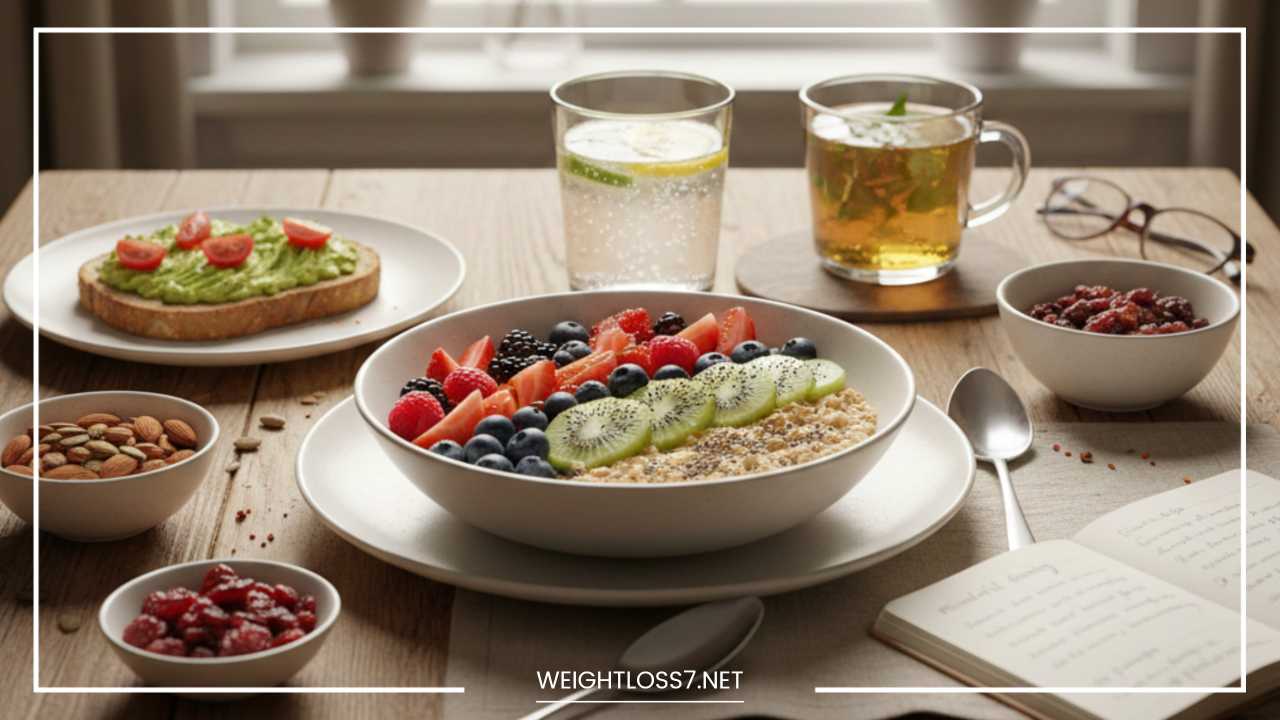
Breakfast: A bowl of rolled oats cooked with water or a dairy-free alternative, topped with a handful of berries, a tablespoon of ground flaxseed, and a sprinkle of nuts. This meal is rich in complex carbs, fiber, and healthy fats to start your day with sustained energy.
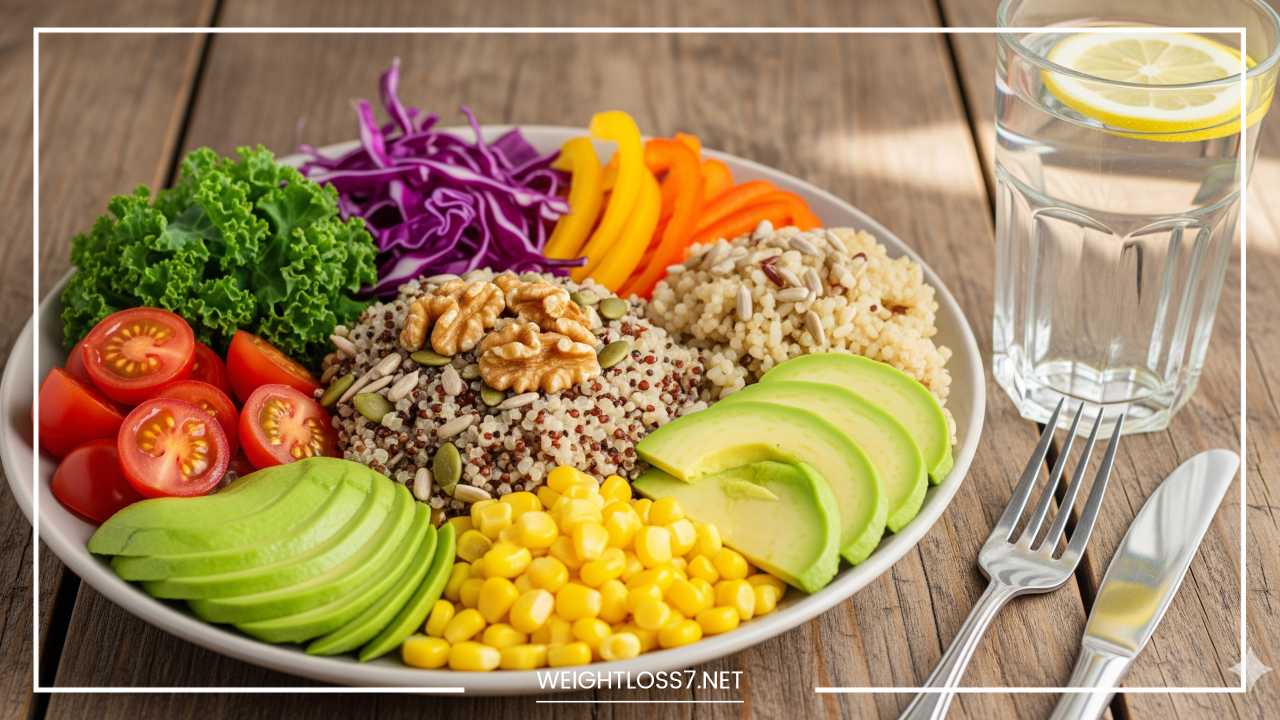
Lunch: A large salad with a base of mixed greens. Add chickpeas, sliced cucumber, cherry tomatoes, bell peppers, and a sprinkle of pumpkin seeds. Dress with a simple vinaigrette made from olive oil and lemon juice. This meal is low in calories but high in volume, fiber, and protein to keep you full and satisfied.
Dinner: A stir-fry featuring a generous portion of firm tofu. Sauté the tofu with a variety of vegetables like broccoli, snow peas, and carrots in a light soy sauce and ginger dressing. Serve alongside a half-cup of brown rice. This meal provides a great source of protein and essential nutrients.
Snacks: One snack could be an apple with a tablespoon of almond butter, providing a good balance of fiber and healthy fats. Another option could be a small container of Greek yogurt with a few walnuts. These snacks are designed to be filling and prevent overeating at your next meal.
Tips for Staying Motivated and On Track
Losing weight is a journey with ups and downs, so having a plan to stay motivated is crucial. Start by setting achievable goals. Instead of aiming to lose 20 pounds in a month, focus on a more realistic target like 1-2 pounds per week. Celebrate small victories, like hitting your daily water goal or consistently working out three times a week. This positive reinforcement can keep you engaged and committed.
Tracking progress is another powerful tool. This doesn’t just mean stepping on the scale. Consider taking measurements, taking progress photos, or simply noting how your clothes are fitting differently. Sometimes, the scale might not move, but your body composition is changing, and acknowledging these non-scale victories can be incredibly motivating.
Most importantly, focus on building sustainable habits. The diet should be a part of your life, not a temporary punishment. Find healthy foods and recipes you genuinely enjoy. Instead of forcing yourself to go to the gym, find a form of physical activity you love, whether it’s hiking, dancing, or playing a sport. These small, sustainable changes are what will lead to long-term success.
When to Seek Professional Advice
While this guide provides general principles for quick weight loss, it’s not a substitute for professional medical advice. Recognizing when to talk to a dietitian or healthcare provider is an important step. If you have a pre-existing medical condition, are on specific medications, or have a significant amount of weight to lose, a professional can provide a personalized plan that is safe and effective for you.
Every individual has unique needs, and what works for one person may not work for another. A registered dietitian can help you understand your body’s specific requirements and create a tailored meal plan. A healthcare provider can rule out any underlying health issues that might be hindering your weight loss efforts. Investing in professional guidance can ensure your journey is healthy, safe, and tailored to your specific situation.
Final Thoughts
Losing weight quickly is an ambitious but achievable goal when approached with the right mindset and strategy. The most effective diet isn’t about extreme restrictions or deprivation but about building a foundation of healthy habits. By focusing on a calorie deficit, prioritizing nutrient-dense whole foods, staying hydrated, and incorporating physical activity, you can create a powerful formula for success. Remember to be patient with yourself, celebrate every step forward, and focus on building a healthier, happier you for the long term. The journey might be challenging, but the benefits of a healthier lifestyle are truly priceless.