Is Weight Loss Good for You?


Is Weight Loss Always Good for You?
For decades, public health messages, wellness culture, and media narratives have often treated weight loss as a universal shortcut to better health. When people hear that someone has shed pounds, the immediate assumption is frequently that they have become fitter, healthier, and more energetic. At the same time, modern culture places heavy emphasis on body weight, athletic aesthetics, and outward appearance, turning the bathroom scale into a regular measure of personal discipline and self-worth.
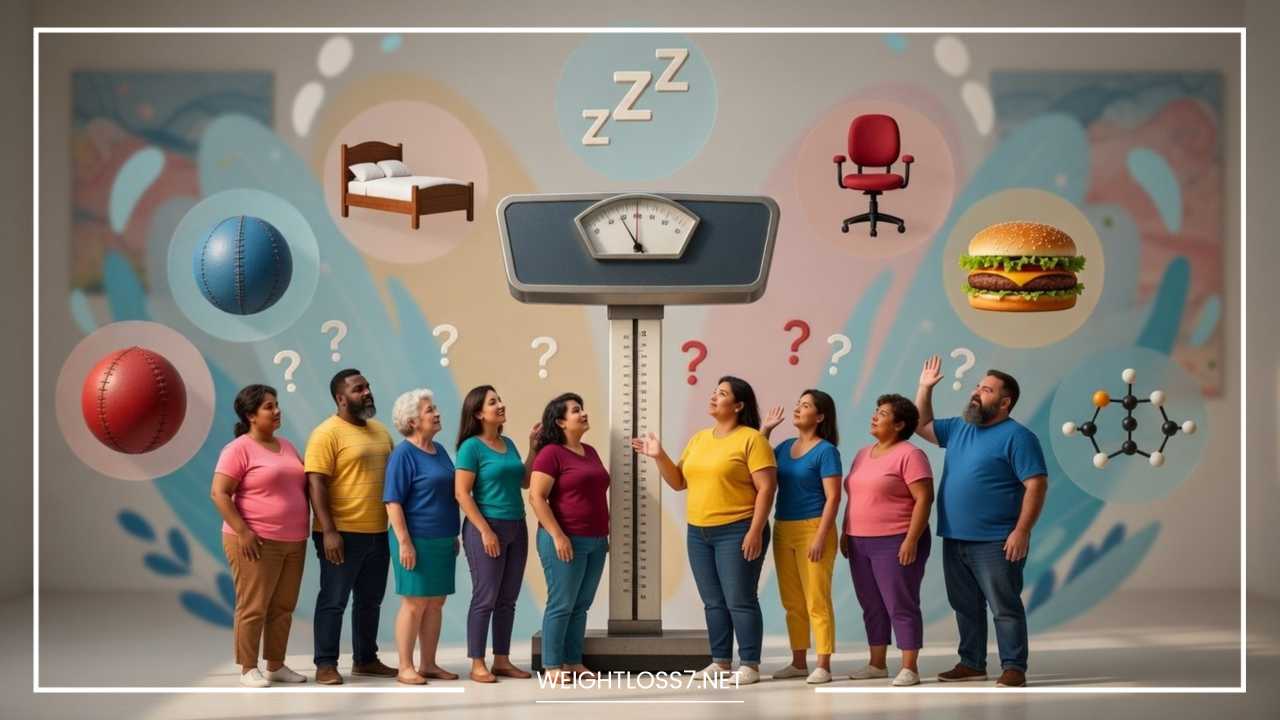
Yet health is far more nuanced than a single number on a scale. Losing weight does not automatically mean becoming healthier, and gaining or maintaining weight does not automatically mean becoming unwell. Whether weight loss is beneficial depends heavily on an individual’s starting point, existing medical conditions, body composition, daily habits, and the methods used to lose weight. For some people, targeted weight reduction brings measurable relief and long-term protection; for others, pursuing weight loss can be unnecessary, counterproductive, or even harmful. Understanding your own health needs—rather than chasing weight loss by default—is essential. In this article, we will examine what weight loss actually involves, where it offers genuine medical advantages, when it can pose risks, and how to decide if it is the right goal for you.
Understanding Weight Loss and Its Impact on Health
At its most basic level, weight loss simply means a reduction in total body mass over time. That reduction happens when energy expenditure exceeds energy intake, prompting the body to draw on stored energy reserves and other tissues. However, total body weight is made up of multiple components, and a drop on the scale does not tell you what kind of tissue was lost.
An important starting point is the distinction between intentional and unintentional weight loss. Intentional weight loss occurs through deliberate adjustments to eating habits, physical activity, or medical care. Unintentional weight loss happens without planned changes to diet or exercise and can sometimes be an early sign of an underlying medical condition, chronic stress, medication side effects, or nutritional malabsorption that warrants prompt evaluation by a healthcare professional.
Just as critical is the difference between losing body fat, muscle mass, and water weight. Rapid shifts early in a new routine often reflect changes in glycogen stores and water balance rather than lasting reductions in body fat. Meanwhile, losing skeletal muscle reduces physical strength, lowers resting energy expenditure, and can leave a person feeling weaker even as their weight declines.
Because of these distinctions, body weight alone cannot capture overall health. Body mass index (BMI), which calculates weight relative to height, is widely used as a quick screening tool in population research, yet it cannot distinguish fat from muscle or bone, nor can it show where fat is stored. Two people with the same BMI can have vastly different body composition, cardiorespiratory fitness, and metabolic health. Evaluating markers such as blood pressure, blood sugar regulation, lipid profiles, and waist circumference—alongside how someone feels and functions day to day—provides a much clearer picture than weight or BMI alone.
Potential Health Benefits of Weight Loss
When weight loss is appropriate for an individual—particularly for those living with excess body fat alongside metabolic strain, joint stress, or weight-related health conditions—even modest reductions of around five to ten percent of body weight can yield meaningful physiological improvements. Rather than requiring extreme transformation, steady and well-supported weight loss can ease strain across several body systems.
Improved Heart Health
Carrying excess weight, especially around the midsection, can place extra workload on the heart and blood vessels over time. For people who have elevated blood pressure or unfavourable blood lipid levels, losing excess weight can help lower systolic and diastolic blood pressure readings. It can also support healthier triglyceride levels and modestly improve cholesterol profiles, reducing strain on the cardiovascular system. In individuals at elevated cardiometabolic risk, these combined changes can contribute to a lower long-term risk of heart disease, provided they are paired with heart-supportive habits such as regular movement and nutrient-dense eating.
Better Blood Sugar Control
Excess adipose tissue—particularly visceral fat surrounding internal organs—is closely linked to insulin resistance, a state in which the body’s cells respond less efficiently to insulin. For people with excess weight who are at risk of developing type 2 diabetes, losing weight can improve insulin sensitivity and help keep blood glucose levels within a healthier range, lowering the likelihood of progression to diabetes. For individuals already managing type 2 diabetes or prediabetes, clinically supported weight loss can sometimes improve blood sugar stability, reduce reliance on certain medications under medical supervision, and support broader metabolic resilience.
Improved Joint Health and Mobility
Weight-bearing joints such as the knees, hips, and lower back absorb substantial mechanical force during everyday movement. Even small amounts of weight loss can noticeably reduce the compressive load placed on these joints with each step. For people experiencing stiffness, aching, or osteoarthritis-related discomfort linked to excess joint load, lightening that burden can ease daily pain and improve physical mobility. Moving more comfortably often makes it easier to stay active, creating a positive cycle for joint care and function.
Better Sleep Quality
Excess weight around the neck and upper airway can contribute to airway narrowing during sleep, increasing the risk or severity of obstructive sleep apnea. For individuals affected by weight-related sleep-disordered breathing, losing excess weight can help reduce nighttime airway collapse, ease snoring and breathing interruptions, and improve sleep continuity. Better rest during the night often translates into less daytime sleepiness, sharper concentration, and steadier mood during waking hours.
Improved Physical Fitness and Energy
Many people pursue weight loss hoping to feel lighter, less winded, and more capable in daily life. When excess weight has been limiting stamina or making routine tasks feel taxing, losing excess mass—especially while preserving muscle—can make walking up stairs, carrying groceries, or playing with family feel noticeably easier. Improved endurance and mobility frequently encourage greater participation in recreational sports and outdoor activities, reinforcing physical vitality over time.
When Weight Loss May Not Be Good for You
Despite its reputation as a cure-all, weight loss is not automatically healthy for everyone. When someone is already at a healthy or low body weight, losing further weight can strip away protective energy reserves and vital tissue without offering health benefits. In fact, being underweight or losing weight when already lean can increase vulnerability to fatigue, dizziness, impaired immune function, and slower recovery from illness.
Unintentional weight loss deserves special attention because it can signal an underlying health issue rather than a wellness success. Changes in thyroid function, gastrointestinal disorders, chronic infections, mental health strain, or other medical conditions can cause unexpected weight drops and should be checked by a clinician rather than celebrated blindly.
Aggressive dieting and severe calorie restriction also carry substantial risks. Cutting calories too sharply makes it difficult to meet daily needs for essential vitamins, minerals, and protein, raising the risk of nutritional deficiencies such as iron deficiency or low vitamin B12. Inadequate energy intake can disrupt reproductive and thyroid hormones, leading to irregular or missed menstrual cycles, low libido, and persistent exhaustion. Over time, insufficient fuel and low intake of key nutrients like calcium, vitamin D, and protein can contribute to weakened bones and higher fracture risk.
Another major concern is weight cycling—the repeated pattern of losing weight through strict restriction and regaining it later. Frequent cycles of loss and regain can take a toll on mood, body confidence, and metabolic regulation, often leaving individuals feeling frustrated and caught in a stressful cycle. For all these reasons, weight loss should never be treated as a universal health goal for every body.
Healthy Weight Loss vs. Unhealthy Weight Loss
How weight is lost matters just as much as the change on the scale. Two people can lose the exact same number of kilograms or pounds yet experience completely different effects on their strength, energy, metabolism, and long-term health depending on their approach.
| Healthy weight loss | Unhealthy weight loss |
| Gradual and sustainable | Rapid and extreme |
| Balanced nutrition | Severe calorie restriction |
| Preserves muscle mass | Significant muscle loss |
| Includes physical activity | Excessive exercise |
| Supports overall well-being | Causes fatigue and weakness |
| Sustainable lifestyle habits | Short-term crash diets |
Crash diets and extreme cleanses promise rapid results, but they typically rely on unsustainable deprivation that depletes glycogen and water first, followed by muscle tissue and energy reserves. Severe restriction often triggers intense hunger, preoccupation with food, irritability, and rebound eating once the strict rules become too hard to maintain.
Protecting lean tissue is central to healthy weight management. Getting enough protein across the day, alongside a wide variety of essential micronutrients, gives the body the building blocks it needs to repair tissues, support immune function, and maintain metabolic health while in a mild energy deficit. Pairing nutritious eating with regular resistance or strength training sends a clear signal to the body to hold onto muscle rather than break it down. Ultimately, sustainable lifestyle changes—habits you can maintain for months and years without constant exhaustion—are far more effective and health-supportive than short-term extremes.
Does Everyone Need to Lose Weight?
No. Everyone does not need to lose weight, and assuming otherwise overlooks natural human diversity. Healthy weight ranges vary from person to person, and a weight that is healthy for one individual may not be realistic or necessary for another. Furthermore, body weight is only one piece of health; someone can have a higher body weight while maintaining healthy blood pressure, healthy blood sugar and lipid markers, good cardiorespiratory fitness, and strong daily functioning.
A wide range of factors shape where a person’s weight naturally settles and how easily it changes. Genetics play a substantial role in body build, fat distribution, appetite signals, and energy expenditure. Age brings gradual shifts in muscle mass and metabolism, while biological sex influences hormone profiles, body fat distribution, and bone density. Medical history, sleep quality, stress levels, and medications can also strongly affect weight.
Because of this complexity, thoughtful healthcare professionals look well beyond BMI alone, evaluating clinical labs, blood pressure, family history, symptoms, and lifestyle habits together. Setting individualised health goals—focused on feeling well, building stamina, and caring for key health markers—respects each person’s unique biology instead of holding everyone to a single standard.
The Role of Diet and Nutrition in Healthy Weight Management
Nutrition plays a foundational role in supporting health and managing weight sustainably, provided it is grounded in balance rather than fear or extreme rules. A varied diet supplies the body with macronutrients and micronutrients that keep energy steady and organs functioning smoothly. Protein supports tissue repair and satiety; complex carbohydrates provide accessible fuel for the brain and active muscles; and healthy fats aid hormone production, cell structure, and the absorption of fat-soluble vitamins.
Building meals around vegetables, fruits, whole grains, legumes, nuts, seeds, and quality protein sources naturally boosts fibre and micronutrient density. Fibre-rich foods add volume and slow digestion, helping you feel satisfied after meals without relying on rigid deprivation. Paying gentle attention to portion sizes and hunger or fullness cues allows you to adjust intake thoughtfully while still enjoying favourite cultural and everyday foods.
Staying well hydrated supports digestion, physical performance, and appetite awareness, as mild dehydration is sometimes mistaken for hunger. Conversely, fad diets and unnecessary elimination of entire food groups often backfire by creating nutritional gaps, social friction, and strong cravings. Developing steady, flexible eating habits that fit your preferences, budget, and schedule is what makes healthy nutrition last.
Exercise and Physical Activity: More Than Just Burning Calories
Viewing exercise solely as a tool to burn calories misses much of its value. Regular physical activity benefits the body in ways that extend far beyond weight change, strengthening systems that protect long-term health regardless of what the scale reads.
Cardiovascular exercise—such as brisk walking, cycling, swimming, or dancing—trains the heart and lungs, improves circulation, and enhances stamina. Strength training builds and preserves muscle mass, supports bone mineral density, and helps maintain functional strength for lifting, carrying, and staying independent as you age. Activities and routines that build flexibility, balance, and mobility keep joints moving smoothly and reduce the risk of falls and everyday strains.
Movement also has profound effects on mental well-being, helping ease stress, lift mood, improve sleep quality, and clear mental fog. Crucially, physical activity delivers cardiovascular, metabolic, and psychological benefits even when body weight stays completely unchanged. Fitness and weight are distinct qualities, and becoming more active is worthwhile even without a drop on the scale.
Mental Health and the Psychological Effects of Weight Loss
Decisions about weight and dieting rarely happen in a vacuum; they are deeply intertwined with body image, self-perception, and emotional well-being. For some people whose daily comfort or confidence has been weighed down by physical limitations or health worries, reaching a healthier state through supportive habits can bring genuine relief and a boost in self-assurance.
At the same time, weight stigma—bias or judgment based on body size—and narrow, unrealistic body ideals can cause real psychological harm. Constant pressure to shrink one’s body can fuel shame, anxiety, and preoccupation with appearance. Strict dieting and rigid food rules often add emotional stress, turning everyday meals into a source of guilt or tension and increasing the risk of disordered eating patterns or an unhealthy relationship with food.
True health includes psychological ease and emotional resilience. Any plan involving weight or body changes should protect mental well-being, encourage self-compassion, and avoid sacrificing peace of mind for a number on a scale.
How to Know Whether Weight Loss Is Right for You
Deciding whether weight loss makes sense for you starts with looking at your overall health and quality of life rather than focusing solely on appearance. Useful indicators include waist circumference—which offers insight into central fat distribution—alongside clinical measures such as blood pressure, fasting blood sugar or HbA1c, and blood cholesterol and triglycerides. Paying attention to practical signs like energy levels, sleep quality, joint comfort, and stamina during daily activities is equally informative.
If you have weight-related health concerns, family history of metabolic or cardiovascular conditions, or uncertainty about what changes would actually help you, talking with a qualified healthcare professional is one of the smartest steps you can take. They can help interpret your health markers in context and recommend safe, tailored priorities. And if you ever notice unexplained or rapid weight loss—especially alongside fatigue, digestive changes, pain, or other new symptoms—seek medical evaluation promptly rather than assuming it is a harmless bonus.
Final Thoughts: Is Weight Loss Good for You?
So, is weight loss good for you? The honest answer is that it depends. For people carrying excess weight that strains their heart, blood sugar, joints, sleep, or daily mobility, gradual and well-supported weight loss can provide meaningful health benefits. For others—including those already at a healthy or low weight, those experiencing unintentional weight loss, or those tempted by extreme restriction—weight loss may be unnecessary or harmful.
Losing weight is not an automatic guarantee of better health, nor is a smaller body always a healthier one. Lasting well-being rests on sustainable habits, preserving muscle and bone strength, nourishing your body with balanced food, staying active, and safeguarding your mental health. Ultimately, the goal should be better health and a fuller life—not simply a lower number on the weighing scale.
Frequently Asked Questions About Weight Loss and Health
Is losing weight always good for your health?
No, losing weight is not always beneficial for your health. While modest, gradual weight loss can lower blood pressure, improve blood sugar control, and ease joint strain for people with weight-related health risks, losing weight when you are already at a healthy or low body weight can lead to fatigue, nutrient deficiencies, and muscle loss. True health depends on body composition, metabolic markers, and daily habits rather than a lower number on the scale alone.
How much weight loss is needed to see health benefits?
Research shows that losing just 5 to 10 percent of your total body weight can produce meaningful health improvements if you carry excess weight. Even this modest reduction can help improve insulin sensitivity, lower systolic and diastolic blood pressure, improve cholesterol and triglyceride levels, and reduce mechanical stress on weight-bearing joints like the knees and hips.
Can you be healthy without losing weight?
Yes, you can improve your health significantly without losing weight. Regular cardiovascular exercise, strength training, balanced nutrition, quality sleep, and stress management can improve blood sugar regulation, heart fitness, muscle strength, and mental well-being even when body weight remains unchanged.
What are the signs of unhealthy weight loss?
Unhealthy weight loss often involves rapid drops on the scale driven by extreme calorie restriction, skipping meals, or excessive exercise. Common warning signs include constant fatigue, dizziness, hair thinning, feeling cold easily, irritability, loss of muscle strength, irregular menstrual cycles, and intense preoccupation with food.
Why is unintentional weight loss dangerous?
Unintentional weight loss—losing weight without changing your diet or physical activity—can be an early sign of an underlying medical issue. Possible causes include thyroid imbalances, digestive or malabsorption conditions, chronic infections, unmanaged diabetes, medication side effects, or mental health strain. Any unexplained weight loss of more than 5 percent of your body weight over six to twelve months should be evaluated by a doctor.
How do I lose body fat without losing muscle mass?
To lose body fat while preserving lean muscle mass, aim for a gentle calorie deficit rather than a crash diet, eat adequate protein spread throughout the day, and perform regular strength or resistance training at least two to three times per week. Getting sufficient sleep and avoiding extreme overtraining also help protect muscle tissue.
Is BMI an accurate measure of whether I need to lose weight?
Body mass index (BMI) is only a basic screening tool and cannot accurately measure your individual health on its own. Because BMI only compares total weight to height, it cannot distinguish between body fat and muscle mass or show where fat is stored. Doctors typically evaluate BMI alongside waist circumference, blood pressure, blood sugar, cholesterol levels, and family medical history.
How do I know if weight loss is right for me?
Weight loss may be worth considering if you have excess abdominal weight alongside health concerns such as elevated blood pressure, prediabetes, type 2 diabetes, high triglycerides, sleep apnea, or joint pain. Consulting a healthcare professional can help you review your lab results, assess your overall health, and set safe, realistic goals tailored to your body.