Getting Fit and Losing Weight


Getting Fit and Losing Weight: A Complete Guide to Diet, Exercise, and Healthy Habits
Understanding Fitness and Weight Loss
Getting fit and losing weight are among the most common health goals people pursue, yet they are often misunderstood or treated as identical objectives. While the two frequently go hand in hand, losing weight and becoming physically fit represent distinct physiological processes. Weight loss simply refers to a reduction in total body mass, which can come from body fat, muscle tissue, or water. Physical fitness, on the other hand, encompasses cardiovascular endurance, muscular strength, flexibility, mobility, and overall metabolic health. You can lose weight through severe calorie restriction without becoming fit, and you can improve your cardiovascular health and strength without seeing a dramatic drop on the weighing scale.
Recognizing this distinction changes how you approach your health. Crash diets, extreme detoxes, and punishing workout regimens often promise rapid transformations, yet they rarely deliver lasting results. When you deprive your body of essential nutrients or push beyond your capacity to recover, your metabolism slows down, hunger hormones surge, and burnout becomes almost inevitable. Sustainable progress comes from building repeatable daily habits rather than chasing quick fixes. By combining balanced nutrition, structured physical activity, restorative sleep, and consistent lifestyle choices, you create a foundation that supports both healthy weight management and lifelong vitality.
Understanding the Basics of Weight Loss
To manage your body weight effectively, it helps to understand the fundamental biology behind how energy is stored and expended. At its core, weight regulation revolves around energy balance—the relationship between the calories you consume through food and beverages and the calories your body burns through basic physiological functions and physical movement. When you consistently consume fewer calories than your body expends, you create a calorie deficit. Over time, this deficit prompts your body to tap into stored energy reserves, primarily body fat, to make up for the energy shortfall.
Your total daily energy expenditure consists of several components: your basal metabolic rate (the energy required to keep your heart beating, lungs breathing, and organs functioning at rest), the thermic effect of food (the calories burned digesting and processing nutrients), non-exercise activity thermogenesis (daily movements like walking, fidgeting, and standing), and structured exercise. Because genetics, age, sex, body composition, hormonal health, and sleep quality all influence these factors, everyone’s weight loss journey unfolds at a unique pace.
Furthermore, not all weight lost on the scale reflects true progress. Rapid drops in weight during the first few days of a new diet are almost always due to fluctuations in water weight and stored carbohydrates, known as glycogen. Without adequate protein intake and resistance exercise, a steep calorie deficit can also cause your body to break down valuable muscle tissue alongside fat. True, sustainable transformation focuses on maximizing fat loss while preserving or building lean muscle mass, which keeps your metabolism robust and supports physical strength.
Setting Realistic Fitness and Weight Loss Goals
Embarking on a health journey without clear direction often leads to frustration, while setting overly ambitious deadlines sets you up for disappointment. Effective goal setting begins with an honest assessment of your current lifestyle, schedule, physical baseline, and medical history. Rather than aiming to overhaul every habit overnight, establish both short-term process goals and long-term outcome goals. Process goals focus on actionable behaviors within your immediate control—such as cooking dinner at home four nights a week, walking for thirty minutes every morning, or drinking water instead of soda. Outcome goals represent the broader milestones you work toward over several months, such as reducing your waist circumference, running a five-kilometer race, or improving your stamina.
When weight reduction is part of your plan, gradual progress is overwhelmingly more sustainable than rapid loss. Losing roughly half a pound to two pounds per week allows your body to adapt without triggering severe hunger, fatigue, or muscle loss. Just as importantly, avoid relying solely on the bathroom scale to measure success. Body weight fluctuates daily due to hydration, sodium intake, digestion, and hormonal shifts. Pay close attention to non-scale indicators of fitness, including increased daily energy, deeper sleep, improved mood, greater flexibility, heavier weights lifted during workouts, and the ability to climb stairs or walk briskly without becoming winded.
Building a Healthy and Balanced Diet
Nutrition serves as the cornerstone of sustainable weight management and physical performance. Rather than viewing food merely as calories to be restricted, approach your meals as fuel that nourishes your tissues, regulates your appetite, and powers your workouts. A balanced diet prioritizes nutrient-dense whole foods that provide high satiety and essential micronutrients without excessive energy density.
Protein plays a particularly vital role when you are trying to get fit and lose weight. Including lean protein sources—such as poultry, fish, eggs, tofu, legumes, Greek yogurt, and cottage cheese—in every meal helps preserve lean muscle mass during a calorie deficit. Protein also requires more energy to digest than fats or carbohydrates and triggers hormones that promote fullness, naturally curbing cravings between meals.
Alongside protein, build your meals around plenty of colorful fruits and vegetables. Non-starchy vegetables like leafy greens, broccoli, bell peppers, zucchini, and cauliflower add volume and fiber to your plate for very few calories, helping you feel physically full while supplying essential vitamins, minerals, and antioxidants. Fruits offer natural sweetness, hydration, and dietary fiber that supports healthy digestion and steady blood sugar.
Carbohydrates and fats are equally important when chosen thoughtfully. Opt for whole grains and complex carbohydrates—such as oats, quinoa, brown rice, sweet potatoes, and whole-grain bread—which digest slowly and provide sustained energy for daily activities and exercise. Include moderate portions of healthy unsaturated fats from avocados, nuts, seeds, olive oil, and fatty fish to support hormone production, brain function, and nutrient absorption.
Practicing mindful portion control allows you to enjoy a wide variety of foods without feeling deprived. Simple strategies, such as using smaller plates, eating slowly without digital distractions, and stopping when you feel comfortably satisfied rather than overly full, prevent unintentional overeating. Staying well-hydrated by drinking water consistently throughout the day also supports metabolism, aids digestion, and prevents mistaking thirst for hunger. At the same time, gradually reduce your intake of ultra-processed snacks, fried foods, pastries, and sugary beverages, which deliver high calories with minimal nutritional value. Highly restrictive diets that ban entire food groups are rarely sustainable; flexibility and moderation create an eating pattern you can maintain for life.
Best Exercises for Getting Fit and Losing Weight
Regular physical activity accelerates fat loss, strengthens your cardiovascular system, builds resilient muscles, and elevates your mood. The most effective fitness programs incorporate a variety of movement styles, as each form of exercise offers unique physiological benefits that complement one another.
Cardiovascular exercise, commonly known as cardio, elevates your heart rate and improves the efficiency of your heart, lungs, and circulatory system. Accessible activities like brisk walking, jogging, cycling, swimming, and dancing burn calories during the session while enhancing stamina and endurance. Walking is especially underrated for beginners and experienced exercisers alike; it places minimal stress on the joints, requires no special equipment, and can be performed consistently without causing excessive fatigue or hunger.
Strength training, or resistance exercise, is equally essential for transforming your body composition and improving overall fitness. Lifting weights, using resistance bands, or performing bodyweight movements such as squats, lunges, push-ups, rows, and planks stimulates muscle growth and strengthens bones and connective tissues. Because muscle tissue is metabolically active, maintaining and building muscle supports a healthy resting metabolic rate and gives your body strength, stability, and tone as you lose fat.
High-intensity interval training (HIIT) involves alternating short bursts of near-maximal effort with brief periods of rest or low-intensity movement. Workouts might include sprint intervals, kettlebell swings, or fast-paced bodyweight circuits. HIIT is time-efficient and delivers strong cardiovascular conditioning in twenty to thirty minutes. However, because it places significant stress on the nervous system and joints, it is best used sparingly—one or two times per week—and introduced gradually after building a foundational fitness base.
Flexibility and mobility exercises, including yoga, dynamic warm-ups, and dedicated stretching routines, round out a complete fitness program. Improving joint range of motion and relieving muscular tension reduces your risk of injury, enhances posture, and speeds up recovery between harder workouts. Combining cardio, strength training, and mobility work ensures that you not only burn calories and lose weight, but also build a capable, pain-free, and well-rounded body.
Creating an Effective Weekly Workout Routine
A well-structured workout routine removes guesswork and helps you stay consistent without overtraining. If you are new to structured exercise or returning after a long break, start conservatively. Beginning with three to four moderate sessions per week allows your muscles, tendons, and cardiovascular system to adapt safely while minimizing severe soreness or burnout.
Balancing different training modalities across the week ensures steady progress while giving specific muscle groups adequate time to repair. Pairing strength training days with moderate cardio and active recovery prevents fatigue from accumulating. Rest days are not a sign of laziness; they are an essential physiological requirement. During rest, your body repairs microscopic muscle fibers, replenishes energy stores, and adapts to become stronger and fitter.
As your endurance and strength improve over several weeks, apply the principle of progressive overload by gradually increasing the challenge. You can do this by walking slightly faster or farther, adding a few extra repetitions to your bodyweight exercises, lifting slightly heavier weights, or reducing rest intervals between sets. Choose activities you genuinely enjoy—whether that is swimming laps, hiking outdoors, taking a dance class, or lifting weights—because enjoyment is the strongest predictor of long-term adherence.
| Day | Workout |
| Monday | 30-minute brisk walk |
| Tuesday | Full-body strength training |
| Wednesday | Cycling or swimming |
| Thursday | Yoga and stretching |
| Friday | Strength training |
| Saturday | Walking or light cardio |
| Sunday | Rest and recovery |
The Importance of Daily Habits and Lifestyle Changes
What you do during the twenty-three hours outside of your formal workouts has an enormous impact on your weight and overall health. Modern lifestyles often involve prolonged periods of sitting at desks, in cars, and on couches, which reduces daily energy expenditure and contributes to stiffness and metabolic sluggishness. Increasing your general daily movement—often referred to as non-exercise activity—can significantly boost your calorie burn without adding stress to your body. Simple habits like taking short walking breaks every hour, using stairs instead of elevators, parking farther from store entrances, doing household chores energetically, and taking an evening stroll after dinner add up meaningfully over weeks and months.
Quality sleep is another critical pillar of weight management and fitness. Consistently getting seven to nine hours of restorative sleep each night regulates key appetite hormones, keeping hunger-stimulating ghrelin in check and supporting fullness-signaling leptin. Sleep deprivation, by contrast, impairs insulin sensitivity, increases cravings for high-sugar and high-fat foods, reduces workout performance, and slows physical recovery. Establishing a calming bedtime routine, keeping your bedroom cool and dark, and maintaining consistent sleep and wake times support deeper rest.
Chronic stress also interferes with fitness and weight loss by elevating cortisol levels, which can encourage abdominal fat storage, disrupt sleep, and trigger emotional eating. Incorporating practical stress-management techniques—such as deep breathing exercises, journaling, spending time in nature, limiting late-night screen exposure, or practicing mindfulness—helps keep your nervous system balanced. Maintaining predictable meal times and regular workout appointments further anchors these healthy behaviors into your everyday routine until they become second nature.
Common Weight Loss Mistakes to Avoid
Even motivated individuals often stall or abandon their efforts because of common, avoidable missteps. Recognizing these pitfalls early helps you navigate your journey with greater confidence and patience.
-
Skipping meals or following extreme diets: Severely slashing calories or skipping meals often backfires by triggering intense hunger, nutrient deficiencies, fatigue, and eventual overeating later in the day or week.
-
Exercising excessively without adequate recovery: Training intensely every single day without rest leads to chronic fatigue, elevated stress hormones, stalled performance, and a higher risk of overuse injuries.
-
Expecting immediate results: Meaningful physiological changes take time. Expecting dramatic transformations within a few days or weeks creates unnecessary frustration when normal, gradual progress occurs.
-
Focusing only on the number on the weighing scale: Relying exclusively on scale weight ignores positive shifts in body composition, such as gaining lean muscle while losing fat, or temporary water retention from exercise and hydration.
-
Ignoring strength training: Focusing solely on cardio while neglecting resistance exercise can result in the loss of muscle mass alongside fat, leaving you feeling weaker and slowing your resting metabolism.
-
Consuming too many calories through beverages and snacks: Liquid calories from sweetened coffees, sodas, fruit juices, and alcohol, as well as mindless grazing on calorie-dense snacks, easily erase a calorie deficit without providing fullness.
-
Comparing personal progress with others: Genetics, starting points, schedules, and health histories vary widely. Comparing your timeline to someone else’s undermines your focus and appreciation for your own improvements.
-
Giving up after occasional setbacks: Treating a single indulgent meal, missed workout, or busy week as total failure turns a minor detour into complete abandonment.
Staying Motivated and Consistent on Your Fitness Journey
Motivation naturally fluctuates; it is rarely high every single day. Relying purely on bursts of inspiration makes it difficult to sustain healthy habits when work gets busy, energy dips, or progress temporarily slows. The key to lasting transformation is building systems that foster consistency even when motivation feels low.
Breaking ambitious long-term goals into smaller, manageable milestones keeps your focus sharp and gives you frequent opportunities to experience success. Instead of fixating on losing forty pounds, focus on completing all three planned workouts this week or preparing nutritious lunches for the next five days. Keeping a simple workout and food journal builds self-awareness, highlights patterns in your energy and hunger, and provides tangible proof of how far you have come.
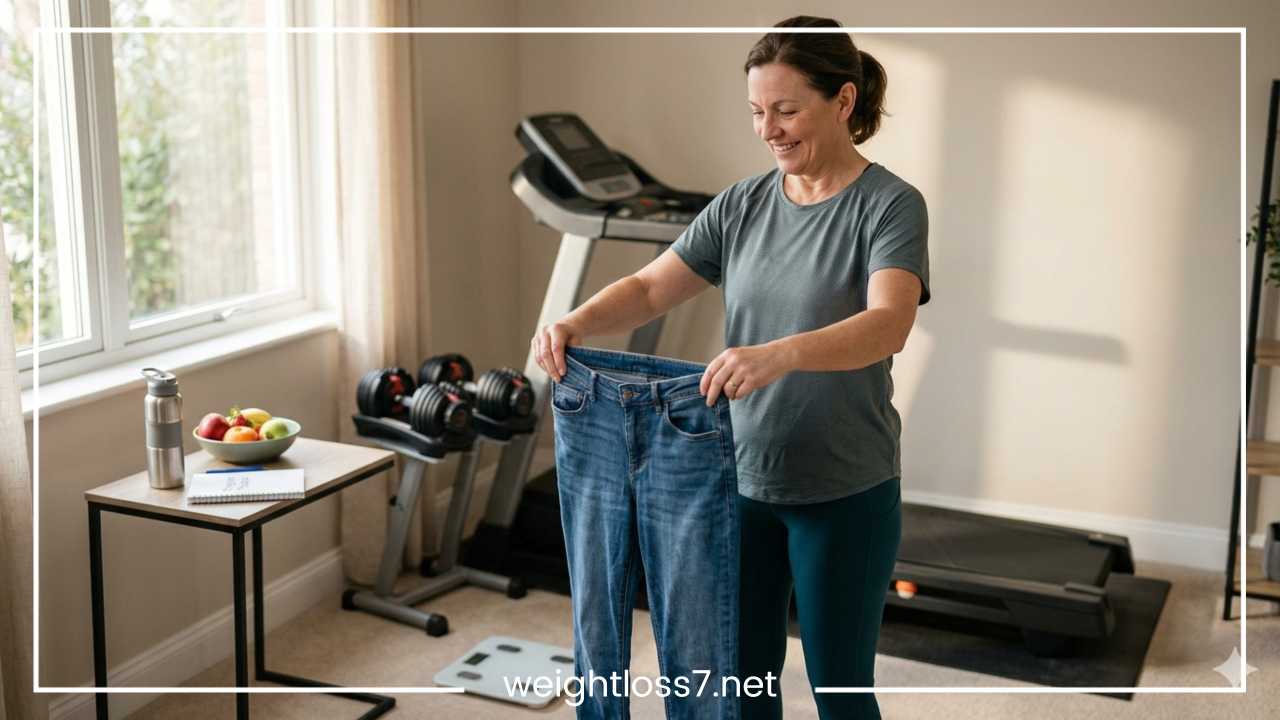
Celebrating non-scale victories reinforces positive behaviors and reminds you why your efforts matter. Notice when your clothes fit more comfortably, your posture improves, your resting heart rate drops, or you feel calmer and more energetic throughout the workday. Connecting with a workout partner, walking group, or supportive fitness community also provides accountability, encouragement, and shared enjoyment. Above all, remember that consistency matters far more than perfection. An imperfect workout or an unplanned meal never ruins your progress; simply return to your normal healthy routine at your very next meal or scheduled session.
Tracking Your Progress and Adjusting Your Plan
Monitoring your journey objectively allows you to see what is working and make informed adjustments when progress slows. If you choose to weigh yourself, do so under consistent conditions—such as once or twice a week in the morning after using the restroom and before eating—and pay attention to multi-week trends rather than isolated daily fluctuations.
Supplement scale readings with broader tracking methods to capture the full picture of your body composition and fitness. Taking monthly measurements of your waist, hips, chest, thighs, and arms with a flexible tape measure often reveals steady fat loss even when body weight temporarily plateaus. Progress photographs taken every four weeks in consistent lighting and clothing also highlight subtle visual changes in posture and muscle definition that you might miss in the mirror day to day.
Beyond physical measurements, track your athletic and lifestyle metrics. Record the weights you lift, the repetitions you complete, the distance or pace of your walks and runs, your daily step counts, your sleep duration, and your overall energy levels. As you lose weight and become fitter, your body naturally requires slightly fewer calories than it did at a heavier weight. If your progress stalls for three to four consecutive weeks despite consistent adherence, consider making small, measured adjustments—such as slightly reducing portion sizes of calorie-dense foods, adding ten minutes to your cardio sessions, or increasing your daily step target—rather than making drastic changes.
Maintaining Your Results and Building Long-Term Fitness
Reaching your initial weight loss or fitness milestone is an exciting achievement, yet the true measure of success lies in maintaining those results over the years ahead. Many people fall into the trap of viewing healthy eating and regular exercise as temporary measures, only to regain lost weight once they return to old habits. Transitioning smoothly from weight loss to weight maintenance requires a gradual shift in mindset and energy intake.
Once you reach a healthy, sustainable weight, slowly increase your daily food intake by adding modest portions of nutrient-dense carbohydrates, healthy fats, or protein until your weight stabilizes. Continue prioritizing whole foods, lean proteins, vegetables, and adequate hydration as the foundation of your diet while allowing room for occasional treats and social meals without guilt.
Maintaining regular physical activity—especially resistance training—remains vital during maintenance. Ongoing strength training preserves the lean muscle mass you worked hard to build, supports bone density, and keeps your metabolism resilient as you age. Keep exploring new physical challenges, whether that means learning a new sport, training for a charity walk or run, mastering a new yoga pose, or setting new strength goals. When fitness becomes a valued, enjoyable part of your identity rather than a temporary chore, you break free from the exhausting cycle of restrictive dieting and weight regain.
Final Thoughts: Make Fitness a Part of Your Lifestyle
Getting fit and losing weight does not require extreme deprivation, complicated supplements, or exhausting hours in the gym. Lasting transformation grows out of three interconnected pillars: nourishing your body with balanced, whole-food nutrition, engaging in regular cardiovascular, strength, and mobility exercise, and cultivating supportive daily habits around movement, sleep, and stress management.
Sustainable progress unfolds gradually, rewarding patience and steady effort far more than short-lived bursts of intensity. You do not need to change everything at once to see meaningful results. Begin today with small, realistic steps—take a brisk walk, add a serving of vegetables and lean protein to your next meal, drink an extra glass of water, or go to bed thirty minutes earlier. Over time, these simple choices compound into stronger muscles, higher energy, better health, and a level of fitness that enriches every aspect of your life.
Frequently Asked Questions About Getting Fit and Losing Weight
How can a beginner start working out and losing weight at home without equipment?
Beginners can start losing weight and building fitness at home by combining daily brisk walking with simple bodyweight exercises such as squats, wall push-ups, glute bridges, lunges, and planks. Aim for three 20-to-30-minute strength sessions per week alongside 30 minutes of daily walking, while focusing on whole foods, lean protein, and proper hydration.
How long does it take to see noticeable weight loss and fitness results?
Most people notice improvements in daily energy, sleep quality, and mood within two to three weeks of consistent exercise and balanced eating. Visible changes in body measurements, clothing fit, and physical strength typically appear after four to eight weeks of maintaining a moderate calorie deficit and regular workouts.
Should I do cardio or strength training first to lose belly fat and get toned?
Combining both cardio and strength training produces the best results for reducing overall body fat and building muscle definition. If you do both in the same session, performing strength training first allows you to lift with better form and energy, followed by moderate cardio to support cardiovascular endurance and calorie burn.
How many calories should I eat a day to lose weight safely without feeling hungry?
A safe and sustainable approach is reducing your daily intake by 300 to 500 calories below your maintenance level, which typically supports losing half a pound to one pound per week. Prioritizing high-protein foods, fiber-rich vegetables, whole grains, and plenty of water keeps you full and prevents energy crashes.
Why am I exercising and eating healthy but not losing weight on the scale?
Temporary weight plateaus often happen due to water retention from new workouts, increased muscle glycogen, high sodium intake, poor sleep, or hidden calories in beverages and cooking oils. Tracking waist measurements, progress photos, and strength gains alongside scale weight provides a clearer picture of fat loss.
Is walking 30 minutes a day enough to lose weight and improve overall fitness?
Walking briskly for 30 minutes a day burns extra calories, improves heart health, lowers stress, and boosts daily movement. Pairing daily walks with a balanced, calorie-controlled diet and two days of basic strength training per week significantly accelerates fat loss and builds full-body strength.
What is the best diet plan for beginners who want sustainable weight loss?
The best diet plan for sustainable weight loss is one built around nutrient-dense whole foods rather than strict food bans. Fill half your plate with non-starchy vegetables, a quarter with lean protein like chicken, fish, eggs, tofu, or lentils, and a quarter with complex carbohydrates like brown rice, oats, or sweet potatoes, along with small amounts of healthy fats.
How can I stay motivated to work out and eat healthy when I have a busy schedule?
Focus on simple, repeatable habits rather than perfection. Schedule short 20-to-30-minute workouts like appointments, prepare basic high-protein meals in advance, keep healthy snacks accessible, and track small weekly milestones to build momentum even on hectic days.