Weight Loss with Diet Only

Weight Loss with Diet Only: Slim Down Without the Gym
Can You Really Lose Weight Without Exercise?
The modern fitness landscape often paints a picture of weight loss that involves grueling hours at the gym, intense cardiovascular sessions, and expensive workout gear. For decades, the dominant narrative has suggested that shedding excess body fat requires a grueling physical regimen. This perspective leaves many people feeling discouraged, particularly those who face physical limitations, demanding work schedules, or a genuine dislike for traditional exercise environments.
The reality of human physiology is far more accommodating than popular fitness culture suggests. It is entirely possible to achieve meaningful, lasting weight loss through strategic dietary adjustments alone. While physical activity offers undeniable benefits for cardiovascular health, mobility, and psychological well-being, it is not the primary driver of fat loss.
At its core, body weight management is governed by the relationship between the energy you consume through food and drink and the energy your body expends to maintain basic physiological functions. When you modify your eating habits to align with your body’s actual energy requirements, weight loss becomes a natural outcome. You do not need to lift weights or run miles to alter your body composition.
This comprehensive guide explores the structural mechanics of diet-focused weight loss. By understanding how your body utilizes energy, identifying nutrient-dense food sources, and establishing sustainable daily habits, you can take complete control of your health journey directly from your kitchen.
Understanding How Weight Loss Works
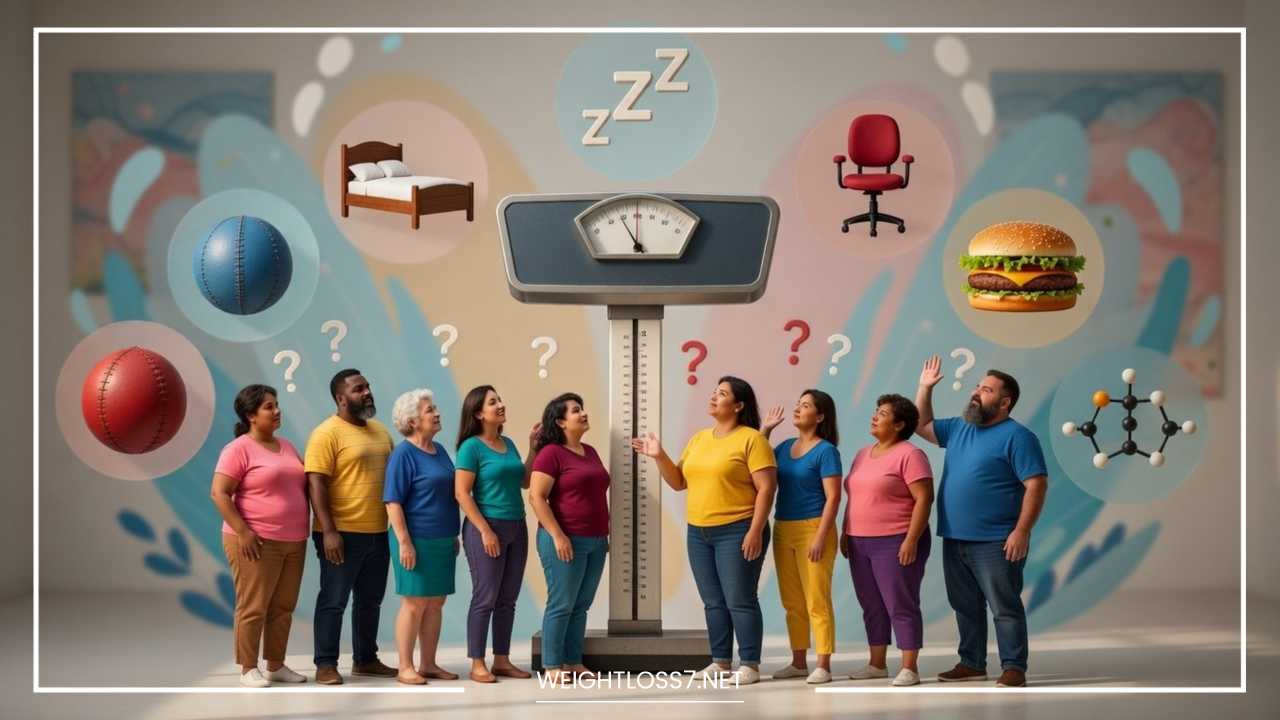
To successfully navigate a weight loss journey without exercise, you must understand the foundational principle of biological energy balance. Every function your body performs—from the beating of your heart and the expansion of your lungs to cellular repair and cognitive processing—requires energy. This energy is measured in calories.
The concept of energy balance is often conceptualized as a scale:
-
Energy In: The total number of calories you consume through solid foods and liquids.
-
Energy Out: The total number of calories your body expends through metabolic processes and movement.
To reduce body weight, you must create a calorie deficit. A calorie deficit occurs when the energy you consume is less than the energy your body requires to maintain its current mass. When this shortfall happens, your body is forced to draw upon its stored energy reserves, which are primarily held in adipose tissue (body fat).
Your total daily energy expenditure is largely dictated by your Basal Metabolic Rate (BMR). This is the baseline number of calories your body burns simply staying alive in a resting state. For the average individual, BMR accounts for roughly 60% to 75% of total daily energy output. Another portion of energy is used up through the thermic effect of food (the energy required to digest and process nutrients).
Because your baseline metabolism consumes the vast majority of your daily calories, modifying the “Energy In” side of the equation via your diet is the most direct and efficient way to establish a deficit. Exercise can supplement this expenditure, but it is not the foundational requirement for fat loss.
Why Diet Has a Bigger Impact Than Most People Think
Many individuals overestimate the number of calories burned during physical exercise and underestimate the ease with which those calories can be replaced through food. This discrepancy is why dietary management is vastly more impactful for weight loss than physical training.
Consider the mathematical reality of energy expenditure versus intake. A vigorous 30-minute workout might burn between 250 and 400 calories, depending on an individual’s total body mass and effort level. This expenditure requires significant physical exertion, time, and recovery. In contrast, consuming a single commercially prepared muffin, a handful of chips, or a sweetened coffee beverage can easily introduce 400 to 500 calories into your system in less than five minutes.
| Activity/Food Item | Approximate Calorie Value | Time/Effort Required |
| Jogging (Moderate Pace) | Burns 350 calories | 30 minutes of high effort |
| Flavored Coffee Drink | Adds 400 calories | 5 minutes of consumption |
| Walking (Brisk Pace) | Burns 150 calories | 30 minutes of moderate effort |
| Glazed Pastry | Adds 300 calories | 3 minutes of consumption |
Attempting to out-exercise an unmanaged diet is a mathematical uphill battle. It is far simpler and less stressful to omit 500 calories from your daily intake by making informed nutritional adjustments than it is to intentionally burn 500 calories through continuous physical labor.
Focusing on food choices allows you to maintain consistency. Physical exercise can be disrupted by injury, fatigue, weather, or scheduling conflicts. Your diet, however, is a factor you manage every single day, regardless of external circumstances. By prioritizing nutritional structure over physical intensity, you establish a stable, controllable environment for weight loss.
Focus on Nutrient-Dense Foods
When lowering your overall caloric intake, the quality of the foods you choose becomes paramount. To lose weight comfortably without experiencing chronic hunger or nutritional deficiencies, your diet should emphasize nutrient-dense foods. These are items that provide a high concentration of vitamins, minerals, antioxidants, and macronutrients relative to their total calorie content.
Nutrient-dense foods generally possess a low caloric density, meaning they offer a large volume of food for very few calories. This volume is critical for triggering mechanical fullness stretch receptors in the stomach, which signal to the brain that you are satisfied.
Key Components of a Nutrient-Dense Food Strategy
-
Vegetables: Leafy greens (such as spinach and kale), cruciferous vegetables (including broccoli, cauliflower, and Brussels sprouts), and root vegetables provide essential micronutrients and hydration with minimal caloric impact.
-
Fruits: Berries, apples, citrus fruits, and melons offer natural sweetness alongside vital vitamins and moisture, making them excellent replacements for processed desserts.
-
Whole Grains: Oats, quinoa, brown rice, barley, and whole-wheat varieties retain their natural structure, delivering steady energy without rapid blood sugar spikes.
-
Legumes and Beans: Lentils, chickpeas, black beans, and kidney beans are exceptional dual-purpose foods, delivering structural substance alongside micronutrients.
-
Nuts and Seeds: Chia seeds, flaxseeds, walnuts, and almonds provide concentrated nutrition and healthy fats. Because they are calorically dense, they should be enjoyed in measured, deliberate portions.
-
Dairy Products: Plain yogurt, cottage cheese, and milk offer valuable calcium, vitamin D, and fluid volume that contribute to systemic satiety.
By shifting the bulk of your dietary intake toward these whole, unrefined options, you naturally lower your calorie consumption without having to drastically reduce the actual volume of food on your plate. This approach prevents the psychological distress often associated with tiny, unsatisfying portions.
Increase Protein Intake for Better Appetite Control
One of the most effective strategies for losing weight without physical exercise is increasing your daily protein intake. Protein plays a crucial role in regulating appetite, managing metabolic efficiency, and preserving structural integrity throughout the body.
Protein influences satiety by altering the hormones responsible for hunger signaling. Consuming adequate protein suppresses ghrelin (the hunger hormone) while stimulating the production of peptide YY and cholecystokinin, which are hormones that signal fullness to the brain. This biochemical response helps reduce spontaneous snacking and late-night cravings.
Furthermore, protein has a higher Thermic Effect of Food (TEF) compared to carbohydrates or fats. Your body expends roughly 20% to 30% of the energy consumed from protein simply breaking it down and processing it. Carbohydrates require only 5% to 15%, while fats require 0% to 3%. This means that a portion of the calories derived from protein are inherently burned off during digestion.
When you are in a calorie deficit, your body naturally looks for energy reserves. If your protein intake is insufficient, your system may break down lean muscle tissue alongside body fat. Preserving lean tissue is vital because muscle is metabolically active; it burns more calories at rest than fat tissue does. A higher protein intake helps shield your existing muscle mass during weight loss.
Accessible, Non-Meat Protein Options
To elevate your daily protein intake successfully, integrate a variety of structural components into your daily meals:
-
Lentils and Chickpeas: Highly versatile items that work beautifully in soups, stews, salads, and grain bowls.
-
Beans: Black beans, kidney beans, and pinto beans offer substantial bulk and protein for main dishes.
-
Cottage Cheese and Yogurt: Plain, low-fat, or Greek-style variations provide concentrated protein that can serve as a base for breakfast or a midday snack.
-
Tofu: This soy-based option readily absorbs flavors and can be baked, grilled, or stirred into various culinary preparations to elevate protein content.
-
Nuts and Seeds: Hemp seeds, pumpkin seeds, and almonds can be sprinkled onto meals to provide an extra layer of structural protein and healthy fats.
Eat More Fiber to Stay Full with Fewer Calories
Dietary fiber is an indispensable tool for anyone aiming to slim down without stepping foot in a gym. Fiber is the indigestible portion of plant foods. Because the human body lacks the enzymes required to break down fiber into absorbable sugars, it passes through the digestive tract without contributing significant calories to your daily total.
Fiber functions through two primary mechanisms to support weight loss:
-
Gastric Distension: Soluble fiber absorbs water as it moves through your digestive system, expanding into a gel-like substance. This slows the rate at which the stomach empties its contents into the small intestine, prolonging the sensation of fullness after a meal.
-
Blood Sugar Stabilization: By slowing down digestion, fiber moderates the absorption of glucose into the bloodstream. This prevents rapid spikes and subsequent crashes in blood sugar, which are notorious for causing sudden, intense cravings for refined carbohydrates.
To optimize your fiber intake, build your meals around whole food sources. Incorporate generous helpings of raspberries, apples, and pears into your morning routine. Ensure that lunch and dinner include substantial portions of broccoli, Brussels sprouts, carrots, or leafy greens.
Swap out refined white flour products for genuine whole grains like steel-cut oats, quinoa, and 100% whole-wheat options. Additionally, incorporating lentils and various beans into your weekly meal rotation ensures a consistent supply of both soluble and insoluble fiber, keeping your digestive system working efficiently and your appetite firmly under control.
Control Portions Without Feeling Deprived
Creating a calorie deficit does not require you to completely abandon your favorite recipes or adopt an obsessively restrictive lifestyle. Often, the difference between weight maintenance and weight loss lies entirely within portion sizes. Developing an awareness of physical portion scales allows you to enjoy a diverse array of foods while remaining within your target energy boundaries.
Implementing structural environmental adjustments can dramatically simplify portion control without triggering a sense of deprivation:
-
Utilize Smaller Dinnerware: Human visual perception heavily influences appetite. Serving a meal on a smaller plate tricks the brain into perceiving a larger, more satisfying abundance of food compared to the exact same portion served on an expansive plate.
-
Serve from the Kitchen Counter: Instead of placing large serving bowls directly on the dining table family-style, portion your meal onto your plate at the stove or counter. Removing easy visual and physical access to seconds reduces the likelihood of mindless overeating.
-
The Half-Plate Rule: When assembling a meal, aim to fill a minimum of half the plate with non-starchy vegetables or salad. This fills the plate visually and physically, ensuring you consume a large volume of fiber and moisture before engaging with more calorically dense components.
-
Practice Slow, Deliberate Eating: It takes approximately twenty minutes for the hormonal signals of satiety to travel from your digestive tract to your brain. Eating too quickly can result in consuming excess calories before your body has a chance to register that it is already full. Take time to chew completely and pause between bites.
-
Recognize True Satiety: Aim to conclude your meal when you are comfortably satisfied and no longer hungry, rather than waiting until you feel physically stuffed or heavy.
Reduce Liquid Calories
One of the most straightforward and friction-free ways to lower your daily calorie intake is to examine what you drink. Liquid calories are uniquely counterproductive to weight loss because they bypass the body’s natural satiety mechanisms.
When you consume solid food, the mechanical process of chewing combined with the time it takes for the stomach to process solid matter triggers fullness signals. Liquids, however, pass rapidly through the stomach into the intestines without requiring structural breakdown. As a result, you can easily consume hundreds of calories in a matter of minutes without experiencing any reduction in hunger or subsequent food intake.
Beverages to Limit or Avoid
-
Soft Drinks and Sodas: Regular sodas offer high amounts of added sugars with absolutely zero nutritional value.
-
Sweetened Coffee and Tea: Commercial lattes, mochas, and sweet teas are frequently loaded with syrups, sugars, and heavy creams, turning a zero-calorie bean or leaf extraction into the caloric equivalent of a full meal.
-
Energy and Sports Drinks: These beverages often contain substantial amounts of hidden sugars designed for prolonged athletic exertion, which are unnecessary for standard daily activities.
-
Excess Fruit Juices: Even 100% pure fruit juice lacks the beneficial structural fiber found in whole fruit, making it highly calorically dense and rapidly absorbed.
Hydration Substitutions
To optimize your fluid intake for weight loss, shift your primary consumption toward beverages that support hydration without adding to your daily calorie count.
-
Plain Water: The absolute baseline for health, keeping metabolic functions running smoothly.
-
Sparkling Water / Seltzer: Provides the enjoyable sensory experience of carbonation without added sugars or artificial additives.
-
Unsweetened Herbal, Green, or Black Teas: These can be consumed hot or cold, offering flavor variations and antioxidant properties without excess calories.
-
Black Coffee: Provides a natural metabolic lift and cognitive focus without the heavy calorie baggage of milk, sugar, or flavored syrups.
Prioritizing water not only eliminates unnecessary calories but also helps prevent thirst from being misinterpreted as hunger, a common mistake that leads to accidental overeating.
Cut Back on Highly Processed Foods
Highly processed foods are explicitly engineered to be hyper-palatable. This means they contain optimized combinations of refined sugars, processed fats, and sodium designed to override your body’s natural biological satiety signals. This optimization makes it incredibly easy to mindlessly consume massive quantities of these items without ever feeling truly full.
Processed items typically undergo extensive manufacturing that strips away beneficial structural elements like dietary fiber, water, and essential vitamins. What remains is a highly concentrated source of empty calories that are quickly absorbed by the body, leading to rapid fluctuations in blood sugar and energy levels.
Common examples of hyper-palatable, highly processed options include:
-
Potato chips, pretzels, and packaged snack mixes
-
Commercial cookies, cakes, pastries, and candies
-
Frozen fried foods and pre-packaged instant meals
-
Refined white breads, crackers, and sugary breakfast cereals
Eliminating these items entirely is rarely sustainable and often leads to a cycle of restriction and overindulgence. Instead, focus on systematic reduction and realistic moderation.
Begin by replacing processed snacks with whole-food alternatives: swap chips for crisp vegetables with hummus, or trade cookies for a piece of fresh fruit paired with a measured serving of nuts. When you do choose to enjoy a processed treat, consciously measure out a single portion rather than eating directly from the package, allowing you to appreciate the food without inadvertently derailing your calorie deficit.
Smart Meal Planning for Weight Loss
Losing weight successfully without exercise relies heavily on structural organization. When you don’t have a workout routine to boost your daily energy expenditure, managing your calorie intake requires a degree of consistency that is difficult to maintain through improvisation alone. Implementing a thoughtful meal planning strategy helps eliminate impulse decisions driven by hunger or fatigue.
Steps to Establish an Efficient Meal Plan
-
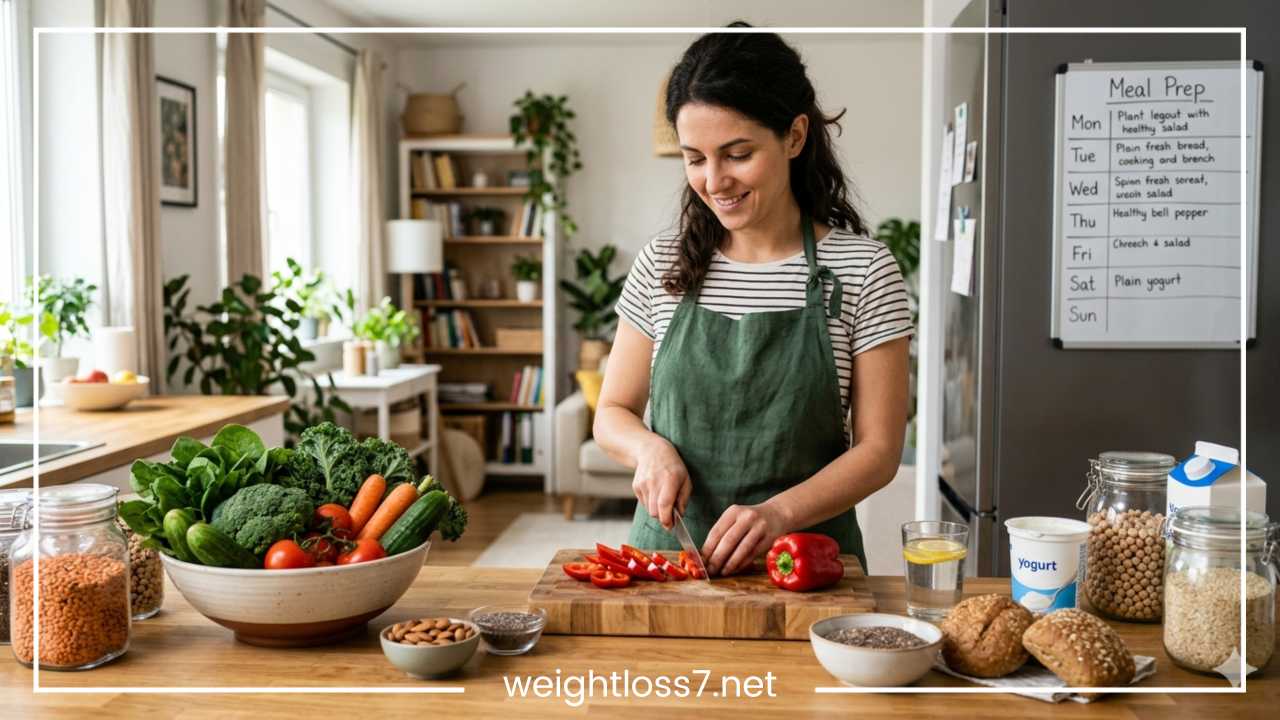
Dedicate Planning Time: Reserve a specific block of time each week to outline your meals and snacks for the upcoming days. This foresight removes the daily mental burden of deciding what to eat when you are already tired or hungry.
-
Construct a Targeted Grocery List: Shop exclusively from a prepared list based directly on your meal plan. Avoid navigating the inner aisles of the grocery store where processed snack foods are prominently displayed, focusing instead on the perimeter where fresh whole foods reside.
-
Batch Prep Baseline Ingredients: Spend an hour or two washing and chopping vegetables, cooking batches of whole grains like quinoa or brown rice, and portioning out protein sources like lentils or tofu. Having these components ready reduces your total cooking time during busy weekdays.
-
Keep Healthy Snacks Accessible: Wash fresh berries, pre-slice celery and cucumbers, or portion out specific amounts of nuts into small containers. When a craving strikes, having nutritious options readily available prevents you from reaching for convenient, calorie-dense alternatives.
Common Diet Mistakes That Slow Weight Loss
When individuals rely solely on dietary modification for weight loss, they occasionally fall into counterproductive patterns that inadvertently stall their progress or compromise their health. Recognizing these common pitfalls allows you to navigate your journey with clarity and efficiency.
Skipping Meals
Many people believe that skipping breakfast or lunch is an easy way to slash calories. In practice, this tactic frequently backfires by causing extreme hunger later in the day, leading to overeating or binge-eating during evening hours. Consistently timed meals provide stable energy and support appetite control.
Extreme Calorie Restriction
Dropping your calorie intake too low can trigger a significant slowdown in your basal metabolic rate. Your body adaptive mechanisms attempt to conserve energy, leaving you feeling chronically fatigued, irritable, and cold. Ultra-low-calorie diets are highly unsustainable and almost always lead to reclaiming the lost weight once normal eating resumes.
Overestimating “Healthy” Foods
Foods like avocados, nuts, seeds, olive oil, and dark chocolate are exceptionally nutritious, but they are also highly dense in calories. Failing to measure these items can lead to consuming an energy surplus, even though the food choices themselves are inherently healthy.
Mindless Snacking and Weekend Overeating
A handful of crackers here, a sample from a coworker’s desk there, or cleaning up a child’s leftovers can easily introduce hundreds of unrecorded calories into your weekly total. Similarly, maintaining a strict deficit from Monday through Friday only to overindulge on Saturdays and Sundays can completely erase your hard-won weekly calorie deficit.
Lifestyle Habits That Support Diet-Only Weight Loss
While the food you consume is the central mechanism of non-exercise weight loss, several supporting lifestyle habits heavily influence your biological signaling, behavioral patterns, and ability to stick with your plan.
Sleep Quality and Duration
Chronic sleep deprivation directly disrupts the hormones that regulate appetite. When you are overtired, your body experiences a rise in ghrelin (which increases hunger) and a drop in leptin (the hormone responsible for signaling fullness). Furthermore, a fatigued brain naturally craves quick energy, leading to intense cravings for simple carbohydrates and refined sugars. Aim for seven to nine hours of quality sleep per night.
Stress Management
Elevated stress triggers the chronic release of cortisol, a hormone that can encourage fat storage, particularly in the abdominal area. Cortisol also stimulates appetite and drives individuals toward high-calorie comfort foods. Incorporating daily stress-reduction techniques—such as deep breathing exercises, reading, or dedicating time to a creative hobby—helps safeguard your dietary choices.
Consistent Hydration
Drinking water throughout the day is vital for optimal metabolic function. The liver requires adequate water to efficiently process stored body fat into usable energy. Additionally, drinking a glass of water approximately fifteen to twenty minutes before a meal can help naturally moderate your overall portion sizes.
How Fast Can You Expect to Lose Weight?
When pursuing weight loss strictly through dietary adjustments, it is essential to cultivate realistic, healthy expectations regarding your timeline. Popular culture frequently promotes rapid, drastic transformations that are neither biologically sustainable nor safe over the long term.
A safe, realistic, and highly sustainable rate of weight loss is generally 0.5 to 2 pounds (approximately 0.25 to 1 kilogram) per week.
During the initial one to two weeks of a new dietary regimen, you may observe a more rapid drop on the scale. This initial shift is primarily driven by the reduction of glycogen (stored carbohydrate) reserves and the associated fluid volume your body sheds as a result. Once your body stabilizes, your weight loss will settle into a steadier, more gradual pattern.
Progressing at a gradual pace offers several distinct advantages:
-
It allows your metabolic rate to adapt smoothly, preventing drastic drops in energy.
-
It increases the likelihood that the mass you shed is derived from adipose tissue (fat) rather than lean muscle mass.
-
It gives you the necessary time to practice and solidify permanent lifestyle habits, ensuring you can maintain your results for the long haul.
Avoid the temptation of fad diets or extreme detox programs that promise rapid weight loss. These approaches rely on severe deprivation and are almost impossible to maintain, inevitably leading to a return to old habits and weight regain.
Final Thoughts: Sustainable Weight Loss Starts in the Kitchen
Achieving a leaner, healthier physique does not require a gym membership, complex exercise equipment, or hours of intense physical labor. By understanding and applying the principles of energy balance, focusing your meals around whole, nutrient-dense foods, optimizing your fiber and protein intake, and practicing mindful portion management, you can successfully steer your weight loss journey from the comfort of your kitchen.
Consistency, rather than absolute perfection, is the defining factor of long-term success. Minor dietary deviations or occasional indulgences will not derail your overall progress, provided your baseline, day-to-day habits remain aligned with your long-term health goals. Treat each meal as an independent opportunity to nourish your body and support your objectives.
Embrace this journey as a permanent lifestyle evolution rather than a temporary fix. By learning to select high-quality ingredients, manage liquid calories, and organize your meals with intent, you establish an enduring foundation for physical wellness that will serve you well for years to come. Meaningful, lasting weight loss is entirely within your control, one mindful meal at a time.
Frequently Asked Questions
Is it possible to lose weight with diet only and no exercise?
Yes, it is entirely possible to lose weight through dietary changes alone. Weight loss fundamentally requires a calorie deficit, which means you consume fewer calories than your body expends. Because your basal metabolism accounts for 60% to 75% of your daily energy expenditure, modifying your food intake is the most efficient way to establish this deficit. While exercise supports cardiovascular health and physical strength, it is not a structural requirement for shedding body fat.
How much weight can you lose in a month by just changing your diet?
A safe, realistic, and sustainable rate of weight loss is 0.5 to 2 pounds per week, which translates to roughly 2 to 8 pounds in a single month. During the first week or two of a new dietary regimen, you may notice a more rapid drop on the scale. This initial phase is typically driven by the reduction of glycogen stores and the shedding of associated water weight, after which fat loss stabilizes into a steadier, more maintainable pace.
How to lose weight without working out or starving yourself?
The key to losing weight without working out or feeling deprived is prioritizing nutrient-dense, high-volume foods. Focus your meals around dietary fiber (found in whole grains, vegetables, and legumes) and non-meat protein sources (such as lentils, chickpeas, tofu, and cottage cheese). Fiber and protein alter hunger hormones and slow down digestion, keeping you physically full for hours on fewer total calories while preventing metabolic slowdown.
Why am I not losing weight on a diet only plan?
If your weight loss has stalled on a diet-only approach, it is usually due to hidden calories or underestimated portion sizes. Highly nutritious but calorically dense foods like nuts, seeds, and oils can easily erase a calorie deficit if they aren’t measured carefully. Other common factors include mindless snacking, weekend overeating, lack of sleep, or elevated stress levels, which increase cortisol and trigger intense cravings for processed foods.
Can you get a flat stomach just by changing your diet?
Yes, you can significantly reduce abdominal fat purely through targeted nutrition. Spot reduction—losing fat from one specific area of the body on command—is a biological impossibility, whether through diet or targeted abdominal exercises. However, as you maintain a consistent, overall calorie deficit by reducing highly processed foods, cutting out liquid calories, and managing portions, your body will naturally draw from its fat reserves globally, including the midsection.
What are the best foods to eat to lose weight fast without exercise?
To optimize fat loss without a gym routine, build your meals around foods that offer maximum structural fullness relative to their calorie content.
| Food Category | Top Options for Satiety | Primary Benefit |
| High-Fiber Bulk | Broccoli, cauliflower, Brussels sprouts, berries | Triggers stomach stretch receptors to signal fullness |
| Satiating Proteins | Lentils, chickpeas, Greek yogurt, cottage cheese, tofu | Suppresses hunger hormones and preserves lean tissue |
| Slow-Digesting Grains | Steel-cut oats, quinoa, barley | Provides steady energy without blood sugar spikes |