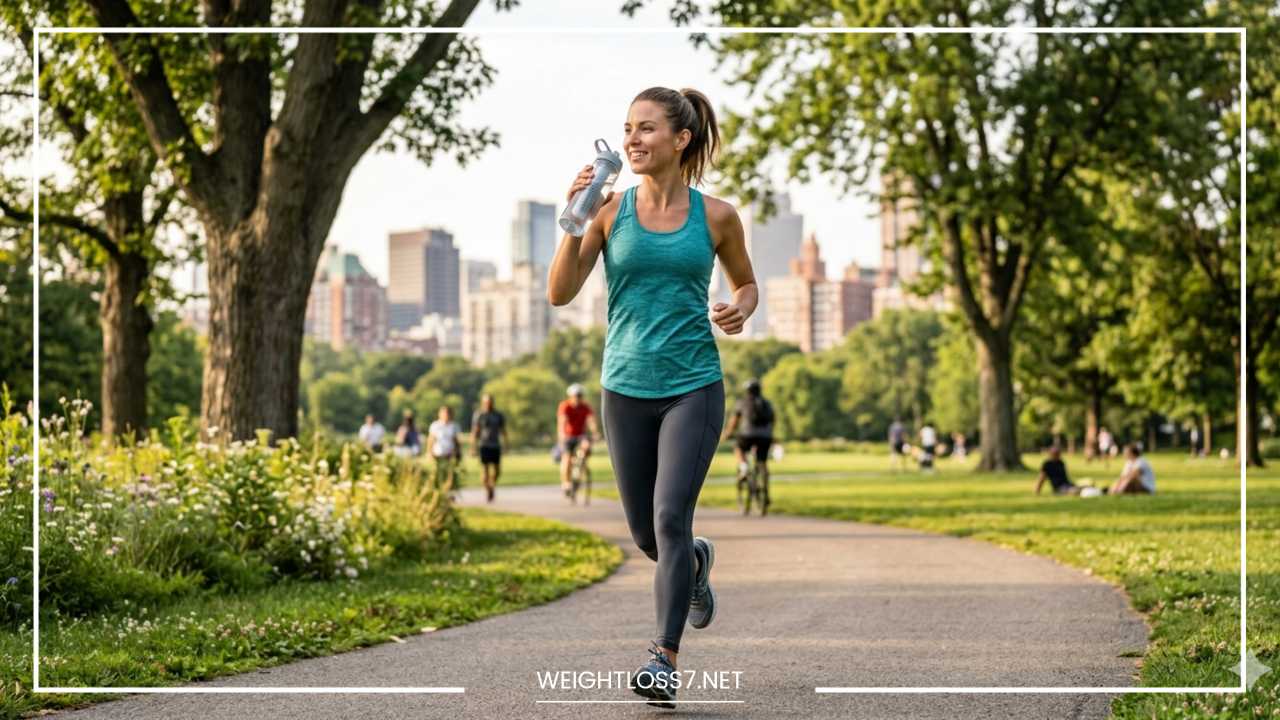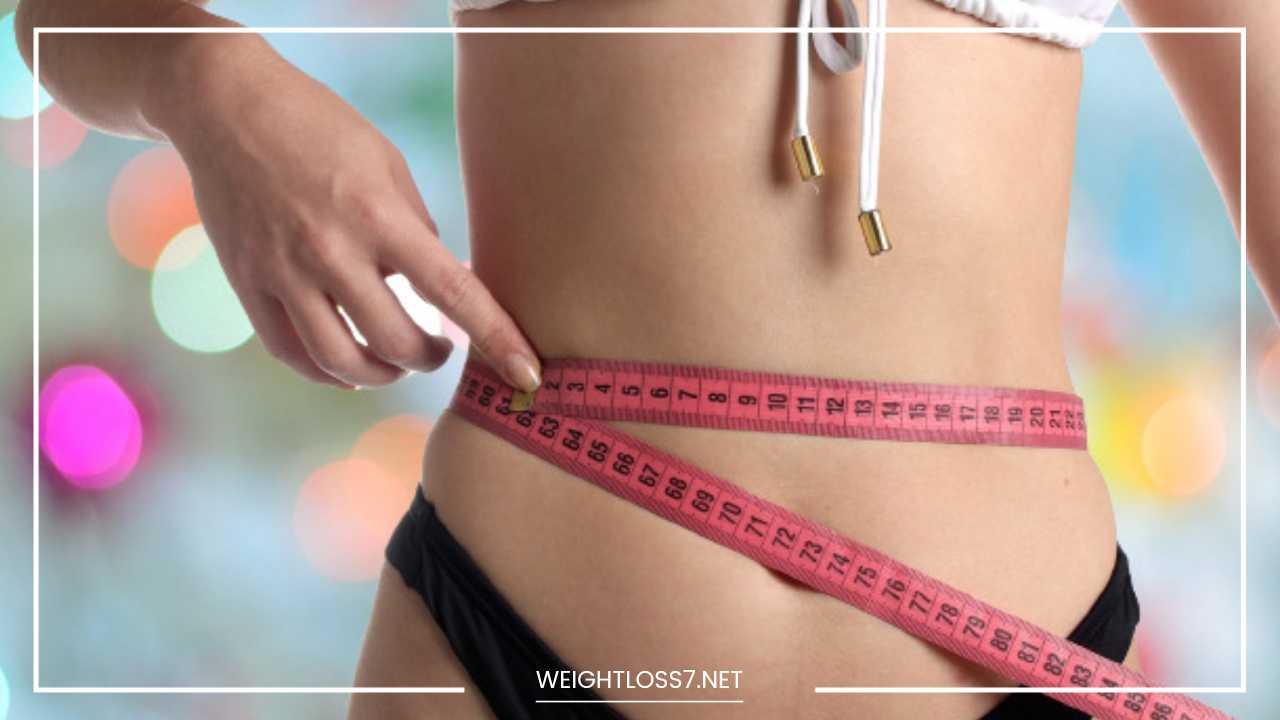
How’s the Fastest Way to Lose Weight

Fastest Way to Lose Weight: Sustainable Tips for Better Health
The quest for rapid weight loss is one of the most common journeys individuals embark upon. Whether it is driven by a desire for better health, an upcoming life event, or a simple need for a fresh start, the urge to see results quickly is a powerful motivator. However, the term fast often gets tangled up with “extreme,” leading many to follow paths that are unsustainable or even detrimental to their well-being.
To truly understand how to lose weight at an accelerated pace, one must first redefine what speed looks like. The fastest way to lose weight is not a three-day juice cleanse or a week of starvation; it is the implementation of highly efficient, scientifically backed habits that allow the body to burn fat while maintaining muscle and energy. This article explores the mechanics of rapid yet safe weight loss, focusing on lifestyle shifts, nutritional intelligence, and physical activity that yield visible results without compromising your health.
Understanding Weight Loss Basics
Before diving into strategies, it is essential to understand the biological math behind weight loss. At its core, losing weight is governed by the principle of energy balance. Every day, your body requires a certain amount of energy, measured in calories, to perform basic functions like breathing, circulating blood, and moving.
The Energy Balance and Thermodynamics
When you consume more energy than your body uses, the excess is stored—primarily as fat. Conversely, when you consume less than you expend, your body must tap into those stored energy reserves to make up the difference. This is known as a calorie deficit. While this sounds simple, the body is a complex system. Metabolism, the process by which your body converts food into energy, plays a significant role. Some people naturally have a higher basal metabolic rate (BMR), which is the amount of energy burned while at complete rest, while others must work harder to stoke that internal fire.
Why Quick Fixes Usually Fail Long-Term
Many “fast” methods fail because they focus on losing water weight or muscle tissue rather than actual body fat. When you see a five-pound drop on the scale in two days, it is rarely fat loss. Usually, it is a depletion of glycogen (stored carbohydrates) and the water that accompanies it. Once you return to normal eating, the weight returns just as quickly.
Furthermore, extreme restriction can trigger “starvation mode,” where the body becomes hyper-efficient at storing calories and slows down the heart rate and other non-essential functions to preserve life. The goal of an effective, fast weight loss plan is to target fat stores specifically, which requires a more calculated and consistent approach than a simple crash diet. Consistency is the secret ingredient that turns a temporary “diet” into a permanent transformation.
The Fastest Safe Approach: Creating a Calorie Deficit
The most direct route to weight loss is creating a sustainable calorie deficit. While many people believe they need to slash their food intake in half to see fast results, the body often reacts to extreme restriction by slowing down the metabolism.
What Calorie Deficit Means in Practical Terms
A safe and effective deficit usually involves consuming about 500 to 750 calories fewer than your total daily energy expenditure (TDEE). This typically results in a weight loss of one to two pounds per week, which is the gold standard for maintaining health. To speed this up safely, one must pair a modest reduction in food intake with an increase in physical activity. This “dual-threat” approach allows you to eat enough to feel energized while still forcing the body to burn stored fat.
Small Daily Changes for Big Impacts
Small changes are often more effective than massive overhauls because they are easier to maintain. For example, switching from a creamy salad dressing to a lemon-and-vinegar base can save 150 calories. Swapping a large latte for black coffee can save another 200. Over a week, these “invisible” cuts add up to significant weight loss without causing the psychological distress of feeling deprived.
Avoiding Overly Restrictive Eating Patterns
Speed should never come at the cost of your sanity. When you tell yourself you “can’t” have a certain food, your brain often fixates on it, leading to a cycle of restriction and bingeing. A faster way to lose weight is to focus on what you can add to your plate—more volume, more fiber, more water—rather than just what you are taking away.
Smart Eating Habits for Faster Results
What you eat is just as important as how much you eat. Certain foods have a high thermic effect, meaning the body burns more energy just trying to digest them, while others are highly satiating, helping you feel full for longer periods.
Prioritizing Whole, Minimally Processed Foods
The more a food is processed, the easier it is for your body to break it down and absorb its calories. Whole foods—like a whole apple versus apple juice—require more work from your digestive system. This means you absorb fewer calories and feel full for a longer duration. By centering your meals around items that look like they did when they came out of the ground, you naturally regulate your calorie intake.
The Power of Fiber-Rich Foods
Fiber is the ultimate weight loss tool. Found in vegetables, fruits, legumes, and whole grains, fiber adds bulk to your meals without adding calories. Because fiber slows down the rate at which food leaves your stomach, it keeps your blood sugar levels stable. This prevents the “sugar crashes” that lead to intense cravings for sweets and snacks in the mid-afternoon.
Mindful Eating and Satiety Signals
Eating speed is a frequently overlooked factor. It takes approximately twenty minutes for the brain to receive signals from the gut that it is full. If you rush through a meal in five minutes, you are likely to consume more than you need. Practicing mindfulness—chewing thoroughly and savoring the flavors—can significantly reduce the total volume of food consumed in a day.
Avoiding Liquid Calories
If you are looking for the absolute fastest way to see a change, look at what you drink. Sodas, sweetened coffees, energy drinks, and even some fruit juices are dense with calories but provide zero satiety. By switching entirely to water, herbal teas, or black coffee, many people find they can lose several pounds in the first few weeks without changing a single item on their dinner plate.
Healthy Snacking Strategies
Snacking isn’t inherently bad, but “mindless” snacking is. Instead of eating out of a bag, portion out a specific amount. Choose snacks that combine fiber and healthy fats, such as a handful of almonds or carrot sticks with hummus. These combinations provide a slow release of energy that keeps you going until your next meal.
Exercise That Speeds Up Fat Loss
While weight loss is primarily driven by nutrition, exercise is the catalyst that accelerates the process and ensures that the weight lost is fat, not muscle.
Cardiovascular Efficiency
Cardio is the most efficient way to burn a high number of calories in a single session. Activities like brisk walking, cycling, or swimming increase your heart rate and force the body to use oxygen to burn fuel. For those seeking the fastest results, high-intensity interval training (HIIT) is particularly effective. HIIT involves short bursts of intense activity followed by brief rest periods. This method elevates the metabolism for hours afterward, meaning you continue to burn calories while sitting on your couch.
Strength Training and Metabolic Rate
While cardio burns more calories during the activity, strength training is essential for increasing your overall metabolic rate. Muscle tissue is more metabolically active than fat tissue. This means that the more muscle you have, the more calories your body burns at rest. Incorporating bodyweight exercises—like squats, lunges, and planks—ensures that your body maintains its “engine,” preventing the metabolic slowdown that often accompanies weight loss.
The Importance of Daily Movement
Never underestimate the power of “Non-Exercise Activity Thermogenesis” (NEAT). This includes walking to the store, cleaning the house, and taking the stairs. These movements might only burn 20 calories at a time, but performed throughout the day, they can account for a significant portion of your daily energy expenditure.
Lifestyle Changes That Accelerate Progress
Weight loss is a holistic endeavor. If you are eating well but not sleeping, or exercising but under constant stress, your progress will be significantly slower.
Sleep Quality and Weight Regulation
Sleep is when your body repairs itself and regulates hormones. Chronic sleep deprivation increases ghrelin (the hunger hormone) and decreases leptin (the fullness hormone). When you are tired, your brain’s reward centers also become more active, making high-calorie, sugary foods look much more appealing. Prioritizing seven to nine hours of quality sleep is a non-negotiable step for fast weight loss.
Stress Management and Cortisol
High stress levels lead to the production of cortisol. This hormone is designed for “fight or flight,” but in the modern world, it usually just leads to increased abdominal fat storage. Stress also depletes your willpower. Finding ways to decompress—whether through deep breathing, reading, or a hobby—helps keep your hormones in balance and your cravings in check.
Hydration and Appetite Control
The human brain often confuses thirst with hunger. Before reaching for a snack, drink a large glass of water and wait ten minutes. Most of the time, the “hunger” will vanish. Staying hydrated also helps your kidneys filter toxins and ensures your muscles have the fluid they need to perform during exercise.
Reducing Sedentary Time
Our modern environment encourages sitting. To lose weight faster, find ways to break up long periods of inactivity. A standing desk, a five-minute walk every hour, or even stretching while watching television can keep your metabolism from “falling asleep” during the day.
Common Mistakes That Slow Down Weight Loss
Many people work very hard but see no results because of hidden saboteurs. Identifying these mistakes is crucial for maintaining a fast pace.
Skipping Meals and Overeating Later
The “starve now, eat later” strategy almost always fails. When you skip a meal, your blood sugar drops, and your hunger reaches a primal level. By the time you sit down to eat, you are far more likely to make poor choices and eat much more than you intended. Consistent, balanced meals keep your energy stable.
Over-Reliance on Fad Methods
Fad diets that rely on “magic” foods or extreme restrictions might work for three days, but they are impossible to maintain. Once the diet ends, the weight returns. The fastest way is the one you can stick to for months, not days.
Ignoring Hidden Calories
Many people forget to account for oils used in cooking, creamers in coffee, or the “tastes” of food while preparing dinner. These small additions can easily add up to 300–500 calories a day, which is enough to completely stall weight loss.
Expecting Instant Results
Weight loss is rarely linear. You might lose three pounds one week and none the next, even if you did everything right. Expecting the scale to drop every single morning can lead to frustration and quitting. Focus on how your clothes fit and your energy levels instead of just the number on the scale.
How to Lose Weight Faster Without Harming Health
The goal is to lose fat, not health. Rapid weight loss must be managed carefully to ensure you aren’t putting undue strain on your organs or your mental health.
Safe Rate of Weight Loss Expectations
While aggressive goals are tempting, losing more than two to three pounds a week (after the initial water weight drop) can lead to gallstones, nutrient deficiencies, and significant muscle loss. A steady, rapid pace that stays within safe boundaries is the most effective way to ensure the weight stays off permanently.
The Importance of Gradual Progress
Even if you want to lose 50 pounds, focus on the first five. Breaking a large goal into smaller, manageable chunks makes the process feel faster and more rewarding. Every “win” provides a hit of dopamine that fuels your motivation for the next stage.
Warning Signs to Watch For
If your weight loss journey leads to extreme irritability, constant coldness, or a total loss of energy, you are likely pushing too hard. Faster is only better if you are healthy enough to enjoy the results. If you feel unwell, increase your calorie intake slightly with nutrient-dense foods until you find a balance that feels sustainable.
Building a Simple Daily Plan
To achieve the fastest results, you need a blueprint. Structure removes the “decision fatigue” that often leads to poor choices.
Morning Habits
Start with hydration. Drink at least 16 ounces of water before you have coffee or food. Follow this with some form of movement—even a five-minute walk around the block—to signal to your body that the day has begun. For breakfast, choose something high in fiber to keep you full until lunch.
Meal Structure and Timing
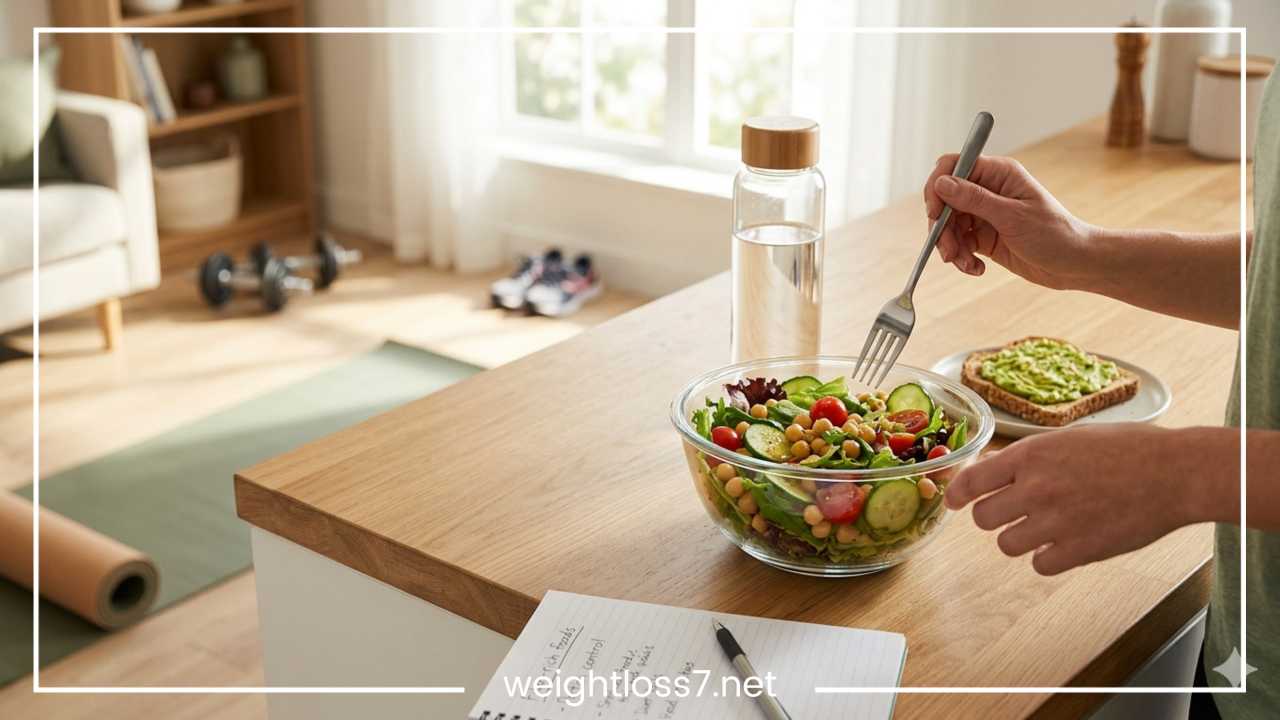
Try to eat at roughly the same times each day. This helps regulate your body’s internal clock and hunger signals. Aim for a “plate method” at every meal: half the plate filled with vegetables, one quarter with a complex carbohydrate (like brown rice or sweet potato), and one quarter with a healthy protein source like lentils or beans.
Activity and Evening Routine
Find a time for a formal workout, but also look for “movement snacks” throughout the day. In the evening, focus on winding down. Turn off screens an hour before bed and avoid eating late at night, as this can interfere with your sleep quality and your body’s ability to burn fat during the night.
Final Thoughts
The fastest way to lose weight is a combination of high-intensity efforts and low-intensity consistency. It requires a fundamental shift in how you view food—not as a reward or an enemy, but as fuel for the life you want to lead. By creating a smart calorie deficit, prioritizing whole foods, staying active, and respecting your body’s need for sleep and hydration, you can achieve remarkable results in a relatively short period.
Remember that the “fastest” way is ultimately the one that you don’t quit. Small, daily improvements in your habits will compound over time, leading to a total transformation that is both visible to the world and sustainable for your future. Focus on the journey of becoming a healthier version of yourself, and the weight loss will naturally follow as a byproduct of your new, vibrant lifestyle.
Frequently Asked Questions About the Fastest Ways to Lose Weight
To help you navigate the complexities of rapid weight loss, here are some of the most common questions people ask when trying to see results quickly and safely.
How can I lose weight fast without exercise?
While physical activity accelerates the process, the fastest way to lose weight without exercise is to focus entirely on your caloric intake. Since weight loss is primarily driven by a calorie deficit, you can see significant results by prioritizing high-fiber foods and eliminating liquid calories. Focus on increasing your water intake and ensuring every meal is balanced with a high volume of vegetables. This helps you feel full while consuming fewer calories.
What is the best way to lose belly fat quickly for everyone?
Spot reduction—losing fat from just one specific area—is a myth. However, you can reduce overall body fat, which will eventually include the abdominal area. The most effective approach for everyone involves a combination of reducing processed sugar intake and managing stress levels. High cortisol levels are closely linked to belly fat storage, so practicing relaxation techniques alongside a consistent calorie deficit is the most reliable strategy.
How much water should I drink to lose weight faster?
Drinking water is a key component of metabolic efficiency. A general rule for those looking to speed up weight loss is to drink at least eight to ten glasses a day. Drinking about 16 ounces of water thirty minutes before a meal has been shown to naturally reduce the amount of food you consume by creating a sense of fullness.
Is it possible to lose 10 pounds in a week safely?
Losing ten pounds in a single week is usually a result of losing water weight and glycogen, not body fat. While this can happen when someone first shifts their lifestyle, it is not a sustainable rate of fat loss. A safer and more realistic “fast” goal is one to two pounds of fat per week. Rapid drops beyond this often lead to muscle loss and a slower metabolism.
What are the best high-fiber foods for weight loss?
If you want to stay full on fewer calories, focus on lentils, beans, chickpeas, and chia seeds. Vegetables like broccoli, Brussels sprouts, and carrots are also excellent choices. These foods take longer to digest, providing a steady stream of energy and preventing the hunger pangs that lead to overeating.
How does sleep affect the speed of weight loss?
Sleep is a critical factor in how quickly your body can shed weight. Lack of sleep disrupts the hormones that control hunger (ghrelin) and fullness (leptin). When you are sleep-deprived, your body is more likely to store fat and crave high-calorie snacks. Improving your sleep quality is often the “missing link” for those who are struggling to see progress despite eating well.
Can I lose weight fast by skipping breakfast?
Skipping breakfast, often a form of intermittent fasting, works for some but can backfire for others. The “fastest” way is the one that prevents you from overeating later in the day. If skipping breakfast leads to a massive, high-calorie lunch, it is better to eat a fiber-rich breakfast to keep your appetite stable.