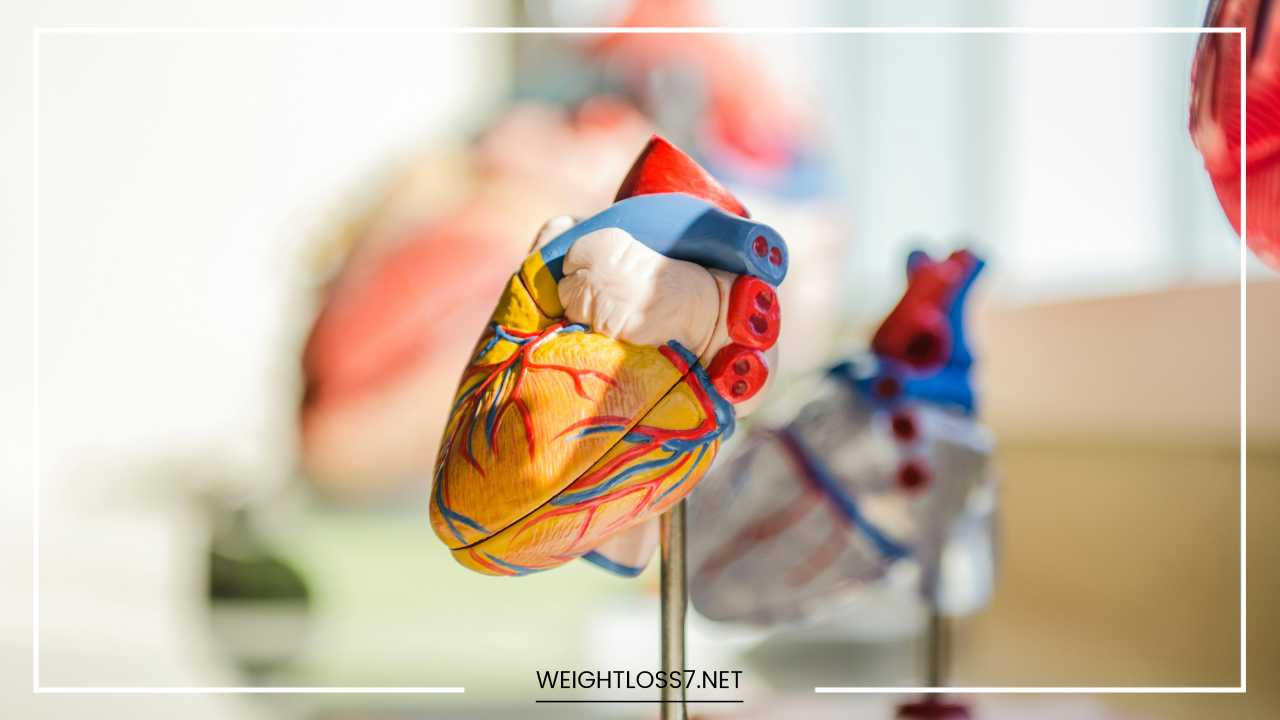
Losing Weight for Heart Health


Losing Weight for Heart Health: Simple Steps for a Stronger Heart
The human heart is a marvel of biological engineering, an indefatigable pump that works every second of every day to sustain life. However, like any precision instrument, its efficiency and longevity depend heavily on the environment in which it operates. Globally, cardiovascular health remains one of the most significant pillars of long-term well-being. While many factors contribute to the health of our arteries and heart muscle, body weight stands out as one of the most influential and, importantly, manageable factors.
Excess weight is not merely a matter of aesthetics or how clothes fit; it is a clinical factor that fundamentally alters how the cardiovascular system functions. When the body carries more weight than it is designed to support, the heart must work harder to circulate blood. Over time, this increased workload can lead to structural changes in the heart and damage to the blood vessels. Conditions such as hypertension (high blood pressure), unfavorable cholesterol profiles, and insulin resistance are often the direct consequences of carrying excess body fat.
The journey of weight loss, when approached through the lens of heart health, shifts from a temporary “fix” to a profound act of self-care. It is about reducing the systemic inflammation and mechanical strain that threaten our most vital organ. By understanding the intricate link between weight and cardiovascular function, we can move toward a lifestyle that prioritizes longevity, vitality, and a resilient heart.
Understanding How Excess Weight Affects the Heart
To appreciate why weight management is vital, we must look at the physiological impact of excess adipose tissue (fat). Fat is not just stored energy; it is an active metabolic organ that secretes hormones and inflammatory substances. When fat levels are high, particularly in certain areas of the body, it disrupts the delicate balance of the cardiovascular system.
The Impact of Visceral Fat
While all excess fat puts a strain on the body, visceral fat is particularly hazardous. This is the fat stored deep within the abdominal cavity, surrounding internal organs like the liver and pancreas. Unlike subcutaneous fat (the fat found just under the skin), visceral fat is metabolically active in a negative way. It releases inflammatory cytokines into the bloodstream, which can damage the lining of the blood vessels and promote the buildup of plaque—a process known as atherosclerosis.
Blood Pressure and Volume
As body mass increases, the volume of blood the heart needs to pump also increases to meet the oxygen and nutrient demands of the additional tissue. To move this larger volume of blood, the heart must exert more force, which raises blood pressure. Chronic high blood pressure weakens the arterial walls over time, making them more susceptible to blockages and increasing the risk of heart failure.
Cholesterol and Metabolic Health
Weight gain often correlates with a shift in the body’s lipid profile. Specifically, it can lead to higher levels of triglycerides and low-density lipoprotein (LDL), often referred to as “bad” cholesterol, while simultaneously lowering high-density lipoprotein (HDL), the “good” cholesterol that helps clear fats from the bloodstream.
Furthermore, excess weight is a primary driver of insulin resistance. When the body’s cells stop responding effectively to insulin, blood sugar levels rise. High blood sugar is toxic to the blood vessels, leading to a hardening of the arteries that significantly compounds the risk of cardiovascular events. Collectively, these issues—hypertension, high blood sugar, and poor cholesterol—are known as metabolic syndrome, a condition that stems directly from the metabolic imbalances caused by excess weight.
Benefits of Losing Weight for Heart Health
The good news is that the heart is remarkably resilient. Even modest weight loss can yield significant improvements in cardiovascular markers. You do not need to reach a “perfect” weight to begin seeing the life-saving benefits of weight reduction.
Improved Blood Pressure Control
One of the most immediate benefits of weight loss is a reduction in blood pressure. As the body sheds excess mass, the heart’s workload decreases, and the tension on the arterial walls eases. For many, losing even five to ten percent of their total body weight can result in a measurable drop in both systolic and diastolic blood pressure, sometimes reducing or even eliminating the need for medication.
Better Cholesterol Balance
Losing weight helps reset the body’s internal chemistry. It typically leads to a decrease in triglycerides and an increase in HDL cholesterol. By improving the ratio of these fats in the blood, the rate of plaque accumulation in the arteries slows down, significantly lowering the risk of stroke and heart attack.
Enhanced Energy and Quality of Life
Beyond the internal markers, weight loss transforms daily living. A lighter body requires less energy to move, meaning the heart and lungs don’t have to work as hard during simple tasks like walking or climbing stairs. This results in increased stamina, better sleep quality, and a general sense of vitality that makes it easier to remain active and social.
Setting Realistic and Healthy Weight Loss Goals
The modern world is filled with promises of “instant” transformations, but for heart health, the “slow and steady” approach is vastly superior. Rapid weight loss often results in the loss of muscle mass, including heart muscle, and can cause electrolyte imbalances that trigger irregular heartbeats.
The Safe Rate of Loss
A sustainable and heart-healthy rate of weight loss is generally considered to be 0.5 to 1 kilogram (about 1 to 2 pounds) per week. This pace allows the body to adjust metabolically and ensures that the weight being lost is primarily fat rather than lean tissue. It also makes it much more likely that the weight will stay off in the long term.
Consistency Over Quick Fixes
Focusing on consistency rather than intensity is key. It is better to make small, permanent changes to your routine than to engage in a “crash” program that you cannot maintain. Consistency builds the habits that eventually become a lifestyle. When setting goals, use the SMART criteria: Specific, Measurable, Achievable, Relevant, and Time-bound. Instead of saying “I want to lose weight,” try “I will walk for 30 minutes five days a week for the next month.”
Understanding Individual Differences
It is important to recognize that everyone’s body responds differently. Age, genetics, and hormonal health all play a role in how quickly you lose weight. Comparisons to others can be discouraging; instead, focus on your own progress and how your body feels as you become healthier.
Building a Balanced Eating Pattern
Nutrition is the foundation of weight management. However, rather than following restrictive trends, the focus should be on creating a balanced, inclusive eating pattern that supports both satiety and cardiovascular health.
Portion Control and Mindful Consumption
One of the simplest ways to manage weight is to become more aware of portion sizes. Over time, “portion creep” has led us to view larger servings as the norm. Using smaller plates and slowing down during meals can help you tune into your body’s hunger and fullness cues, preventing overeating.
Focus on Whole, Minimally Processed Foods
The closer a food is to its natural state, the better it generally is for your heart. Whole grains, legumes, fruits, and vegetables are packed with nutrients and fiber. Fiber is particularly important because it slows digestion, helps regulate blood sugar, and can even help lower cholesterol levels.
Reducing Sugar and Refined Carbohydrates
Excessive intake of added sugars—found in sodas, sweets, and many packaged snacks—leads to spikes in insulin and contributes to weight gain around the midsection. Similarly, refined carbohydrates like white bread and sugary cereals lack fiber and cause rapid energy crashes, often leading to more cravings. Replacing these with complex carbohydrates like oats, quinoa, or brown rice provides steady energy and supports heart health.
Managing Sodium Intake
Sodium is a hidden contributor to heart strain. High salt intake causes the body to retain water, which increases blood volume and raises blood pressure. To support your heart, focus on flavoring foods with herbs, spices, lemon juice, and vinegar instead of salt. Reducing the consumption of highly processed “convenience” foods, which are often loaded with sodium for preservation, is one of the most effective ways to lower salt intake.
The Importance of Hydration
Water is essential for every metabolic process in the body, including fat burning. Sometimes, our brains mistake thirst for hunger, leading us to eat when we actually need fluids. Staying well-hydrated throughout the day can help manage appetite and maintain energy levels for physical activity.
The Role of Physical Activity
While diet is the primary driver of weight loss, physical activity is the primary driver of heart health. Exercise strengthens the heart muscle, improves the elasticity of blood vessels, and helps the body burn calories more efficiently.
Aerobic Exercise
Aerobic or “cardio” activities are those that get your heart rate up for a sustained period. Walking, cycling, swimming, and even vigorous gardening are excellent choices. These activities train the heart to pump more blood with each beat, making it more efficient. Aim for at least 150 minutes of moderate-intensity aerobic activity per week.
Strength Training
Building muscle is a secret weapon for weight loss. Muscle tissue is more metabolically active than fat, meaning the more muscle you have, the more calories your body burns at rest. Incorporating strength training twice a week—using bodyweight exercises, resistance bands, or weights—helps preserve lean mass as you lose weight, ensuring your metabolism remains robust.
Flexibility and Mobility
While they don’t burn as many calories, flexibility and mobility exercises like stretching are crucial for maintaining a functional body. They prevent injuries, reduce stiffness, and make it easier to stay active as you age.
Tips for Beginners
If you haven’t been active in a while, start small. A ten-minute walk after dinner is a great beginning. Gradually increase the duration and intensity as your fitness improves. The goal is to find activities you actually enjoy, as this is the only way to ensure you will keep doing them in the long run.
Everyday Habits That Support Weight Loss
Weight loss is influenced by much more than just what happens at the dinner table or in the gym. Our daily habits and environment play a massive role in our ability to maintain a healthy weight.
The Critical Role of Sleep
Sleep is often the missing piece of the weight loss puzzle. When we are sleep-deprived, the body produces more ghrelin (the hunger hormone) and less leptin (the fullness hormone). This leads to increased cravings for high-calorie, sugary foods. Furthermore, poor sleep increases stress hormones like cortisol, which encourages the body to store fat around the abdomen. Aim for seven to nine hours of quality sleep per night to support your metabolic health.
Stress Management
Chronic stress is a major enemy of heart health and weight management. Many people turn to “emotional eating” as a way to cope with stress, often reaching for comfort foods that are high in fat and sugar. Developing non-food-related stress management techniques—such as deep breathing, meditation, reading, or spending time in nature—can help break this cycle.
Reducing Sedentary Behavior
Even if you exercise for 30 minutes a day, sitting for the remaining 23 hours is detrimental to heart health. “Non-exercise activity thermogenesis” (NEAT) refers to the energy we expend during everyday movements like standing, fidgeting, and walking to the mailbox. Look for ways to move more throughout the day: take the stairs, use a standing desk, or pace while talking on the phone.
Common Mistakes to Avoid
In the pursuit of a healthier heart, it is easy to fall into traps that actually hinder progress or damage health.
Skipping Meals
Many believe that skipping breakfast or lunch will “save” calories. However, this often leads to extreme hunger later in the day, resulting in overeating or poor food choices in the evening. Consistent meals keep blood sugar stable and prevent the “starvation mode” that can slow down metabolism.
Extreme Calorie Restriction
Cutting calories too drastically is unsustainable and can be dangerous. When the body doesn’t get enough fuel, it begins to break down muscle tissue for energy and slows down its metabolic rate to conserve life-sustaining functions. This makes future weight loss harder and can put unnecessary stress on the heart.
Relying on Fad Trends
Any plan that requires you to eliminate entire food groups or follow highly restrictive rules is likely a fad. These trends rarely lead to long-term success because they are difficult to maintain in social settings or during busy times of life. Focus instead on a varied, balanced approach that you can see yourself following five years from now.
Monitoring Progress the Right Way
The scale is just one tool for measuring progress, and it is often the most misleading one. Body weight can fluctuate daily due to water retention, salt intake, and hormonal cycles.
Beyond the Scale
To get a true picture of your health, look at other markers of success:
-
Waist Circumference: Since abdominal fat is the most dangerous for the heart, a shrinking waistline is a better indicator of improved heart health than total weight.
-
Energy Levels: Are you feeling more awake during the day? Can you walk further without getting winded?
-
Clothing Fit: How your clothes feel can be a much more satisfying measure of progress than a number on a screen.
-
Biometric Markers: Work with a professional to track your blood pressure and cholesterol levels. Seeing these numbers improve is the ultimate validation of your efforts.
Special Considerations
Weight loss is not a “one size fits all” endeavor. Different stages of life and different health statuses require tailored approaches.
Age-Related Changes
As we age, our metabolism naturally slows, and we tend to lose muscle mass. For older adults, weight loss must be paired with adequate protein intake and resistance training to protect muscle and bone density. The focus should be on functional fitness and maintaining a healthy weight that supports mobility.
Managing Existing Conditions
If you already have high blood pressure, diabetes, or heart disease, weight loss is even more critical, but it must be managed carefully. Certain medications may need to be adjusted as you lose weight and your body chemistry changes. Always consult with a healthcare professional before making significant changes to your diet or exercise routine to ensure you are proceeding safely.
Staying Motivated for the Long Term
The initial excitement of a new health journey eventually fades, and that is when the real work begins. Long-term success is about resilience, not perfection.
Dealing with Plateaus
It is normal for weight loss to stall for a few weeks as the body recalibrates. When this happens, do not get discouraged. Re-evaluate your habits, perhaps try a new form of exercise, or simply stay the course. Most plateaus are temporary and are simply a sign that your body is adjusting to its new “normal.”
Celebrating Small Wins
Don’t wait until you reach a “goal weight” to celebrate. Acknowledge the small victories: choosing a piece of fruit over a pastry, completing a full week of walks, or noticing that your blood pressure has dropped a few points. These wins provide the psychological fuel to keep going.
Creating a Support System
Health journeys are easier when shared. Whether it is a family member, a friend, or an online community, having someone to share your challenges and successes with can provide accountability and encouragement.
Final Thoughts: A Sustainable Path to a Healthier Heart
Losing weight for heart health is a journey of a thousand small decisions. It is not about a three-week “shred” or a restrictive “cleansing” ritual. It is about the quiet, daily commitment to nourishing your body with whole foods, moving your limbs, and managing your stress.
The heart is an incredibly forgiving organ. When you reduce the burden of excess weight, you give your cardiovascular system the space it needs to repair and thrive. This process requires patience, kindness toward oneself, and a long-term perspective.
Every healthy meal you eat and every walk you take is a deposit into your “health bank.” Over time, these small actions compound into a life characterized by more energy, lower disease risk, and a stronger, more resilient heart. Take the first step today—not because you have to, but because your heart deserves the very best environment in which to beat.
Frequently Asked Questions About Weight Loss and Heart Health
How much weight do I need to lose to lower my blood pressure?
Research indicates that losing even a small amount of weight can have a significant impact on hypertension. For many individuals, losing as little as 5% to 10% of total body weight can lead to a measurable reduction in blood pressure readings. This modest decrease helps reduce the strain on your arteries and allows the heart to pump blood more efficiently throughout the body.
What are the best heart-healthy foods for losing belly fat?
To target visceral fat and support cardiovascular wellness, focus on high-fiber foods and complex carbohydrates. Whole grains like oats and barley, legumes such as lentils and chickpeas, and a wide variety of colorful vegetables are excellent choices. Fiber helps you feel full longer, which naturally aids in portion control, while also helping to clear cholesterol from your bloodstream.
How does losing weight improve cholesterol levels naturally?
Weight loss helps shift the balance of lipids in your blood. As you reduce body fat, particularly abdominal fat, your body typically decreases the production of triglycerides and LDL (bad) cholesterol. Simultaneously, physical activity associated with weight loss can help raise HDL (good) cholesterol, which acts as a scavenger to remove fatty deposits from your vessel walls.
Is walking or running better for heart health and weight loss?
Both are excellent, but the “best” exercise is the one you can perform consistently. Brisk walking is often more sustainable for beginners and puts less stress on the joints while still providing significant aerobic benefits for the heart. Running burns more calories per minute, but walking for a longer duration can achieve similar weight loss results while keeping the heart rate in a steady, fat-burning zone.
Can managing stress really help me lose weight for my heart?
Yes, stress management is a vital component of weight control. Chronic stress triggers the release of cortisol, a hormone that encourages the body to store fat around the midsection—the most dangerous area for heart health. By practicing mindfulness or deep breathing, you can reduce emotional eating triggers and lower the hormonal signals that lead to weight gain.
Why is sleep important for cardiovascular weight loss?
Sleep deprivation disrupts the hormones that regulate appetite, specifically ghrelin and leptin. When you don’t get enough rest, your brain signals for more high-energy, sugary foods to compensate for the fatigue. Quality sleep supports metabolic repair and ensures you have the energy required to stay active during the day, making it a cornerstone of any heart-healthy weight loss plan.
Should I focus on calories or food quality for a healthy heart?
While a calorie deficit is necessary for weight loss, food quality is more important for heart health. Consuming 1,500 calories of processed, high-sodium snacks will impact your blood pressure and arteries much differently than 1,500 calories of nutrient-dense whole foods. A heart-healthy approach prioritizes low-sodium, high-fiber, and antioxidant-rich foods to protect the lining of your blood vessels.