What is the Best for Losing Weight


Best Way to Lose Weight: Healthy and Sustainable Tips
Every year, millions of people embark on a quest to find the “holy grail” of weight loss. We scour the internet, browse library shelves, and scroll through social media feeds, all in search of that one definitive answer—the “best” way to shed unwanted pounds. The search for this elusive secret is driven by a natural human desire for efficiency and results. We want to know that the effort we invest will yield the highest possible return in the shortest amount of time.
However, this search often leads to a landscape of profound confusion. One week, the world is told to avoid all fats; the next, we are told that carbohydrates are the enemy. Trends emerge with lightning speed, promising miraculous transformations through “detoxes,” “cleanses,” or highly restrictive eating windows. This constant barrage of conflicting information creates a “paralysis by analysis,” where the average person feels overwhelmed before they even begin.
The reality, though less flashy than a viral trend, is far more empowering: there is no single “best” method that works for everyone in a vacuum. Weight loss is not a one-size-fits-all formula or a secret code to be cracked. Instead, the most effective path to a healthier weight is built upon a foundation of sustainable habits. It is about the cumulative effect of small, manageable choices made consistently over time.
In this article, we will move past the noise of temporary fads and focus on the universal principles of health. We will explore the fundamental mechanics of how the body uses energy, the importance of nourishing food patterns, the role of movement, and the often-overlooked lifestyle factors like sleep and stress. By the end, you will understand that the “best” way to lose weight is the way that integrates seamlessly into your life, supports your well-being, and—most importantly—is something you can maintain for years to come.
Understanding Weight Loss Basics
At its most fundamental level, weight loss is governed by the laws of thermodynamics. While the human body is a complex biological system, the concept of energy balance serves as the primary driver for weight change. Every day, your body requires a certain amount of energy to maintain its functions—everything from your heart beating and your lungs breathing to the physical movements of walking or lifting a box.
This energy is measured in calories. Weight loss occurs when there is a “calorie deficit,” meaning the energy you consume through food and drink is less than the energy your body uses. Conversely, if you consume more energy than you use, the body stores that excess as energy reserves, leading to weight gain.
Metabolism in Simple Terms
People often blame a “slow metabolism” for their struggles with weight. Think of your metabolism not as a fixed speed, but as a dynamic engine. Part of this engine runs 24/7 just to keep you alive (this is your Basal Metabolic Rate). Another part of the engine revs up when you move, and a smaller part works to digest the food you eat. While genetics and age play a role, your metabolism is not a static number. It adapts to your activity level and the way you nourish yourself.
Why Consistency Trumps Intensity
A common mistake is attempting to create a massive energy deficit overnight by eating very little or exercising for hours on end. While this might produce a quick drop on the scale, it often triggers the body’s defense mechanisms. The body may interpret extreme restriction as a period of scarcity, leading to increased hunger signals and a decrease in spontaneous movement.
This is why consistency is the most vital component of the weight loss equation. A modest, manageable deficit that you can maintain for six months is infinitely more effective than an extreme deficit you can only sustain for six days. True weight loss is a marathon of habits, not a sprint of deprivation.
Healthy Eating Patterns That Support Weight Loss
When it comes to what we eat, the focus should shift from “what to exclude” to “what to prioritize.” A healthy eating pattern is one that provides the body with the nutrients it needs to thrive while naturally supporting a lower calorie intake.
The Power of Whole Foods
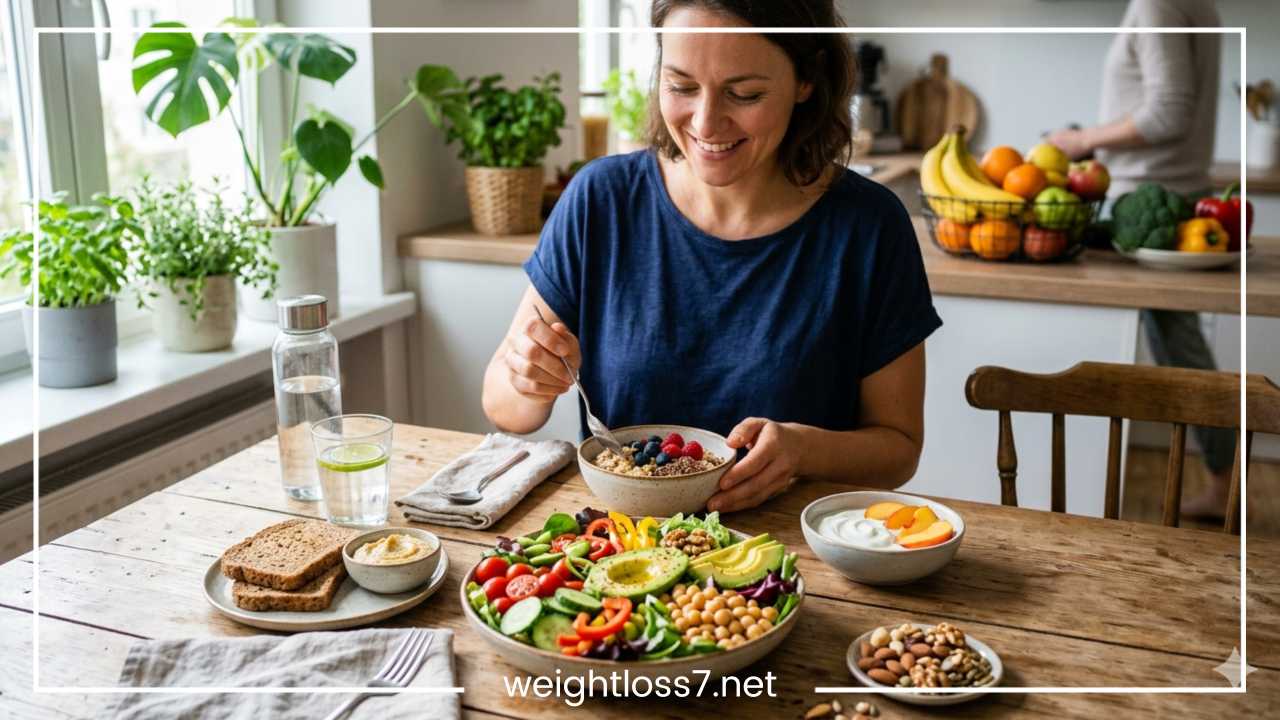
The most effective way to manage weight through nutrition is to emphasize whole, minimally processed foods. These are foods that are as close to their natural state as possible. Think of a whole potato versus a potato chip, or a bowl of oats versus a sugary cereal bar. Whole foods tend to be more “nutrient-dense,” meaning they provide more vitamins, minerals, and fiber per calorie than processed alternatives.
Fiber: The Secret to Satiety
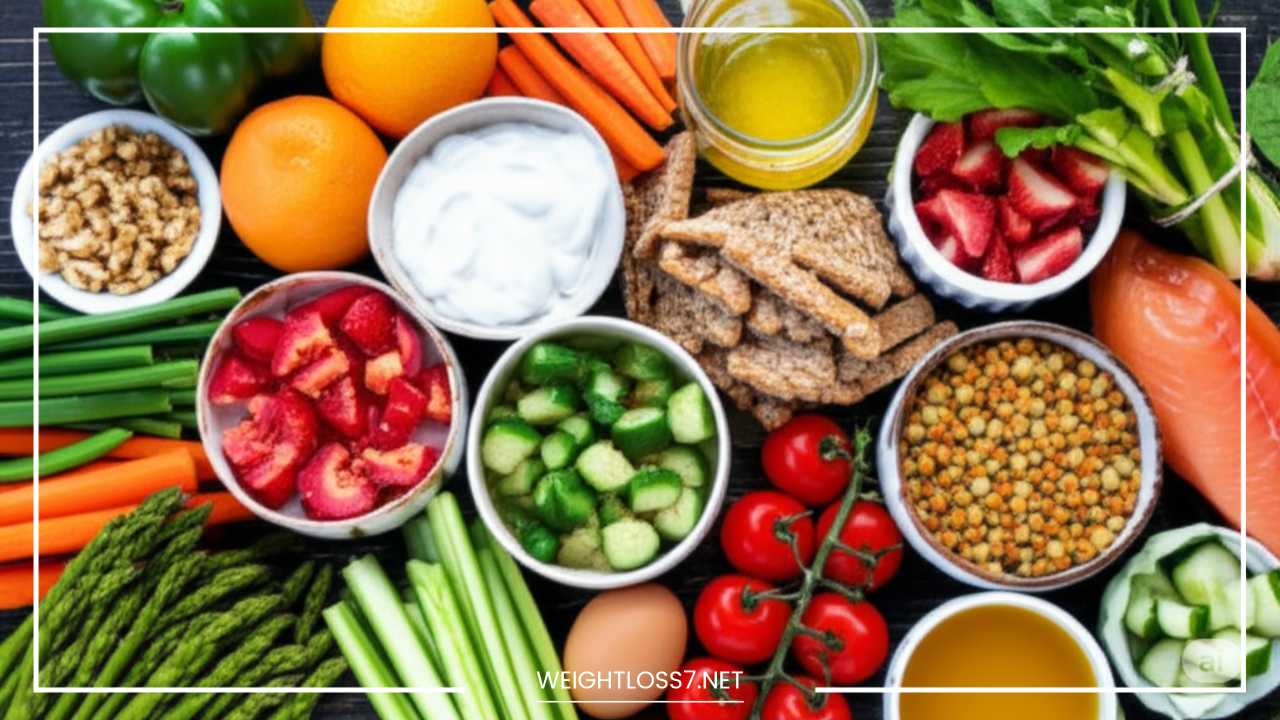
Fiber is a type of carbohydrate that the body cannot digest. Because it stays in the stomach longer and adds bulk to your meals, it is essential for feeling full and satisfied. High-fiber foods include:
-
Vegetables: Leafy greens, broccoli, carrots, and peppers.
-
Fruits: Berries, apples, pears, and citrus.
-
Whole Grains: Brown rice, quinoa, barley, and whole-wheat varieties.
-
Legumes: Lentils, chickpeas, and various types of beans.
By filling a large portion of your plate with these items, you can eat a satisfying volume of food while keeping your total energy intake in check.
Healthy Fats and Portion Awareness
Fats are an essential part of a balanced diet, helping with hormone production and vitamin absorption. However, fats are more energy-dense than proteins or carbohydrates. It is beneficial to include healthy sources like nuts, seeds, avocados, and olive oil, but doing so with an awareness of portion sizes. A small handful of almonds is a nutritious snack; a large bag can quickly exceed your energy needs for the day.
Reducing Added Sugars and Processed Snacks
Modern food environments are filled with “ultra-processed” items—foods designed to be highly palatable but low in nutritional value. These often contain high amounts of added sugars and refined flours that digest quickly, leading to spikes and crashes in blood sugar. This cycle often leaves you feeling hungry again shortly after eating. Reducing the frequency of sodas, candies, and packaged snacks is one of the most impactful changes one can make.
Hydration and Appetite Control
Sometimes, the body confuses thirst with hunger. Drinking plenty of water throughout the day ensures that your body is functioning optimally and can help prevent unnecessary snacking. Replacing calorie-laden beverages with water or herbal teas is a simple way to reduce daily energy intake without feeling deprived.
Regular Meals vs. Skipping
While some find success with specific timing, many people benefit from regular meal patterns. Skipping meals, particularly breakfast or lunch, often leads to extreme hunger by evening. This usually results in overeating or making less nutritious choices in a state of “starvation mode.” Aim for a rhythm that keeps your energy levels stable throughout the day.
Physical Activity for Sustainable Weight Loss
Physical activity is often viewed solely through the lens of “burning calories.” While exercise does contribute to the energy-out side of the equation, its benefits for weight loss and general health go far deeper.
The NEAT Concept
Beyond planned exercise (like going to the gym), there is a concept called Non-Exercise Activity Thermogenesis (NEAT). This refers to the energy expended for everything we do that is not sleeping, eating, or sports-like exercise. It includes walking to the car, typing, fidgeting, and cleaning the house.
For many people, increasing NEAT is more effective for long-term weight management than a single hour of intense exercise followed by a sedentary day. Simple habits like taking the stairs, using a standing desk, or a 10-minute walk after meals can add up to significant energy expenditure over a week.
Strength-Building for Body Support
As we lose weight, the body can sometimes lose muscle along with fat. Incorporating strength-building exercises—using body weight, resistance bands, or weights—tells the body to preserve its lean tissue. Muscle is more metabolically active than fat, meaning it helps support your metabolism even when you are at rest. Furthermore, a stronger body is more capable of movement, reducing the risk of injury and making daily tasks easier.
Walking: The Universal Activity
If there is one “best” exercise for the general population, it is walking. It is low-impact, requires no special equipment, and can be done almost anywhere. Aiming for a consistent daily step count is a fantastic way to build a foundation of movement that supports weight loss without putting excessive stress on the joints.
Flexibility and Mobility
Activities like stretching or yoga might not burn as many calories as a run, but they are crucial for sustainability. Improved mobility allows you to move more freely and reduces the stiffness that often comes with a more active lifestyle. It also provides a mental break, helping to bridge the gap between physical effort and mental relaxation.
Consistency Over Intensity
The “best” workout is the one you actually do. Many people start with a high-intensity program that they find miserable, leading to burnout within weeks. It is far better to engage in moderate activity that you enjoy—be it dancing, gardening, swimming, or hiking—than to force yourself through a routine you dislike. The goal is to make movement a natural, enjoyable part of your identity.
Lifestyle Habits That Influence Weight
Weight loss does not happen in a vacuum. It is deeply influenced by the way we live our lives outside of the kitchen and the gym.
The Role of Sleep
Sleep is perhaps the most underrated tool in weight management. When we are sleep-deprived, the body’s hunger hormones go out of balance. Levels of ghrelin (the hormone that tells you you’re hungry) rise, while levels of leptin (the hormone that tells you you’re full) drop. Lack of sleep also affects the brain’s “reward center,” making us more likely to crave high-sugar, high-fat comfort foods. Prioritizing 7–9 hours of quality sleep is a foundational step for anyone looking to change their body composition.
Stress and Emotional Eating
Stress triggers the release of cortisol, a hormone that, when chronically elevated, can encourage the body to store energy around the midsection. Furthermore, many of us use food as a coping mechanism for stress, boredom, or sadness. Developing stress-management techniques—such as meditation, deep breathing, or talking to a friend—can help break the link between emotional distress and overeating.
Screen Time and Sedentary Behavior
In the modern world, we spend a vast amount of time sitting in front of screens. This sedentary behavior is not just about the calories not burned; it’s also about the “mindless” snacking that often accompanies watching television or working at a computer. Being intentional about reducing non-essential screen time can naturally lead to more movement and more mindful food choices.
Mindful Eating
Mindful eating is the practice of being fully present during a meal. It involves noticing the colors, smells, and textures of your food, and listening to your body’s internal cues for hunger and fullness. In our fast-paced world, we often eat while distracted, leading us to consume more than we need. By slowing down and chewing thoroughly, you give your brain the time it needs to receive the signal that you are satisfied.
Building Routines Over Motivation
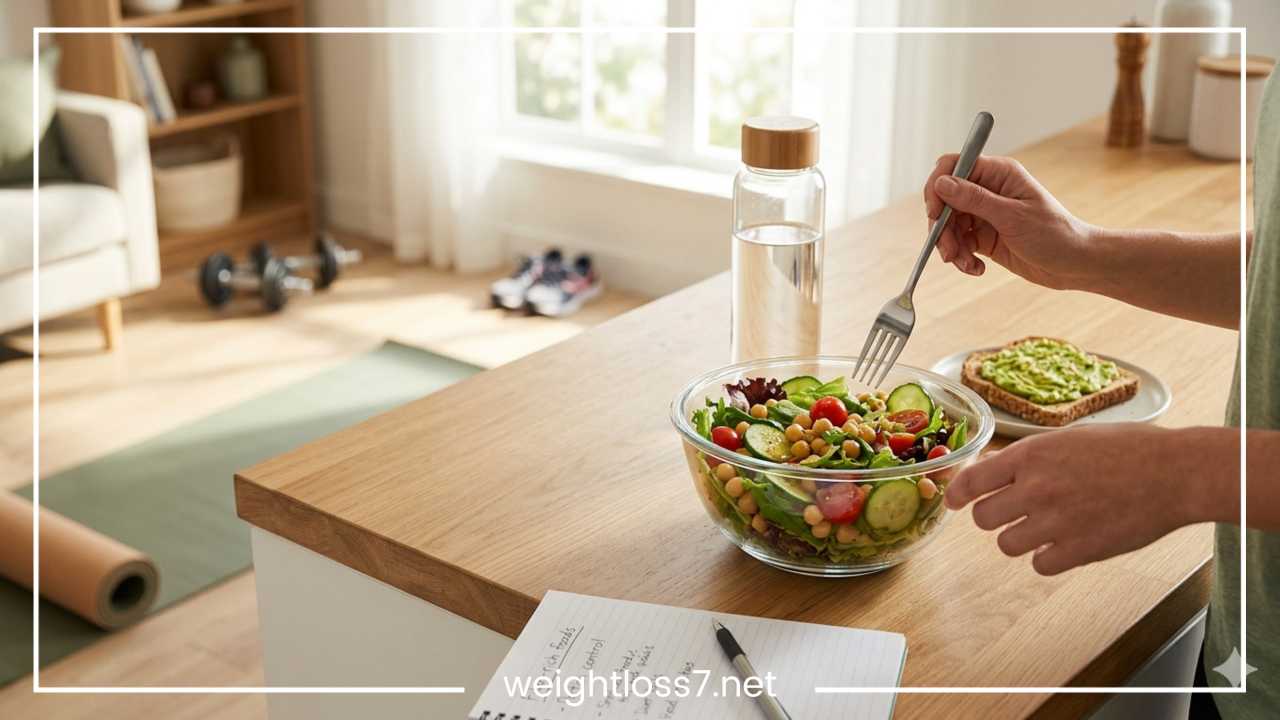
Motivation is a feeling, and feelings are fleeting. Some days you will feel inspired; many days you will not. The “best” for losing weight is to rely on routines. When healthy habits—like prepping a lunch or going for a morning walk—become automatic, they no longer require the same amount of willpower. Treat your healthy habits like brushing your teeth: something you do regardless of whether you feel “motivated” to do it.
Common Mistakes People Make
Despite the best intentions, many people fall into traps that hinder their progress and lead to frustration.
Expecting Fast Results
We live in an age of instant gratification, but the body does not work on a 24-hour news cycle. Healthy, sustainable weight loss is usually measured in half a pound to two pounds per week. Expecting to lose ten pounds in a week is not only unrealistic but often leads to “giving up” when the scale doesn’t move as fast as a marketing slogan promised.
Over-Restricting Food Intake
Many believe that the less they eat, the faster they will lose weight. However, extreme restriction often leads to a “binge-restrict” cycle. When you deprive yourself of enough energy or your favorite foods entirely, your cravings become so intense that you eventually overeat, leading to guilt and further restriction. Balance is more effective than perfection.
Skipping Meals Frequently
As mentioned earlier, skipping meals often backfires. It creates a “rebound hunger” that makes it much harder to make healthy choices later in the day. It can also lead to a drop in energy, making you less likely to be physically active.
Relying on a Single Change
Weight loss is a multi-faceted puzzle. Some people try to out-exercise a poor diet, while others try to lose weight through food changes alone without moving their bodies. While food is the primary driver of weight loss, exercise and lifestyle habits are what make that loss sustainable and ensure your body remains healthy and strong.
Following Trends Instead of Habits
Fads are designed to be temporary. If a “diet” has a start and an end date, it’s not a lifestyle change; it’s a temporary fix. When the diet ends, people usually return to their old habits, and the weight returns. The mistake is looking for a “fix” rather than looking for a new way to live.
How to Build a Sustainable Weight Loss Plan
Creating a plan that works for you requires a shift in perspective. It’s about building a life you don’t need to “take a break” from.
Setting Realistic Goals
Instead of a vague goal like “I want to lose weight,” set SMART goals (Specific, Measurable, Achievable, Relevant, and Time-bound). For example: “I will walk for 30 minutes, five days a week” or “I will include a vegetable with every dinner this week.” These small, actionable goals build confidence.
Making Small, Gradual Changes
You don’t have to overhaul your entire life on a Monday morning. Start by changing one thing at a time. Once you’ve mastered drinking more water, focus on adding more fiber. Once that feels natural, start a twice-weekly strength routine. These “micro-habits” are the building blocks of a permanent transformation.
Tracking Progress Beyond the Scale
The scale is a useful tool, but it is a “blunt” instrument. It doesn’t tell you if you’ve gained muscle, if your clothes fit better, or if your cardiovascular health has improved. Track other metrics:
-
Energy levels: Do you feel more alert during the day?
-
Fitness milestones: Can you walk further or lift more than last month?
-
Consistency: How many days this week did you stick to your plan?
-
Mood: Do you feel more stable and less stressed?
Creating a Balanced Weekly Routine
A balanced plan includes a mix of nourishing meals, regular movement, and adequate rest. Look at your week as a whole. If you have a busy social event on Wednesday, perhaps you plan for a longer walk on Thursday. Flexibility allows you to navigate the realities of life without feeling like you’ve “failed.”
Allowing for Flexibility
A rigid plan is a brittle plan. If your plan doesn’t allow for a piece of cake at a birthday party or a rest day when you’re feeling under the weather, it won’t last. Practice the 80/20 rule: if you eat nutrient-dense, whole foods 80% of the time, the other 20% can be for treats and social occasions without derailing your progress.
Staying Motivated Long-Term
The initial excitement of a weight loss journey eventually fades. This is where the transition from motivation to discipline occurs.
Motivation vs. Discipline
Motivation is what gets you started; discipline is what keeps you going. Discipline is the result of established habits. On the days you don’t feel like cooking or walking, you do it because it’s simply part of your routine.
Building Habits That Reduce Effort
The more you repeat a behavior, the less mental energy it takes. Eventually, choosing the salad over the fries or taking the stairs becomes the path of least resistance. You are essentially “automating” your weight loss.
Celebrating Small Wins
Don’t wait until you reach your “goal weight” to feel proud. Celebrate the fact that you chose water over soda today. Celebrate that you completed a full week of your walking routine. Recognizing these small victories keeps the positive momentum going.
Handling Setbacks Without Quitting
Everyone has “bad” days or weeks. The difference between those who succeed and those who don’t is how they respond to a setback. One overindulgent meal doesn’t ruin your progress; what ruins progress is the “I’ve already messed up, so I might as well keep eating” mentality. If you trip while walking, you don’t stay on the ground—you get back up and keep going.
Final Thoughts
In the search for the “best” way to lose weight, we often overlook the simplest truth: the best method is the one that respects your body, nourishes your health, and fits into your reality. There are no shortcuts, magic potions, or secret diets that can replace the power of consistent, healthy habits.
The pillars of weight loss are clear:
-
A balanced energy equation supported by whole, fiber-rich foods.
-
Regular, enjoyable movement that keeps the body strong and active.
-
Restorative lifestyle habits like quality sleep and stress management.
-
A mindset of patience and flexibility that values long-term health over short-term vanity.
Weight loss is not about punishment or deprivation; it is an act of self-care. It is about giving your body the environment it needs to function at its best. By focusing on these sustainable principles, you move away from the cycle of “yo-yo dieting” and toward a life of vitality and balance. Be patient with yourself, stay consistent, and remember that every small, positive choice is a step toward a healthier you.
Frequently Asked Questions (FAQ)
To help you navigate your journey, here are answers to some of the most common questions people ask when searching for effective ways to manage their weight.
How can I lose weight naturally without following a specific diet?
The most effective way to lose weight naturally is to focus on food quality and portion awareness rather than strict labels. By replacing highly processed snacks with whole foods like fruits, vegetables, and legumes, you naturally increase your fiber intake. This helps you feel full longer while consuming fewer calories. Combining this with a consistent daily walking routine creates a sustainable energy deficit without the stress of restrictive dieting.
What is the best way to lose belly fat for a general audience?
While you cannot “spot-reduce” fat from a specific area like the stomach, you can lower your overall body fat percentage through a combination of nutritional balance and movement. Focus on reducing added sugars and refined carbohydrates, which are often linked to abdominal fat storage. Incorporating full-body strength exercises and managing stress levels (which controls cortisol) will help your body shed fat more efficiently across your entire frame.
How much water should I drink daily for weight loss?
Hydration is a key pillar of metabolic health. A general goal for most adults is to aim for roughly 2 to 3 liters of water per day, though individual needs vary based on activity level. Drinking a glass of water before meals can improve digestion and help with appetite control, ensuring you don’t mistake thirst for hunger signals.
Can I lose weight by walking 30 minutes a day?
Yes, walking 30 minutes a day is an excellent foundation for weight loss. It increases your Non-Exercise Activity Thermogenesis (NEAT) and improves cardiovascular health without placing excessive strain on your joints. To maximize results, try to maintain a brisk pace and pair your walks with a balanced eating pattern that emphasizes whole grains and healthy fats.
How does sleep quality affect weight loss and hunger?
Sleep is a biological necessity for weight management. Poor sleep disrupts the hormones ghrelin and leptin, which regulate hunger and fullness. When you are sleep-deprived, your body craves quick energy—usually in the form of sugar and processed carbs. Prioritizing 7 to 9 hours of rest per night makes it significantly easier to stick to your healthy eating habits and maintain high energy levels for physical activity.
Is it better to focus on cardio or strength training for weight loss?
For long-term success, a combination of both is ideal. Cardio activities like walking or swimming are great for burning energy in the moment. However, strength training (using body weight or resistance) builds lean muscle tissue, which supports your metabolism even when you are resting. A balanced routine that includes both movement types will yield the best results for your body composition and overall health.
What are the best high-fiber foods for feeling full?
To stay satisfied while in a calorie deficit, prioritize foods like lentils, chickpeas, beans, oats, chia seeds, and leafy green vegetables. These items are low in energy density but high in volume, meaning you can eat a larger portion for fewer calories, which is a key strategy for sustainable weight management.