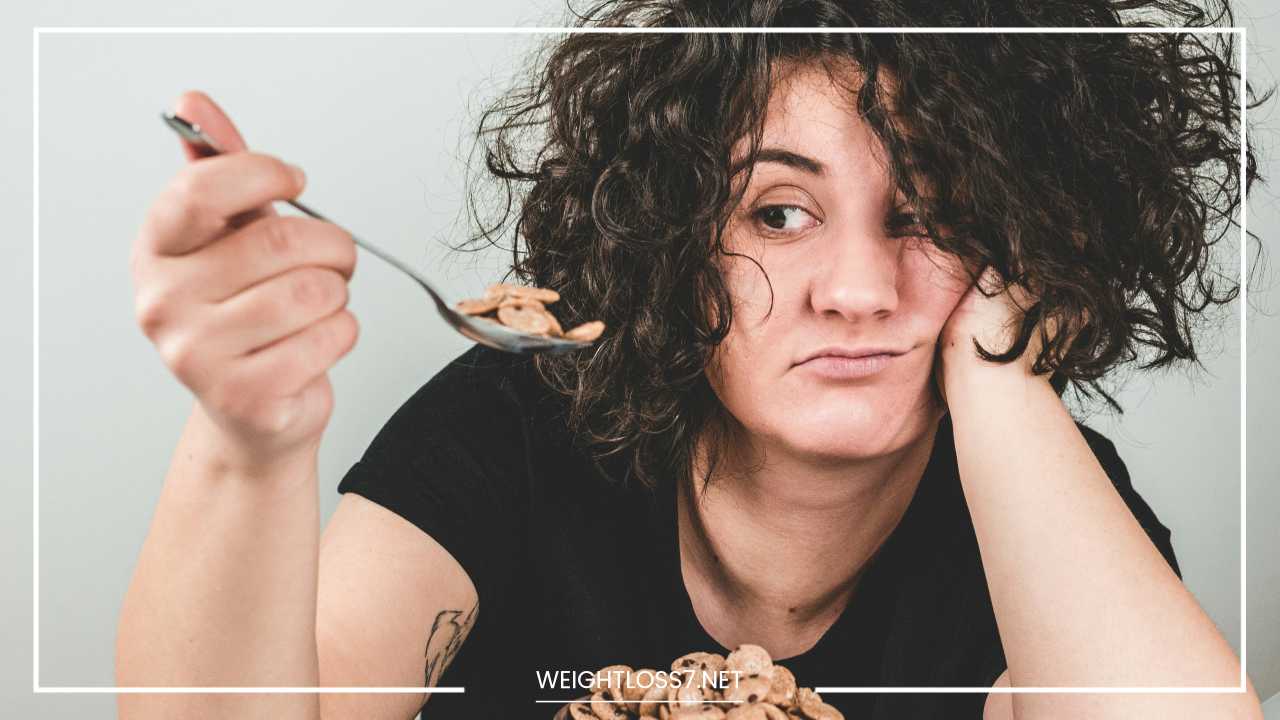
How Lose Weight Without Dieting


How to Lose Weight Without Dieting: A Sustainable Guide to Lasting Change
For decades, the concept of weight loss has been inextricably linked to the word “dieting.” We have been conditioned to believe that shedding excess weight requires a period of intense restriction, a list of forbidden foods, and a battle of willpower against our own hunger. Yet, for many, this cycle is exhausting and ultimately ineffective. The traditional dieting approach often leads to short-term success followed by long-term frustration, creating a revolving door of weight loss and regain that can damage both our metabolism and our relationship with food.
The truth is that dieting often fails because it is designed to be temporary. It relies on a “sprint” mentality, where the goal is to reach a certain number on the scale by any means necessary. Once that goal is reached—or once the restriction becomes unbearable—the diet ends, and old habits return. This leads to the emotional cycle of restriction, intense cravings, and eventual overcompensation. To break this cycle, we must shift our focus away from rigid food rules and toward sustainable lifestyle changes. Weight loss does not have to be a punishment; it can be a natural byproduct of living a more balanced, mindful life.
Why Dieting Often Fails
The primary reason traditional diets fail is their lack of sustainability. When we deprive ourselves of specific food groups or drastically slash our energy intake, our bodies go into a protective mode. Hunger hormones increase, energy levels drop, and our thoughts become preoccupied with the very things we are told we cannot have. This psychological pressure creates a “forbidden fruit” effect, where the desire for restricted foods grows until it becomes overwhelming.
Furthermore, dieting often ignores the complex emotional and environmental factors that influence why we eat. By focusing solely on what is on the plate, diets fail to address the stress, lack of sleep, or sedentary habits that contribute to weight gain in the first place. A lifestyle-first approach, rather than a diet-first approach, seeks to integrate healthy choices into your existing life rather than forcing your life to fit into a restrictive box. By focusing on consistency rather than intensity, you can achieve results that last for years, not just weeks.
Understanding Weight Loss in Simple Terms
At its most fundamental level, weight management is a matter of energy balance. Our bodies require energy to function—to breathe, to circulate blood, and to move. This energy comes from the food and drink we consume. When we consistently provide our bodies with slightly less energy than they need for daily activities, the body begins to use its stored energy reserves (body fat) to bridge the gap.
However, the body is a highly adaptive system, not a simple calculator. If you try to force rapid change through extreme starvation, your metabolism may slow down to conserve energy. This is why “crash diets” often plateau quickly. The goal is to create a modest, manageable energy gap that allows for gradual weight loss without triggering the body’s alarm systems.
Metabolism is simply the sum of all the chemical processes in your body. While genetics play a role, your metabolic rate is heavily influenced by your daily movement, your muscle mass, and even your sleep quality. Instead of trying to “hack” your metabolism with supplements or gimmicks, the most effective strategy is to provide your body with the right environment to function optimally. Consistency is the secret ingredient; your body responds far better to small, daily habits than it does to occasional bursts of extreme effort.
Focus on Eating Habits, Not Diets
If we move away from the idea of “good” and “bad” foods, we can focus on the how and why of eating. Mindful eating is one of the most powerful tools for weight management without dieting. It involves paying full attention to the experience of eating—the flavors, textures, and aromas of your food—while also tuning in to your body’s internal signals of hunger and fullness.
Many of us eat out of habit, boredom, or stress rather than true physiological hunger. Before reaching for a snack, take a moment to ask yourself, “Am I truly hungry, or am I just tired, bored, or anxious?” If the answer is physical hunger, eat until you are satisfied, not stuffed. Slowing down your eating pace is crucial here. It takes roughly twenty minutes for your brain to receive the signal from your stomach that you are full. By rushing through a meal, it is easy to consume more than your body actually needs before you even realize you’ve had enough.
Another major factor in modern overeating is distraction. When we eat while watching television or scrolling through our phones, our brains are not fully processing the act of eating. This lack of awareness often leads to mindless grazing. By making mealtime a dedicated activity, free from screens, you can naturally improve your portion awareness without ever having to count a single calorie.
Improve Food Quality Without Restriction
Losing weight without dieting does not mean you ignore what you eat; it means you change the focus from exclusion to inclusion. Instead of thinking about what you need to cut out, think about what you can add to your meals to make them more satisfying and nutritious. A primary goal should be to prioritize minimally processed, whole foods. These are foods that are as close to their natural state as possible.
Fiber is a superstar when it comes to weight management. Foods high in fiber—such as vegetables, fruits, whole grains, legumes, nuts, and seeds—are naturally more filling. They take longer to digest, which helps keep your energy levels stable and prevents the “sugar crashes” that often lead to cravings for processed snacks. A balanced plate doesn’t require a special recipe; it simply involves a mix of complex carbohydrates for energy, protein for satiety and muscle repair, and healthy fats for hormone health and nutrient absorption.
Rather than an “all or nothing” approach to treats or processed foods, aim for gradual shifts. If you usually have a sugary snack in the afternoon, try swapping it for a piece of fruit and a handful of nuts a few days a week. These smart substitutions are much easier to maintain than a sudden, total ban on sugar. Over time, your palate often changes, and you may find that you naturally crave less of the ultra-processed options.
The Role of Physical Activity in Weight Loss
Exercise is often viewed as a form of “payment” for the food we eat, but this mindset is counterproductive. Physical activity should be seen as a way to celebrate what your body can do and as a tool to improve your overall well-being. When movement becomes a daily habit rather than a chore, weight loss becomes much more sustainable.
Walking is perhaps the most underrated tool for fat loss. It is low-impact, accessible, and can be integrated into your day almost anywhere. Whether it’s a brisk walk in the morning, a stroll during your lunch break, or a family walk after dinner, those steps add up. Beyond walking, including some form of strength training is highly beneficial. Building and maintaining muscle helps support a healthy metabolic rate because muscle tissue requires more energy to maintain than fat tissue. This doesn’t mean you have to become a bodybuilder; simple resistance exercises using your own body weight or light weights are sufficient.
The key to long-term success is finding activities you actually enjoy. If you hate the gym, don’t go to the gym. Instead, try dancing, cycling, swimming, yoga, or playing a recreational sport. When you look forward to moving your body, you are much more likely to be consistent. Remember, a thirty-minute walk you do every day is far more effective for weight loss than a two-hour workout you only do once a month.
Sleep and Its Hidden Impact on Weight
We often overlook the bedroom when thinking about weight loss, but sleep is a cornerstone of metabolic health. When you are chronically sleep-deprived, your body’s hunger hormones go out of balance. Levels of ghrelin (the hormone that tells you to eat) rise, while levels of leptin (the hormone that tells you you’re full) fall. This is why you often find yourself reaching for sugary, high-energy foods after a poor night’s sleep; your brain is literally searching for a quick energy fix to compensate for fatigue.
Poor sleep also increases cortisol, a stress hormone that can encourage the body to store fat, particularly around the midsection. Furthermore, when you are tired, you are less likely to have the willpower to make mindful food choices or the energy to stay active. Improving your sleep is one of the most effective “passive” ways to support weight loss.
To improve your sleep quality, try to maintain a consistent sleep schedule, even on weekends. Reducing screen time at least an hour before bed can help your brain wind down, as the blue light from devices can interfere with the production of melatonin. Creating a relaxing bedtime routine—perhaps involving a warm bath, reading a physical book, or gentle stretching—signals to your body that it is time to rest.
Stress Management and Emotional Eating
Stress is a major, often hidden, driver of weight gain. In our modern, fast-paced world, many people live in a state of chronic low-grade stress. This keeps cortisol levels elevated, which not only increases appetite but also influences where our bodies store fat. Moreover, many of us use food as a primary coping mechanism for difficult emotions.
Emotional eating isn’t about hunger; it’s about trying to soothe feelings of boredom, anxiety, loneliness, or exhaustion. To lose weight without dieting, it is essential to build an “emotional toolkit” of non-food coping strategies. When you feel the urge to eat but know you aren’t physically hungry, try a different activity first. A five-minute breathing exercise, a short walk, journaling your thoughts, or engaging in a hobby can help the emotional wave pass without the need for snacks.
Building awareness is the first step. By pausing and acknowledging the emotion behind the craving, you regain control. Over time, you can break the automatic link between feeling stressed and reaching for food. Managing stress through regular activity, social connection, and mindfulness creates a more stable internal environment that makes weight management feel much less like an uphill battle.
Hydration and Daily Energy Balance
Water plays a vital role in every metabolic process in the body. Staying properly hydrated is essential for maintaining energy levels and ensuring that your digestion functions smoothly. Interestingly, the signals for thirst and hunger are very similar, and it is common for people to mistake dehydration for a need for food.
Drinking a glass of water when you first wake up and keeping a bottle with you throughout the day can help regulate your appetite naturally. Choosing water as your primary beverage also helps reduce the intake of liquid calories, which often don’t provide the same sense of fullness as solid food. You don’t need to follow complex rules about exactly how many liters to drink; simply aim to drink enough so that you rarely feel thirsty and your energy remains steady.
Behavioral Changes That Matter More Than Diets
Long-term weight management is built on the foundation of small, daily habits. These habits, while they may seem insignificant individually, compound over time to create significant results. One of the most effective ways to support these habits is through “environment design.” This means setting up your surroundings to make the healthy choice the easy choice.
For example, keeping a bowl of fresh fruit on the counter makes it more likely you’ll grab a healthy snack. Keeping your walking shoes by the door makes it easier to head out for a stroll. Conversely, reducing the visibility of impulse triggers—like keeping snacks tucked away in a cupboard rather than on the desk—can help reduce mindless eating.
Consistency in your routines also helps. Having relatively regular meal times and activity patterns helps regulate your body’s internal clock and hunger signals. When tracking your progress, try to look beyond the scale. Pay attention to your energy levels, the quality of your sleep, how your clothes fit, and your physical strength. These “non-scale victories” are often better indicators of true health and progress than a daily fluctuation in body weight.
Common Mistakes People Make When Trying to Lose Weight
Many people stumble not because they lack willpower, but because they fall into common traps. The biggest mistake is expecting results to happen too quickly. Sustainable weight loss is a slow process. When people don’t see immediate changes, they often become discouraged and give up, returning to the very habits they were trying to change.
Another mistake is the cycle of extreme restriction. Trying to change everything at once—cutting out all snacks, starting an intense gym routine, and sleeping three hours less to fit it all in—is a recipe for burnout. This “all or nothing” mentality usually leads to “nothing” within a few weeks. It is much better to master one or two small changes before adding more.
Finally, many people ignore the roles of sleep and stress. You cannot “out-exercise” a lifestyle that is chronically stressed and underslept. By focusing only on food and movement, you miss the foundational elements that allow your body to release excess weight. Weight loss is a holistic process that involves the mind as much as the body.
A Realistic Long-Term Approach
The shift from “dieting” to “living” requires a change in perspective. Instead of seeing your journey as a temporary period of suffering, view it as a continuous lifestyle upgrade. This approach allows for flexibility. There will be days when you eat more than planned, or weeks when you are too busy to exercise as much as you’d like. In a traditional diet, these moments are often seen as “failures” that justify giving up. In a sustainable lifestyle approach, they are simply part of life.
Accepting that weight will fluctuate due to hydration, hormones, and stress is vital for maintaining your mental health. The goal isn’t perfection; it’s progress. By focusing on the daily habits that make you feel good—moving your body, eating nourishing foods, sleeping well, and managing stress—the weight will take care of itself over time. Patience is your greatest ally. If you make changes that you can actually enjoy, you won’t be counting down the days until the “diet” is over.
Final Thoughts
Losing weight without dieting is not only possible; for many, it is the only way to achieve lasting results. By stepping away from the restrictive rules and emotional exhaustion of traditional diets, you open up the possibility for a healthier, more balanced relationship with your body. True weight management is about the small, consistent choices we make every day.
Focus on nourishing your body with high-quality foods, moving in ways that bring you joy, and giving your mind and body the rest they need. When you prioritize your overall well-being, weight loss becomes a natural consequence of a healthy life rather than a stressful goal to be chased. Remember that the best approach is the one you can maintain for the rest of your life. Start small, be patient with yourself, and enjoy the journey toward a more vibrant, energetic you.
Frequently Asked Questions About Sustainable Weight Loss
How can I lose weight naturally without following a restrictive diet?
Losing weight naturally involves shifting your focus from “what to cut out” to “how to live better.” Instead of following a rigid plan, focus on increasing daily movement, improving the quality of your sleep, and choosing whole, fiber-rich foods that keep you full longer. By addressing the root causes of overeating—such as stress, dehydration, and lack of sleep—you create a caloric deficit naturally without the mental strain of a “diet.”
What are the best ways to stop emotional eating and lose weight?
The first step to stopping emotional eating is building self-awareness. Before eating, pause to check if you are experiencing physical hunger (a growling stomach) or emotional hunger (a craving triggered by stress or boredom). Developing a “buffer” activity, such as a five-minute walk, deep breathing exercises, or drinking a glass of water, can help the emotional urge pass. Finding non-food ways to cope with stress is essential for long-term weight management.
How does walking every day help with long-term weight loss?
Walking is one of the most effective tools for weight loss because it is low-impact and sustainable. Unlike high-intensity workouts that can sometimes increase appetite significantly, walking burns calories while keeping stress hormones like cortisol in check. Consistent daily walking—aiming for 30 to 60 minutes—improves cardiovascular health and contributes to a steady energy burn that adds up significantly over weeks and months.
Can improving sleep quality actually help me shed body fat?
Yes, sleep is a critical pillar of metabolic health. When you are sleep-deprived, your body produces more ghrelin (the hunger hormone) and less leptin (the fullness hormone). This hormonal imbalance makes you crave high-sugar, high-calorie foods. By getting 7–9 hours of quality sleep, you keep your appetite hormones balanced and your energy levels high, making it much easier to make mindful food choices during the day.
Why am I not losing weight even though I think I am eating healthy?
Weight loss plateaus often happen because of “hidden” factors like chronic stress, lack of sleep, or mindless grazing. Even when eating healthy foods, portion awareness still matters. Additionally, if you are highly stressed, your body may be producing excess cortisol, which encourages fat storage. Focusing on a holistic approach—balancing activity, nutrition, and recovery—usually helps restart progress without needing to resort to extreme restriction.
How much water should I drink daily to support my metabolism?
While there is no “magic number” that fits everyone, staying well-hydrated is vital because the brain often confuses thirst for hunger. Drinking water before meals can increase satiety and ensure your metabolism functions at its peak. A good rule of thumb is to drink enough so that your energy stays consistent and you rarely feel thirsty, prioritizing water over sugary or caffeinated beverages.
Is it possible to lose weight without doing intense gym workouts?
Absolutely. While the gym is a great tool, weight loss is primarily driven by your overall daily activity levels and your eating habits. Activities like gardening, cycling, swimming, yoga, and even household chores contribute to your total energy expenditure. The most effective exercise for weight loss is the one you can do consistently. Finding movement that you enjoy ensures you stay active for years, not just for a few weeks.