Health Weight Loss Diet for Beginners

Health Weight Loss Diet for Beginners: 7 Days to a Better You
Why a 7-Day Start Matters
Embarking on a weight loss journey is often met with a mixture of excitement and trepidation. For many beginners, the sheer volume of information available can be overwhelming. You are told to count every calorie, eliminate entire food groups, or follow grueling exercise regimens that feel unsustainable from day one. This complexity often leads to “analysis paralysis,” where the fear of doing it wrong prevents any action at all. This is why a structured, seven-day start is so incredibly valuable. It provides a manageable window of time to focus on one thing: building momentum.
The first week of any lifestyle change is not about reaching your final goal; it is about proving to yourself that change is possible. Many people fail in their health journeys because they view weight loss as a sprint toward a finish line. However, true health is a marathon without an end. By focusing on a seven-day framework, you shift your mindset from “How much can I lose?” to “What habits can I build?” This short-term structure helps quiet the noise of long-term anxiety. It allows you to focus on the immediate present—the next meal, the next glass of water, and the next night of restful sleep.
The goal of these first seven days is to establish a foundation of habit formation. Instead of crash dieting, which shocks the body and often leads to a rebound in weight, we focus on gentle, consistent adjustments. By the end of the week, the success is measured not just by the scale, but by your increased energy levels, improved digestion, and the newfound confidence that you can make conscious choices about your well-being. Setting realistic expectations is key. Gradual progress is the only progress that lasts, and this week is your first step toward a healthier, more vibrant version of yourself.
Understanding Healthy Weight Loss Basics
To succeed in losing weight, it is essential to understand the underlying mechanics of how the body uses energy. At its simplest level, weight loss is governed by the concept of energy balance. Every day, your body requires a certain amount of energy to perform basic functions like breathing, circulating blood, and moving. This energy comes from the food and drinks you consume. When you consistently provide your body with slightly less energy than it spends, it begins to use its stored energy reserves, which leads to weight reduction.
However, viewing weight loss solely through the lens of “calories in versus calories out” can be reductive. The quality of the food you eat matters just as much as the quantity. For instance, calories derived from fiber-rich legumes and whole grains affect your hunger hormones and blood sugar levels differently than calories from refined sugars. Consistency is the most important factor in this equation. Extreme restriction—such as eating far too little—actually triggers a survival response in the body that can slow down your metabolism and lead to intense cravings. Sustainable weight loss happens when you find a balance that you can maintain day after day without feeling deprived.
Beyond food, several lifestyle pillars support this metabolic process. Hydration is critical; water is necessary for nearly every chemical reaction in the body, including the breakdown of fat. Sleep is another often-overlooked factor. Lack of sleep disrupts the hormones that regulate hunger (ghrelin) and fullness (leptin), often leading to overeating the next day. Finally, daily movement—even just a brisk walk—helps keep your metabolism active. Understanding that weight loss is a holistic process involving food, water, rest, and movement will save you from the “quick fix” trap. Rapid weight loss schemes usually result in the loss of water weight and muscle mass rather than fat, and they almost always fail because they are impossible to maintain.
Building a Beginner-Friendly Eating Approach
A beginner-friendly eating approach should feel like an addition of goodness rather than a subtraction of joy. The focus should be on creating balanced meals that satisfy your physiological needs. A balanced plate typically consists of three main components: complex carbohydrates, non-animal-based proteins, and healthy fats. Complex carbohydrates, such as those found in whole grains, provide the steady stream of glucose your brain and muscles need. Proteins from legumes and pulses are essential for maintaining muscle tissue and keeping you feeling full. Healthy fats, found in nuts and seeds, support hormone production and nutrient absorption.
Fiber is the “secret weapon” of a successful weight loss diet. Found exclusively in plant-based foods like vegetables, fruits, and beans, fiber adds bulk to your meals without adding significant calories. It slows down digestion, which means you stay fuller for longer periods. This naturally reduces the urge to snack between meals. When you prioritize fiber-rich foods, you often find that portion control happens organically. Instead of obsessively weighing every gram of food, you can use visual cues. For example, filling half your plate with colorful vegetables, one-quarter with a protein source like lentils or chickpeas, and the final quarter with a whole grain creates a naturally balanced and calorie-controlled meal.
Another pillar of this approach is regular eating patterns. Many beginners believe that skipping breakfast or lunch will “save” calories and speed up weight loss. In reality, this often leads to extreme hunger by late afternoon, resulting in overeating or making poor food choices out of desperation. By eating regular, structured meals, you keep your blood sugar stable and your energy levels consistent. This proactive approach prevents the “hunger spikes” that usually lead to a breakdown in willpower. Focus on nourishing your body consistently, and your body will reward you by letting go of excess weight more easily.
Foods That Support Weight Loss
When you focus on what you can eat, the journey becomes much more enjoyable. There is a vast array of nutrient-dense foods that naturally support weight loss by providing high levels of vitamins and minerals for relatively few calories. These foods should form the backbone of your 7-day plan and your long-term eating habits.
Whole Grains
Move away from white, refined flours and embrace grains in their whole form. Oats, brown rice, quinoa, and whole-wheat varieties are excellent choices. These grains contain the bran and germ, which provide fiber and essential B vitamins. They take longer to digest, preventing the rapid insulin spikes associated with fat storage.
Legumes and Pulses
Lentils, chickpeas, black beans, and kidney beans are nutritional powerhouses. They are incredibly high in both protein and fiber, a combination that is perfect for weight management. Because they are so versatile, they can be used in soups, salads, stews, or even mashed into spreads. They are hearty and satisfying, making them an ideal replacement for heavier, less healthy options.
Fresh Fruits
Fruits are nature’s way of satisfying a sweet tooth while providing hydration and fiber. Options like berries, apples, pears, and citrus fruits are particularly good for weight loss because of their high water content and lower calorie density. They make for perfect snacks or light additions to a morning meal.
Vegetables
Leafy greens like spinach and kale, along with cruciferous vegetables like broccoli, cauliflower, and Brussels sprouts, should be eaten in abundance. They are extremely low in calories but very high in volume, allowing you to eat large portions that keep your stomach physically full. They also provide the phytonutrients necessary for overall health.
Nuts and Seeds
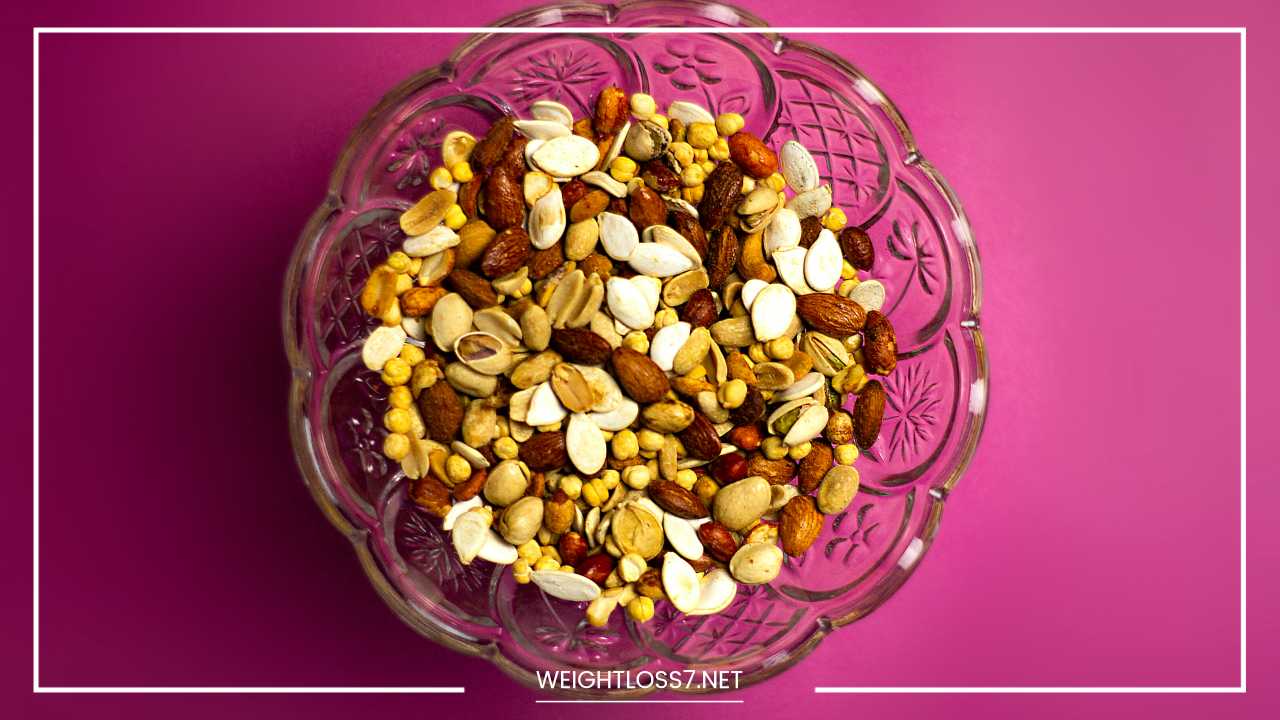
While calorie-dense, nuts and seeds like almonds, walnuts, chia seeds, and flaxseeds are vital for health. They provide essential fatty acids and a satisfying crunch. The key here is moderation—a small handful is usually enough to provide satiety and nutritional benefits.
Natural Beverages
Hydration should primarily come from water. If you find plain water boring, herbal infusions like peppermint or chamomile tea are excellent, calorie-free alternatives. Unsweetened drinks ensure that you are not drinking “hidden” calories that don’t contribute to fullness.
Foods and Habits to Reduce
While the focus should be on inclusion, it is equally important to identify the habits and foods that can stall your progress. Reducing these items isn’t about being “perfect,” but about being mindful of how they affect your body’s ability to burn fat and maintain energy.
The most significant culprit in stalled weight loss is often liquid calories. Sugary drinks, including sodas, sweetened coffees, and even many bottled fruit juices, provide a massive amount of sugar without any fiber to slow down its absorption. This leads to a rapid spike in blood sugar followed by a “crash” that leaves you feeling hungry and tired shortly after. Similarly, highly processed packaged snacks—like chips, crackers, and store-bought cookies—are designed to be hyper-palatable, meaning they are engineered to make you want to keep eating them even when you aren’t hungry.
Overeating refined carbohydrates, such as white bread and pasta, can also be a hurdle. Because these foods have had their fiber removed, the body processes them very quickly into sugar. If that energy isn’t used immediately through activity, the body is more likely to store it as fat. Furthermore, the timing of your meals can play a role. Consuming heavy, calorie-dense meals late at night can disrupt sleep and lead to indigestion. The body is less efficient at processing large amounts of energy when it is preparing for rest.
Perhaps even more important than what you eat is how you eat. Mindless eating is a major contributor to weight gain. When we eat while watching television, scrolling through our phones, or working at a desk, we lose touch with our body’s satiety signals. We often finish a large portion without even realizing we have done so. Stress eating is another common habit where food is used to soothe emotions rather than satisfy physical hunger. Identifying these triggers during your first seven days is a crucial step toward long-term control.
The 7-Day Beginner Weight Loss Plan Overview
This 7-day plan is designed to be a framework, not a rigid set of rules. It is meant to guide you through the process of adjusting your body and mind to a new way of nourishing yourself. Use this week to observe how your body reacts to different foods and habits.
Day 1–2: Clean Start & Hydration Focus
The first two days are about “resetting” your palate and prioritizing water. Often, we mistake thirst for hunger. By ensuring you are drinking adequate water throughout the day, you may find that your cravings for snacks decrease. Focus on eating whole, unprocessed foods and removing sugary drinks from your routine.
Day 3–4: Portion Awareness & Balanced Meals
Once you have established a hydration routine, focus on the structure of your plate. Practice the “half-plate vegetable” rule. Start noticing the difference between “eating until you are full” and “eating until you are no longer hungry.” There is a subtle but important distinction between the two.
Day 5: Energy Stabilization Through Regular Meals
By day five, your goal is to ensure you aren’t experiencing energy dips. Make sure you are eating at regular intervals. If you find yourself getting irritable or excessively hungry in the afternoon, look at whether your lunch had enough protein and fiber.
Day 6: Mindful Eating Focus Day
Dedicate this day to the experience of eating. Turn off the screens. Chew your food thoroughly and notice the textures and flavors. This practice helps rewire the connection between your stomach and your brain, making it easier to stop when you are satisfied.
Day 7: Reflection and Habit-Building Review
On the final day, look back at the week. Which meals made you feel the best? When did you feel most tempted to return to old habits? Use this day to plan for the following week, keeping the elements that worked and adjusting the ones that didn’t.
Key Tips for the Week:
-
Drink water before meals: A glass of water 20 minutes before eating can help with digestion and portion control.
-
Eat slowly: It takes about 20 minutes for your brain to receive the signal that your stomach is full.
-
Stop at comfortable fullness: You don’t need to clear your plate if you are already satisfied.
Sample Daily Meal Structure
To make this journey practical, it helps to have a template for how a typical day might look. Remember, this is flexible—the goal is to find a rhythm that fits your unique lifestyle and preferences.
Morning: Light and Energizing
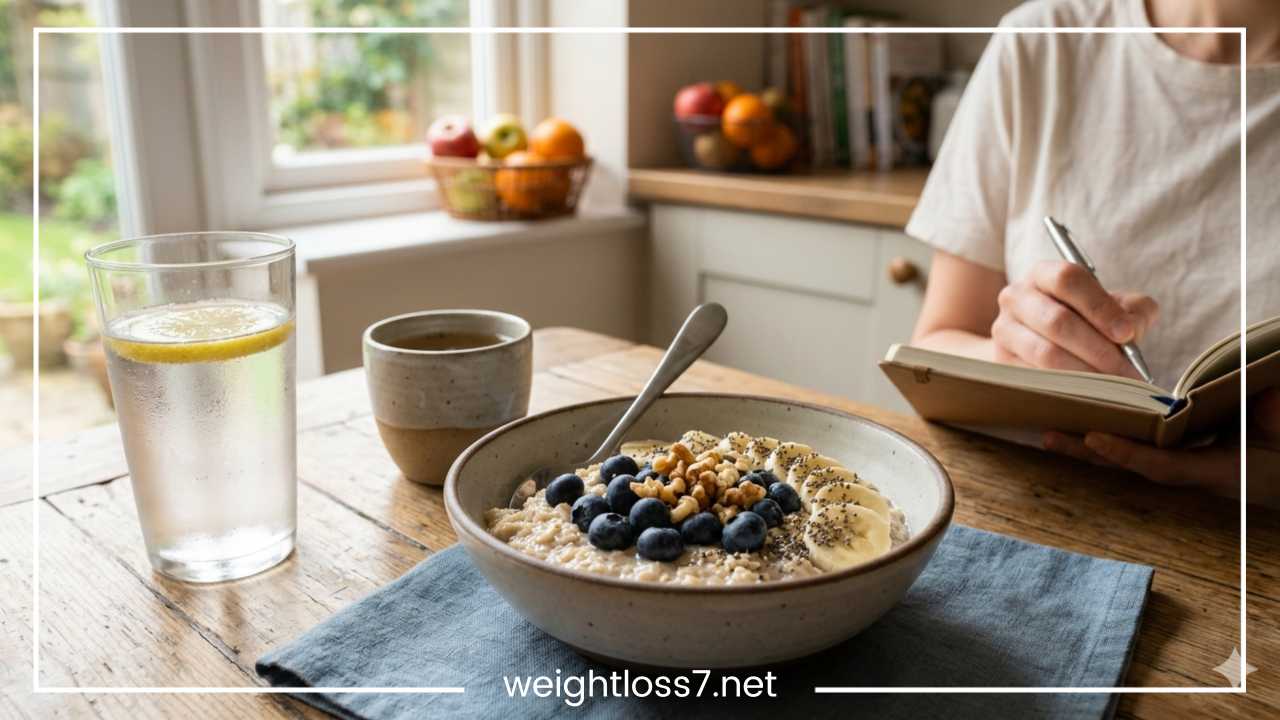
Start your day with something that provides steady energy. A bowl of warm oats topped with fresh berries and a few crushed walnuts is a classic choice. If you prefer something lighter, a piece of whole-grain toast with a spread made from mashed chickpeas or a small serving of fruit and a handful of almonds can work well. The goal is to break your overnight fast without feeling weighed down.
Mid-Morning Snack (Optional)
If you feel hungry between breakfast and lunch, opt for a small portion of fruit or a few nuts. This isn’t about eating a full meal, but about providing just enough energy to keep your focus sharp until lunch. A small apple or a pear is a perfect, portable option.
Lunch: The Balanced Plate
Lunch should be your most substantial meal to power you through the afternoon. Imagine a large bowl or plate. Fill half of it with a variety of vegetables—raw salad greens, roasted carrots, or steamed broccoli. Add a serving of whole grains like brown rice or quinoa. For the protein component, include a generous serving of lentils, beans, or a bean-based stew. This combination of fiber, complex carbs, and protein is the gold standard for satiety.
Evening Snack (Optional)
If the gap between lunch and dinner is long, a light snack like carrot sticks or cucumber slices can be refreshing. Avoid heavy or sugary snacks in the evening, as they can interfere with your appetite for a healthy dinner.
Dinner: Simple and Light
Dinner should be nourishing but perhaps a bit lighter than lunch. A vegetable-heavy soup with beans or a stir-fry of various colorful vegetables served over a small portion of whole-grain noodles or rice is ideal. Keeping dinner simple helps your body focus on repair and recovery during sleep rather than heavy digestion.
Lifestyle Habits That Enhance Weight Loss
While diet is a major component of weight loss, it does not exist in a vacuum. Your daily habits act as the “support system” for your nutritional choices. If you are stressed, sleep-deprived, and sedentary, even the best diet will be harder to maintain.
Movement is a key pillar, but for beginners, it shouldn’t be intimidating. You do not need to join a gym or run a 5K in your first week. Simple, consistent movement is far more effective for long-term health. Walking is one of the best exercises for weight loss. Aim for a 20-minute walk each day. This not only burns a few extra calories but also helps regulate blood sugar and reduces stress. The goal is to move your body in a way that feels good, whether that’s gardening, light stretching, or taking the stairs instead of the elevator.
Sleep is perhaps the most underrated weight loss tool. When you are well-rested, your body functions optimally. Research consistently shows that people who get 7 to 8 hours of quality sleep per night have an easier time managing their weight. Sleep deprivation increases the production of cortisol, a stress hormone that encourages the body to store fat, particularly around the midsection. Creating a calming nighttime routine—such as dimming the lights and avoiding screens an hour before bed—can significantly improve your sleep quality.
Stress management is the final piece of the puzzle. High stress levels often lead to emotional eating and a breakdown of healthy habits. Finding small ways to manage stress—like five minutes of deep breathing, writing in a journal, or taking a short break away from your desk—can prevent the “stress-response” eating that often derails beginners. By taking care of your mind and body holistically, you make the process of weight loss feel less like a chore and more like an act of self-care.
Common Mistakes Beginners Should Avoid
In the pursuit of weight loss, it is easy to fall into common traps that actually hinder your progress. Being aware of these pitfalls can help you navigate your first seven days more successfully.
One of the most frequent mistakes is skipping meals. It seems logical that eating less frequently would lead to more weight loss, but it usually backfires. Skipping meals leads to intense hunger, which often results in poor decision-making and overeating later in the day. It also signals to your body that food might be scarce, which can lead to a temporary slowing of your metabolic rate. It is much better to eat smaller, balanced meals consistently.
Another mistake is over-restricting specific food groups. While it is wise to reduce refined sugars and processed foods, cutting out all carbohydrates or all fats can lead to nutrient deficiencies and intense cravings. Your body needs a variety of nutrients to function. Instead of “cutting things out,” focus on “swapping things for better versions.” Swap white rice for brown rice; swap sugary snacks for fruit. This “addition” mindset is much more sustainable.
Expecting immediate, visible results is another hurdle. Weight loss is not linear. Your weight can fluctuate daily based on water retention, salt intake, and even stress. If you don’t see a change on the scale after three days, don’t be discouraged. Focus on non-scale victories, such as your clothes fitting better, having more energy, or sleeping more soundly. Finally, avoid comparing your journey to others. Everyone’s body is different, and what works for one person may take more time for another. Focus on your own progress and celebrate your own small wins.
How to Maintain Results After 7 Days
The end of your first seven days is not the end of the journey; it is the beginning of a new lifestyle. The transition from a “7-day plan” to a long-term habit is where the real transformation happens. The key is to avoid the “all-or-nothing” mentality. If you had a great week and then ate a large, processed meal on day eight, you haven’t “failed.” You simply had a meal that wasn’t on the plan. The goal is to return to your healthy habits at the very next opportunity.
Maintaining your results requires a shift toward gradual improvements. Instead of looking for the next “big change,” look for small ways to refine your current habits. Perhaps you can try a new legume each week, or find a new walking route to keep your activity interesting. Continuing the balanced eating patterns you practiced this week—prioritizing fiber, hydration, and whole foods—will ensure that your weight continues to trend in the right direction.
Weekly reflection is a powerful tool for maintenance. Take a few minutes every Sunday to think about the week ahead. Do you have a busy schedule that might make healthy eating difficult? If so, can you prepare some grains or lentils in advance? By anticipating challenges, you remove the need to rely on “willpower” alone. Maintenance is about making the healthy choice the easy choice. Over time, these conscious actions will become subconscious habits, and you will find that living healthily requires less and less effort.
Final Thoughts: Your First Step Toward a Healthier Lifestyle
You have taken a significant step by simply seeking out information and planning your first week. Weight loss is a deeply personal journey, and there is no one-size-fits-all solution. However, the principles of balance, consistency, and kindness toward yourself are universal. This seven-day framework is designed to show you that eating well doesn’t have to be complicated or restrictive. It can be a celebration of fresh, whole foods and a renewed connection with your body’s needs.
Remember that long-term health is built on the foundation of small, daily choices. Every glass of water you drink, every extra vegetable you add to your plate, and every walk you take contributes to the bigger picture. Do not strive for perfection; strive for progress. There will be days that are harder than others, but those days do not define your success. What defines your success is your willingness to keep showing up for yourself.
As you move forward beyond these seven days, keep the motivation high but the pressure low. You are learning a new skill—the skill of nourishing your body correctly. Like any skill, it takes time to master. Be patient with yourself, stay curious about what makes you feel your best, and enjoy the journey toward a more vibrant, healthy, and confident you. Your first week is just the beginning of a wonderful transformation.
Frequently Asked Questions About Starting a Health Weight Loss Diet
What is the best weight loss diet for beginners with no exercise?
While movement is beneficial, the most effective approach for beginners without a formal exercise routine is focusing on caloric density and satiety. By prioritizing high-fiber foods like lentils, beans, and leafy greens, you can feel full while consuming fewer calories. Consistency in your eating window and staying hydrated are the most powerful tools when you are not yet ready for the gym.
How can I lose weight naturally without eating meat or eggs?
Losing weight on a plant-based, non-animal product diet is highly effective because whole plant foods are naturally lower in calories and higher in fiber. To ensure success, focus on whole-food protein sources like chickpeas, kidney beans, and quinoa. Avoid replacing meat with highly processed “mock meats” or refined carbohydrates like white pasta, as these can stall weight loss.
What are the best high-fiber foods for weight loss for beginners?
For those just starting, the easiest high-fiber foods to incorporate are oats, chia seeds, lentils, and cruciferous vegetables like broccoli. Fiber is essential because it slows digestion and prevents the blood sugar spikes that lead to fat storage. Aim to add one serving of a fiber-rich food to every meal to stay satisfied longer.
Is it possible to see weight loss results in just 7 days?
Yes, it is possible to see changes in the first week, though it is important to manage expectations. Initial weight loss in a 7-day start is often a combination of reduced water retention and a decrease in bloating due to better digestion. These early results are a great “motivational spark” to help you commit to the long-term lifestyle changes required for fat loss.
How much water should I drink daily to lose weight?
A general rule for weight loss is to aim for approximately 2 to 3 liters of water per day, depending on your activity level. Drinking water, especially before meals, can help with portion control and ensures your metabolism is functioning efficiently. If you find plain water difficult to drink, try herbal teas or infusing water with slices of lemon or cucumber.
Why am I not losing weight even though I am eating healthy?
“Healthy” foods can still be calorie-dense. Common culprits include over-portioning nuts and seeds, using too much oil in cooking, or consuming hidden sugars in “healthy” packaged snacks. Additionally, a lack of sleep or high stress can cause your body to hold onto weight. Focusing on whole, unprocessed foods and mindful portion sizes is usually the fix.
Can I lose belly fat by changing my diet alone?
While you cannot “spot-treat” fat loss in a specific area like the belly, a diet low in refined sugars and high in fiber is the most effective way to reduce overall body fat, including abdominal fat. Reducing refined carbohydrates and sugary beverages is particularly helpful in lowering the insulin levels that contribute to belly fat storage.