What Helps for Weight Loss


What Helps for Weight Loss: Simple, Effective Tips That Work
Understanding Weight Loss
Weight loss is one of the most discussed topics in modern health, yet it remains one of the most misunderstood. At its core, weight loss is the process of reducing total body mass, but for most people, the true goal is fat loss. It is important to distinguish between losing body fat, losing water weight, and losing muscle mass. While the scale might drop quickly during a “crash diet,” that change often reflects a loss of fluids or valuable muscle tissue rather than the stored energy (fat) we actually want to address.
Sustainable weight loss is not about a sprint to a specific number; it is about a marathon toward a healthier lifestyle. The “quick fix” mentality—relying on extreme restriction or fad products—rarely leads to long-term success. Instead, it often results in “yo-yo dieting,” where weight is lost and then regained quickly, sometimes even surpassing the starting point. This cycle can be taxing on both the body and the mind.
The key to lasting change lies in balance. Weight loss is a multifaceted puzzle where the pieces include what we eat, how we move, how well we sleep, and how we manage our mental habits. When these elements work in harmony, the body can reach a state of equilibrium where weight management becomes a natural byproduct of a healthy life, rather than a constant, grueling struggle.
The Science Behind Weight Loss
To navigate the world of weight loss effectively, one must understand the fundamental law of energy: calorie balance. In scientific terms, this is often referred to as “Calories In vs. Calories Out” (CICO). Every food and drink we consume provides energy, measured in calories. Every action we take, from breathing to running a marathon, burns energy.
-
Calorie Deficit: When you consume fewer calories than your body uses, it must turn to its stored energy (fat) to make up the difference. This is the physiological requirement for weight loss.
-
Maintenance: When you consume the same amount of energy you expend, your weight stays stable.
-
Calorie Surplus: When you consume more than you burn, the body stores the excess energy as fat for future use.
Metabolism is the engine that drives this process. It encompasses all the chemical reactions in your body that keep you alive. Your Basal Metabolic Rate (BMR) is the amount of energy your body burns at rest just to keep your organs functioning. Factors like age, height, and muscle mass influence this rate. Muscle is more metabolically active than fat, meaning the more muscle you have, the more calories you burn even while sleeping.
It is vital to clarify a major misconception: there are no “magic foods” that melt fat. While some foods require more energy to digest than others, no single ingredient can override the law of calorie balance. Similarly, extreme restriction often backfires. When the body senses a severe lack of energy, it may lower its metabolic rate to conserve fuel, making it even harder to lose weight and easier to gain it back once normal eating resumes.
Building Healthy Eating Habits
Sustainable weight loss is built on patterns, not temporary “diets.” The goal is to move away from a “good vs. bad” food mentality and toward a focus on nutrient density and portion awareness.
Eating Regular, Balanced Meals
Consistency is key. Skipping meals often leads to intense hunger later in the day, which usually results in overeating or making poor food choices. Aim for regular meal times that include a balance of macronutrients to keep your blood sugar stable and your energy levels consistent.
Portion Awareness
You do not necessarily need to carry a scale everywhere you go, but developing an “eye” for portions is essential. Modern food service often provides two to three times the amount of food a person actually needs in one sitting. Learning to recognize a standard serving of grains (about the size of a fist) or fats (about the size of a thumb) can prevent accidental overconsumption.
Including a Mix of Whole Foods
-
Whole Grains: Items like oats, brown rice, quinoa, and whole-wheat products provide fiber. Fiber is a secret weapon for weight loss because it slows digestion and keeps you feeling full longer.
-
Fruits and Vegetables: These should make up a significant portion of your plate. They are high in volume but low in calories, allowing you to eat a satisfying amount of food without a high caloric cost.
-
Protein-Rich Foods: Protein is the most satiating macronutrient. It helps preserve muscle mass during a calorie deficit and reduces the urge to snack. Focus on legumes, beans, lentils, nuts, seeds, and dairy or dairy alternatives.
-
Healthy Fats: Fats are necessary for hormone production and vitamin absorption. Focus on sources like avocados, olive oil, and nuts, but remain mindful of portions as fats are calorie-dense.
Reducing Highly Processed Foods
Processed foods—think packaged snacks, sugary cereals, and sodas—are often designed to be “hyper-palatable.” This means they trigger the brain’s reward system in a way that makes it very hard to stop eating. They are usually high in calories but low in nutrients and fiber, leaving you hungry shortly after eating. Reducing these in favor of whole, single-ingredient foods is one of the most effective steps you can take.
The Role of Physical Activity
While nutrition is the primary driver of weight loss, physical activity is the primary driver of health and maintenance. Movement helps widen the calorie deficit and ensures that the weight you lose is fat rather than muscle.
Daily Movement (NEAT)
Non-Exercise Activity Thermogenesis (NEAT) refers to the energy expended for everything we do that is not sleeping, eating, or sports-like exercise. This includes walking to the car, cleaning the house, or even fidgeting. Increasing your daily step count is often more sustainable and effective for long-term weight loss than a single hour-long gym session followed by twenty-three hours of sitting.
Types of Helpful Activity
-
Cardio: Activities like walking, cycling, or swimming improve cardiovascular health and burn a significant number of calories during the activity. Walking is particularly underrated; it is low-impact, requires no equipment, and can be done by almost everyone.
-
Strength Training: Lifting weights or doing bodyweight exercises (like squats and push-ups) builds muscle. As mentioned, muscle tissue is more metabolically active than fat. By building muscle, you are essentially increasing the size of your body’s “engine,” allowing you to burn more calories at rest.
-
Flexibility and Mobility: Yoga or stretching may not burn as many calories as running, but they prevent injury and reduce stress, making it easier to stay consistent with your other workouts.
The golden rule of exercise is consistency over intensity. A moderate thirty-minute walk every single day is far more beneficial for weight loss than a grueling two-hour workout once a week that leaves you too sore to move for days.
Importance of Consistency and Routine
The human brain loves patterns. Weight loss fails most often because people try to overhaul their entire lives overnight. Drastic changes are difficult to maintain when life gets stressful. Instead, the focus should be on small, repeatable habits.
The Power of Routine
A routine removes the “decision fatigue” of healthy living. If you have a set time for meal prep or a scheduled morning walk, you don’t have to debate whether or not to do it—it’s just part of your day.
Habit Stacking
A great way to build new habits is to “stack” them onto existing ones. For example, if you already have a habit of making coffee in the morning, you can stack a new habit onto it: “While the coffee is brewing, I will drink a full glass of water.” This uses the neural pathways already established in your brain to make the new behavior stick.
Sleep and Weight Loss
Many people ignore the bedroom when trying to lose weight, but sleep is a biological necessity for metabolic health. Research consistently shows that sleep deprivation can sabotage even the best diet and exercise plans.
Hunger Hormones
When you are short on sleep, your body produces more ghrelin (the hormone that tells you you’re hungry) and less leptin (the hormone that tells you you’re full). This hormonal imbalance leads to intense cravings, particularly for high-calorie, sugary foods, as your brain searches for a quick energy source to compensate for exhaustion.
Sleep Duration and Quality
Most adults require 7 to 9 hours of quality sleep. To improve sleep quality:
-
Keep your bedroom cool and dark.
-
Avoid screens (phones, tablets) at least an hour before bed, as blue light interferes with melatonin production.
-
Try to go to bed and wake up at the same time every day, even on weekends.
Managing Stress and Emotional Eating
Stress is a significant hurdle in any weight loss journey. When we are stressed, our bodies release cortisol, a hormone that can increase appetite and encourage the storage of fat, particularly around the abdomen.
Identifying Triggers
Many people eat not because they are hungry, but because they are bored, anxious, sad, or even celebrating. This is emotional eating. The first step to overcoming this is awareness. Before reaching for a snack, ask yourself: “Am I physically hungry, or am I feeling an emotion?”
Alternative Coping Strategies
If the trigger is stress, food is only a temporary distraction. Developing non-food coping mechanisms is vital. This could include:
-
Going for a short walk to clear your head.
-
Journaling your thoughts to process emotions.
-
Practicing deep breathing or meditation.
-
Calling a friend for support.
Hydration and Its Impact
Water is essential for every metabolic process in the body. While water itself doesn’t “burn fat,” it plays a crucial role in the weight loss process.
Metabolism and Appetite
Water is required for lipolysis, the process by which the body breaks down fat. Furthermore, the brain often confuses thirst signals with hunger signals. Many people reach for a snack when their body is actually crying out for hydration. Drinking a glass of water before a meal can help you feel more satisfied and prevent overeating.
Practical Tips
-
Carry a reusable water bottle throughout the day.
-
If you find plain water boring, infuse it with slices of lemon, cucumber, or mint.
-
Replace sugary drinks (soda, sweetened juices) with water or sparkling water to significantly reduce your liquid calorie intake.
Mindful Eating
In our fast-paced world, we often eat while distracted—watching TV, scrolling through phones, or driving. This leads to mindless consumption, where we finish a meal without even tasting it or realizing we are full.
Hunger and Fullness Cues
Your stomach takes about 20 minutes to signal to your brain that it is full. If you eat a meal in five minutes, you are likely to overeat before that signal ever arrives.
How to Practice Mindful Eating:
-
Eliminate Distractions: Turn off the TV and put away your phone.
-
Chew Thoroughly: Aim to taste every bite and notice the texture.
-
Put the Fork Down: Between bites, take a breath and check in with your hunger levels.
-
Stop at “Satisfied”: You don’t have to feel “stuffed” or “full.” Aim to stop when you are no longer hungry.
Setting Realistic Goals
One of the biggest causes of frustration is setting unrealistic expectations. If you expect to lose ten pounds in a week, you are setting yourself up for disappointment and potential health risks.
Sustainable Rates
A safe and sustainable rate of weight loss is generally considered to be 0.5 to 2 pounds per week. This might seem slow, but over a year, this results in a significant, permanent transformation.
Non-Scale Victories (NSVs)
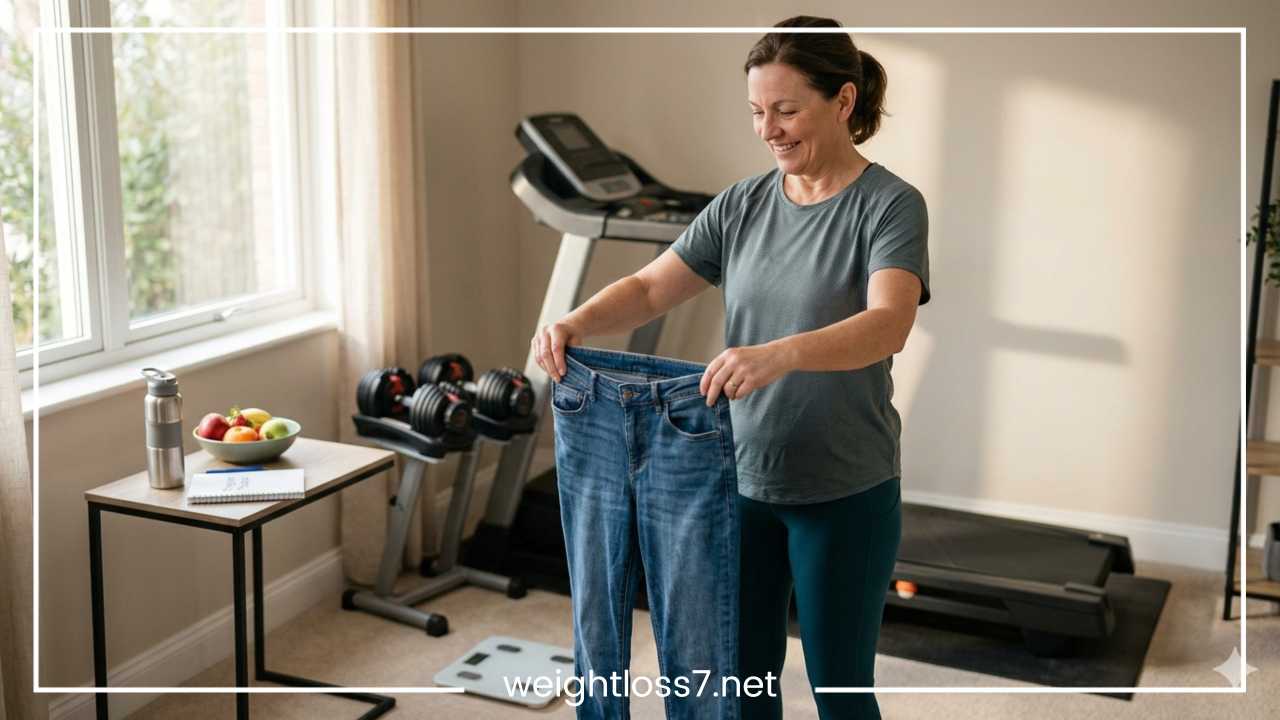
The scale is a fickle tool. It can fluctuate due to water retention, hormones, or muscle gain. To stay motivated, look for “non-scale victories”:
-
Are your clothes fitting better?
-
Do you have more energy throughout the day?
-
Is your mood more stable?
-
Can you walk further or lift more than you could last month?
Common Mistakes to Avoid
Understanding what not to do is just as important as knowing what to do.
-
Skipping Meals: This often leads to a metabolic slowdown and late-night binge eating.
-
Over-Restriction: Cutting out entire food groups or eating too few calories makes the plan impossible to maintain.
-
Relying on Trends: Teatoxes, waist trainers, and “miracle” supplements are marketing gimmicks. If it sounds too good to be true, it is.
-
Ignoring Mental Health: If you don’t address the psychological reasons for your eating habits, the weight will likely return.
Tracking Progress the Right Way
While you shouldn’t obsess over the scale, tracking progress can provide valuable data and motivation.
Beyond the Scale
Use a combination of methods to see the full picture:
-
Body Measurements: Tracking the circumference of your waist, hips, and arms can show fat loss even when the scale doesn’t move.
-
Photos: Taking progress photos every few weeks can reveal changes that you might not notice in the mirror daily.
-
Fitness Logs: Keeping track of your workouts shows how your body is becoming stronger and more efficient.
Keeping a Journal
A simple food and mood journal can help you identify patterns. For example, you might notice that you always crave sweets on Tuesday afternoons after a specific meeting. This insight allows you to prepare for that trigger in advance.
When to Seek Professional Guidance
While the basics of weight loss are straightforward, individual circumstances can make it complex. It is always wise to consult with professionals, especially if you have underlying health conditions.
-
Medical Doctors: To check for hormonal imbalances (like thyroid issues) that might affect weight.
-
Registered Dietitians: For personalized nutrition plans that account for your specific needs and preferences.
-
Mental Health Counselors: To help navigate emotional eating, body image issues, or disordered eating patterns.
-
Certified Trainers: To ensure you are exercising safely and effectively.
Maintaining Weight Loss Long-Term
The “diet” doesn’t end when you reach your goal; it simply evolves. Maintenance is the phase where most people struggle because they view the goal as a destination rather than a new way of living.
Flexibility
To maintain your weight, your habits must be flexible. There will be vacations, holidays, and celebrations. Learning how to enjoy those moments without letting them derail your progress is the hallmark of long-term success.
Preparing for Setbacks
A “bad” day or week is not a failure; it is a normal part of life. The difference between those who keep the weight off and those who don’t is how they respond to setbacks. Rather than giving up, simply get back to your routine at the very next meal.
Myth vs. Fact
Myth: You can “spot reduce” fat from your stomach or thighs.
Fact: You cannot choose where your body loses fat. Exercise burns fat from the entire body, and genetics usually dictate the order in which it leaves certain areas.
Myth: Carbs make you fat.
Fact: Excess calories make you fat. Carbohydrates are a vital energy source. The issue is usually the type of carbs (refined sugars) and the quantities consumed.
Myth: You must sweat profusely for a workout to be effective.
Fact: Sweat is a cooling mechanism, not a fat-burning indicator. You can have a highly effective strength training session without dripping in sweat.
Sample Daily Routine for Weight Loss Support
-
7:00 AM: Wake up and drink 16 ounces of water.
-
7:30 AM: 20-minute brisk walk or light stretching.
-
8:30 AM: Balanced breakfast with fiber and protein (e.g., oatmeal with nuts or Greek yogurt with berries).
-
1:00 PM: Lunch featuring a large portion of vegetables, a complex carbohydrate, and a protein source.
-
3:30 PM: Mid-afternoon hydration check; drink water or herbal tea.
-
6:30 PM: Mindful dinner; eat slowly and stop when satisfied.
-
8:30 PM: Wind down; turn off electronics and engage in a relaxing activity like reading.
-
10:00 PM: Aim to be in bed for 8 hours of rest.
Final Thoughts
Weight loss is a deeply personal journey that requires patience, self-compassion, and persistence. It is not about achieving perfection, but about making better choices more often than not. By focusing on the fundamentals—calorie balance, whole foods, consistent movement, and adequate sleep—you create an environment where your body can thrive.
Remember that your value is not defined by a number on a scale. Focus on how you feel, how much energy you have, and the health of your body. When you prioritize your overall well-being, weight loss becomes a natural consequence of a life well-lived. Stay consistent, stay patient, and celebrate every small victory along the way. Your future self will thank you for the foundations you are building today.
Frequently Asked Questions
What are the most effective ways to lose belly fat naturally?
Losing fat from the midsection requires a combination of a consistent calorie deficit and a focus on reducing stress. While you cannot “spot treat” fat, lowering your cortisol levels through better sleep and stress management can help reduce the storage of visceral fat around the abdomen. Combining this with high-fiber foods and regular strength training is the most effective natural approach.
How can I lose weight without counting calories every day?
You can achieve a calorie deficit by practicing mindful eating and focusing on food volume. Use the “plate method” where half your plate consists of non-starchy vegetables, one-quarter is protein, and one-quarter is whole grains. This naturally reduces caloric density while keeping you full, eliminating the need for constant tracking.
Why am I not losing weight even though I exercise daily?
Weight loss plateaus often happen because of metabolic adaptation or underestimating calorie intake. If you are exercising but not losing weight, you may be unintentionally eating more to compensate for the calories burned, or your body may have become efficient at your current workout routine. Adding variety to your movement and focusing on hydration can help restart progress.
What is the best time to drink water for weight loss?
Drinking a glass of water approximately 30 minutes before a meal is highly effective for weight loss. It helps prime the digestive system and increases feelings of fullness, which often leads to consuming fewer calories during the meal. Additionally, drinking water first thing in the morning helps rehydrate the body and supports metabolic function.
How long does it take to see noticeable weight loss results?
While individual results vary, most people begin to see noticeable changes within four to eight weeks of consistent habit changes. While scale weight may fluctuate daily due to water retention, changes in how clothes fit and increased energy levels are often the first signs that your body is responding to a healthier routine.
How does lack of sleep affect weight loss progress?
Sleep deprivation disrupts the hormones ghrelin and leptin, which regulate hunger and satiety. When you are tired, your brain seeks out high-energy, sugary foods for a quick boost, leading to increased cravings. Aiming for seven to nine hours of quality rest is just as important as your diet and exercise plan.
Can walking 10,000 steps a day really help with weight loss?
Yes, increasing your daily step count is a powerful form of Non-Exercise Activity Thermogenesis (NEAT). Walking 10,000 steps can burn an extra 300 to 500 calories depending on your pace and body weight. It is a sustainable, low-impact way to increase your total daily energy expenditure without the physical stress of high-intensity workouts.
How can I stop emotional eating when I am stressed?
The most effective way to stop emotional eating is to identify your triggers and create a “buffer” between the emotion and the action. When you feel the urge to eat out of stress, try a five-minute habit like deep breathing, drinking a glass of water, or walking into another room. This helps your brain distinguish between emotional distress and physical hunger.