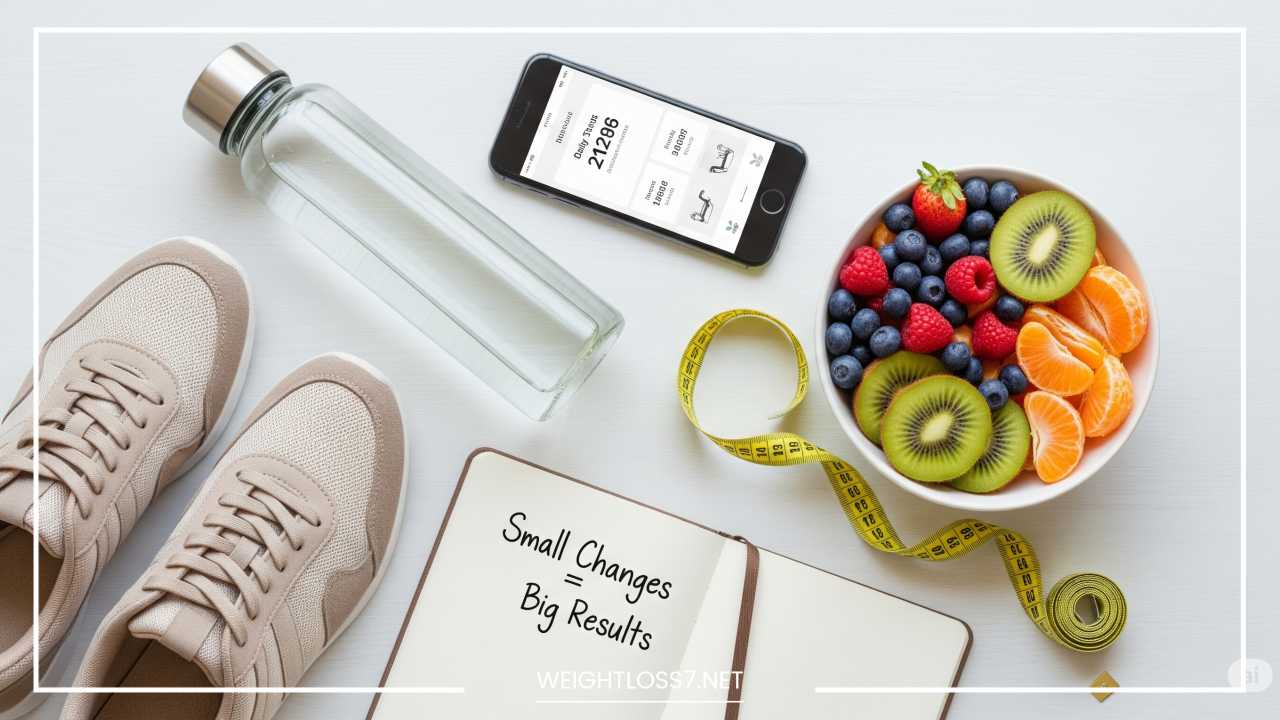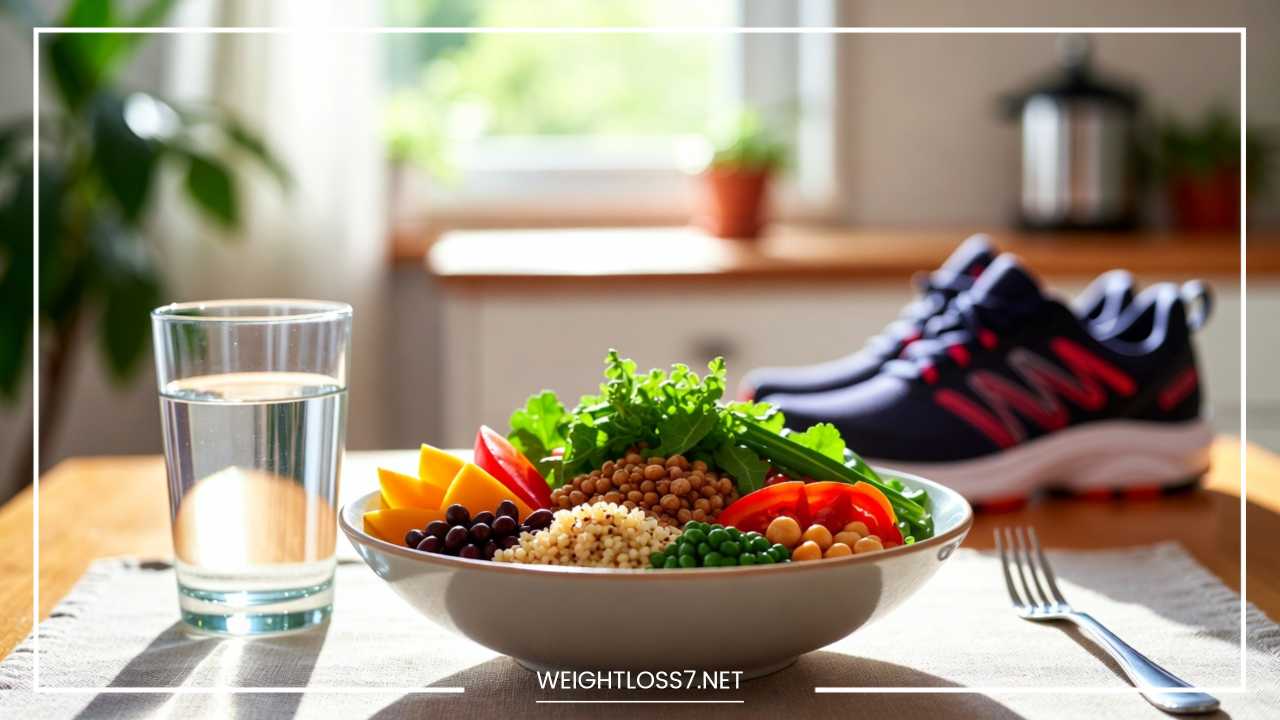
Needing to Lose Weight?


Needing to Lose Weight? 10 Simple Steps to Start Today
The realization that you are needing to lose weight often comes in a quiet moment. It might be the way your favorite pair of jeans fits, a feeling of sluggishness during a mid-afternoon walk, or a recommendation from a doctor during a routine check-up. Regardless of the catalyst, the initial spark of motivation is often met with an immediate sense of overwhelm. The world of health and fitness is saturated with conflicting advice, extreme regimes, and “overnight” transformations that feel more like fiction than reality.
Starting a weight loss journey is rarely about a lack of desire; it is almost always about a lack of a clear, manageable starting point. Many people dive into the deep end, attempting to overhaul their entire life in twenty-four hours, only to find themselves exhausted and discouraged by the end of the week. Real, lasting change does not require a complete identity shift overnight. Instead, it requires a series of intentional, small adjustments that build momentum over time.
People seek weight loss for a multitude of reasons. For some, it is about regaining the energy to play with their children or grandchildren. For others, it is about the confidence that comes from feeling strong and capable in their own skin. Many are motivated by long-term health, aiming to reduce the risk of chronic conditions and improve their overall quality of life. Whatever your “why” may be, it is a valid and powerful foundation.
The following ten steps are designed to strip away the complexity of weight loss. They focus on the fundamental pillars of health: nutrition, movement, mindset, and recovery. By implementing these actionable strategies, you can move away from the cycle of “yo-yo” dieting and toward a sustainable lifestyle that supports your goals without demanding perfection.
Step 1: Set Realistic Goals
One of the most common pitfalls in any fitness journey is the “vague intention.” Saying “I want to get healthy” or “I need to lose weight” provides no roadmap for the brain to follow. To turn a wish into a reality, you must transform it into a specific, measurable goal. When goals are concrete, they become a benchmark for success and a source of motivation during the inevitable challenging days.
Psychologically, setting achievable goals is vital. When we set an impossible target—such as losing twenty pounds in two weeks—and inevitably fail to meet it, our brain registers that failure as a reason to quit. Conversely, meeting a small goal triggers a release of dopamine, the “reward” chemical, which encourages us to keep going. This is why experts often recommend focusing on short-term milestones that feed into your long-term vision.
A realistic long-term goal for most people is losing one to two pounds per week. This rate is widely considered safe and, more importantly, sustainable. It suggests that you are losing body fat rather than just water weight or muscle mass. However, weight should not be your only metric. Process-based goals are often even more effective for long-term success. Instead of focusing solely on the scale, try setting goals based on your actions.
For example, a great short-term goal might be: “I will walk for 15 minutes daily after dinner for the next seven days.” Or, “I will replace my afternoon soda with sparkling water five days this week.” These are binary goals—you either did them or you didn’t—and they put the power back in your hands. As you accumulate these small wins, your confidence grows, making the larger, more daunting milestones feel significantly more attainable.
Step 2: Track Your Progress
If you aren’t measuring your progress, you are essentially flying a plane without a dashboard. Tracking is not about obsession or restriction; it is about building awareness. Most of us are “unconscious eaters,” meaning we consume calories out of habit, boredom, or stress without truly registering the volume or frequency. Bringing these habits into the light is the first step toward changing them.
Journaling your food intake and physical activity is one of the most effective tools for weight management. Whether you use a high-tech app or a simple spiral notebook, the act of writing down what you eat forces a moment of reflection. It allows you to see patterns you might otherwise miss—perhaps you realize that you always reach for a sugary snack at 3:00 PM, or that your “light” salad is actually topped with high-calorie dressings that stall your progress.
In addition to food, tracking your activity level is equally important. This doesn’t just mean logging your time at the gym. It means monitoring your overall movement. Many people find that using a pedometer or a smartphone app to track daily steps is eye-opening. You might discover that on your busiest office days, you are barely moving at all, which provides a clear opportunity for improvement.
It is crucial to remember that tracking is a tool for education, not a weapon for self-criticism. There will be days when your journal shows you ate more than you intended or moved less than you planned. Instead of feeling guilty, use that data to ask “why?” Were you stressed? Did you skip lunch, leading to overeating later? By tracking habits rather than just the number on the scale, you focus on the behaviors that actually drive weight loss. This awareness allows you to make adjustments in real-time rather than waiting for the scale to tell you something is wrong.
Step 3: Understand Portion Sizes
In an era of “super-sized” meals and massive dinner plates, our collective perception of a “normal” portion has become significantly distorted. You can eat the most nutritious foods in the world, but if you consume them in excessive quantities, weight loss will remain elusive. Understanding portion control is the bridge between eating well and eating the right amount for your body’s needs.
One of the simplest ways to manage portions without a kitchen scale is to use visual cues. Your own hand is a portable and surprisingly accurate tool for measuring different food groups. For instance, a serving of dense carbohydrates like cooked grains or pasta should generally be about the size of your cupped hand. A serving of fats, such as nuts or nut butters, should be roughly the size of your thumb. Vegetables, which are lower in calories and high in fiber, can often occupy a much larger space—usually two open palms.
The environment in which you eat also plays a massive role in portion control. Research has shown that people consistently eat more when served on larger plates because the portion looks smaller in comparison to the surface area. By simply switching to a smaller dinner plate or a modest bowl, you can “trick” your brain into feeling satisfied with a smaller amount of food. This is a subtle but powerful psychological hack.
Mindful eating is another pillar of portion control. It takes about twenty minutes for your stomach to signal to your brain that it is full. If you rush through a meal in five minutes while scrolling through your phone or watching television, you are likely to overeat before your body can even tell you to stop. Try to sit down for your meals, chew slowly, and check in with your hunger levels halfway through. Ask yourself if you are still truly hungry or if you are just eating because the food is there. Learning to leave a few bites on the plate when you are satisfied is a hallmark of long-term weight management.
Step 4: Prioritize Whole Foods
When people think of dieting, they often think of what they need to “cut out.” However, a more effective approach is to focus on what to “add in”—specifically, whole foods. Whole foods are items that exist in their minimally processed state, as close to their natural form as possible. This includes vegetables, fruits, whole grains, legumes, nuts, seeds, and simple dairy or dairy alternatives.
The primary benefit of whole foods is their nutrient density. Unlike ultra-processed snacks that are engineered to be “hyper-palatable” (making them easy to overeat), whole foods are naturally self-limiting. They are packed with fiber and water, both of which contribute to satiety—the feeling of being full and satisfied. For example, it is very difficult to overconsume calories by eating apples and broccoli, but very easy to do so with potato chips or sugary crackers.
Processed foods often contain hidden sugars, unhealthy fats, and high levels of sodium, all of which can contribute to inflammation and weight gain. By shifting your focus toward the perimeter of the grocery store—where the fresh produce and refrigerated whole foods are usually located—you naturally reduce your intake of these additives.
Making the switch doesn’t have to be boring. It’s about simple swaps. Instead of a sugary fruit-flavored yogurt, try plain Greek yogurt topped with fresh berries. Instead of white bread, choose a hearty sprouted grain or whole-wheat option. Instead of packaged snack bars, grab a handful of raw almonds or a piece of fruit. These small changes ensure that your body is getting the vitamins and minerals it needs to function optimally while keeping your caloric intake in a range that supports weight loss. When your body is properly nourished, you’ll likely find that your cravings for processed “junk” food naturally diminish.
Step 5: Drink Enough Water
The importance of hydration in a weight loss journey cannot be overstated. Water is essential for every metabolic process in the body, including the breakdown of stored fat. Often, the body’s signals for thirst and hunger are very similar, leading many people to reach for a snack when what they actually need is a glass of water.
Staying well-hydrated helps to maintain your energy levels. Even mild dehydration can lead to fatigue, which often results in reaching for “quick energy” in the form of sugary snacks or caffeine. By drinking enough water throughout the day, you keep your metabolism running efficiently and your cognitive function sharp. Furthermore, drinking a glass of water before a meal can help with portion control, as it creates a sense of fullness in the stomach before you even begin eating.
If you find plain water unappealing, there are many ways to make it more interesting without adding calories. Infusing water with slices of cucumber, lemon, lime, or even fresh mint can provide a refreshing change of pace. Herbal teas are another excellent calorie-free way to stay hydrated, especially in the evening when you might be tempted to mindlessly snack.
A critical part of this step is also identifying and reducing “liquid calories.” Sodas, sweetened coffees, energy drinks, and even many fruit juices are significant sources of empty calories. Because these drinks don’t require chewing and move through the digestive system quickly, they don’t trigger the same fullness signals as solid food. You could easily consume several hundred calories in a single beverage without feeling any less hungry. Swapping these for water, sparkling water, or unsweetened tea is one of the fastest ways to create a calorie deficit without feeling deprived.
Step 6: Increase Daily Movement
When we think of losing weight, we often envision grueling hours on a treadmill. While structured exercise is important, it is only one part of the equation. Non-Exercise Activity Thermogenesis (NEAT) refers to the energy expended for everything we do that is not sleeping, eating, or sports-like exercise. This includes walking to the mailbox, standing while on the phone, cleaning the house, and even fidgeting. For most people, NEAT accounts for a much larger portion of daily calorie burn than a thirty-minute gym session.
Increasing your daily movement is about finding “hidden” opportunities to be active. These small actions might seem insignificant on their own, but when compounded over days, weeks, and months, they have a massive impact on your weight. For example, choosing to take the stairs instead of the elevator, or parking at the back of the parking lot, adds extra steps to your day without requiring a change of clothes or a gym membership.
Consistency is far more important than intensity when you are first starting. If you haven’t been active, don’t feel pressured to run five miles. Start by aiming for a ten-minute walk after lunch. Once that becomes a habit, increase it to fifteen or twenty minutes. If you have a sedentary job, set a timer on your phone to remind you to stand up and stretch for two minutes every hour.
The goal is to move away from a “sedentary lifestyle punctuated by a workout” and toward an “active lifestyle.” Think of movement as a way to celebrate what your body can do rather than a punishment for what you ate. Whether it’s gardening, dancing in your kitchen, or taking a brisk walk through the neighborhood, finding ways to stay upright and moving will significantly accelerate your progress and improve your cardiovascular health.
Step 7: Incorporate Exercise Strategically
While daily movement is the foundation, strategic, structured exercise provides the extra push needed to change your body composition and boost your metabolism. A balanced routine typically includes three components: cardiovascular exercise, strength training, and flexibility work.
Cardio (aerobic exercise) like swimming, cycling, or brisk walking is excellent for burning calories in the moment and improving heart health. However, many beginners make the mistake of doing only cardio. To see the best results, you should also incorporate strength training. Muscle tissue is more metabolically active than fat tissue, meaning that the more muscle you have, the more calories your body burns at rest. Strength training doesn’t have to mean lifting heavy weights at a gym; bodyweight exercises like squats, lunges, push-ups, and planks are incredibly effective starting points.
Strategic exercise also means being smart about your recovery. You don’t need to work out seven days a week to see results. In fact, doing so can lead to burnout and injury. Aim for three to four sessions a week, allowing your muscles time to repair and grow stronger. This is where the actual “transformation” happens.
For beginners, the best exercise is the one you will actually do. If you hate running, don’t run. Try a low-impact aerobics video online, a yoga class, or a local hiking trail. The psychological barrier to exercise is often higher than the physical one, so lowering the stakes and finding an activity you enjoy is key. As you get stronger, you can gradually increase the duration or intensity of your workouts, but the primary goal is simply to show up for yourself on a regular basis.
Step 8: Mind Your Mindset
Weight loss is as much a mental challenge as it is a physical one. Your thoughts, beliefs, and emotional state heavily influence your eating habits and your ability to stick to a plan. Many people struggle with an “all-or-nothing” mindset—the belief that if they eat one “unhealthy” meal, the whole day is ruined, and they might as well continue overeating until tomorrow. This perfectionism is the enemy of progress.
Developing self-compassion is a vital skill. If you slip up, acknowledge it without judgment and simply make the next best choice. One meal does not determine your success; your consistent habits do. It is helpful to view your journey as a series of experiments. If a certain strategy doesn’t work for you, it’s not a personal failure; it’s just data that helps you refine your approach.
Stress management is another critical component of mindset. High levels of stress trigger the production of cortisol, a hormone that can increase appetite and encourage the storage of fat, particularly around the midsection. Finding healthy ways to cope with stress—such as meditation, deep breathing exercises, or spending time in nature—can prevent emotional eating and keep your hormones in balance.
Practicing mindful eating also falls under mindset. It involves being fully present during meals, noticing the flavors, textures, and aromas of your food. This practice helps rebuild the connection between your body and your brain, allowing you to recognize true hunger versus emotional cravings. When you change your relationship with food from one of restriction and guilt to one of nourishment and awareness, weight loss becomes a natural byproduct of a healthier lifestyle.
Step 9: Improve Sleep Quality
It might seem strange to talk about sleep in a weight loss guide, but rest is actually a cornerstone of health. Science has shown a direct link between sleep deprivation and weight gain. When you don’t get enough sleep, your body’s appetite hormones—ghrelin and leptin—get out of balance. Ghrelin, the hormone that signals hunger, increases, while leptin, the hormone that signals fullness, decreases. This is why you often feel ravenous and crave high-calorie, sugary foods after a poor night’s sleep.
Furthermore, lack of sleep affects your willpower and decision-making. The prefrontal cortex, the part of the brain responsible for self-control, is impaired when you are exhausted. This makes it much harder to resist temptations or stick to your exercise routine. Essentially, trying to lose weight while chronically sleep-deprived is like trying to run a marathon with a heavy backpack—you can do it, but it’s much harder than it needs to be.
Improving your sleep doesn’t necessarily require more time; it requires better quality. Establishing a consistent sleep schedule—going to bed and waking up at the same time every day—helps regulate your body’s internal clock. Creating a relaxing bedtime routine can also signal to your brain that it is time to wind down. This might include dimming the lights, limiting screen time (the blue light from phones and tablets can interfere with melatonin production), and engaging in a calming activity like reading or a warm bath.
Small improvements in your sleep environment, such as ensuring your room is cool, dark, and quiet, can make a significant difference. When you are well-rested, you have more energy to move, more mental clarity to make good food choices, and a more resilient metabolism. Never underestimate the power of a good night’s rest as a weight loss tool.
Step 10: Build Sustainable Habits
The final and most important step is to focus on sustainability. The goal is not to find a “quick fix” or a “thirty-day challenge” that you eventually quit. The goal is to build a lifestyle that you can maintain for the rest of your life. This means moving away from extreme restrictions and toward gradual, manageable changes.
One effective strategy for long-term success is “habit stacking.” This involves taking a new habit you want to form and “stacking” it onto an existing habit. For example, if you already drink a cup of coffee every morning, you could stack the habit of drinking a glass of water while the coffee brews. If you always watch the evening news, you could stack the habit of doing five minutes of stretching during the commercials. By anchoring new behaviors to established ones, they become much easier to remember and maintain.
Flexibility is also a key component of sustainability. Life happens—holidays, birthdays, and social gatherings are part of the human experience. A sustainable plan allows for these moments without causing a total derailment. The “80/20 rule” is a popular approach: if you eat whole, nutritious foods 80% of the time, the remaining 20% can be reserved for the treats and social meals you enjoy. This prevents the feeling of deprivation that often leads to bingeing.
Ultimately, weight loss is the result of what you do most of the time, not what you do once in a while. Be patient with yourself. It takes time for the body to change and for new habits to take root. Celebrate the small victories—the day you chose water over soda, the walk you took when you felt tired, the moment you stopped eating because you were full. These are the bricks that build a healthier, more vibrant life.
Final Thoughts
Needing to lose weight is a common starting point, but it is only the beginning of a much larger journey toward wellness. By breaking down the process into these ten simple steps, you remove the barriers of confusion and overwhelm. You don’t have to do everything perfectly from day one. In fact, trying to do so is often the quickest path to burnout.
Success in weight loss is built on the foundation of consistency, not intensity. It is about the small choices you make every single day: the decision to set a clear goal, to track your habits, to choose whole foods, and to prioritize your rest. These actions may seem minor in isolation, but together, they create a powerful momentum that can transform your health and your life.
As you move forward, remember to lead with self-compassion. There will be setbacks and challenges, but they are not reasons to stop; they are simply part of the process. Pick one or two steps from this list to focus on this week. Once those feel comfortable, add another. Before you know it, these “steps” will no longer be things you “have to do”—they will simply be part of who you are.
You have the power to take control of your health. It starts with a single choice, a single meal, and a single step. Start today, stay consistent, and trust that the results will follow. You are capable of making lasting change, and you deserve to feel your absolute best.
Frequently Asked Questions
How fast should I expect to see results?
While everyone’s body is different, a safe and sustainable rate of weight loss is generally 1 to 2 pounds per week. You might see a larger drop in the first week or two as your body sheds excess water weight, but things will usually level off after that. Remember to look for “non-scale victories” like better energy, improved sleep, and clothes fitting more comfortably.
What should I do if I slip up or have a “bad” day?
First, stop calling it a “bad” day. It was just a day. One meal or one missed workout does not undo weeks of progress. The best thing you can do is simply return to your plan with your very next meal or activity. Don’t try to “compensate” by skipping meals the next day, as this often leads to more overeating later.
Do I need to join a gym to lose weight?
Absolutely not. While gyms offer great equipment, you can lose weight very effectively through walking, bodyweight exercises at home, and focus on your nutrition. The most important thing is finding a way to move your body that you enjoy and can do consistently.
Can I still eat out at restaurants?
Yes, you can. When eating out, try to look for dishes that are grilled, steamed, or roasted rather than fried. You can also ask for dressings and sauces on the side to control your portions, or ask for a “to-go” box at the start of the meal and pack half of it away immediately to enjoy the next day.