How to Do Weight Loss Without Exercise

How to Do Weight Loss Without Exercise: Effective Tips and Strategies
Weight management is often framed as a grueling marathon or an intense session under heavy iron at the gym. For many, the perceived necessity of vigorous physical activity acts as a barrier to even starting a health journey. However, maintaining a healthy weight is not solely the province of athletes and fitness enthusiasts. It is a fundamental pillar of overall health that influences everything from cardiovascular function and joint integrity to mental clarity and hormonal balance. While exercise offers undeniable benefits for the heart and muscles, it is only one side of a multi-faceted coin.
The common misconception that exercise is the only way to lose weight often leads to a “burn it to earn it” mentality, which can be both exhausting and unsustainable. In reality, weight loss is primarily governed by the fuel we provide our bodies and the biological processes that manage that fuel. By shifting the focus from the treadmill to the table and the couch to the clock, it is entirely possible to achieve significant, lasting weight loss.
This guide explores the science and practice of losing weight through lifestyle modifications, nutritional shifts, and habit formation. We will delve into how the body processes energy, how to restructure your eating environment, and how often-overlooked factors like sleep and stress play a starring role in your physical composition. Whether you are limited by physical mobility, a demanding schedule, or simply a personal preference for a sedentary lifestyle, the strategies outlined here provide a roadmap to a healthier version of yourself without the need for a gym membership.
Weight loss is often 80% nutrition and 20% activity. While that 20% is excellent for heart health and muscle tone, the 80% is where the actual reduction of fat stores occurs. By mastering the kitchen and your daily habits, you can achieve your goals with precision and grace.
Understanding Weight Loss
To lose weight effectively without exercise, one must first understand the fundamental biological accounting of the human body. At its core, weight loss is governed by the principle of energy balance: the relationship between energy consumed (calories in) and energy expended (calories out). When you consume fewer calories than your body requires to maintain its current state, it must turn to stored energy—primarily body fat—to bridge the gap.
How Weight Loss Happens
Every action your body performs requires energy. Even when you are sleeping, your body is busy repairing cells, circulating blood, and processing information in the brain. This baseline energy requirement is known as your Basal Metabolic Rate (BMR). When you eat, you provide the body with chemical energy. If that energy exceeds what the body needs for its daily operations, the excess is stored as adipose tissue (fat). Conversely, creating a “caloric deficit” forces the body to tap into those fat stores. Without exercise, this deficit must be created primarily through the selection and quantity of food consumed.
Role of Metabolism in Burning Calories
Metabolism is often misunderstood as a “speed” that is either fast or slow by birthright. While genetics play a role, metabolism is a collection of chemical processes. Beyond BMR, there is the Thermic Effect of Food (TEF)—the energy used to digest, absorb, and discard what you eat. Interestingly, different foods have different TEF values. For example, proteins require more energy to break down than fats or simple sugars. By choosing foods that are harder for the body to process but high in nutrients, you can subtly influence your daily caloric burn even while sitting still.
Importance of Sustainable Weight Loss Over Crash Diets
The trap many fall into is the “crash diet.” These extreme caloric restrictions may yield rapid results, but they often trigger a starvation response in the body. When calories drop too low, the body may lower its metabolic rate to conserve energy, and it may begin breaking down muscle tissue instead of fat. Sustainable weight loss is about finding a caloric deficit that allows the body to function optimally while slowly drawing down fat stores. This approach prevents the “yo-yo” effect, where weight is lost and then quickly regained because the initial methods were too restrictive to maintain.
Myths About Weight Loss and Sedentary Lifestyles
A common myth is that a sedentary lifestyle makes weight loss impossible. While movement helps, the vast majority of your daily calorie burn comes from your BMR. Another myth is that you must “sweat” to lose fat. Sweat is a cooling mechanism, not a direct indicator of fat oxidation. By optimizing your nutrition and managing your environment, you can align your habits with your metabolic needs, proving that a lack of traditional exercise is not an insurmountable hurdle to a leaner physique.
Nutrition Strategies for Weight Loss
In the absence of exercise, nutrition becomes the primary tool for weight management. What, how, and when you eat will dictate your results. Without the “buffer” of extra calories burned through a workout, the quality of your intake becomes paramount.
1. Portion Control
Understanding serving sizes is the first step in managing intake. Modern food environments have skewed our perception of what a “normal” meal looks like. Restaurant portions are often two to three times larger than a standard serving.
-
The Use of Smaller Plates: This is a psychological trick that works. A standard portion looks meager on a large dinner plate but satisfying on a smaller one, tricking the brain into feeling full sooner. This “Delboeuf illusion” helps reduce caloric intake by up to 20% without a perceived sense of deprivation.
-
Mindful Serving: Avoid eating directly from large bags or boxes. By portioning snacks into a bowl, you create a visual boundary for your consumption. When the bowl is empty, it serves as a stopping cue.
-
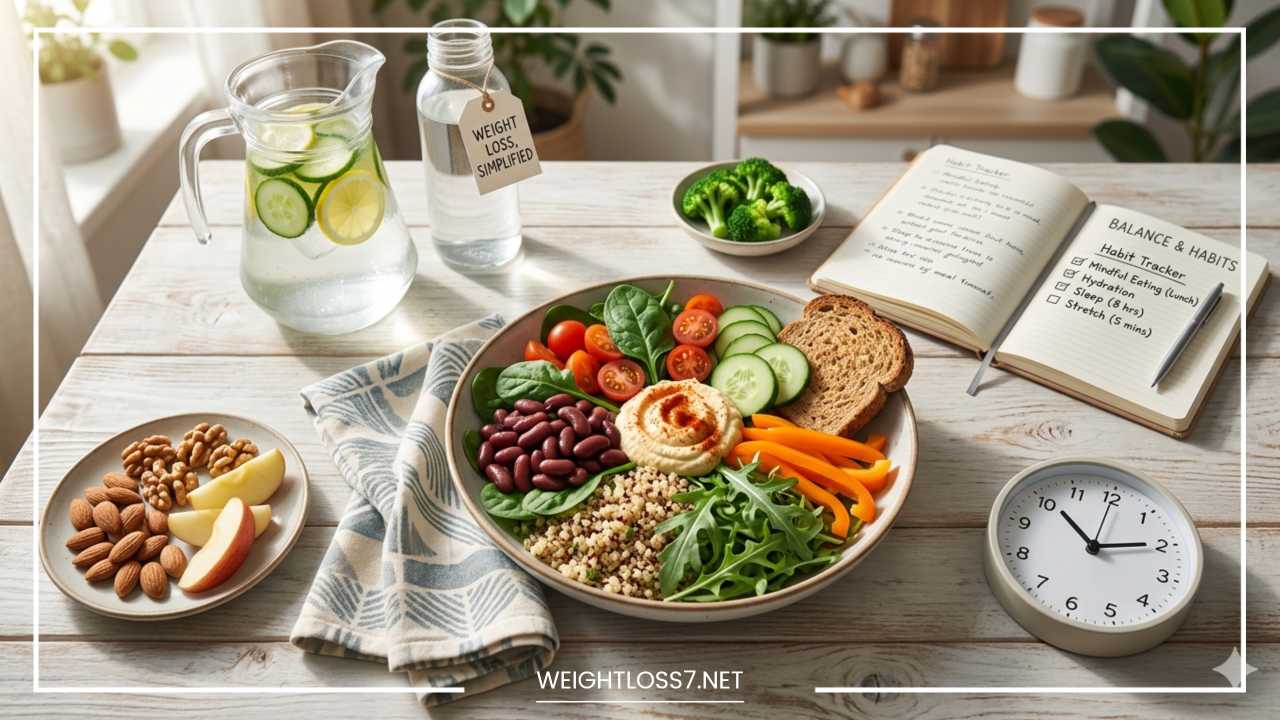
The “Half-Plate” Rule: Fill half of your plate with fiber-rich vegetables (such as broccoli, spinach, or peppers). This reduces the overall calorie density of the meal while keeping the volume high, ensuring you don’t feel hungry after eating.
2. Balanced Meals
A balanced meal is about more than just calories; it is about satiety and hormonal response. If you eat 500 calories of simple sugar, your insulin will spike, and you will be hungry again in an hour. If you eat 500 calories of balanced nutrients, you may stay full for four hours.
-
Macronutrients: Every meal should ideally contain a balance of complex carbohydrates, healthy fats, and quality protein. Protein is particularly important as it has a high thermic effect and promotes fullness by regulating hunger hormones. Legumes like lentils, beans, and chickpeas are excellent sources that provide both protein and fiber.
-
Focus on Whole Grains and Legumes: Replace refined white flours with whole grains like quinoa, oats, or brown rice. These take longer to digest, providing a steady stream of energy rather than a spike and crash.
-
The Power of Fiber: Fiber is a secret weapon for weight loss. Found in fruits, vegetables, and whole grains, it slows digestion and prevents spikes in blood sugar. Soluble fiber, in particular, turns into a gel-like substance in the gut, which can help you feel fuller for longer periods. Aim for 25–30 grams of fiber per day.
3. Hydration
Water is often the most underrated component of a weight loss plan. It is essential for every metabolic process in the body.
-
How Water Supports Weight Loss: Water is required for lipolysis, the process of burning fat for energy. If you are dehydrated, your body cannot efficiently metabolize stored fat. Furthermore, the brain often confuses thirst signals with hunger signals, leading people to eat when they actually just need a glass of water.
-
Drinking Water Before Meals: Studies have shown that drinking about 16 ounces of water 30 minutes before a meal can lead to significant weight loss. It fills the stomach, leading to a natural reduction in the amount of food consumed during the meal.
-
Replacing Sugary Drinks: Liquid calories are particularly dangerous because they don’t trigger the same fullness signals as solid food. Replacing sodas, sweetened teas, and specialty coffees with water, sparkling water, or herbal tea can remove hundreds of “empty” calories from your daily total.
4. Mindful Eating
Mindfulness is the practice of being present during the act of eating. In our fast-paced world, we often eat while distracted, which leads to overconsumption.
-
Paying Attention to Hunger Cues: Learn to distinguish between “stomach hunger” (physical need) and “head hunger” (boredom, stress, or habit). Use a scale of 1 to 10 to rate your hunger before you eat. Aim to start eating at a 3 or 4 and stop at a 6 or 7.
-
Eating Slowly: It takes approximately 20 minutes for the brain to receive signals from the gut that it is full. By slowing down, chewing thoroughly, and putting your fork down between bites, you give your body time to register satiety.
-
Avoiding Boredom Eating: Many people eat simply because they are bored or stressed. Before reaching for a snack, try a 5-minute activity like reading a book or tidying a drawer to see if the “hunger” passes.
Lifestyle Changes That Support Weight Loss
Weight loss is a holistic process. If your lifestyle is chaotic, your body will cling to weight regardless of your diet. Since you aren’t using exercise to create a deficit, you must optimize your internal environment.
1. Sleep and Recovery
Sleep is not a passive state; it is an active metabolic period. Poor sleep is one of the strongest risk factors for obesity.
-
Hormonal Balance: Lack of sleep disrupts two key hormones: ghrelin and leptin. Ghrelin signals hunger, while leptin signals fullness. When you are sleep-deprived, ghrelin rises and leptin falls, leaving you constantly hungry and never quite satisfied.
-
Insulin Sensitivity: Sleep deprivation can make your cells more resistant to insulin, leading to higher blood sugar levels and increased fat storage.
-
Tips for Better Sleep: Maintain a consistent sleep schedule, even on weekends. Ensure your bedroom is cool and dark, and avoid blue light from screens at least an hour before bed to allow your natural melatonin levels to rise.
2. Stress Management
Chronic stress is a major silent contributor to weight gain. When we are stressed, our bodies enter “fight or flight” mode, releasing cortisol.
-
Cortisol and Fat: High levels of cortisol tell the body to store energy, particularly in the abdominal area. It also increases cravings for high-calorie “comfort foods” that provide a temporary hit of dopamine.
-
Techniques for Management: You don’t need a gym to lower stress. Practices such as meditation, deep breathing exercises, or journaling can significantly lower cortisol levels. Even ten minutes of quiet reflection per day can change your hormonal profile over time.
3. Reducing Sedentary Habits
Even if you don’t go to the gym, you can increase your “Non-Exercise Activity Thermogenesis” (NEAT). This refers to the energy expended for everything we do that is not sleeping, eating, or formal exercise.
-
Incidental Movement: If you work at a desk, consider a standing desk or simply standing up during phone calls. These small shifts in posture require muscle engagement and burn more calories than sitting.
-
Walking Breaks: Instead of sitting for eight hours straight, set a timer to stand up and stretch or walk around your home or office for five minutes every hour.
-
Household Chores: Activities like vacuuming, gardening, or organizing a closet are surprisingly effective at burning calories. A vigorous house-cleaning session can burn as many calories as a slow walk on a treadmill, with the added benefit of a tidy home.
Smart Eating Habits
Success in weight loss is often found in the “boring” details of daily organization. When you have a plan, you are less likely to fall victim to the convenience of high-calorie processed foods.
1. Meal Planning
Impulsive decisions are rarely healthy decisions. When you are tired and hungry at the end of a long day, you are more likely to choose the easiest option, which is often a calorie-dense takeout meal.
-
The Strategy of Planning: Spend a small amount of time each week deciding what you will eat. This doesn’t require “meal prepping” for hours; it just means knowing what your options are.
-
Prepping Healthy Snacks: Hunger between meals is normal. If you have pre-cut carrots, cucumbers, or a portion of nuts ready, you won’t reach for chips or cookies. Having healthy defaults removes the “willpower” element from the equation.
2. Food Quality Over Diet Labels
The “low-fat” or “sugar-free” labels on processed foods can be deceptive. Often, when fat is removed, manufacturers add sugar or salt to maintain flavor.
-
Nutrient Density: Focus on foods that are high in nutrients relative to their calorie count. A large bowl of leafy greens with beans and seeds is much more nutritious and filling than a small “diet” frozen entree.
-
Reducing Processed Foods: Processed foods are designed to be “hyper-palatable,” meaning they override your body’s natural fullness signals, making it very easy to overeat. By sticking to whole, single-ingredient foods as much as possible, you naturally regulate your appetite.
3. Eating Timing
While the total amount of calories is the most important factor, the structure of your eating day can help with discipline.
-
Structured Meal Times: Eating at the same time every day helps regulate your internal clock. This can prevent the “grazing” habit where you eat small amounts all day long, often losing track of your total intake.
-
Avoiding Late-Night Snacking: Many people consume 20-30% of their daily calories late at night while distracted by television. Setting a “kitchen closed” time—for example, 8:00 PM—can be one of the most effective ways to reduce daily caloric intake without feeling like you are on a restrictive diet.
Tracking Progress Without Obsessing Over Numbers
The scale is a fickle tool. It measures everything: bone, water, muscle, and waste. It does not distinguish between a pound of fat and a pound of water retention from a salty meal. To stay motivated without exercise, you need a broader view of progress.
Using Non-Scale Indicators
-
Energy Levels: One of the first signs of better nutrition is a lack of the “afternoon slump.” If you feel more alert and stable throughout the day, your diet is working.
-
Clothing Fit: If your belt is a notch tighter or your favorite shirt feels looser, you are losing inches, even if the scale hasn’t caught up. Fat is much more voluminous than muscle or water; losing it changes your shape before it significantly changes your weight.
-
Mood and Sleep: Improved nutrition often leads to better sleep quality and a more stable mood. These are vital indicators that your body is moving into a healthier state.
Journaling Food and Habits
You don’t necessarily need to count every calorie, but keeping a food journal for a week can be eye-opening. Most people underestimate their intake by 30-50%. Writing down what you eat brings the “invisible” calories—the creamer in the coffee, the bite of a colleague’s snack—into the light. Focus on how you felt during the meal to identify emotional eating patterns.
Setting Realistic Goals
Aim for a loss of 0.5 to 1 pound per week. While this seems slow compared to the dramatic transformations seen on television, it represents sustainable fat loss. Rapid weight loss is often mostly water and muscle, which can lead to a lower metabolism and eventual weight regain. Slow and steady progress allows your skin and your metabolism to adapt to your new size.
Supplements and Natural Boosters
While there is no magic pill for weight loss, certain natural elements can support a healthy metabolism and overall wellness. These should be seen as the “icing on the cake,” not the cake itself.
Natural Ways to Aid Metabolism
-
Green Tea and Herbal Infusions: Green tea contains catechins and a small amount of caffeine, which can slightly increase metabolic rate and fat oxidation. Drinking herbal teas like peppermint or ginger can also help soothe the digestive system and provide a flavorful alternative to sugary drinks.
-
Spices: Certain spices, such as cinnamon, have been shown to help regulate blood sugar levels, while capsaicin (found in peppers) can temporarily boost the body’s thermic response.
Vitamins and Minerals
A body that is deficient in nutrients will often signal hunger in an attempt to get what it needs. Ensure you are getting enough Vitamin D, which is linked to weight management, and Magnesium, which helps with sleep and stress. If you aren’t eating a wide variety of vegetables, a high-quality multivitamin can act as a safety net.
Consulting Professionals
Before adding any supplements to your routine, it is essential to consult with a healthcare professional or a registered dietitian. They can help you identify if you have any underlying deficiencies or hormonal imbalances—such as thyroid issues—that might be making weight loss more difficult.
Real-Life Tips and Small Adjustments
The secret to losing weight without the gym is the accumulation of “micro-habits.” These are tiny changes that require very little willpower but yield significant results over time.
Tiny Changes That Add Up
-
The Stairs Rule: Unless you are carrying heavy groceries or have a physical limitation, always take the stairs for three floors or fewer. It’s a 30-second burst of activity that keeps your metabolic fire burning.
-
Park Further Away: Instead of searching for the closest parking spot, park at the back of the lot. This adds a few hundred steps to your day without requiring “exercise” time.
-
Walking While Talking: If you are on a phone call, don’t sit down. Pace around the room or stand up. It is a productive way to keep the body in a non-sedentary state.
Smart Swaps
-
Condiment Swap: Replace mayonnaise or creamy dressings with mustard, salsa, or lemon juice. You can save 50-100 calories per meal this way.
-
Side Dish Swap: Instead of a side of bread or fries, ask for double vegetables. You get more volume for fewer calories.
-
Snack Swap: If you crave something crunchy, try air-popped popcorn or sliced cucumbers with vinegar instead of chips. If you crave sweet, try a piece of fruit with a small amount of nut butter instead of candy.
Consistency Over Perfection
The biggest enemy of weight loss is the “all or nothing” mentality. If you eat a piece of cake at a birthday party, you haven’t “ruined” your diet. Weight loss is the result of what you do 90% of the time. If you focus on being consistent with your healthy habits, the occasional indulgence will not derail your progress. Shift your mindset from “restriction” to “nourishment.”
Final Thoughts
Losing weight without exercise is not only possible but can be a highly effective way to build a foundation of lifelong health. By mastering the art of portion control, prioritizing nutrient-dense whole foods, and managing lifestyle factors like sleep and stress, you take control of your body’s biological narrative.
Exercise is a wonderful tool for fitness, cardiovascular health, and mental well-being, but weight loss is primarily won in the kitchen and in the quiet moments of daily decision-making. The human body is remarkably adaptive; when you provide it with the right environment and the right fuel, it naturally seeks a state of balance and a healthy weight.
Focus on gradual, sustainable changes rather than overnight transformations. As you begin to see the results of your mindful eating and improved habits—through higher energy, better-fitting clothes, and a clearer mind—you will find that the journey to a healthier weight is less about what you are giving up and more about what you are gaining. You are building a lifestyle that supports your best self, one meal and one habit at a time.