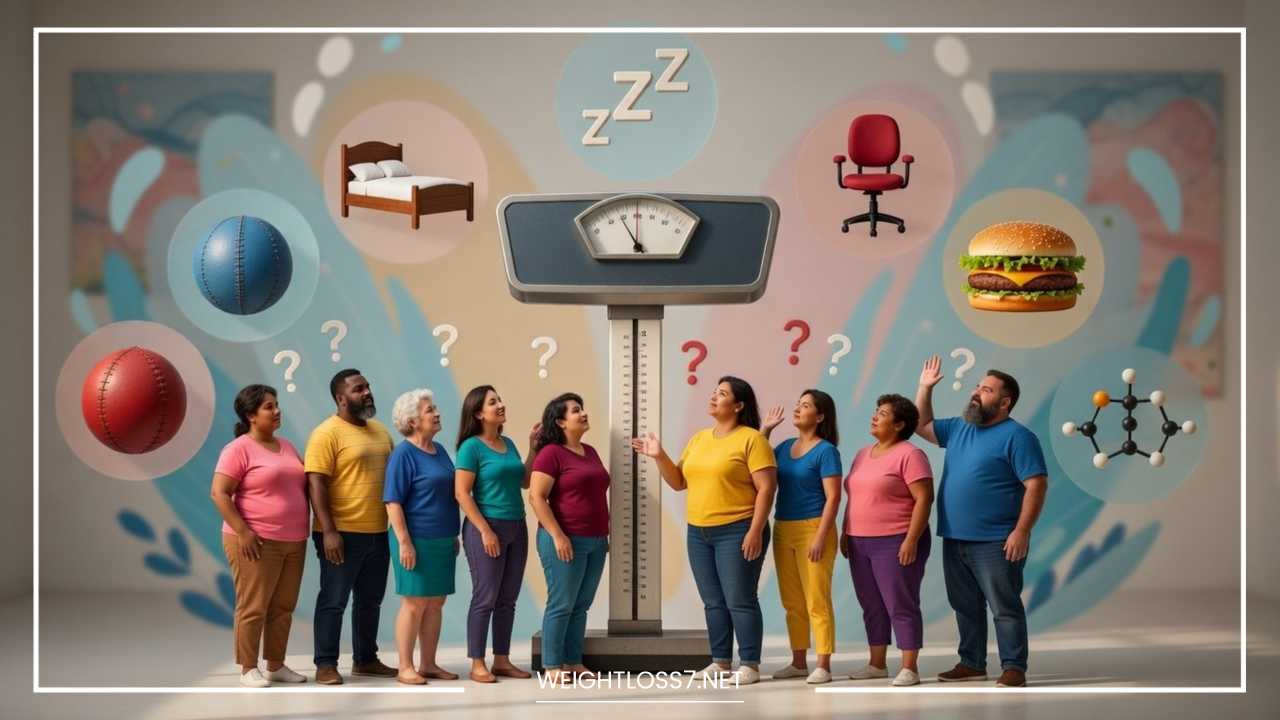
Diet and Exercise and Not Losing Weight


Diet and Exercise and Not Losing Weight – Causes, Tips & Solutions
The journey toward weight loss is often portrayed as a simple mathematical equation: burn more calories than you consume. In theory, if you hit the gym regularly and swap out processed snacks for whole foods, the numbers on the scale should steadily decline. However, for a significant number of people, this equation does not always yield the expected results. It is one of the most frustrating experiences in the realm of health and fitness—putting in the hard work, making the sacrifices, and yet seeing no change in your physical appearance or weight.
This phenomenon is incredibly common and affects individuals across all demographics, regardless of age, gender, or specific dietary preferences. Whether you are a young athlete or someone looking to improve their health in middle age, the weight loss plateau or the complete lack of initial progress can feel like an insurmountable wall. It leads to demotivation, self-doubt, and often, the abandonment of healthy habits that were actually benefiting the body in ways not measured by a scale.
The reality is that the human body is a complex biological system, not a simple calculator. Weight loss is influenced by a web of factors ranging from hormonal signals and metabolic adaptations to psychological stressors and genetic predispositions. This article aims to pull back the curtain on why diet and exercise sometimes seem to fail. By exploring the underlying causes, identifying common pitfalls, and providing actionable, evidence-based solutions, we can transform a stagnant routine into a successful, sustainable lifestyle.
Understanding Why Diet and Exercise Sometimes Don’t Work
When progress stalls, the first instinct is often to blame a lack of willpower. However, several physiological and environmental factors may be working behind the scenes to preserve your current weight. Understanding these mechanisms is essential for moving past frustration and into a state of informed action.
Metabolic Factors
Your Basal Metabolic Rate (BMR) is the number of calories your body needs to perform basic life-sustaining functions, such as breathing, circulation, and cell production, while at complete rest. BMR varies significantly between individuals based on muscle mass, age, and height. As we age, our metabolism naturally slows down, largely due to a natural loss of muscle tissue, a process known as sarcopenia.
Furthermore, if you have been dieting for a long time or have lost a significant amount of weight in the past, your body may undergo metabolic adaptation. This is an evolutionary survival mechanism where the body becomes more efficient, burning fewer calories to perform the same tasks because it perceives a period of food scarcity. In essence, your body fights to keep you at your current weight to protect you from what it perceives as starvation.
Caloric Miscalculations
One of the most frequent reasons for a weight loss stall is an unintentional caloric surplus or a maintenance level of intake. It is remarkably easy to underestimate the calories in a meal and overestimate the calories burned during a workout. For example, many cardio machines provide an inflated estimate of energy expenditure because they do not account for your specific body composition or fitness level.
Additionally, hidden calories are a major culprit. The oil used to sauté vegetables, the cream in a morning coffee, or the sugar in a healthy salad dressing can easily add up to several hundred unrecorded calories per day. These small additions can effectively erase a caloric deficit, leaving you at a net zero for the day despite your best efforts at the gym.
Hormonal Influences
Hormones act as the chemical messengers of the body, and they have a massive say in how much fat you store or burn. Insulin is a primary storage hormone; if levels remain chronically high due to frequent snacking or high sugar intake, the body finds it difficult to access stored fat for fuel.
Cortisol, the stress hormone, can lead to increased abdominal fat and cravings for high-energy foods. When cortisol is high, the body is signaled to store energy for an upcoming challenge. Additionally, imbalances in thyroid hormones (such as hypothyroidism) can slow the metabolism to a crawl, making weight loss nearly impossible without medical intervention. Even slight fluctuations in these hormones can create a biological environment that is resistant to fat loss.
Lifestyle and Stress
Weight loss does not happen in a vacuum; it happens in the context of your daily life. Chronic stress keeps the body in a fight or flight state, which prioritizes immediate energy (often from glucose) and preserves fat stores for perceived future emergencies.
Similarly, sleep deprivation disrupts the hunger hormones leptin and ghrelin. When you are tired, your body produces more ghrelin (the hunger hormone) and less leptin (the satiety hormone), leading to increased appetite and a preference for calorie-dense foods. Lack of sleep also reduces your insulin sensitivity, meaning your body is more likely to store the food you eat as fat rather than using it for energy.
Genetics
While genetics are not destiny, they do provide the blueprint. Some individuals are genetically predisposed to carry more adipose tissue in specific areas, or they may have a thrifty gene profile that makes their bodies exceptionally good at storing energy. Genetics also influence your appetite, how full you feel after a meal, and even your natural inclination to move or fidget. Understanding that your genetic makeup might make weight loss slower than someone else’s can help in setting realistic expectations and staying patient.
Common Mistakes People Make
Even with the best intentions, certain habits can inadvertently sabotage your goals. Recognizing these patterns is the first step toward correcting them and reclaiming your progress.
Focusing Only on Exercise
There is a popular saying: “You cannot outrun a bad diet.” While exercise is vital for cardiovascular health, mental well-being, and muscle preservation, it is a relatively inefficient way to create a caloric deficit on its own. A grueling hour-long workout might burn 400 to 500 calories, which can be replaced by a single blueberry muffin or a large flavored latte in less than five minutes. Relying solely on the gym without addressing nutritional habits is a common recipe for stagnation. Exercise should be a supplement to a healthy diet, not a replacement for it.
Overly Restrictive Eating
In an attempt to see results faster, many people drop their calorie intake to dangerously low levels. This almost always backfires. When the body is deprived of essential energy, it triggers a cascade of defenses: muscle mass is broken down for fuel (lowering your BMR further), and hunger signals become overwhelming. This usually leads to a cycle of restriction followed by binge eating, which creates a roller coaster of weight fluctuations rather than steady, sustainable loss. Furthermore, extreme restriction can lead to nutrient deficiencies that sap your energy and make it impossible to perform well during exercise.
Ignoring Mindful Eating
In our fast-paced world, many people eat while working, driving, or watching television. This distracted eating prevents the brain from accurately registering fullness signals. When you eat too quickly, you may consume far more than your body requires before the stomach has a chance to tell the brain it is satisfied. Mindful eating involves paying attention to the taste, texture, and aroma of your food, as well as recognizing internal cues for hunger and satiety. Failing to appreciate the experience of eating can leave you feeling psychologically unsatisfied, leading to more snacking later in the evening.
Inconsistent Routine
Weight loss thrives on consistency over time. Many people are very diligent with their diet and exercise from Monday through Friday, only to overindulge significantly on the weekends. This yo-yo behavior within a single week can easily nullify the caloric deficit created during the weekdays. For instance, if you maintain a 500-calorie deficit for five days (2,500 calories total), but consume an extra 1,500 calories each on Saturday and Sunday, you have actually moved into a caloric surplus for the week. Consistency doesn’t mean perfection; it means maintaining a baseline of healthy habits regardless of the day of the week.
Misunderstanding Food Labels
Many products are marketed as “healthy,” “natural,” or “low-fat,” leading consumers to believe they can eat them in unlimited quantities. However, low-fat products often contain higher amounts of sugar to compensate for lost flavor, and “organic” snacks can be just as calorie-dense as their conventional counterparts. Learning to look past the marketing and read the actual nutrition facts and ingredient lists is crucial for avoiding hidden traps that stall progress.
Effective Dietary Strategies
To break through a plateau, your approach to food must be strategic, balanced, and sustainable. It is not about eating as little as possible, but about eating the right balance of foods to fuel your body while maintaining a manageable deficit.
Balanced Macronutrients
A balanced plate ensures that your body receives the various building blocks it needs to function optimally.
-
Carbohydrates: These provide the glucose necessary for high-intensity movement and brain function. Focusing on complex carbohydrates like whole grains, legumes, and starchy vegetables provides lasting energy and fiber.
-
Healthy Fats: Found in avocados, nuts, seeds, and oils, these are essential for hormone production, brain health, and the absorption of fat-soluble vitamins (A, D, E, and K).
-
Proteins: Protein is perhaps the most critical macronutrient for weight loss. It has a high thermic effect of food (TEF), meaning the body uses more energy to digest it than it does for fats or carbs. Protein is also vital for repairing muscle tissue and promoting satiety, helping you feel fuller for longer.
Portion Awareness
Even healthy foods contain calories. While an ounce of walnuts is a great heart-healthy snack, eating half a cup can contribute hundreds of calories without much volume. Learning to visualize standard serving sizes can be an eye-opening exercise. Using smaller plates, measuring your food for a short period to calibrate your internal “scale,” and understanding the energy density of foods allows you to eat satisfying amounts while managing energy intake. Prioritizing high-volume, low-calorie foods—like leafy greens, cruciferous vegetables, and berries—allows you to fill your stomach without overshooting your calorie goals.
Meal Timing and Frequency
While total daily caloric intake is the primary driver of weight loss, the timing of meals can influence energy levels and metabolic health. Some find success with intermittent fasting, which narrows the window of eating to help naturally reduce calorie intake. Others prefer five or six small meals to keep blood sugar stable and energy consistent throughout the day. The key is to find a rhythm that prevents extreme hunger. When you wait too long to eat, your blood sugar drops, and your brain’s primal hunger centers take over, making it much harder to choose a healthy option over a quick, sugary snack.
Hydration
The body often confuses thirst signals with hunger signals. Staying well-hydrated ensures that your metabolic processes run smoothly and can help you feel fuller between meals. Water is necessary for almost every chemical reaction in the body, including lipolysis (the breakdown of fat). Drinking a glass of water before a meal has been shown in various studies to reduce the amount of food consumed by helping the stomach feel more expanded. Aim for water as your primary beverage, as liquid calories from sodas, sweetened teas, and juices are often processed by the brain differently and don’t provide the same satiety as solid food.
Minimizing Highly Processed Foods
Highly processed foods are often engineered to be hyper-palatable, meaning they trigger the reward centers of the brain in a way that makes them difficult to stop eating. These foods are usually high in refined sugars, sodium, and unhealthy fats while being stripped of fiber and essential nutrients. They cause rapid spikes and subsequent crashes in blood sugar, leading to a cycle of hunger and cravings. By focusing on whole, minimally processed ingredients, you provide your body with the nutrients it needs to feel energized and satisfied, making a caloric deficit feel much more natural and less like a struggle.
Exercise Approaches That Work
Exercise should be viewed as a tool to improve metabolic health, body composition, and mental resilience, rather than just a way to “earn” your food.
Cardiovascular Exercise
Cardiovascular activity remains a staple of weight management for a reason. Activities like brisk walking, cycling, swimming, and jogging improve the efficiency of your heart and lungs. Steady-state cardio is excellent for increasing daily calorie expenditure without putting excessive stress on the body. For many, a daily 30-minute walk is one of the most sustainable and effective ways to maintain a deficit. It also serves as a great tool for mental health, reducing the stress that can often lead to weight retention.
Strength Training
If you want to change your body shape and boost your metabolism, strength training is essential. Muscle tissue is metabolically active, meaning it burns more calories at rest than fat tissue does. By lifting weights or performing resistance exercises like push-ups, lunges, or squats, you send a signal to your body to preserve muscle even while in a caloric deficit. This helps prevent the drop in BMR that often accompanies weight loss. Furthermore, strength training improves bone density and overall functional strength, making daily tasks easier and reducing the risk of injury.
High-Intensity Interval Training (HIIT)
HIIT involves short bursts of intense activity followed by brief recovery periods. This method is highly time-efficient and can trigger excess post-exercise oxygen consumption (EPOC). This means your metabolism stays slightly elevated for several hours after the workout as your body works to return to its resting state. However, because HIIT is physically demanding, it should be used strategically—perhaps two or three times a week—to avoid overtraining and injury.
Incorporating Daily Movement (NEAT)
Non-Exercise Activity Thermogenesis (NEAT) refers to the energy expended for everything we do that is not sleeping, eating, or sports-like exercise. This includes walking to the kitchen, standing while working, fidgeting, and even cleaning the house. For many people, NEAT accounts for a larger portion of daily calorie burn than a structured gym session. If you spend an hour at the gym but sit for the remaining 15 hours of your day, your total energy output may still be low. Increasing your daily step count, taking the stairs, or simply moving more frequently throughout the day can significantly impact your weight loss progress.
Consistency Over Intensity
A moderate workout that you do five days a week is far more effective than an extreme, “all-out” workout that leaves you too sore to move for the rest of the week. The best exercise program is the one you actually enjoy and can stick to for months and years, not just weeks. Finding activities you look forward to—whether it’s dancing, hiking, or playing a sport—ensures that exercise becomes a permanent part of your life rather than a temporary chore you eventually abandon.
Lifestyle Habits to Support Weight Loss
Weight loss is a holistic process. What you do in the hours you aren’t eating or exercising is just as important as the diet and workout themselves.
Sleep Quality
Prioritizing 7 to 9 hours of quality sleep is non-negotiable for long-term weight loss success. During sleep, your body repairs tissues, consolidates memories, and regulates the hormones that control hunger and metabolism. Chronic sleep deprivation increases levels of cortisol and ghrelin while decreasing leptin. This creates a physiological environment where you are hungrier, less satisfied by food, and more likely to store fat. Think of sleep as the recovery period that allows your diet and exercise efforts to actually yield results.
Stress Management
If your life is characterized by high levels of chronic stress, your body may be resistant to losing weight. Implementing stress-reduction techniques—such as deep breathing exercises, meditation, journaling, or spending time in nature—can help lower cortisol levels. When the body feels safe and relaxed, it is more willing to release stored energy. Reducing stress also helps prevent emotional eating, which is a major barrier for many people who use food as a primary coping mechanism for difficult feelings.
Tracking Progress Beyond the Scale
The scale is a blunt instrument. It doesn’t distinguish between muscle gain, water retention, and fat loss. Because muscle is denser than fat, you may be losing inches and improving your body composition even if the number on the scale stays the same. To get a clearer picture of your progress, use multiple methods of tracking. This might include:
-
Taking body measurements (waist, hips, arms).
-
Paying attention to how your clothes fit.
-
Tracking your strength gains in the gym.
-
Noting improvements in your energy levels and sleep quality.
-
Taking progress photos every few weeks.
Social Support and Environment
Your environment plays a huge role in your success. Having a support system—whether it’s a workout partner, a family member who supports your healthy choices, or an online community—provides accountability and encouragement. Additionally, “fatigue-proofing” your environment can help. This means keeping healthy snacks visible and accessible while keeping highly processed, “trigger” foods out of the house or hidden away. When the healthy choice is the easy choice, you are much more likely to stay on track.
When to Seek Professional Help
If you have been consistent with a balanced diet, a solid exercise routine, and good lifestyle habits for several months and have seen absolutely no progress, it may be time to consult a professional. Sometimes, there are underlying issues that willpower alone cannot solve.
Medical Consultations
Certain medical conditions can make weight loss extremely difficult. A healthcare provider can run blood tests to check for thyroid disorders, polycystic ovary syndrome (PCOS), insulin resistance, or vitamin deficiencies (like Vitamin D or B12) that might be affecting your energy and metabolism. In these cases, weight loss may only be possible once the underlying medical issue is addressed through proper treatment.
Professional Guidance
A registered dietitian or a certified nutritionist can provide a personalized nutrition plan that accounts for your specific caloric needs, food sensitivities, and lifestyle. They can help you identify nutritional gaps or “blind spots” you might have missed. Similarly, a certified personal trainer can ensure your exercise routine is effective, safe, and progressive, helping you optimize your time in the gym and avoid plateaus through periodization and variety.
Final Thoughts & Key Takeaways
Losing weight is rarely a linear process. It is a journey filled with peaks, valleys, and the occasional plateau. If you find yourself working hard without seeing results, remember that your body is likely responding to a variety of internal and external factors—metabolism, hormones, stress, and even small, unnoticed habits.
The solution is rarely to work “harder” in a way that is unsustainable or punishing. Instead, the solution lies in working “smarter” and being more patient with the biological timeline of your body.
Key Takeaways:
-
Audit Your Intake: Be honest about hidden calories and portion sizes.
-
Balance Your Movement: Combine cardio with strength training and increased daily NEAT.
-
Prioritize Recovery: Never underestimate the power of sleep and stress management.
-
Look Beyond the Scale: Use measurements and clothing fit to gauge true progress.
-
Stay Consistent: Sustainable, moderate habits beat extreme, short-term efforts every time.
Focus on the lifestyle habits that make you feel strong, energized, and healthy. When you prioritize the health of your body and the consistency of your routines, the weight loss will often follow as a natural byproduct of a well-balanced life. Be patient with yourself, trust the process, and remember that health is measured by much more than just a number on a scale.