How Do I Lose Weight Without Dieting


How Do I Lose Weight Without Dieting | Effective Weight Loss Tips
The word dieting often conjures up images of restrictive meal plans, tiny portions of flavorless food, and a constant, gnawing sense of hunger. For many, the traditional approach to weight loss feels like a temporary sentence of deprivation that eventually leads to a rebound. This cycle of “yo-yo dieting” is not only frustrating but can also be taxing on your physical and mental well-being. The truth is that sustainable weight loss does not require a “diet” in the conventional sense. Instead, it requires a shift in how we interact with food, movement, and our daily environment.
When we focus on dieting, we are often looking for a quick fix—a way to drop pounds rapidly by following a strict set of rules. However, the human body is remarkably adaptive. When we drastically cut calories, our metabolism often slows down to conserve energy, making it harder to maintain progress. Furthermore, the psychological pressure of “forbidden foods” frequently leads to intense cravings and eventual overindulgence. By stepping away from the restrictive mindset of dieting, we can focus on building a lifestyle that naturally supports a healthier weight through consistency, mindfulness, and balance.
The goal is to create a lifestyle where weight loss is a byproduct of healthy living rather than the sole, agonizing focus of every waking hour. By making small, incremental changes to your daily routine, you can achieve significant results over time. This approach isn’t about perfection; it’s about making better choices more often than not. In this guide, we will explore how to manage your weight effectively by understanding your body’s needs and fostering habits that last a lifetime.
Understanding Weight Loss Basics
To lose weight without a formal diet, it is helpful to understand the underlying mechanics of how the body manages energy. At its simplest level, weight management is governed by the relationship between energy intake and energy expenditure. Every movement you make, every breath you take, and even the process of digesting food requires energy, which we measure in calories. When the energy you consume through food and drink matches the energy your body uses, your weight stays stable. To lose weight, you need to create a gentle “energy deficit” where your body uses slightly more than it takes in.
However, “energy in vs. energy out” is more nuanced than just counting numbers. Your metabolism—the chemical processes that occur within a living organism in order to maintain life—plays a huge role. Some people have a naturally faster metabolism, while others may find their metabolic rate is influenced by factors like age, muscle mass, and hormonal balance. The good news is that you can influence your metabolism through movement and lifestyle choices without needing to follow a rigid meal plan.
One of the biggest hurdles to successful weight management is the allure of the “fast fix.” Many people believe that skipping meals or surviving on liquid cleanses is the fastest route to success. In reality, skipping meals often backfires. When the body goes too long without nourishment, blood sugar drops, leading to intense hunger and a higher likelihood of overeating at the next meal. Furthermore, extreme calorie restriction can lead to the loss of muscle tissue, which actually lowers your resting metabolic rate.
Healthy weight loss is a gradual process. Aiming for a slow, steady reduction is far more effective for long-term maintenance than losing a large amount of weight quickly. When you lose weight slowly, your body and your habits have time to adjust, making it much more likely that you will keep the weight off for good.
Mindful Eating and Portion Control
Mindful eating is a practice that involves being fully present during the experience of eating. In our fast-paced world, we often eat while distracted—scrolling through our phones, watching television, or working at our desks. When we don’t pay attention to our food, we miss the internal signals our body sends to tell us it is satisfied. By reconnecting with these cues, you can naturally reduce your intake without feeling deprived.
The Power of Slower Eating
It takes approximately twenty minutes for your brain to receive the signal from your stomach that you are full. If you finish a large meal in ten minutes, you are likely to overeat before your brain even realizes you’ve had enough. Try to chew your food thoroughly and take pauses between bites. This not only aids digestion but also allows you to enjoy the flavors and textures of your food, leading to greater psychological satisfaction.
Portion Control Without Calculations
You don’t need a kitchen scale to manage portions. Simple environmental tweaks can do the work for you:
-
Use Smaller Plates: The “Delboeuf illusion” suggests that the same amount of food looks like a larger portion on a smaller plate. By using a salad plate instead of a large dinner plate, you can trick your brain into feeling satisfied with less.
-
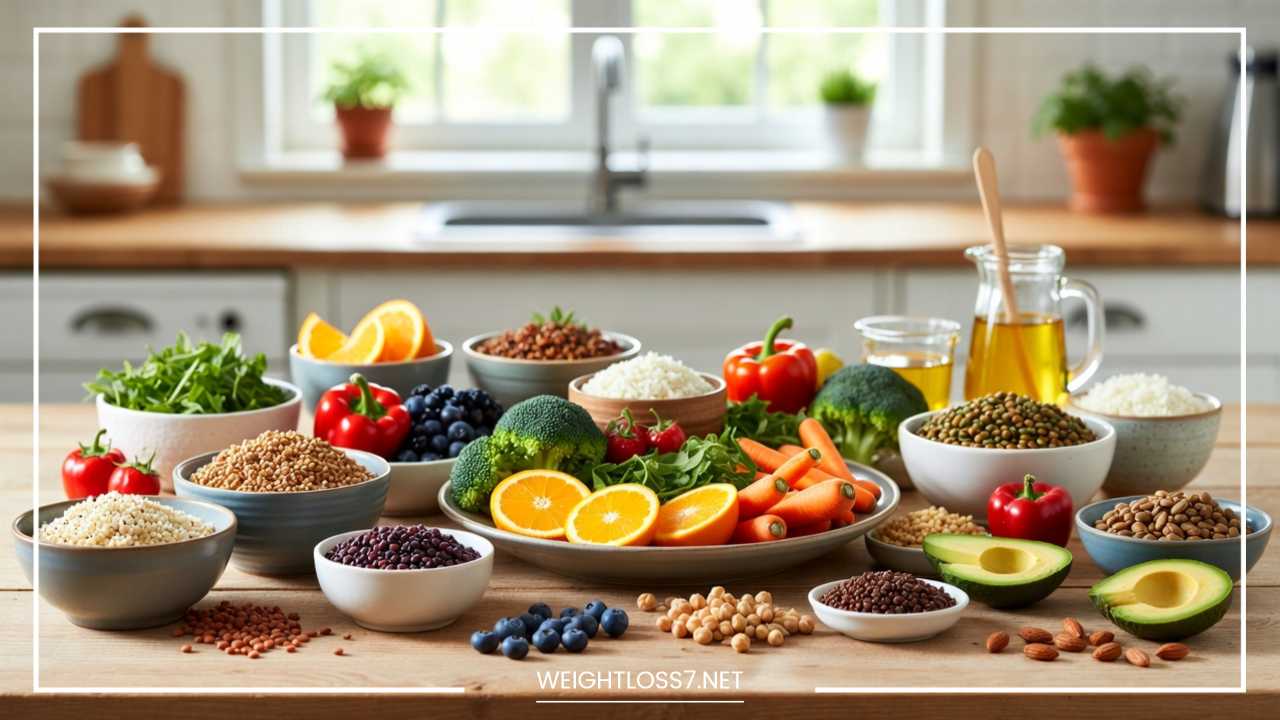
The Half-Plate Rule: Instead of worrying about specific grams or ounces, aim to fill half of your plate with colorful vegetables. Vegetables are high in fiber and water, which add volume to your meal and help you feel full for fewer calories.
-
Avoid Eating from the Package: When you eat directly out of a large bag of snacks, it is nearly impossible to track how much you have consumed. Always portion out a serving into a bowl or onto a plate first.
Recognizing Hunger vs. Emotion
We often eat for reasons other than physical hunger, such as stress, boredom, or sadness. Before reaching for food, take a moment to ask yourself, “Am I physically hungry, or am I looking for comfort?” If it’s physical hunger, your stomach might growl or you might feel a dip in energy. If it’s emotional, the craving is usually for a specific “comfort” food. Finding alternative ways to address emotions—like taking a walk or calling a friend—can prevent unnecessary calorie consumption.
Hydration and Beverages
Water is the most underrated tool in the weight loss journey. Every cellular process in your body, including your metabolism, requires water to function efficiently. Sometimes, the brain confuses the signal for thirst with the signal for hunger. If you feel a sudden urge to snack, try drinking a glass of water first and wait fifteen minutes; you may find the craving disappears.
Replacing Liquid Calories
One of the most effective ways to lose weight without “dieting” is to change what you drink. Sugary sodas, energy drinks, and even some fruit juices are packed with “empty” calories—meaning they provide energy but no satiety or significant nutrition. These drinks don’t trigger the same fullness signals as solid food, making it easy to consume hundreds of extra calories without realizing it.
Try replacing these drinks with:
-
Sparkling Water: If you miss the carbonation of soda, flavored sparkling water (without added sugar) provides the same “fizz” without the calories.
-
Herbal Teas: Peppermint, chamomile, or ginger teas are great ways to stay hydrated and can serve as a soothing ritual in the evening when mindless snacking is most common.
-
Infused Water: If plain water feels boring, add slices of cucumber, lemon, mint, or berries to a pitcher for a refreshing, calorie-free beverage.
Staying well-hydrated throughout the day helps maintain your energy levels. When you are dehydrated, you often feel sluggish, which can lead you to seek out sugary snacks for a quick energy boost. By keeping a water bottle nearby, you ensure your body stays energized and your appetite remains regulated.
Smart Snacking
Snacking is often blamed for weight gain, but the problem isn’t the act of snacking; it’s the choice of snacks and the timing. Strategic snacking can actually help you lose weight by preventing “ravenous hunger” that leads to overeating during your main meals. If you go too long between lunch and dinner, you are much more likely to make impulsive food choices the moment you walk through the door.
Choosing High-Satiety Snacks
A smart snack should provide a balance of fiber and healthy fats or proteins (from non-meat/non-egg sources). These nutrients digest slowly, keeping you full for longer. Good examples include:
-
Nuts and Seeds: A small handful of almonds, walnuts, or pumpkin seeds provides crunch and satisfaction.
-
Fresh Fruit: Apples, pears, and berries are high in fiber and natural sweetness.
-
Yogurt Alternatives: Cultured almond or soy yogurts can be a creamy, satisfying option when topped with a few seeds.
-
Vegetables and Hummus: Carrots, bell peppers, or cucumber slices dipped in hummus offer a savory, filling snack.
Mindless vs. Mindful Snacking
The most “dangerous” snacks are the ones consumed while distracted. Eating while watching a movie or working at a computer often leads to “unconscious consumption,” where you eat far more than you intended because you aren’t paying attention to the flavor or your fullness cues. Make it a rule to snack only when you can sit down and focus on the food, even if it’s just for five minutes. This small habit change can significantly reduce the total number of calories you consume in a day without you ever feeling like you are on a restricted diet.
Physical Activity Without Intense Exercise
When people think of losing weight, they often think of grueling hours on a treadmill. While intense exercise has its benefits, it isn’t the only way—or even necessarily the best way—to increase your energy expenditure. The calories we burn through “Non-Exercise Activity Thermogenesis” (NEAT) often add up to more than the calories burned in a single gym session. NEAT includes all the movement you do throughout the day that isn’t formal exercise.
Integrating Movement into Daily Life
You can significantly boost your daily calorie burn by making small adjustments to your routine:
-
Take the Stairs: Whenever possible, skip the elevator. It’s a short burst of activity that builds leg strength and raises your heart rate.
-
The “Walk and Talk”: If you have a phone call to make, walk around your home or office while you speak.
-
Park Further Away: Instead of hunting for the closest parking spot at the store, park at the back of the lot. Those extra steps add up over a week.
-
Short Movement Breaks: If you have a sedentary job, set a timer to stand up and stretch or walk for two minutes every hour. This keeps your circulation flowing and prevents metabolic “slump.”
Strength Without the Gym
Building muscle is one of the most effective ways to boost your metabolism because muscle tissue burns more calories at rest than fat tissue. You don’t need heavy weights or a gym membership to build functional strength. Bodyweight exercises like squats, lunges, and push-ups (even against a wall or counter) are highly effective. You can also use common household items, like water bottles or heavy books, for light resistance.
The key to physical activity is consistency over intensity. It is far better to walk for thirty minutes every day than to do one grueling two-hour workout once a week and spend the rest of the time on the couch. Find forms of movement that you actually enjoy—whether it’s dancing in your kitchen, gardening, or a brisk walk in the park—and you will find it much easier to stick with it.
Sleep and Stress Management
Two of the most overlooked factors in weight management are sleep and stress. You could have the most “perfect” eating habits in the world, but if you are chronically stressed and sleep-deprived, your body will fight your efforts to lose weight.
The Sleep-Hunger Connection
Sleep is when your body repairs itself and regulates your hormones. Two specific hormones, ghrelin and leptin, control your appetite. Ghrelin tells you when to eat, and leptin tells you when to stop. When you are sleep-deprived, your ghrelin levels rise and your leptin levels fall. This creates a “hormonal hunger” that is nearly impossible to ignore, often leading to cravings for high-calorie, sugary foods.
To improve your sleep quality:
-
Stick to a Schedule: Try to go to bed and wake up at the same time every day, even on weekends.
-
Create a Buffer Zone: Turn off electronic screens (phones, tablets, TVs) at least thirty to sixty minutes before bed. The blue light emitted by these devices interferes with the production of melatonin, the sleep hormone.
-
Keep it Cool and Dark: A cool, dark room is the ideal environment for deep, restorative sleep.
Stress and Cortisol
When you are under chronic stress, your body produces a hormone called cortisol. High levels of cortisol are linked to increased abdominal fat and a higher appetite for “comfort foods.” Stress also leads to emotional eating, where food is used as a coping mechanism rather than for nourishment.
Managing stress doesn’t have to mean a week at a spa. Simple, daily practices can lower your cortisol levels:
-
Deep Breathing: Just five minutes of slow, intentional breathing can calm your nervous system.
-
Time Outdoors: A short walk in nature has been shown to significantly reduce stress levels.
-
Journaling: Writing down your thoughts can help you process emotions so you don’t feel the need to “eat” them.
Healthy Lifestyle Habits
Losing weight without dieting is largely about creating an environment that makes healthy choices the “default” choice. This involves looking at your habits outside of just what you eat and how you move.
The Power of Home Cooking
When you cook at home, you have total control over the ingredients. Restaurant meals are often designed for taste above all else, which usually means they contain much higher amounts of salt, sugar, and oils than a meal you would prepare yourself. You don’t need to be a gourmet chef; even simple meals like stir-fried vegetables with tofu or a hearty bean soup can be delicious and far healthier than takeout.
Gradual Reductions
Instead of declaring that you will “never eat sugar again,” try to reduce your intake gradually. If you usually put two spoonfuls of sugar in your coffee, try one and a half for a week, then one. This allows your taste buds to adjust. Over time, you will find that very sugary foods actually start to taste unpleasantly sweet, making it easier to naturally choose healthier options.
Navigating Social Events
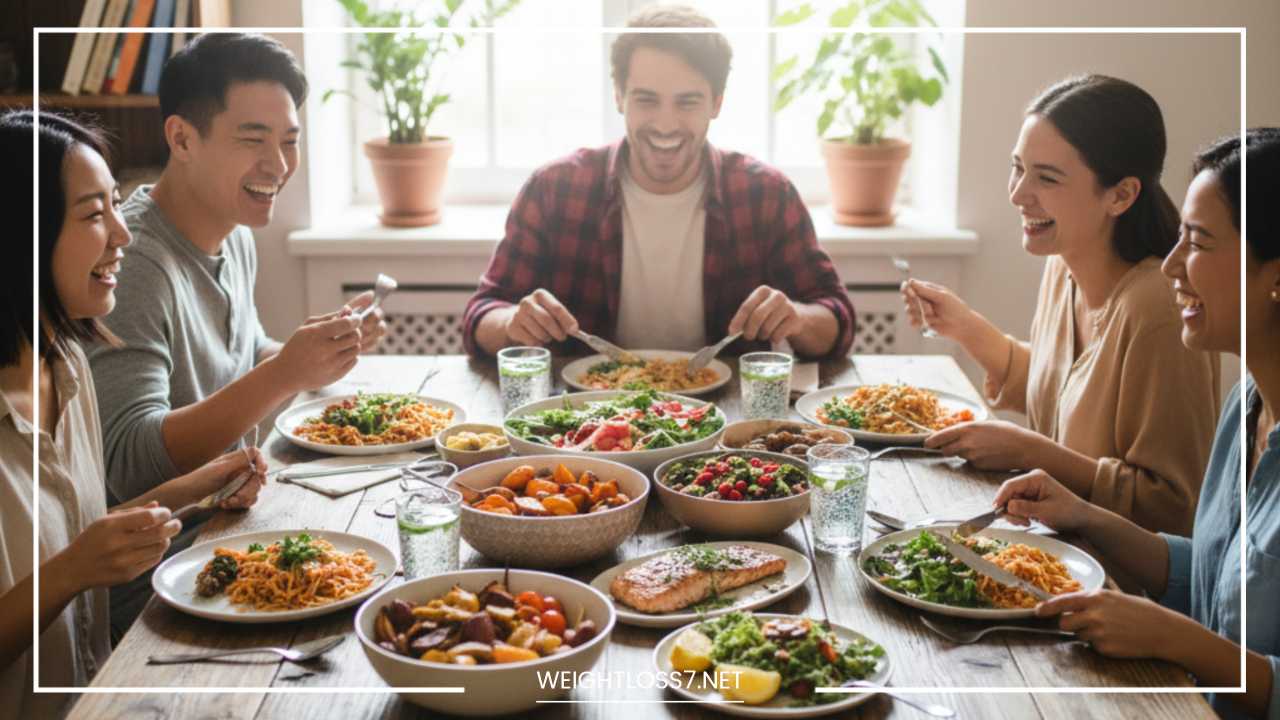
Socializing often revolves around food and drink, which can be a challenge for weight management. Instead of avoiding these events, go in with a plan. Eat a small, healthy snack before you go so you aren’t arriving hungry. Focus on the social aspect—the conversation and the connection—rather than the buffet table. If you are going to a dinner party, offer to bring a large salad or a vegetable-based side dish so you know there will be at least one healthy option available.
Tracking Progress Without Obsessing
The scale is a blunt instrument. It measures the total weight of your bones, muscles, organs, water, and fat, but it doesn’t tell the whole story. Many people become discouraged when the number on the scale doesn’t move, even when they are making great progress in other areas.
Non-Scale Victories (NSVs)
Focusing on “non-scale victories” is a much more positive and accurate way to track your health journey. Ask yourself:
-
How do my clothes fit? Sometimes your weight stays the same because you are losing fat and gaining muscle, but your clothes will start to feel looser.
-
How is my energy level? Are you feeling more awake during the day? Can you climb the stairs without getting winded?
-
How is my mood? Healthy habits often lead to more stable moods and better stress resilience.
-
Am I sleeping better? Improved sleep is a major indicator that your body is moving into a healthier state.
Mindful Tracking
If you choose to track your progress, do it in a way that feels empowering rather than obsessive. Keeping a habit journal where you check off “drank 8 glasses of water” or “went for a 20-minute walk” can be very motivating. Taking progress photos every few weeks can also help you see changes that you might miss when looking in the mirror every day. Avoid weighing yourself daily, as weight naturally fluctuates due to water retention and hormones; once a week or once every two weeks is more than enough to see trends.
Motivation and Mindset
The most important factor in losing weight without dieting is your mindset. If you view these changes as a temporary chore, you will eventually stop doing them. If you view them as an act of self-care and a way to feel your best, you are much more likely to maintain them for life.
Celebrate Small Wins
Don’t wait until you’ve lost twenty pounds to be proud of yourself. Celebrate the fact that you chose water over soda today. Celebrate the fact that you took a ten-minute walk after work instead of sitting on the couch. These small wins are the building blocks of a new lifestyle. When you acknowledge your progress, you reinforce the neural pathways that make these habits easier to stick to.
The 80/20 Rule
Perfection is the enemy of progress. If you try to be “perfect” 100% of the time, you will eventually burn out. The 80/20 rule is a much more realistic approach: aim to make health-conscious choices 80% of the time, and allow yourself flexibility for the other 20%. If you have a slice of cake at a birthday party, don’t view it as a “failure” or a reason to give up. It’s just one meal. Simply return to your healthy habits at the next opportunity.
Final Thoughts
Losing weight without dieting is not a myth; it is a sustainable, compassionate way to approach your health. By focusing on mindful eating, staying hydrated, moving your body in ways you enjoy, and prioritizing sleep and stress management, you create an environment where your body can reach its natural, healthy weight.
Remember that your worth is not defined by a number on a scale. The goal of this journey is to gain energy, confidence, and longevity. Start small—perhaps by adding one extra glass of water a day or taking a short walk after dinner. These tiny shifts, when practiced consistently, compound into life-changing results. You have the power to transform your health, one habit at a time, without ever having to “go on a diet” again. Focus on balance, be patient with yourself, and enjoy the process of becoming a healthier version of you.