Good Diet to Lose Weight Without Exercise

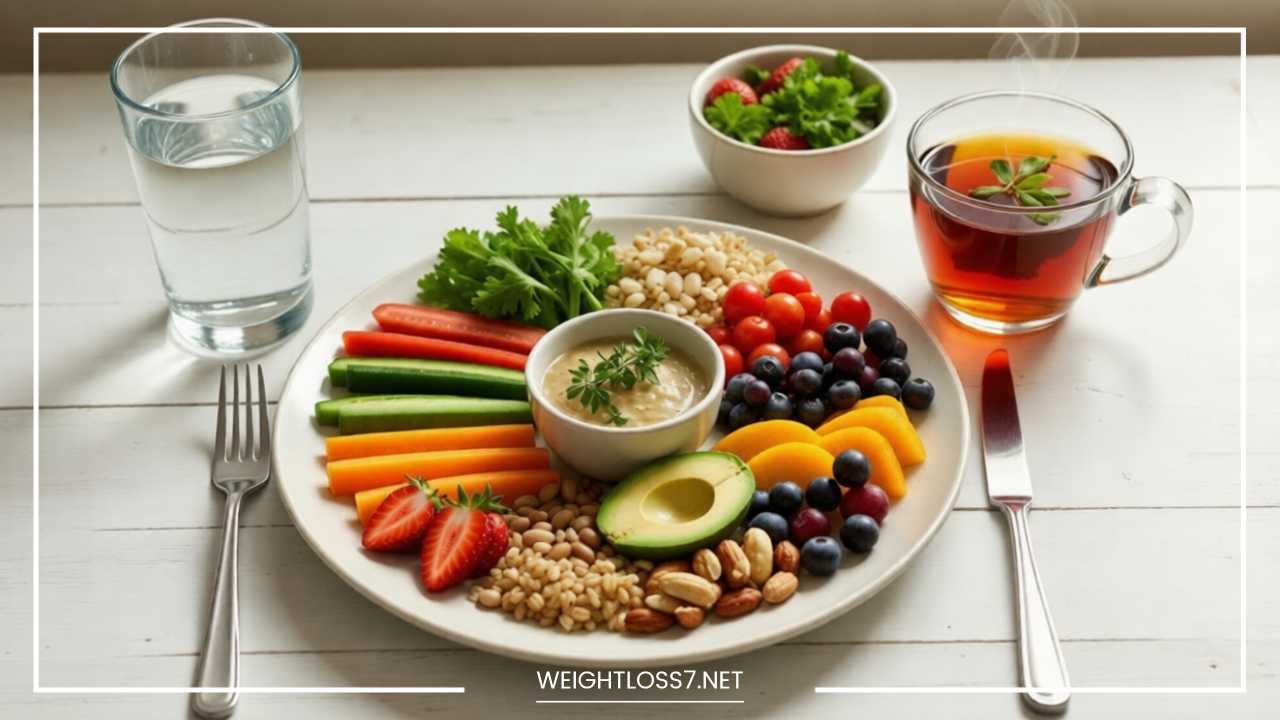
Good Diet to Lose Weight Without Exercise: Effective and Healthy Tips
The common narrative surrounding weight loss often involves grueling hours at the gym, high-intensity interval training, or miles of running. While physical activity is undoubtedly beneficial for cardiovascular health and muscle tone, the reality of weight management is far more grounded in the kitchen than on the treadmill. For many individuals—whether due to physical limitations, a demanding schedule, or a simple preference—exercise is not always a viable or desirable starting point. The good news is that weight loss is fundamentally a nutritional challenge, and it is entirely possible to achieve significant, lasting results through strategic dietary changes alone.
Achieving weight loss without exercise requires a shift in perspective. It is not about deprivation or “dieting” in the restrictive, temporary sense. Instead, it is about optimizing the quality of the fuel you provide your body and refining the habits that surround consumption. By focusing on diet quality, mastering portion control, and adjusting lifestyle factors that influence hunger, you can create the necessary caloric deficit for weight loss while still feeling energized and satisfied.
This article provides a comprehensive guide to navigating weight loss through nutrition. We will explore how to prioritize nutrient-dense foods, manage your metabolism through smart eating patterns, and cultivate a mindset that supports long-term success. The following pages offer practical, sustainable strategies that move away from extreme restrictions and toward a healthier, more balanced relationship with food.
Understanding Weight Loss Without Exercise
To lose weight without increasing your physical activity, you must understand the fundamental law of thermodynamics as it applies to the human body: energy balance. Every day, your body burns a specific number of calories simply to keep your heart beating, your lungs breathing, and your brain functioning. This is known as your Basal Metabolic Rate (BMR). When you add the energy required for daily movements—like standing, talking, and digesting food—you reach your Total Daily Energy Expenditure (TDEE).
Weight loss occurs when the energy you consume through food and drink is less than the energy your body expends. When you aren’t exercising to increase the “output” side of this equation, the “input” side becomes the primary lever for change. However, this does not mean you should simply eat as little as possible. Drastic calorie cutting can backfire by slowing your metabolism, as the body enters a “survival mode” to conserve energy.
The key is to find a “sweet spot”—a modest caloric deficit that allows for steady weight loss (typically 0.5 to 2 pounds per week) without triggering intense hunger or metabolic adaptation. Digestion also plays a role; certain foods require more energy to break down than others, a phenomenon known as the thermic effect of food. By choosing whole, unprocessed options, you slightly increase the energy burned during digestion compared to consuming highly refined products.
Sustainable weight loss is a marathon, not a sprint. When you rely solely on diet, the changes must be gradual. Rapid weight loss often results in the loss of water weight and muscle mass rather than fat. By focusing on consistent, high-quality nutritional choices, you allow your body to adjust comfortably, making it far more likely that the weight you lose stays off for good.
Core Principles of a Healthy Weight Loss Diet
The foundation of any successful weight loss plan is the quality of the food on your plate. To lose weight without the “burn” of exercise, every calorie must work harder for you. This means prioritizing nutrient-dense foods—those that provide a high amount of vitamins, minerals, and fiber relative to their calorie count.
Prioritize Natural, Whole Foods
The most effective way to manage weight is to center your diet around foods in their most natural state. Grains like quinoa, brown rice, and oats; legumes such as lentils, chickpeas, and beans; and a vast array of fruits, vegetables, nuts, and seeds should form the bulk of your intake. These foods are naturally high in fiber, which is the “secret weapon” of weight loss. Fiber slows down digestion, prevents rapid spikes in blood sugar, and keeps you feeling full for longer periods.
Reduce Highly Processed Options
On the flip side, highly processed foods—such as sugary cereals, white bread, packaged snacks, and fast food—are often “calorie-dense” but “nutrient-poor.” These items are engineered to be hyper-palatable, making it very easy to overconsume them. They often contain refined sugars and unhealthy fats that trigger insulin spikes, leading to increased fat storage and a rapid return of hunger. By minimizing these “empty calories,” you naturally reduce your overall intake without necessarily eating less volume.
The Power of Hydration
Hydration is frequently overlooked in weight management. The brain often confuses thirst signals with hunger signals, leading many people to eat when they are actually just dehydrated. Drinking water before meals can increase feelings of fullness and slightly boost metabolism. Furthermore, replacing calorie-laden beverages like soda, sweetened coffee, or energy drinks with water or herbal tea is one of the simplest ways to cut hundreds of calories a week without changing a single thing about your solid food intake.
Mindful Eating
Weight loss is as much about how you eat as it is about what you eat. Mindful eating involves paying full attention to the experience of eating and drinking. It means noticing the colors, smells, textures, and flavors of your food, and, most importantly, listening to your body’s internal hunger and fullness cues. In our fast-paced world, many of us eat while distracted by screens or work, which leads to overeating because the brain doesn’t register the “full” signal in time. By slowing down, you give your hormones (like leptin) the chance to tell your brain that you’ve had enough.
Smart Meal Planning
Effective meal planning is the bridge between the desire to lose weight and the actual achievement of it. When you have a plan, you are less likely to make impulsive choices based on convenience or temporary cravings. A balanced meal for weight loss should follow a specific structural logic to ensure you are satisfied and nourished.
The Balanced Plate
A smart meal should ideally consist of four components:
-
Fiber-Rich Carbohydrates: Look for complex carbs like sweet potatoes, buckwheat, or barley. These provide sustained energy.
-
Plant-Based Proteins: Beans, lentils, tofu, and tempeh are excellent choices. Protein is highly satiating and helps preserve lean tissue.
-
Healthy Fats: Small amounts of avocado, nuts, seeds, or olive oil help absorb vitamins and keep you feeling full.
-
Volume (Non-Starchy Vegetables): At least half your plate should be filled with greens, broccoli, peppers, or other low-calorie vegetables. This allows you to eat a large volume of food for very few calories.
Portion Control Strategies
Even healthy foods contain calories, so portion control remains vital. One effective trick is using smaller plates and bowls, which creates a visual illusion of a larger meal. Additionally, practicing the “half-plate rule”—filling half your plate with vegetables before adding anything else—ensures that you naturally limit the portions of more calorie-dense items like grains or fats.
Meal Timing
While the total number of calories consumed in a day is the most important factor, the timing of your meals can influence your energy levels and cravings. Some find success with three structured meals, while others prefer smaller, more frequent snacks to prevent hunger crashes. The key is consistency. Avoiding late-night eating can also be beneficial, as it prevents the mindless snacking that often occurs in front of the television and gives your body a longer “fasting” window overnight, which can improve insulin sensitivity.
Foods That Promote Weight Loss
Certain foods are particularly effective at supporting weight loss because they provide maximum satisfaction for minimum caloric cost. Incorporating these into your daily routine can make the process feel much easier.
High-Fiber All-Stars
-
Oats and Barley: These contain soluble fiber, which forms a gel-like substance in the gut, slowing digestion and helping to manage cholesterol.
-
Legumes (Lentils, Black Beans, Chickpeas): These are nutritional powerhouses, offering a unique combination of high fiber and high protein. This duo is arguably the most effective food combination for suppressing appetite.
-
Berries: Raspberries, blackberries, and strawberries are high in fiber and water but relatively low in sugar compared to other fruits.
Low-Calorie, High-Volume Vegetables
To lose weight without feeling deprived, you need to eat bulk. Leafy greens (spinach, kale, swiss chard), cruciferous vegetables (cauliflower, broccoli, Brussels sprouts), and watery vegetables (cucumbers, celery, zucchini) allow you to eat satisfyingly large portions. These foods are packed with micronutrients that support your metabolism and overall health.
Healthy Fats for Satiety
While fats are more calorie-dense than carbohydrates or protein, they are essential for satiety. A meal completely devoid of fat will often leave you feeling hungry an hour later.
-
Avocados: Rich in monounsaturated fats and fiber.
-
Nuts and Seeds: Walnuts, chia seeds, flaxseeds, and pumpkin seeds provide essential fatty acids. Because they are dense, they should be eaten in measured amounts (e.g., a small handful).
Hydrating Fluids
-
Green Tea: Contains catechins, which may slightly boost metabolism and fat oxidation.
-
Herbal Teas: Peppermint or ginger tea can soothe the digestive system and provide a flavorful alternative to snacking when you’re bored rather than hungry.
By focusing on these “weight loss friendly” foods, you shift your diet from one of restriction to one of abundance—you are focusing on how many colorful, vibrant foods you can add to your plate.
Healthy Eating Habits
Successful long-term weight loss is built on a foundation of sustainable habits. When you aren’t using exercise to create a caloric deficit, your behavioral relationship with food must be disciplined yet flexible.
The Art of Slow Eating
It takes approximately 20 minutes for your stomach to signal to your brain that it is full. In our modern culture, many of us finish a meal in five to ten minutes. By consciously chewing each bite thoroughly and putting your fork down between mouthfuls, you allow your body’s natural satiety mechanisms to work. This simple habit can lead to a natural reduction in calorie intake without any feeling of sacrifice.
Tracking and Awareness
You cannot manage what you do not measure. Keeping a food diary for even just a week can be an eye-opening experience. It often reveals “hidden” calories—the splash of cream in three cups of coffee, the handful of nuts grabbed while cooking, or the leftovers finished off a child’s plate. Whether you use a digital app or a simple notebook, tracking creates accountability and highlights patterns, such as afternoon energy slumps that lead to sugary snacks.
Planning for the Real World
Weight loss doesn’t happen in a vacuum. You will face social events, restaurant meals, and busy workdays.
-
Dining Out: Check the menu beforehand and decide what you will order. Look for grilled, steamed, or roasted options and ask for dressings or sauces on the side.
-
Social Events: Don’t arrive at a party hungry. Have a small, fiber-rich snack beforehand so you can make rational choices rather than reaching for the first fried appetizer you see.
Avoiding Emotional Eating
Many people eat in response to stress, boredom, or sadness rather than physical hunger. Identifying these triggers is crucial. Before reaching for food, ask yourself: “Am I physically hungry, or am I feeling an emotion?” If it’s the latter, try to find a non-food way to address it—such as a short walk, a few minutes of deep breathing, or calling a friend.
Lifestyle Factors Beyond Diet
While the focus of this guide is weight loss without formal exercise, other lifestyle factors significantly impact your body’s ability to shed weight. Weight loss is a holistic process influenced by your hormones, stress levels, and daily movement.
The Role of Sleep
Sleep deprivation is a major enemy of weight loss. When you are tired, your body increases the production of ghrelin (the hunger hormone) and decreases leptin (the fullness hormone). This hormonal imbalance leads to intense cravings, particularly for high-calorie, sugary foods. Aiming for 7 to 9 hours of quality sleep per night is just as important as what you eat.
Stress Management
Chronic stress leads to elevated levels of cortisol. High cortisol is associated with increased abdominal fat and a heightened desire for “comfort foods.” Incorporating stress-reduction techniques—such as meditation, reading, or a warm bath—can lower cortisol levels and make it easier for your body to release stored fat.
Non-Exercise Activity Thermogenesis (NEAT)
Even if you aren’t going to the gym or running, you can increase your daily energy expenditure through NEAT. This refers to the energy expended for everything we do that is not sleeping, eating, or sports-like exercise. Small choices add up over time:
-
Taking the stairs instead of the elevator.
-
Standing or pacing while on the phone.
-
Parking further away from the store entrance.
-
Engaging in light housework or gardening.
These movements don’t feel like “exercise,” but they keep your metabolism active throughout the day.
Common Pitfalls to Avoid
The journey to weight loss is rarely a straight line, and there are several common traps that can stall your progress or lead to frustration.
Fad Diets and Extreme Restrictions
Any diet that promises “rapid results” by cutting out entire food groups or slashing calories to dangerously low levels is usually unsustainable. These diets often lead to a “yo-yo” effect where you lose weight quickly and then gain it all back (and sometimes more) once you return to normal eating. Focus on a way of eating that you can see yourself maintaining a year from now.
The “Low-Fat” or “Low-Calorie” Label Trap
The food industry is full of products marketed as “diet-friendly.” However, many “low-fat” items compensate for the loss of flavor by adding significant amounts of sugar. Similarly, “low-calorie” packaged snacks are often highly processed and lack the fiber and protein needed to keep you full, leading you to eat more later. Stick to whole foods whenever possible.
Skipping Meals
Skipping breakfast or lunch in an attempt to save calories often backfires. By the time the next meal rolls around, you are so hungry that your blood sugar has crashed, making it almost impossible to make healthy choices or practice portion control. Consistent, balanced meals keep your energy stable.
Unrealistic Expectations
Social media often portrays weight loss as a fast, easy transformation. In reality, healthy weight loss is slow. If you don’t see the scale move for a few days, don’t get discouraged. Focus on “non-scale victories,” such as how your clothes fit, your energy levels, and the quality of your digestion.
Sample Meal Plan
To give you an idea of how these principles translate into daily life, here is a sample day of eating that is balanced, satisfying, and designed for weight loss.
-
Breakfast: A bowl of warm steel-cut oats topped with a handful of blueberries, a tablespoon of ground flaxseeds, and a sprinkle of cinnamon. This provides slow-release carbohydrates and plenty of fiber to start your day.
-
Mid-Morning Snack (Optional): A medium apple or a small handful of raw almonds if you feel hungry before lunch.
-
Lunch: A large “power bowl” consisting of a base of leafy greens (like spinach or arugula), half a cup of cooked quinoa, a generous serving of roasted chickpeas or black beans, shredded carrots, cucumbers, and a quarter of an avocado. Dress with lemon juice and a dash of black pepper.
-
Afternoon Snack: Sliced bell peppers or cucumber rounds with two tablespoons of hummus. This provides a satisfying crunch and a boost of protein.
-
Dinner: A stir-fry featuring a variety of colorful vegetables (broccoli, snap peas, bell peppers, and mushrooms) and firm tofu cubes, sautéed in a small amount of sesame oil and ginger. Serve over a small portion of brown rice or cauliflower rice.
-
Evening: A cup of herbal chamomile or peppermint tea to signal to your body that the eating day is done.
This plan focuses on volume and nutrition, ensuring you aren’t left feeling hungry while maintaining a caloric deficit.
Final Thoughts
Losing weight without exercise is not only possible but can be a highly effective way to jumpstart a healthier lifestyle. By shifting the focus from “working off” calories to choosing high-quality, nutrient-dense foods, you address the root cause of weight gain. The journey is built on the pillars of whole grains, legumes, fruits, and vegetables, supported by proper hydration and mindful habits.
Remember that consistency is far more important than perfection. One indulgent meal will not ruin your progress, just as one healthy meal won’t instantly transform your body. It is the sum of your choices over weeks and months that creates lasting change. Focus on the positive additions you are making to your life—more energy, better digestion, and a clearer mind—rather than what you are “giving up.”
Embrace the process of learning what your body needs. By eating slowly, listening to your hunger cues, and prioritizing sleep and stress management, you are not just losing weight; you are building a sustainable foundation for lifelong health.