Weight Loss vs. Fat Loss: Which One Matters More?


Weight Loss vs. Fat Loss: Which One Matters More?
The pursuit of a “better body” is one of the most common goals in modern society. Millions of people embark on journeys to change their physical appearance, improve their health, and increase their energy levels. However, a fundamental misunderstanding often stalls these efforts before they truly begin. Most people use the terms weight loss and fat loss interchangeably, assuming that a lower number on the bathroom scale is the ultimate indicator of success.
In reality, these two concepts represent very different physiological processes with vastly different implications for your long-term health, physical performance, and aesthetic results. Weight loss is a broad, non-specific reduction in total body mass, whereas fat loss is a targeted improvement in body composition. This article will explore why focusing on the latter is the key to sustainable vitality, physical resilience, and a healthier relationship with your body.
The Great Misconception
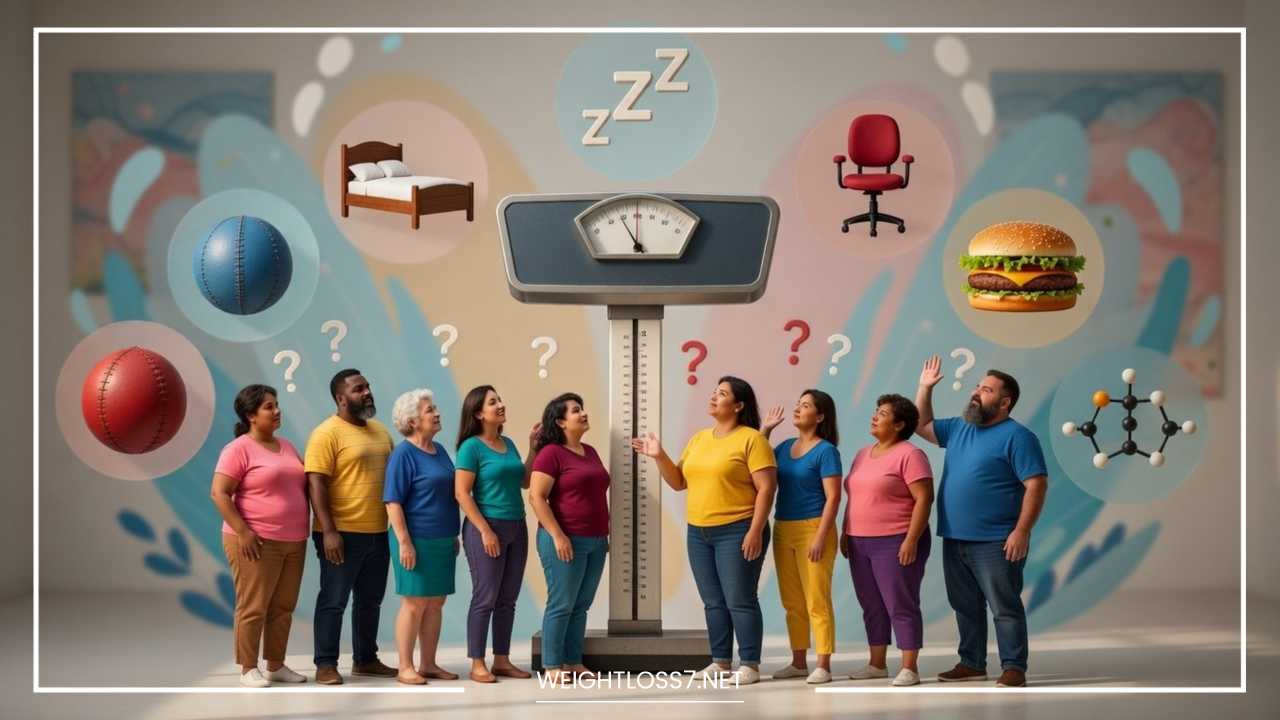
When someone says, “I want to lose 20 pounds,” they are rarely saying they want to lose 20 pounds of bone density, water, or muscle. What they actually mean is that they want to reduce their body fat. Yet, the primary tool used to measure this progress—the floor scale—is incapable of distinguishing between these components. It measures the gravitational pull of everything inside your skin: your skeleton, your brain, the water in your cells, the food in your stomach, and the glycogen in your muscles.
Because the scale is an indiscriminate narrator, it can often lead people toward “success” that is actually detrimental to their health. Rapidly dropping weight through extreme restriction often results in a metabolic slowdown and a loss of functional tissue. To truly transform, we must shift the conversation away from “losing weight” and toward “losing fat.” Understanding this distinction is the first step toward a journey that isn’t just about getting smaller, but about getting healthier.
The confusion stems from a culture obsessed with immediate gratification. We want to see the needle move today, not next month. This urgency drives us toward “weight loss” strategies—diets that flush out water or cause muscle wasting—while ignoring the slow, metabolic fire of “fat loss” that actually changes our biological future.
Understanding Weight Loss: The Total Mass Equation
To understand weight loss, one must first understand the diverse compartments that make up human body mass. Our total weight is a composite of several elements, each with its own purpose and “weight” in the eyes of gravity.
The Components of Body Mass
-
Water: Accounting for 50% to 70% of total mass, water is the most volatile component of your weight. It shifts based on hydration, salt intake, and hormonal cycles.
-
Organs and Bone: These are relatively stable but essential mass. While bone density can decrease with age or poor nutrition (which technically shows up as weight loss), this is a negative health outcome.
-
Muscle Tissue: This is metabolically active tissue. It is dense, heavy, and requires energy to maintain.
-
Glycogen: This is the storage form of carbohydrates in the liver and muscles. It acts as an immediate fuel source.
-
Body Fat: Stored energy in adipose tissue.
Causes of Weight Loss
Weight loss occurs when the total sum of these compartments decreases. This can happen through several pathways. A calorie deficit (consuming less energy than you burn) is the most common intended cause, but weight loss can also result from dehydration, illness, or the loss of muscle mass due to inactivity or extreme dieting.
Short-Term vs. Long-Term: The Water Illusion
In the short term, weight loss is frequently driven by water and glycogen fluctuations rather than fat. For every gram of glycogen stored in your body, it binds to approximately three to four grams of water. When someone starts a new diet—especially one that reduces processed sugars or high-carbohydrate loads—the body burns through its glycogen stores for energy. As the glycogen disappears, the water it held is released and excreted.
This explains why people often lose five to ten pounds in the first week of a diet. It feels like a massive victory, but it is largely a change in fluid balance. If that person has a high-sodium meal the next day, the scale might jump back up by three pounds. This isn’t “fat gain”; it’s the body rebalancing its fluids. Understanding this prevents the emotional rollercoaster that many experience when the scale fluctuates daily.
Understanding Fat Loss: The Specific Target
Fat loss is the specific process of reducing the body’s adipose tissue (fat cells) while ideally maintaining or increasing lean body mass (muscle, bone, and organs). Unlike general weight loss, fat loss is a much more accurate barometer of health improvement because it targets the specific component of body mass linked to chronic disease.
The Biology of Adipose Tissue
Fat cells aren’t just inert bags of storage; they are an active endocrine organ. They produce hormones and signaling molecules. In a healthy amount, fat protects organs and provides energy. In excess, fat cells become “stressed” and begin to leak inflammatory markers into the bloodstream.
Why Fat Loss Wins Over Weight Loss
-
Metabolic Health: Lower fat levels, particularly around the midsection, improve insulin sensitivity. This means your body can process sugar and carbohydrates more effectively, reducing the risk of metabolic syndrome.
-
Cardiovascular Health: Reducing fat stores, particularly the fat that clogs the blood vessels and surrounds the heart, lowers systemic inflammation and improves blood pressure.
-
Physical Performance: Carrying less non-functional mass (fat) while keeping functional mass (muscle) improves your power-to-weight ratio. This makes every movement—from walking to climbing stairs—feel easier on your joints and lungs.
Distinguishing Subcutaneous and Visceral Fat
It is vital to understand that where you lose fat matters as much as how much you lose.
-
Subcutaneous Fat: This sits just under the skin. It’s what you can pinch with your fingers. While many find it aesthetically frustrating, it is relatively “safe” fat in terms of metabolic disease.
-
Visceral Fat: This is the “hidden” fat stored deep within the abdominal cavity, wrapping around vital organs like the liver, kidneys, and intestines. This type of fat is dangerous because it releases cytokines that drive systemic inflammation. Real health success is measured by the reduction of visceral fat, which the scale alone cannot track.
Why Weight Loss Doesn’t Always Equal Fat Loss
The danger of chasing a lower number on the scale at all costs is that the body, in its quest for survival, may choose to shed the most “expensive” tissue first: muscle.
Muscle Loss: The Metabolic Saboteur
Muscle tissue is metabolically expensive. It requires a significant amount of energy (calories) just to exist. Adipose tissue, by comparison, is an energy storage depot that requires very little maintenance. When you go into a severe, unmanaged calorie deficit (the “crash diet” approach), your body may perceive a “famine.”
To save energy, it may break down muscle tissue to use for fuel and to lower your daily caloric needs. This results in weight loss, but it leaves the individual weaker and with a slower basal metabolic rate (BMR). This is why people who focus only on weight loss often find that once they stop dieting, they gain the weight back even faster—their “engine” (muscle) has been shrunk, and they burn fewer calories than before they started.
The “Skinny Fat” Phenomenon
Focusing purely on weight loss can lead to a body composition often referred to as “skinny fat.” This occurs when a person reaches a “normal” weight on the scale but still has a high percentage of body fat and very little muscle. From a health perspective, being “skinny fat” can be just as dangerous as being overweight, as the person still carries the risks associated with high visceral fat and low metabolic activity.
The Psychological Toll
Focusing solely on the scale creates a volatile psychological environment. Because water weight can fluctuate by several pounds a day based on salt intake, stress, or sleep, a person might “gain” two pounds overnight despite eating perfectly. If their only metric of success is weight loss, this can lead to frustration, “binge-purge” cycles, or the total abandonment of a healthy lifestyle.
Methods to Achieve Fat Loss Effectively
Fat loss is a physiological project that requires more than just willpower; it requires the right “signals” to be sent to the body. If you want the body to burn fat while sparing muscle, you must give it a reason to do so.
A Sustainable Calorie Deficit
To lose fat, you must be in a calorie deficit, but it should be a “gentle” one. A deficit of 10% to 20% below your daily maintenance level is often enough to trigger fat burning without signaling the body to hoard fat or break down muscle. This allows for a slow, steady transformation that the body doesn’t fight against with extreme hunger signals.
The Importance of Protein and Nutrients
Even without mentioning meat or specific diets, the principle of nutrient density remains. To protect muscle mass during a deficit, the body requires adequate amino acids and micronutrients. Focusing on whole-food sources like legumes, nuts, seeds, and various grains ensures the body has the building blocks it needs to repair tissue while it burns stored fat for energy.
Resistance Training: The Preservation Signal
If a calorie deficit is the tool that removes mass, resistance training is the tool that tells the body which mass to keep. Lifting weights, using resistance bands, or doing bodyweight exercises like push-ups and squats provides a stimulus to the nervous system. It signals that muscle is “required for survival,” prompting the body to prioritize burning fat for fuel instead of breaking down your strength. You don’t need to be a bodybuilder; you just need to challenge your muscles consistently.
Cardiovascular Exercise: The Energy Burner
While resistance training protects muscle, cardiovascular exercise (walking, cycling, swimming) increases total energy expenditure. Low-intensity steady-state (LISS) cardio, such as a brisk 30-minute walk, is particularly effective for fat loss because it can be done frequently without overtaxing the body’s recovery systems.
The Role of Sleep, Stress, and Hormones
Fat loss is a hormonal process. The hormone cortisol, released during times of high stress or sleep deprivation, can inhibit fat burning and encourage the accumulation of visceral fat. Furthermore, lack of sleep disrupts ghrelin and leptin—the hormones that control hunger and fullness. Prioritizing seven to nine hours of sleep and practicing stress-reduction techniques are just as important as the workout itself.
Common Myths About Weight Loss and Fat Loss
The fitness industry thrives on confusion. By debunking these myths, we can focus on what actually works.
Myth 1: “All Calories are Created Equal”
In a vacuum of pure physics, this is true. But in a human body, it is false. 100 calories of refined sugar will spike insulin (a fat-storage hormone) and leave you hungry 30 minutes later. 100 calories of fibrous vegetables and healthy fats will provide steady energy and keep you satiated. The quality of your calories determines how easy it is to maintain your quantity of calories.
Myth 2: “Spot Reduction”
One of the most persistent myths is that you can lose fat from a specific area by exercising that area. Doing 500 sit-ups will strengthen your abdominal muscles, but it will not “burn” the fat covering them. Fat is lost systemically—meaning your body decides where to pull fat from based on genetics and hormones, usually in a “last in, first out” pattern.
Myth 3: “Fast Results are Better”
The “lose 10 pounds in 10 days” marketing machine is dangerous. Fast weight loss is almost always a combination of water, glycogen, and muscle. Slow fat loss (0.5 to 1.5 pounds per week) is the only way to ensure the changes are permanent and that your metabolism remains healthy.
Myth 4: “The Plateau Means Failure”
Weight loss plateaus are a natural part of the process. As you lose weight, your body becomes more efficient and requires fewer calories to move. A plateau isn’t a sign that your “diet isn’t working”; it’s a sign that your body has successfully adapted to its new size, and it may be time to subtly adjust your movement levels.
Tools and Measurements: Beyond the Scale
If we aren’t using the scale as our primary judge, what should we use? We need tools that measure composition, not just mass.
The Limitations of BMI
The Body Mass Index (BMI) is a simple height-to-weight ratio. It is useful for large population studies but often fails the individual. A very muscular person may be classified as “overweight” by BMI standards, despite having a low body fat percentage and excellent cardiovascular health. Conversely, someone with a “healthy” BMI might have dangerous levels of visceral fat.
Better Metrics for Progress
-
Waist Circumference: Since visceral fat is stored in the abdomen, a shrinking waistline is a nearly foolproof sign of fat loss, even if the scale stays the same because you are gaining muscle.
-
Waist-to-Hip Ratio: This is an even more refined metric for cardiovascular risk. Measuring the narrowest part of your waist against the widest part of your hips helps track fat distribution changes.
-
Clothing Fit: Notice how your belt notches move or how your clothes feel around the shoulders and waist. This is a “real world” metric that reflects body composition changes.
-
Progress Photos: Taking photos once a month provides a visual record of changes that happen too slowly for the eye to catch in the mirror every day.
-
Performance Markers: Are you getting stronger? Can you walk further without getting winded? Improvement in performance almost always correlates with improved body composition.
Long-Term Health Considerations
The reason fat loss matters more than weight loss is that fat loss is the foundation of “healthspan”—the number of years you live in good health.
Metabolic Resilience and Flexibility
By focusing on fat loss and muscle preservation, you improve your “metabolic flexibility.” This is the body’s ability to switch efficiently between burning carbohydrates and burning fat. People with high metabolic flexibility have more stable energy throughout the day and are less likely to experience the “crashes” associated with poor blood sugar management.
Bone and Joint Health
Carrying excess weight is hard on the joints, particularly the knees and hips. However, losing that weight through muscle wasting can actually make joint pain worse by removing the supportive structure around the bone. Fat loss reduces the load on the joints while resistance training strengthens the bones and connective tissues, leading to better mobility in older age.
Longevity and Disease Prevention
High levels of body fat, especially visceral fat, are linked to almost every modern chronic disease. By prioritizing the loss of this fat, you aren’t just looking better in a t-shirt; you are actively lowering your risk for life-altering conditions. This shift in mindset—from aesthetics to longevity—is what makes a health journey sustainable.
Practical Advice for Everyone: The General Path
Transformation doesn’t require extreme measures. It requires a series of small, consistent choices that add up over months and years.
Mindful Eating Habits
You don’t need to count every grain of rice, but you should be aware of what you are putting in your body. Focus on:
-
Fiber: Found in vegetables, fruits, and whole grains. Fiber keeps you full and slows the absorption of sugar.
-
Hydration: Water is essential for the chemical process of breaking down fat (lipolysis). Even mild dehydration can slow your metabolism.
-
Portion Awareness: Using smaller plates or simply eating until you are 80% full can naturally create the slight deficit needed for fat loss.
Movement as a Lifestyle
Don’t view exercise as a punishment for what you ate. View it as a celebration of what your body can do.
-
The Power of Walking: Never underestimate a daily walk. It is the most sustainable form of fat loss exercise available to everyone.
-
Consistency over Intensity: Working out moderately four times a week for a year is infinitely better than working out intensely every day for three weeks and then quitting.
Avoid the “All-or-Nothing” Trap
Many people abandon their fat loss goals because they had one “bad” meal. In the long run, one meal doesn’t matter. What matters is the average of your choices over a week, a month, and a year. If you fall off track, simply make the next best choice.
Final Thoughts: The New Definition of Success
In the debate of weight loss vs. fat loss, the winner is clear. While “weight loss” is a popular catchphrase and a convenient marketing term, fat loss is the actual goal that leads to a longer, more vibrant life. A lower number on the scale might provide a momentary ego boost, but a leaner, stronger, more capable body provides a lifetime of benefits.
The journey to a healthier body composition is not a sprint; it is a gradual recalibration of your habits and your biology. Stop punishing yourself for a scale that won’t budge after a weekend of salty food or high stress. Instead, look at the big picture. Are you stronger? Is your energy more stable? Does your body move with more ease? These are the true markers of success.
Focus on the inputs—the quality of your food, the consistency of your movement, and the adequacy of your rest. When you take care of the habits, the “weight” eventually finds its rightful place. Sustainable change beats a quick fix every single time. By choosing fat loss over weight loss, you are choosing a future where you don’t just weigh less—you live more.