Diets for Losing Weight in a Month

Diets for Losing Weight in a Month: A Comprehensive Guide to Sustainable Results
Can You Really Lose Weight in a Month?
When the calendar turns to a new month, many of us feel a surge of motivation to transform our health. The question of whether you can truly lose weight in thirty days is a common one, and the answer is a definitive yes—provided your expectations are grounded in biology rather than marketing hype. A month is a fantastic window of time because it is long enough to see visible changes in your body composition and energy levels, yet short enough to remain highly focused and disciplined.
For most people, a safe and sustainable weight loss range over four weeks is approximately 2 to 4 kilograms. While it is possible to lose more, especially if you are starting from a higher baseline, rapid weight loss often consists of water weight rather than body fat. Losing weight too quickly can also lead to muscle loss and a sluggish metabolism, which makes maintaining those results nearly impossible.
The secret to a successful month-long transformation is not found in a “crash diet” or extreme deprivation. Instead, it lies in the intersection of three pillars: a calorie-conscious diet, consistent physical activity, and adequate recovery through sleep. By focusing on consistency rather than perfection, you can finish the month feeling lighter, stronger, and more confident. This article will explore the fundamental principles of nutrition, portion control, and lifestyle habits that will help you achieve your goals without relying on meat or egg products.
Understanding Weight Loss Basics
How Weight Loss Actually Works
At its most fundamental level, weight loss is governed by the principle of energy balance. Your body requires a specific amount of energy, measured in calories, to perform basic functions like breathing, circulating blood, and moving throughout the day. When you consume fewer calories than your body spends, it must tap into stored energy—primarily body fat—to make up the difference. This state is known as a caloric deficit.
However, weight loss is more than just a simple math equation. Your metabolism plays a critical role. Metabolism is the internal process by which your body expends energy. Factors such as your age, muscle mass, and hormonal health influence how quickly you burn calories. This is why nutrient density is so important; eating high-quality foods like whole grains and vegetables provides the vitamins and minerals necessary for your metabolism to function at its peak.
Extreme diets that slash calories to dangerously low levels often backfire because they trigger a “starvation response.” When the body senses a severe lack of fuel, it slows down the metabolic rate to preserve energy, which stalls weight loss. Furthermore, these diets are mentally exhausting, leading to “yo-yo dieting” where the weight is regained as soon as the person returns to normal eating. The goal for this month should be a moderate deficit that fuels your body while encouraging fat loss.
Setting a Realistic One-Month Weight Loss Goal
To set yourself up for success, you must define what “winning” looks like over the next thirty days. A healthy target is generally 0.5 to 1 kilogram per week. Achieving this requires a daily deficit of roughly 500 to 750 calories, which can be reached through a combination of eating slightly less and moving slightly more.
Several factors will influence your individual results:
-
Age: Younger individuals often have higher metabolic rates, while older adults may need to be more precise with their nutrition.
-
Activity Level: A sedentary office worker will have different caloric needs than someone who walks several miles a day.
-
Sleep and Stress: High cortisol (the stress hormone) and lack of sleep can cause the body to hold onto fat, particularly around the midsection.
-
Consistency: Losing weight is about what you do 90% of the time, not just what you do on your “best” days.
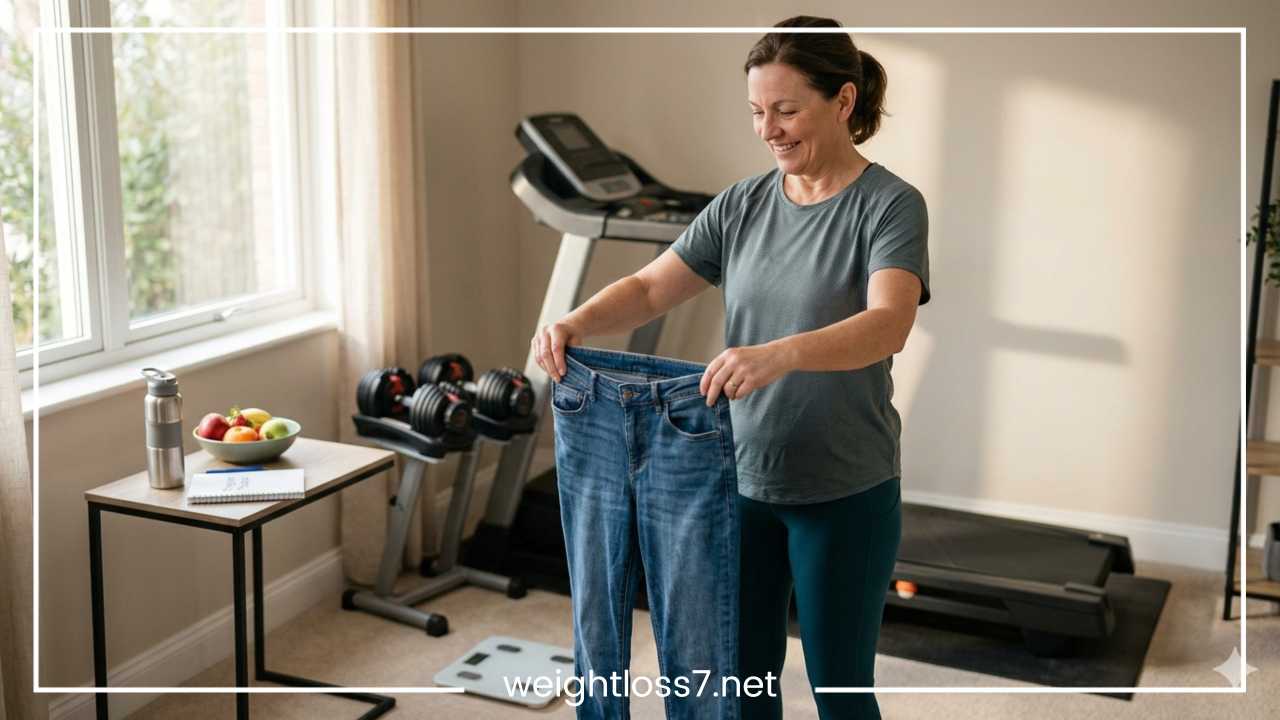
Progress is rarely linear. You might lose two kilograms in the first week (often due to reduced inflammation and water retention) and then see the scale move more slowly in weeks three and four. This is normal. Focusing on “non-scale victories,” such as how your clothes fit or your improved energy levels, is just as important as the number on the scale.
Core Diet Principles for Losing Weight
Focus on Whole, Minimally Processed Foods
The quality of the food you eat is just as important as the quantity. Whole foods are those that remain as close to their natural state as possible. Think of a whole potato versus a potato chip, or a bowl of oats versus a sugary cereal bar. When you prioritize whole grains, legumes, fruits, vegetables, nuts, and seeds, you are giving your body the “premium fuel” it needs to thrive.
One of the primary benefits of whole foods is their high fiber content. Fiber is a type of carbohydrate that the body cannot digest; it adds bulk to your meals and slows down the digestion process, which keeps you feeling full for longer. Additionally, whole foods typically have a lower “caloric density,” meaning you can eat a larger volume of food for fewer calories.
Homemade meals are a cornerstone of this principle. When you cook at home, you have total control over the ingredients, particularly the hidden fats, sugars, and salts that are prevalent in packaged and restaurant foods. By basing your diet on minimally processed items, you stabilize your blood sugar levels, preventing the energy crashes that often lead to sugar cravings.
Portion Control: The Most Important Diet Strategy
Even the healthiest foods can lead to weight gain if consumed in excessive amounts. This is where portion control becomes essential. In our modern environment, “portion distortion” is a major hurdle; plates in restaurants are often two to three times larger than a standard serving size.
To master portion control without constantly weighing food, consider these simple strategies:
-
The Smaller Plate Method: Use a salad plate instead of a large dinner plate. This creates a visual illusion that the plate is full, which can psychologically satisfy your hunger.
-
The Balanced Plate Method: Aim to fill half of your plate with non-starchy vegetables (like spinach, broccoli, or peppers), one-quarter with a protein source, and one-quarter with complex carbohydrates.
-
Mindful Eating: Avoid eating in front of the television or computer. When you pay attention to the taste and texture of your food, your brain receives the “fullness” signals more effectively, preventing overeating.
Remember that it takes about twenty minutes for your stomach to signal to your brain that it is full. Eating slowly and pausing between bites can significantly reduce the amount of food you consume during a single meal.
Eating More Fiber for Better Weight Loss
If there is a “magic ingredient” for weight loss, it is fiber. Found exclusively in plant-based sources, fiber plays multiple roles in helping you shed kilograms. First, it requires more chewing, which slows down the pace of your meal. Second, it expands in the stomach, creating a physical sense of fullness. Third, it feeds the beneficial bacteria in your gut, which are increasingly linked to healthy weight management.
To maximize your fiber intake, look toward these staples:
-
Legumes: Lentils, chickpeas, black beans, and kidney beans are fiber powerhouses.
-
Whole Grains: Oats, quinoa, barley, and brown rice provide sustained energy.
-
Fruits and Vegetables: Berries, apples (with the skin), pears, broccoli, and carrots are excellent choices.
A diet high in fiber also supports regular digestion and prevents bloating. When increasing your fiber intake, do so gradually and drink plenty of water to help the fiber move through your system efficiently.
The Role of Protein in a Weight Loss Diet
Protein is often called the “king of nutrients” for weight loss. It has a higher thermic effect of food (TEF) than fats or carbohydrates, meaning your body burns more calories just processing protein. More importantly, protein is essential for maintaining lean muscle mass. When you lose weight, you want the loss to come from fat, not muscle; eating enough protein ensures your muscles stay fueled.
Since we are avoiding eggs and meat, it is important to identify high-quality, diverse protein sources:
-
Lentils and Beans: These are versatile and can be used in soups, stews, and salads.
-
Tofu and Tempeh: These soy-based proteins are excellent at absorbing flavors and provide a complete amino acid profile.
-
Dairy Products: Greek yogurt, cottage cheese, and milk are high in protein and calcium.
-
Nuts and Seeds: Almonds, walnuts, chia seeds, and pumpkin seeds add protein and healthy fats to meals.
-
Seitan: A wheat-based protein that has a dense, satisfying texture.
Including a source of protein at every meal—including breakfast—is one of the most effective ways to suppress the hunger hormone ghrelin and keep your appetite under control throughout the day.
Practical Diet Strategies
Creating a Balanced Daily Meal Structure
Consistency in your eating schedule can prevent the extreme hunger that leads to poor decision-making. A balanced daily structure typically includes three main meals and two small snacks. This approach keeps your blood sugar stable and your energy levels consistent.
A sample structure might look like this:
-
Breakfast: Focus on fiber and protein to kickstart your metabolism.
-
Mid-morning Snack: A small bridge to prevent lunch-time overeating.
-
Lunch: A substantial, balanced meal with plenty of vegetables.
-
Afternoon Snack: A light pick-me-up to get you through the final work hours.
-
Dinner: A lighter meal that emphasizes protein and fiber, eaten at least two to three hours before sleep.
The goal is to avoid long gaps (more than 4–5 hours) without eating. When you allow yourself to become “famished,” your willpower evaporates, and you are more likely to reach for high-calorie, processed snacks. By planning your meals, you take the guesswork out of nutrition.
Healthy Snack Options That Support Weight Loss
Snacking is not the enemy; the type of snack is what matters. Instead of reaching for chips or crackers, choose snacks that provide a combination of fiber, protein, and healthy fats. These will keep you satisfied until your next meal.
Consider these options:
-
Yogurt with Berries: A bowl of plain Greek yogurt topped with fresh blueberries provides protein and antioxidants.
-
Roasted Chickpeas: Crunchy, savory, and packed with fiber.
-
Apple with Nut Butter: The fiber from the apple and the healthy fats from almond or peanut butter create a perfect balance.
-
Vegetables and Hummus: Sliced cucumbers, bell peppers, or carrots paired with a few tablespoons of hummus.
-
Handful of Walnuts: A small portion of walnuts provides heart-healthy omega-3 fatty acids.
Snacking should be intentional. Instead of eating directly from a large bag, portion out your snack into a small bowl to avoid mindless munching.
Hydration and Its Role in Weight Loss
Water is essential for every metabolic process in the body, including the breakdown of fat. Often, our brains confuse thirst signals with hunger signals. If you feel a craving coming on, drinking a glass of water and waiting ten minutes can often make the craving disappear.
To use hydration as a weight loss tool:
-
Drink Water Before Meals: Consuming 500ml of water about 30 minutes before a meal can help you feel full faster.
-
Replace Liquid Calories: Eliminate sodas, sweetened coffees, and energy drinks. These provide “empty calories” that do not contribute to fullness.
-
Use Flavor Enhancers: If plain water is boring, try adding slices of lemon, lime, cucumber, or fresh mint. Herbal teas (like green tea or peppermint) are also excellent calorie-free options.
Aim for roughly 2 to 3 liters of water per day, depending on your activity level and the climate you live in.
A Simple One-Month Diet Plan Approach
Example 7-Day Diet Pattern for Weight Loss
The following is a sample structure designed to give you an idea of how to balance your nutrients over a week. This is not a rigid prescription but a flexible template that you can adapt to your tastes.
The Morning Routine (Breakfast)
Start your day with options like:
-
Oatmeal: Prepared with water or milk, topped with sliced banana and a sprinkle of chia seeds.
-
Greek Yogurt Parfait: Layers of plain yogurt, handful of walnuts, and seasonal fruit.
-
Whole-Grain Toast: Topped with mashed avocado, tomatoes, and a side of cottage cheese.
The Midday Fuel (Lunch)
Focus on volume and variety:
-
Quinoa Salad: Mixed with chickpeas, chopped cucumbers, bell peppers, parsley, and a lemon-tahini dressing.
-
Lentil Soup: A hearty bowl of brown or red lentils simmered with carrots, celery, and spinach.
-
Stuffed Bell Peppers: Filled with a mixture of brown rice, black beans, corn, and mild spices.
The Evening Reflection (Dinner)
Keep it satisfying but not overly heavy:
-
Tofu Stir-Fry: Firm tofu sautéed with broccoli, snap peas, and ginger, served over a small portion of brown rice.
-
Vegetable Pasta: Whole-wheat or bean-based pasta tossed with a chunky tomato sauce, sautéed zucchini, and topped with a sprinkle of cheese or nutritional yeast.
-
Sweet Potato Bowl: Roasted sweet potato topped with black beans, sautéed kale, and a dollop of Greek yogurt.
Snacks and Flexibility
For snacks, stick to the options mentioned earlier (fruit, nuts, or raw vegetables). Flexibility is key; if you have a social event one evening, simply focus on choosing the most “whole” option available and return to your routine the following morning. The goal of this 30-day pattern is to cultivate a habit of eating diverse, nutrient-dense foods.
Lifestyle Factors That Improve Diet Results
Combining Diet with Physical Activity
While diet is the primary driver of weight loss, physical activity is the catalyst that accelerates results and improves overall body composition. Exercise helps create a larger caloric deficit without requiring you to eat less food, which is better for long-term adherence.
For the next month, aim for a mix of:
-
Cardiovascular Exercise: Walking is the most underrated weight loss tool. Aiming for 8,000 to 10,000 steps a day can burn a significant amount of energy over time. Other options include swimming or cycling.
-
Strength Training: Using your body weight (push-ups, squats, lunges) or resistance bands helps maintain muscle mass. Muscle is metabolically active, meaning it burns more calories at rest than fat does.
-
Flexibility and Balance: Yoga or stretching can reduce physical stress and improve your mind-body connection.
The best exercise is the one you will actually do. If you enjoy dancing, do that. If you like hiking, head to the trails. The goal is to move your body every day.
Sleep and Stress Management
It is impossible to ignore the impact of sleep and stress on the scale. When you are sleep-deprived, your body’s levels of leptin (the fullness hormone) drop, and ghrelin (the hunger hormone) rises. This is why you crave sugary, high-energy foods after a poor night’s sleep. Aim for 7 to 9 hours of quality sleep per night to keep these hormones in balance.
Similarly, chronic stress leads to elevated levels of cortisol. Cortisol can encourage the body to store fat, particularly in the abdominal area, and can drive “emotional eating.” Finding ways to manage stress—whether through meditation, reading, spending time in nature, or simply breathing exercises—is a vital part of a weight loss journey. Treat your recovery with the same importance as your workouts.
Common Mistakes to Avoid
Diet Mistakes That Slow Down Weight Loss
Even with the best intentions, it is easy to fall into traps that hinder progress. Being aware of these common mistakes will help you stay on track during your month of transformation:
-
Skipping Meals: Many believe that skipping breakfast or lunch will “save” calories. In reality, this usually leads to extreme hunger in the evening, resulting in a binge that exceeds the calories saved.
-
Liquid Calories: Smoothies, “healthy” juices, and fancy coffee drinks can contain hundreds of hidden calories. These liquids don’t provide the same satiety as solid food, making it easy to overconsume.
-
Overeating “Healthy Foods”: Just because a food is healthy doesn’t mean it is calorie-free. Nuts, avocados, and olive oil are incredibly nutrient-dense but also very high in calories. Watch your portions even with the “good” stuff.
-
Inconsistency: Being “perfect” from Monday to Friday but overindulging on the weekend can completely erase your weekly caloric deficit. Aim for a moderate, sustainable approach seven days a week.
-
Relying on the Scale Alone: Water retention, menstrual cycles, and muscle gain can all cause the scale to fluctuate. Don’t let a temporary stall in the numbers discourage you.
Maintaining Results
How to Keep the Weight Off After One Month
The end of the month should not be the end of your healthy habits. The goal of a thirty-day plan is to provide a “jumpstart” that leads to a permanent lifestyle change. To avoid the common pitfall of rebounding and regaining the weight:
-
Transition Slowly: Don’t immediately go back to your old eating habits on day thirty-one. Instead, slowly increase your calorie intake if you are at your goal weight, or continue with your current structure if you have more to lose.
-
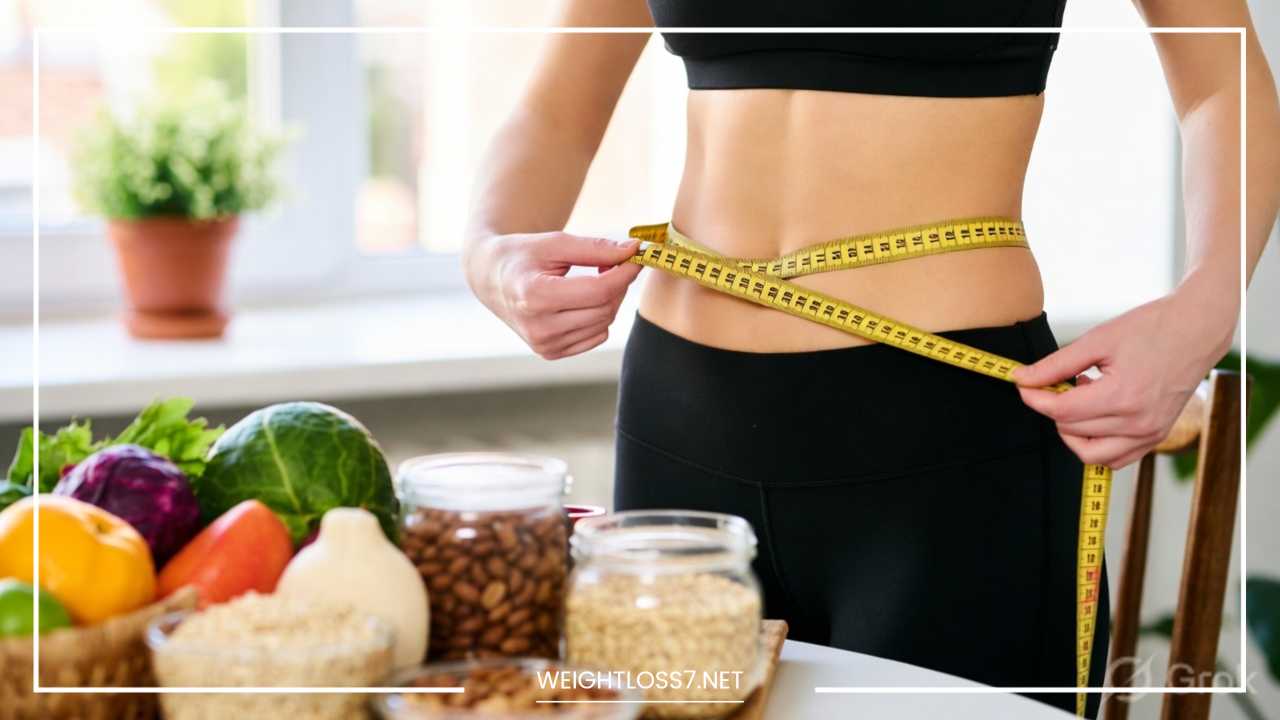
Keep Tracking: You don’t need to count every calorie forever, but checking in with your weight or measurements once a week can provide accountability.
-
Focus on Identity: Shift your mindset from “I am on a diet” to “I am a person who prioritizes my health.” When your habits are part of your identity, they become effortless.
-
Forgive Yourself: If you have a day where you eat more than planned, don’t throw in the towel. Simply make your next meal a healthy one.
Final Thoughts
Losing weight in a month is an achievable and rewarding goal. By focusing on whole foods, controlling your portions, and ensuring you get enough fiber and protein, you can create a sustainable caloric deficit that doesn’t leave you feeling deprived.
Remember that this journey is about more than just a number on a scale; it is about nourishing your body, improving your energy, and building habits that will serve you for years to come. Be patient with yourself, stay consistent, and celebrate the small victories along the way. You have the tools and the knowledge to make this month a turning point in your health journey. Focus on progress, not perfection, and the results will follow.