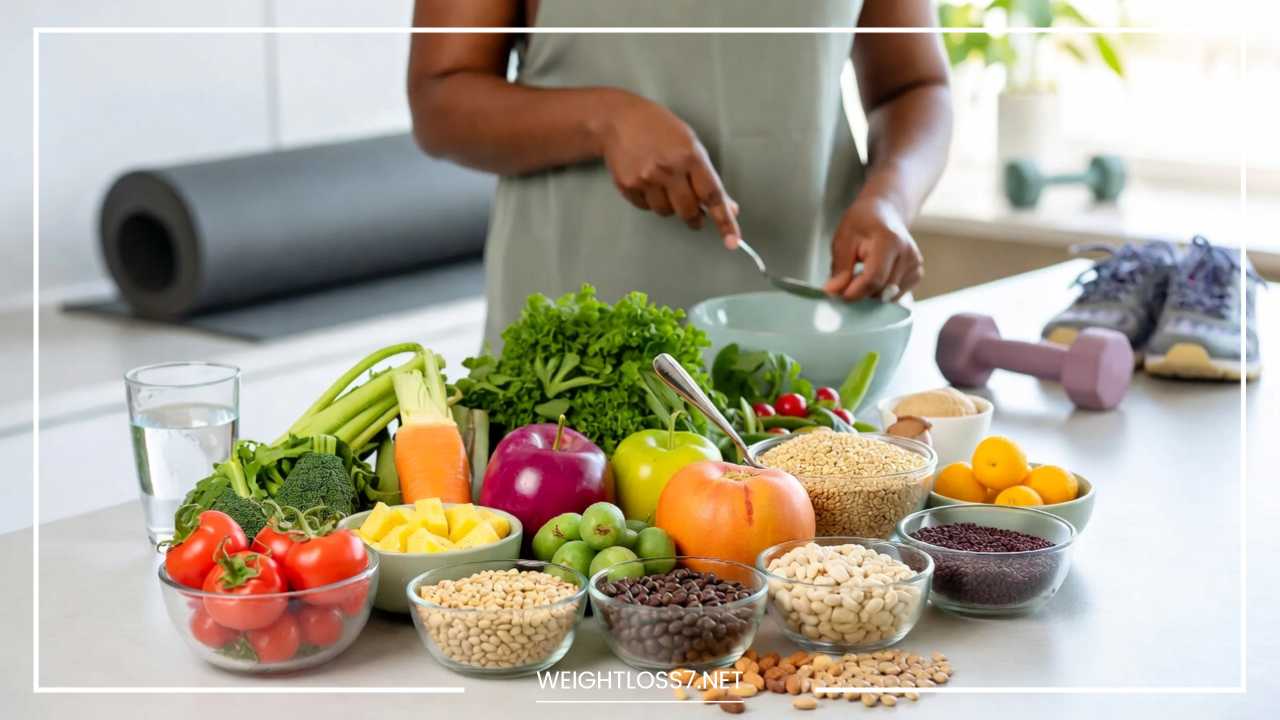
Best and Healthiest Way to Lose Weight


Best and Healthiest Way to Lose Weight: Effective and Safe Weight Loss Tips
Achieving a healthy weight is one of the most transformative gifts you can give to your body and mind. In a world saturated with “overnight transformations” and “secret fat-burning hacks,” it is easy to feel overwhelmed and discouraged. However, the reality of sustainable weight loss is far more grounded and accessible than the fitness industry often suggests. It is not about extreme deprivation, punishing gym sessions, or expensive supplements. Instead, it is about finding a harmonious balance between the energy you consume and the energy you use, all while nourishing your body with the nutrients it needs to thrive and function at its peak.
Weight management is critical for overall health because it reduces the strain on your vital organs and skeletal system. Carrying excess weight is linked to an increased risk of chronic conditions such as type 2 diabetes, hypertension, cardiovascular diseases, and joint complications. Beyond the physical benefits, reaching a healthy weight often leads to improved mental clarity, higher self-esteem, and more stable energy levels throughout the day.
The goal of this guide is to move away from the “all or nothing” mentality and toward a safe, effective, and sustainable approach that works for a general audience. By focusing on whole foods, consistent movement, and positive lifestyle shifts—while avoiding the pitfalls of fad diets—you can achieve a version of health that lasts a lifetime.
Understanding the Mechanics of Weight Loss
To navigate weight loss successfully, one must first understand the biological foundation of how our bodies manage energy. Weight loss is not a mystery; it is a physiological response to specific inputs and environments.
The Principle of Energy Balance
At its simplest level, weight loss is governed by the principle of energy balance: the relationship between calories consumed through food and drink and calories expended through bodily functions and physical activity. When you consume more energy than your body requires for its daily operations, the excess is stored, primarily as adipose tissue (fat). Conversely, when you create an energy deficit—meaning you consume fewer calories than your burn—your body draws upon those stored reserves for fuel.
However, while this mathematical equation is the baseline, it is influenced by the quality of the calories you consume. The body does not process all calories in the same way. For instance, five hundred calories of highly processed sugars will cause a rapid spike in insulin, which promotes fat storage and can lead to a subsequent “crash” that triggers more hunger. In contrast, five hundred calories of fiber-rich grains and legumes are digested slowly, providing steady energy and keeping hunger hormones suppressed for hours.
The Role of Metabolism and BMR
Metabolism is the complex chemical process by which your body converts food and stored energy into the fuel needed to keep you alive. Your Basal Metabolic Rate (BMR) accounts for the vast majority of the energy you burn—this is the fuel required just to keep your heart beating, lungs breathing, and cells functioning while at rest.
Many people worry they have a “slow metabolism,” but metabolism is dynamic. While factors like age and genetics play a role, you can influence your metabolic rate through your lifestyle. Building lean muscle mass, for example, increases your BMR because muscle tissue requires more energy to maintain than fat tissue. Even the act of digesting food, known as the thermic effect of food (TEF), contributes to your daily burn. Whole, unprocessed foods generally have a higher TEF than processed ones, meaning your body actually works harder (and burns more) to digest them.
The Holistic Triangle
Successful weight loss is not just a matter of “eating less.” It requires a triad of nutrition, physical activity, and lifestyle management. If you cut calories too drastically without maintaining activity, your metabolism may slow down as a survival mechanism (often called adaptive thermogenesis). If you exercise heavily but ignore nutrition, you may find yourself too hungry to maintain a deficit. True success lies in the intersection of these three pillars.
Nutrition: The Foundation of Health
Nutrition is the most significant lever you can pull when it comes to weight management. However, rather than focusing on what to “cut out,” it is more effective to focus on what to “add in”—specifically, nutrient-dense whole foods that provide maximum satiety for minimum caloric density.
The Balanced Diet Approach
A balanced diet focuses on variety, color, and quality. By centering your meals around whole foods, you naturally reduce the intake of added sugars and unhealthy fats that are rampant in pre-packaged meals.
-
The Power of Fruits and Vegetables: These should form the foundation of your plate. They are high in fiber and water, which add volume to your meals. This “volume eating” allows you to eat a large amount of food, physically filling your stomach and triggering stretch receptors that signal fullness to the brain, all while keeping calorie counts low. Aim for a wide spectrum of colors to ensure you are getting a variety of phytonutrients and antioxidants.
-
Whole Grains for Sustained Energy: Options like oats, quinoa, brown rice, barley, and whole-wheat pasta are superior to their refined counterparts. Refined grains (like white bread or sugary cereals) have been stripped of their fiber and germ, leading to rapid digestion and blood sugar instability. Whole grains provide the “slow-burn” energy necessary for maintaining focus and preventing mid-afternoon cravings.
-
Legumes and Pulses: Beans, lentils, chickpeas, and peas are nutritional powerhouses. They provide a unique combination of high fiber and significant protein. This combination is perhaps the most effective tool for weight loss because it addresses both physical fullness (fiber) and hormonal satiety (protein).
-
Nuts and Seeds: While these are calorie-dense, they are packed with essential fatty acids and minerals. A small handful of almonds, walnuts, or chia seeds can provide a satisfying crunch and help bridge the gap between meals, preventing overeating at dinner.
Macronutrient Balance and Protein Alternatives
To lose weight without feeling deprived or losing muscle, you must balance carbohydrates, proteins, and fats. Since this guide avoids meat and egg products, we focus on high-quality alternatives that provide the amino acids necessary for repair and satiety.
-
Satiating Proteins: Look to tofu, tempeh, edamame, and various dairy options like Greek yogurt, cottage cheese, or milk (or fortified soy alternatives). Protein is the most satiating macronutrient; it reduces levels of the hunger hormone ghrelin and boosts the levels of peptide YY, a hormone that makes you feel full.
-
Healthy Fats: Avocados, olive oil, and flaxseeds are essential for more than just flavor. They are required for the production of hormones and the absorption of fat-soluble vitamins (A, D, E, and K). A diet too low in fat can lead to dry skin, hormonal imbalances, and a constant feeling of “mental hunger.”
-
The Role of Fiber: Fiber is a type of carbohydrate that the body cannot digest. Because it passes through your system largely intact, it slows the absorption of sugar and helps regulate the body’s use of glucose, keeping hunger and blood sugar in check.
Hydration and Metabolism
Water is the medium in which all metabolic reactions occur. Even mild dehydration can slow down your metabolism and interfere with your body’s ability to burn stored fat. Furthermore, the brain often confuses thirst signals with hunger signals. If you feel a sudden craving, drinking a glass of water and waiting fifteen minutes can often reveal that you were simply thirsty.
Replacing sugary beverages—sodas, sweetened coffees, and “energy” drinks—with water, sparkling water, or herbal tea is one of the fastest ways to reduce calorie intake without sacrificing food volume.
Exercise: Beyond the Calorie Burn
While nutrition is the primary driver of weight loss, physical activity is the primary driver of health and long-term weight maintenance. Exercise should be viewed not as a punishment for what you ate, but as a way to strengthen your body and improve your quality of life.
Aerobic Activity (Cardiovascular Health)
Aerobic exercise, often called “cardio,” includes any activity that raises your heart rate and breathing rate for an extended period.
-
Low-Impact Options: Walking is the most underrated weight loss tool. It is accessible, requires no special equipment, and puts minimal stress on the joints. A daily 30-to-40-minute brisk walk can significantly contribute to your energy deficit.
-
Moderate to High Intensity: Swimming, cycling, and jogging burn calories at a higher rate and improve the efficiency of your heart and lungs. These activities also improve “metabolic flexibility,” which is your body’s ability to switch between burning carbohydrates and burning fat for fuel.
Strength Training and Muscle Preservation
When you lose weight, your body naturally wants to burn both fat and muscle. To ensure that the weight you lose is primarily fat, strength training is essential.
-
Building the “Engine”: Muscle tissue is metabolically expensive. Even when you are sleeping, your muscles are burning calories to maintain themselves. By engaging in resistance training (using bodyweight, resistance bands, or weights), you send a signal to your body to keep its muscle mass, which helps prevent the metabolic slowdown often associated with dieting.
-
Bodyweight Exercises: You don’t need a gym membership. Squats, lunges, planks, and push-ups can be done in your living room and are highly effective for building functional strength.
Flexibility and Mental Wellbeing
Yoga, Pilates, and general stretching routines are vital components of a weight loss plan. While they may not burn as many calories as a HIIT (High-Intensity Interval Training) session, they lower cortisol (the stress hormone) and improve your range of motion. Increased flexibility means you are less likely to get injured during your more intense workouts, allowing for the consistency that weight loss requires.
Starting Small and Staying Consistent
The “weekend warrior” approach—being sedentary all week and then exercising for three hours on Saturday—is often counterproductive and leads to injury. Instead, aim for “activity snacks” throughout the day. Take the stairs, park further away from the store, or have a standing desk. These small movements, known as NEAT (Non-Exercise Activity Thermogenesis), can actually account for more daily calorie burn than a structured 30-minute workout.
Lifestyle Habits: The Silent Influencers
Your environment and daily habits act as the “control center” for your weight loss efforts. If your lifestyle is chaotic, your body will cling to weight as a survival mechanism.
The Critical Role of Sleep
Sleep is not a luxury; it is a metabolic necessity. During deep sleep, your body repairs tissues and balances hormones. Research consistently shows that people who sleep less than seven hours a night are more likely to have higher body fat percentages.
-
Hormonal Imbalance: Sleep deprivation causes ghrelin (the “go eat” hormone) to spike and leptin (the “stop eating” hormone) to plummet. This is why you crave donuts and chips after a poor night’s sleep—your brain is searching for a quick energy fix.
-
Willpower Depletion: Lack of sleep affects the prefrontal cortex of the brain, the area responsible for decision-making and impulse control. It is much harder to say no to processed snacks when your brain is fatigued.
Stress Management and Cortisol
Chronic stress is a major barrier to weight loss. When you are stressed, your body releases cortisol, a hormone that encourages the storage of “visceral fat” (fat around the midsection). Stress also leads to emotional eating, where food is used as a coping mechanism for uncomfortable feelings.
-
Mindfulness and Meditation: Even five minutes of deep breathing or meditation can lower your heart rate and signal to your nervous system that you are safe, reducing the production of stress hormones.
-
The “Relaxation Response”: Engaging in hobbies, reading, or spending time with loved ones can help balance your nervous system, making it easier for your body to release stored energy.
Consistency Over Perfection
One of the biggest psychological hurdles in weight loss is the “all or nothing” mindset. If someone eats a piece of cake at an office party, they may feel they have “ruined” their diet and proceed to eat poorly for the rest of the week.
The healthiest and most successful individuals view their journey as a long-term trend rather than a daily pass/fail test. If you make healthy choices 80% of the time, your body will handle the other 20% without issue. Consistency is about getting back on track immediately after a setback, rather than waiting for “next Monday.”
Strategies for Healthy Eating
Changing how you eat can be just as impactful as changing what you eat. These strategies help bridge the gap between nutritional knowledge and daily action.
Meal Planning and Preparation
We live in an “obesogenic” environment—one where high-calorie, low-nutrient food is available 24/7. To counter this, you must take control of your food environment.
-
Batch Cooking: On a day when you have extra time, cook large batches of staples like brown rice, roasted vegetables, and lentils. Having these ready in the fridge means a healthy meal is only five minutes away, reducing the temptation to order takeout.
-
The Power of a Grocery List: Never shop when you are hungry, and always shop with a list. Stick to the perimeter of the store where the fresh produce and whole foods are usually located, avoiding the inner aisles filled with processed snacks.
Mindful Eating Techniques
Mindful eating is the practice of being fully present during a meal. It involves paying attention to the colors, smells, textures, and flavors of your food, as well as the internal cues of hunger and satisfaction.
-
Slow Down: It takes approximately 20 minutes for your stomach to send a signal to your brain that it is full. If you finish your meal in five minutes, you are likely to overeat before you even realize you are satisfied.
-
Remove Distractions: Eating while watching TV or scrolling through your phone disconnects you from your body’s signals. Try to eat at least one meal a day in silence or with conversation, focusing entirely on the food.
-
The Hunger Scale: Before you eat, ask yourself where you are on a scale of 1 to 10 (1 being starving and 10 being painfully full). Aim to start eating when you are at a 3 and stop when you are at a 7.
Healthy Snacking
Snacks should be treated as “mini-meals” that provide nutrition, not just “treats” to pass the time.
-
The Fiber-Protein Duo: Always pair a carbohydrate with a protein or fat. An apple (fiber) with some almond butter (fat/protein) will keep you full much longer than an apple alone.
-
Portioning Snacks: Avoid eating directly out of a large bag or box. Put a serving size in a bowl to prevent mindless overconsumption.
Common Mistakes and How to Avoid Them
Even with the best intentions, it is easy to fall into traps that hinder progress. Recognizing these common mistakes can save you months of frustration.
The Danger of “Hidden” Calories
Many people eat healthy meals but forget to account for liquids and condiments.
-
Liquid Calories: Fruit juices, sweetened nut milks, and fancy coffee drinks can easily add 300–500 calories to your day without making you feel full.
-
Dressings and Oils: While olive oil is healthy, a single tablespoon contains about 120 calories. Being mindful of how much oil you use in cooking and how much dressing you pour on salads is crucial for maintaining an energy deficit.
Skipping Meals
Skipping breakfast or lunch to “save calories” almost always leads to a ravenous state in the evening. This often results in a “binge” where you consume more calories in one sitting than you would have in three balanced meals. It also puts the body in a state of stress, which can negatively affect your metabolic rate.
Relying on the Scale Alone
Weight loss is rarely linear. Your weight can fluctuate by several pounds in a single day due to water retention, salt intake, hormonal cycles, or even muscle inflammation after a workout. If the scale doesn’t move for a week, it doesn’t mean you aren’t losing fat. Use other markers of progress, such as how your clothes fit or your increased energy levels, to stay motivated.
The “Health Halo” Trap
Just because a food is labeled “organic,” “gluten-free,” or “all-natural” does not mean it is low in calories. A gluten-free cookie is still a cookie. It is important to read nutrition labels and understand that “healthy” ingredients still count toward your total energy balance.
Staying Motivated for the Long Haul
Motivation is what gets you started; habit is what keeps you going. To reach your goal, you must find ways to keep the journey interesting and rewarding.
Setting “SMART” Goals
Vague goals like “I want to get healthy” are hard to track. Instead, set SMART goals: Specific, Measurable, Achievable, Relevant, and Time-bound.
-
Example: “I will replace my afternoon soda with sparkling water five days a week for the next month.” This is a goal you can clearly succeed at, which builds momentum.
Tracking and Reflection
Whether it’s a food diary, a fitness app, or a simple notebook, tracking your habits helps you see patterns. You might notice that you always crave sweets when you stay up too late, or that you have much more energy for your workouts on days you eat lentils for lunch. This data allows you to make informed adjustments to your plan.
Finding Your “Why”
Weight loss is hard, and there will be days when you want to give up. On those days, “looking better” might not be enough of a motivator. Dig deeper. Do you want to be able to play with your children without getting winded? Do you want to reduce your dependency on blood pressure medication? Do you want to feel strong and capable as you age? Write down your “why” and keep it somewhere visible.
Final Thoughts: A Journey of a Thousand Steps
The best and healthiest way to lose weight is not a secret kept by elite athletes or celebrities. It is the cumulative result of small, sustainable choices made every day. By prioritizing whole grains, legumes, vegetables, and plant-based proteins, you provide your body with the fuel it needs to repair and thrive. By incorporating consistent, joyful movement, you strengthen your heart and your metabolism. And by respecting your body’s need for sleep and stress management, you create an internal environment that allows for the release of excess weight.
Safe weight loss is a gradual process. A loss of 1 to 2 pounds per week is widely considered the gold standard for sustainability. This pace allows your skin to adjust, your metabolism to remain stable, and your habits to become deeply ingrained.
Be patient with yourself. There will be holidays, celebrations, and days where things don’t go according to plan. That is part of a normal, healthy life. The key is not to seek perfection, but to seek progress. Every meal is a new opportunity to nourish yourself, and every day is a new opportunity to move. Embrace the journey, trust the process, and celebrate the incredible capabilities of your body.