
Weight Loss for Me | Tips & Strategies for Effective Results

Weight Loss for Me | Tips & Strategies for Effective Results
The journey toward a healthier body is one of the most personal and impactful endeavors an individual can undertake. Weight loss is often framed through the lens of aesthetics, but its true value lies in the profound improvements it brings to overall health, longevity, and quality of life. When we carry excess weight, our systems—from the cardiovascular to the skeletal—must work harder to maintain daily functions. Reducing that burden can lead to lower blood pressure, improved joint health, enhanced respiratory function, and a significant boost in mental clarity and energy levels.
In a world filled with conflicting advice and “quick-fix” promises, finding a path that feels authentic to your own life can be daunting. This article is designed as a comprehensive resource for everyone, regardless of where you are starting or what your daily schedule looks like. We will explore the mechanics of how the body manages energy and provide actionable strategies that do not rely on restrictive fad diets. Instead, the focus is on building a lifestyle that supports your biological needs while respecting your personal preferences.
The most important thing to remember at the start of this journey is that weight loss is a gradual, sustainable process. It is a marathon, not a sprint. Real, lasting change happens through the accumulation of small, consistent actions that eventually become second nature. By setting realistic expectations and focusing on health rather than just a number on a scale, you create a foundation for a lifestyle that you can maintain for years to come. This is not about a temporary “program” but about evolving into a version of yourself that prioritizes well-being.
Understanding Weight Loss
To navigate weight loss effectively, one must first understand the fundamental science behind how the body manages energy. At its simplest level, weight management is governed by the principle of energy balance: calories in versus calories out. A calorie is not an “enemy”; it is a unit of energy found in the food and drinks we consume. This energy fuels everything from your heartbeat to a five-mile run.
The Mechanics of Energy Balance
When we consume more energy than our body requires for daily activities and physiological functions, the excess is stored—primarily as adipose tissue (fat). This is an evolutionary survival mechanism designed to protect humans during times of food scarcity. Conversely, when we consume fewer calories than we expend, the body draws upon these stored reserves to make up the deficit, leading to weight loss. Understanding this balance empowers you to make informed decisions about your intake and activity levels without feeling the need to follow arbitrary “rules.”
Body Composition: Beyond the Number on the Scale
It is vital to distinguish between weight loss and fat loss. Your total body weight is composed of various elements, including muscle, bone, water, organs, and fat. When people say they want to lose weight, they usually mean they want to lose body fat while maintaining their lean tissue.
-
Fat Loss: The reduction of stored adipose tissue. This is the primary goal for improving health and metabolic function.
-
Muscle Loss: Often an unintended consequence of extreme calorie restriction. Preserving muscle is crucial because muscle tissue is more metabolically active than fat, meaning it burns more calories even at rest.
-
Water Weight: Fluctuations in weight can often be attributed to water retention, which is influenced by sodium intake, hydration levels, carbohydrate consumption, and hormonal changes. Understanding these distinctions helps prevent frustration when the scale fluctuates daily despite your best efforts.
The Role of Metabolism
Metabolism refers to the complex chemical processes that occur within your body to maintain life. Your Basal Metabolic Rate (BMR) is the amount of energy your body burns at rest to keep your heart beating, lungs breathing, and cells functioning. Several factors influence metabolism, including age, gender, genetics, and muscle mass. While you cannot change your genetics, you can influence your metabolic rate through physical activity and by building lean muscle. It is a common misconception that people with “slow” metabolisms cannot lose weight; while it may require more precision, the principles of energy balance still apply.
Common Misconceptions
A prevalent myth is that “fast weight loss is always best.” In reality, rapid weight loss—often achieved through extreme calorie cutting—usually results in the loss of water and muscle rather than fat. Furthermore, extreme deficits are difficult to maintain and can lead to metabolic adaptation, where the body slows down its energy expenditure to protect itself from perceived starvation. A slower, steady approach—typically losing 0.5 to 1 kilogram per week—is widely considered the most effective way to ensure the weight stays off for the long term.
Healthy Eating Habits
Nutrition is the cornerstone of any weight loss plan. However, healthy eating does not have to mean deprivation or eating tasteless food. It is about shifting the focus toward nutrient density, satiety, and mindful consumption.
Portion Control and Calorie Awareness
You can eat the most nutritious foods in the world and still struggle to lose weight if you are consuming them in quantities that exceed your energy needs. Portion control is a practical way to manage calorie intake without needing to eliminate entire food groups.
Consider the “visual” side of eating. Using smaller plates can trick the brain into feeling satisfied with less food. Measuring servings, especially for calorie-dense items like oils, nuts, and grains, can provide a reality check on how much you are actually consuming. Many people are surprised to find that a “serving” of cereal or pasta is much smaller than what they typically pour. By becoming aware of these portions, you can make adjustments that don’t feel like a sacrifice.
Balanced Nutrition Through Whole Foods
A balanced diet provides the vitamins, minerals, and macronutrients necessary for the body to function optimally while in a calorie deficit. Focus on a variety of whole, unprocessed foods:
-
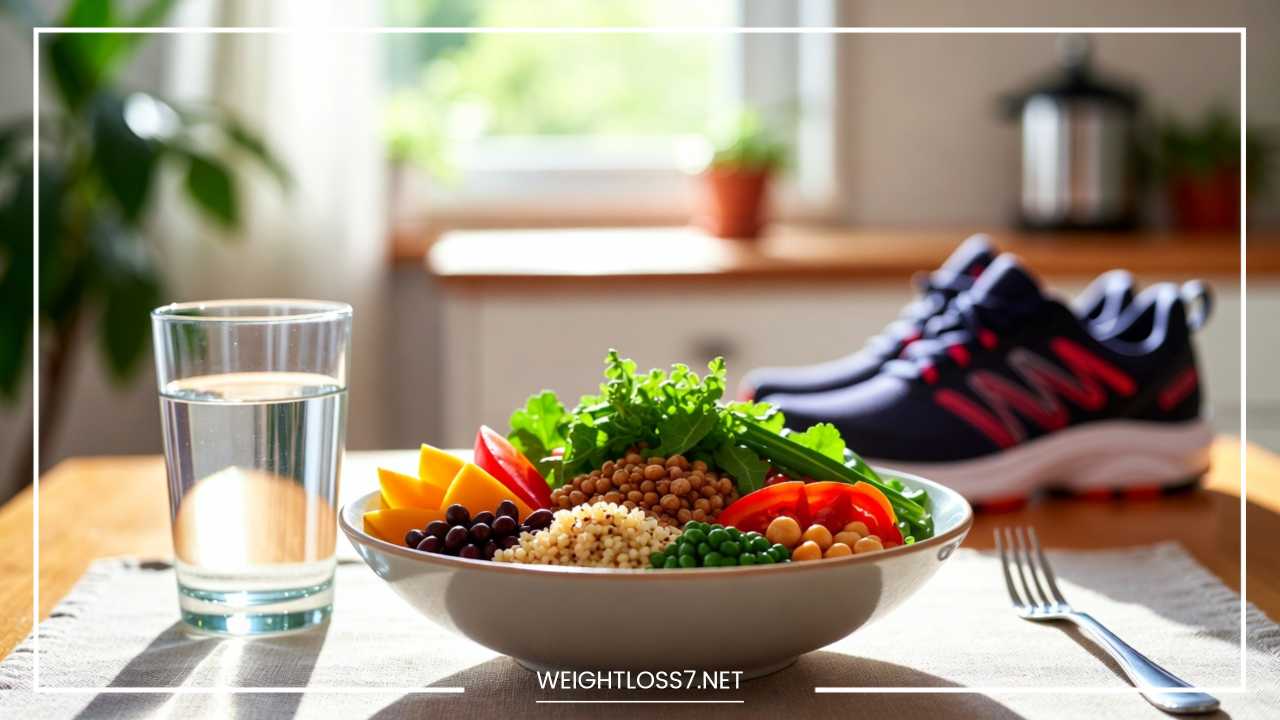
Vegetables and Fruits: These are the “volume” kings of weight loss. High in fiber and water, they allow you to eat a large quantity of food for relatively few calories. Aim for a “rainbow” of colors to ensure a wide range of micronutrients.
-
Whole Grains: Foods like brown rice, quinoa, oats, and whole-wheat pasta provide sustained energy. The fiber in whole grains slows down digestion, preventing the blood sugar spikes and crashes that lead to hunger.
-
Legumes and Pulses: Beans, lentils, chickpeas, and peas are nutritional powerhouses. They are rich in both protein and fiber, a combination that is incredibly effective at keeping you full for hours.
-
Dairy and Alternatives: Milk, yogurt, and cheese can be excellent sources of protein and calcium. Opting for unsweetened or lower-fat versions can help manage calories while still providing essential nutrients.
-
Healthy Fats: While fats are calorie-dense, they are essential for hormone production and brain health. Focus on sources like avocados, nuts, seeds, and olive oil, but be mindful of portion sizes.
Mindful Eating and Hunger Cues
In our fast-paced world, many of us eat while distracted by phones, televisions, or work. Mindful eating involves paying full attention to the experience of eating. It means chewing slowly, savoring the texture and flavor of your food, and—most importantly—listening to your body’s internal cues.
It takes approximately 20 minutes for your brain to receive the chemical signals from your stomach that it is full. If you finish a meal in five minutes, you are likely to overeat before your brain realizes you’ve had enough. By slowing down, you allow your natural satiety signals to take over. Learning to distinguish between “emotional hunger” (eating because you are bored or stressed) and “physical hunger” (eating because your body needs fuel) is a transformative skill in the weight loss journey.
Meal Planning and Hydration
Planning is the enemy of impulse. When you have a general idea of what you will eat for the day, you are far less likely to reach for convenient, high-calorie processed snacks when hunger strikes. Meal prepping doesn’t have to mean spending an entire Sunday in the kitchen; it can be as simple as chopping vegetables in advance or cooking a double batch of grains to use throughout the week.
Additionally, never underestimate the power of hydration. Thirst is frequently mistaken for hunger. The body’s signals for “I need water” and “I need food” are remarkably similar. Drinking a glass of water before a meal can help you feel more satisfied, and maintaining proper hydration ensures that your metabolism and digestion function at their peak.
Physical Activity & Exercise
While nutrition is the primary driver of weight loss, physical activity is the catalyst that improves the quality of that loss and ensures long-term maintenance. Exercise does more than just burn calories; it improves cardiovascular health, strengthens bones, regulates blood sugar, and has a profound impact on mental well-being.
Cardiovascular Exercise: The Calorie Burner
Cardiovascular exercise (cardio) is any activity that increases your heart rate and breathing. It is highly effective for increasing your total daily energy expenditure.
-
Walking: This is the most underrated and accessible form of exercise. It requires no special equipment, is low-impact on the joints, and can be integrated into your daily commute or lunch break.
-
Cycling and Swimming: These are excellent for those who need a low-impact option but want a higher intensity than walking.
-
Running and Aerobics: These activities burn a high number of calories in a short amount of time but require a certain level of baseline fitness and joint health.
The key to cardiovascular success is finding an activity you actually enjoy. If you hate running, don’t run. If you enjoy dancing, a 30-minute dance session is just as valid as a 30-minute jog.
Strength Training: The Metabolic Booster
Strength training involves using resistance to build muscle. This can include using resistance bands, dumbbells, or simply your own body weight through exercises like squats, push-ups, and planks.
The importance of strength training during weight loss cannot be overstated. When the body is in a calorie deficit, it risks breaking down muscle tissue for energy. By engaging in resistance training, you send a signal to your body to “keep” the muscle. Since muscle tissue requires more energy to maintain than fat tissue, having more lean mass helps keep your metabolism elevated even when you are sleeping.
Flexibility and Balance
A well-rounded fitness routine should also include flexibility and balance work. Practices like yoga, Pilates, or dedicated stretching routines improve your range of motion and reduce the risk of injury. As you lose weight and your body’s center of gravity shifts, maintaining good balance and core strength becomes even more important for overall mobility.
How Much Is Enough?
General health guidelines for adults recommend at least 150 minutes of moderate-intensity aerobic activity per week, plus muscle-strengthening activities on two or more days. However, if you are currently inactive, do not feel you have to hit these numbers immediately. Start with 10 or 15 minutes a day and build up. The goal is to move more than you did yesterday. Consistency is far more important than intensity; a short daily walk is more beneficial for long-term habit formation than an exhausting two-hour gym session once a week.
Lifestyle & Behavior Changes
Weight loss is as much a psychological challenge as it is a physical one. Changes in your environment, your schedule, and your mindset are what turn a “diet” into a permanent way of life.
The Science of Sleep
Sleep is a frequently ignored factor in weight management. When you are sleep-deprived, your body undergoes hormonal shifts that actively work against your weight loss goals. Two key hormones, ghrelin and leptin, are disrupted. Ghrelin, which signals hunger, increases, while leptin, which signals fullness, decreases. This creates a “perfect storm” for overeating, specifically for high-calorie, sugary foods as your brain looks for a quick energy fix. Aiming for 7 to 9 hours of quality sleep per night is not a luxury; it is a metabolic necessity.
Stress Management and Cortisol
Chronic stress triggers the release of cortisol, a hormone that can increase appetite and encourage the body to store fat, particularly in the abdominal area. Stress also leads to “emotional eating,” where food is used as a temporary comfort. Developing healthy stress-management techniques—such as deep breathing, meditation, or spending time in nature—can prevent stress from derailing your progress. It is important to have a “toolkit” of activities to turn to when life gets difficult that do not involve food.
Consistency Over Perfection
One of the biggest hurdles to weight loss is the “all-or-nothing” mindset. Many people believe that if they have one “unplanned” meal or miss a workout, they have failed and might as well give up for the rest of the week. This perfectionism is the enemy of progress.
Weight loss is about the trend over time, not a single day’s performance. If you deviate from your plan, simply acknowledge it and return to your healthy habits at the next possible opportunity. There is no “starting over on Monday.” You can start over at your very next meal. A 20% “margin of error” where you enjoy your favorite treats in moderation can actually make you more likely to stick to your 80% healthy habits.
Tracking Progress Without Obsession
While the scale is a useful tool, it should not be the only metric of your success. Weight can fluctuate based on salt intake, inflammation, and water cycles. Consider these other ways to monitor your progress:
-
Body Measurements: Tracking inches lost around the waist, hips, and chest.
-
Clothing Fit: Noticing when your favorite pair of jeans becomes loose.
-
Non-Scale Victories (NSVs): Having more energy to play with your children, sleeping through the night, or being able to walk up a flight of stairs without getting winded.
-
Photographs: Taking monthly progress photos to see changes in your body shape that the scale might not reflect.
Overcoming Common Challenges
The path to weight loss is rarely a straight line. There will be obstacles, and knowing how to handle them is key to staying on track.
Navigating Plateaus
A weight loss plateau occurs when your weight remains stagnant for several weeks despite following your plan. This is a normal physiological response. As you lose weight, your body requires fewer calories to function. What was once a deficit for a 200-pound person may be the “maintenance” level for a 170-pound person.
To break a plateau:
-
Re-evaluate your intake: Ensure that “portion creep” hasn’t set in.
-
Change your routine: If you always do the same workout, your body becomes efficient at it. Try something new to challenge different muscle groups.
-
Prioritize recovery: Sometimes, a plateau is a sign of too much stress and not enough rest.
Social Situations and Eating Out
Socializing often revolves around food, which can be challenging when you are trying to be mindful of your intake. However, you do not have to become a hermit.
-
Plan Ahead: Look at the menu online before you arrive so you can make a calm, rational choice rather than an impulsive one when you’re hungry.
-
The “One Plate” Rule: At buffets or parties, fill one plate with the best available options and skip the seconds.
-
Mindful Drinking: Liquid calories from sweetened beverages can add up quickly. Opt for water, sparkling water, or unsweetened tea.
-
Focus on Connection: Shift your focus from the food to the people. You are there to enjoy company, not just the catering.
Managing Motivation Dips
Motivation is a feeling, and like all feelings, it is temporary. You will not always feel “inspired” to go to the gym or choose a salad. This is where discipline and systems take over.
-
Lower the Barrier to Entry: If you don’t feel like working out for an hour, commit to just five minutes. Often, the hardest part is starting.
-
Find Your “Why”: Keep a clear reason for your journey in mind. Is it to be more active for your family? To reduce medication? To feel more confident? When your “why” is strong, it can carry you through the days when your “want” is weak.
Supporting Your Journey Safely
Your health and safety should always be the priority. It is important to approach weight loss in a way that nourishes your body rather than punishes it.
Avoiding Fad Diets and Extreme Measures
If a diet sounds too good to be true, it probably is. Any plan that promises “10 pounds in 10 days” or requires you to buy expensive supplements is likely unsustainable and potentially harmful. Extreme calorie restriction can lead to nutrient deficiencies, gallbladder issues, and a slowed metabolism. Focus on methods that feel like something you could do for the rest of your life, not just for the next two weeks.
Consulting Professionals
While general advice is helpful, everyone has unique medical histories. If you have underlying health conditions—such as heart disease, hypertension, or a history of disordered eating—it is essential to consult with a healthcare provider. A registered dietitian can provide a personalized nutrition plan that accounts for your specific health markers, ensuring that you lose weight in a way that supports your long-term vitality.
Listening to Your Body
Your body provides constant feedback. If you feel constantly exhausted, irritable, or dizzy, your calorie deficit may be too aggressive. Weight loss requires a certain level of discipline, but it should not result in physical or mental suffering. Pay attention to your energy levels, your mood, and your digestion. A healthy journey should make you feel stronger and more capable, not depleted.
Final Thoughts
Weight loss is a deeply personal journey of self-discovery. There is no “perfect” way to do it, only the way that works for you. The most successful individuals are not those who never fail, but those who never give up. Every meal is a new opportunity to make a choice that aligns with your goals. Every morning is a fresh start.
As you move forward, embrace patience and self-compassion. You are unlearning years of habits and building a new relationship with yourself. Celebrate every victory, no matter how small. Whether it’s choosing water over soda or finally being able to touch your toes, these moments are proof of your progress.
By focusing on consistency, nutrient-dense whole foods, and regular movement, you are doing more than just changing your weight—you are transforming your life. Stay committed to the process, trust the science of energy balance, and remember that you deserve to feel your best. This journey is for you, and the results of your hard work will be the foundation for a healthier, more vibrant future.