
How to Lose Weight With Diet Alone

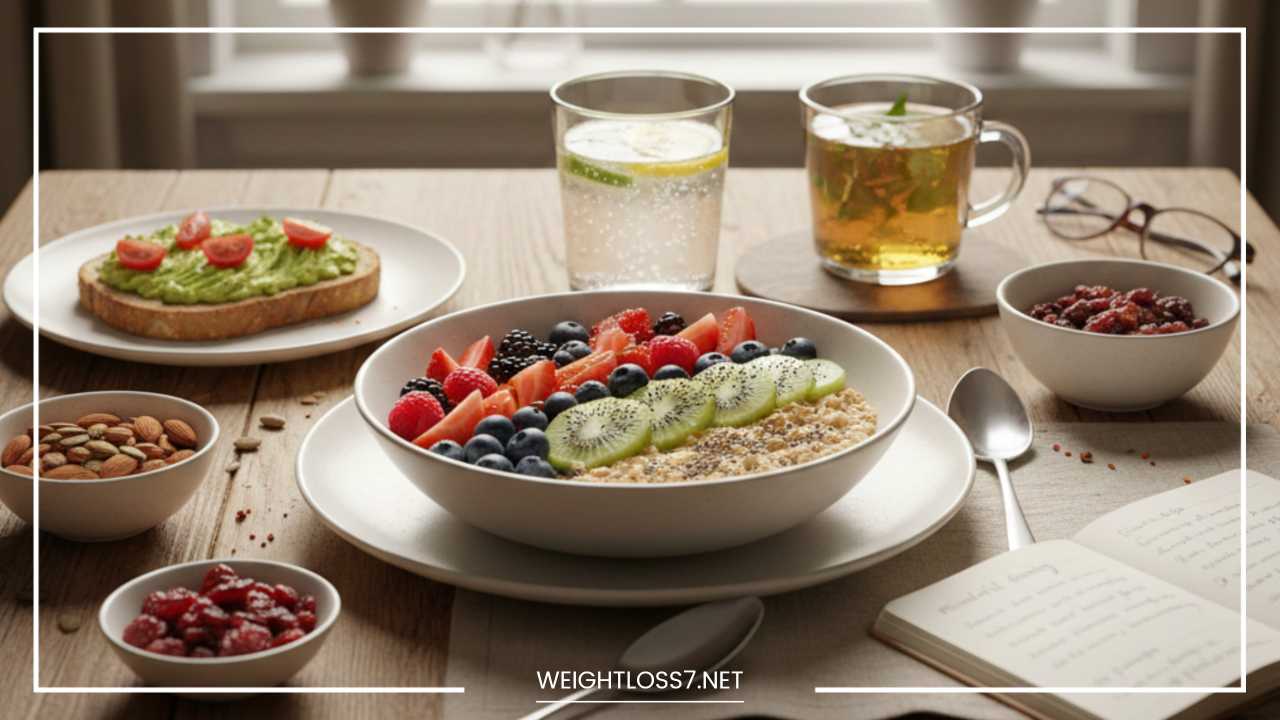
How to Lose Weight With Diet Alone | Healthy Eating Tips
The quest for weight loss is often depicted as a grueling journey through high-intensity gym sessions and endless miles on a treadmill. However, a fundamental truth remains: what you put on your plate is the most significant factor in determining your body composition. While physical activity offers numerous health benefits, it is entirely possible to lose weight effectively through dietary changes alone.
The logic behind this is rooted in how our bodies manage energy. It is far simpler to avoid consuming 500 calories than it is to burn them off through intense exercise. For many, the “calories in vs. calories out” equation is heavily weighted toward the “in” side. Common myths suggest that without a gym membership, weight loss is stagnant. In reality, your food choices influence your fat loss, appetite regulation, and metabolic health more than any single workout ever could.
The relationship between diet and weight loss is multifaceted. It isn’t just about the sheer number of calories, but how those calories communicate with your hormones. Different foods can either trigger storage signals or tell your body to utilize stored energy. By focusing on how different foods affect your hunger signals and hormonal responses, you can create a sustainable path to your goals. This guide will walk you through the mechanics of weight loss, the importance of food quality, and the psychological habits that make healthy eating a permanent lifestyle rather than a temporary fix. You will learn how to nourish your body while naturally reducing your intake, ensuring you lose weight without feeling deprived.
Understanding Weight Loss Basics
To navigate weight loss successfully, one must understand the underlying science. At its simplest level, weight loss occurs when the body experiences a caloric deficit. This means you are providing your body with less energy than it requires to maintain its current mass, forcing it to tap into stored energy—primarily body fat. However, this biological accounting is rarely a straight line.
Weight loss and fat loss are not identical. When the number on the scale drops, it could be a combination of body fat, water weight, and muscle tissue. Initial rapid weight loss is often a reduction in water retention as the body processes stored carbohydrates (glycogen). Glycogen holds onto water; as you reduce intake and use up these stores, the water is released. This explains why people often see a dramatic drop in the first week, followed by a slower pace. True fat loss is a more deliberate process that requires consistency over time.
Consistency is the most vital component of any diet-based plan. Many people fall into the trap of seeking perfection, only to give up after a single “bad” meal. In reality, your metabolism—the process by which your body converts food and drink into energy—works on a 24-hour cycle and beyond. It is the cumulative effect of your choices over weeks and months that dictates your results. Your basal metabolic rate (BMR) is the energy your body burns just to keep your organs functioning while at rest. By choosing nutrient-dense foods, you support this metabolic process, ensuring your body runs efficiently as you lose weight. Understanding that the body is a dynamic system rather than a static calculator allows for the patience required to see long-term change.
The Role of Calories Without Obsession
While calories are the currency of weight loss, obsession with tracking every morsel of food can lead to burnout and a disordered relationship with eating. A calorie is simply a unit of energy. To lose weight, you must consume fewer units of energy than your body uses. However, focusing solely on numbers ignores the satiety and nutritional value of food. For example, 200 calories of sugary snacks will affect your hunger and energy very differently than 200 calories of fibrous vegetables and healthy fats.
You can naturally reduce your calorie intake without strict counting by practicing portion awareness. Instead of measuring every gram, use your hands or the visual layout of your plate as a guide. Choosing “high-volume” foods is a primary strategy here. These are foods that take up a lot of space in your stomach but contain very few calories, such as leafy greens, cruciferous vegetables, and watery fruits.
When you fill your plate with high-volume, lower-calorie options, you trick your brain and stomach into feeling full. You are eating a large amount of food physically, but the caloric density is low. This approach prevents the “starvation” feeling that often dooms traditional diets. Gastric stretch receptors in the stomach signal fullness to the brain based on the physical volume of food, not just the nutrient density. By prioritizing these foods, the total caloric intake naturally trends downward, allowing for steady weight loss without the mental fatigue of constant mathematical calculations. This shift from “restriction” to “substitution” is the hallmark of a successful long-term eater.
Building a Balanced Plate for Weight Loss
A balanced plate is the foundation of long-term satiety and energy. If a meal is missing a key component, you are likely to feel hungry or sluggish shortly after eating, leading to overconsumption later in the day. A successful weight-loss plate focuses on three main pillars: carbohydrates, protein, and fats.
Carbohydrates: Quality Over Quantity
Carbohydrates are your body’s preferred energy source, particularly for the brain. For weight loss, the goal is to choose complex carbohydrates—such as whole grains (oats, brown rice, quinoa), legumes, and starchy vegetables—over refined sugars. These quality sources are packed with fiber, which means they digest slowly. This slow digestion provides a steady stream of energy and prevents the sharp insulin spikes that can lead to increased fat storage and subsequent “crashes” that trigger hunger.
Protein: The Satiety Powerhouse
Protein is essential for weight loss because it has a high “thermic effect,” meaning your body burns more energy digesting it than it does for fats or carbs. More importantly, protein is the most satiating macronutrient. It influences the release of satiety hormones like cholecystokinin (CCK) and peptide YY (PYY), which tell your brain you’ve had enough. By including a protein source at every meal—such as beans, lentils, nuts, seeds, or dairy products—you keep your appetite in check and protect your lean muscle mass during a caloric deficit.
Fats: Essential for Hormones
Healthy fats, found in nuts, seeds, avocados, and oils, are necessary for nutrient absorption (specifically vitamins A, D, E, and K) and hormone production. Because fats are calorically dense, portion awareness is key. A small serving can provide the richness a meal needs to be satisfying, preventing the urge to snack later. Fats slow down gastric emptying, meaning the food stays in your stomach longer, providing a prolonged sense of fullness.
Choosing Foods That Promote Fullness
The greatest challenge in losing weight is managing hunger. To combat this, you must prioritize foods that maximize satiety. High-fiber foods are the gold standard for appetite control. Fiber is a non-digestible carbohydrate that adds bulk to your diet and slows the rate at which food leaves your stomach. Legumes, whole grains, and a vast array of vegetables are excellent fiber sources. Beyond just filling the stomach, fiber also feeds the beneficial bacteria in your gut, which play a role in metabolic health.
Foods with high water content also play a role. Soups, stews, and juicy fruits like melon or citrus provide volume and hydration, which help signal to the brain that the body has received plenty of nourishment. Conversely, highly processed foods are often designed to be “hyper-palatable,” meaning they are engineered with the perfect ratio of salt, sugar, and fat to ensure you keep eating. These foods go down easily and don’t trigger fullness signals, leading to rapid overconsumption.
Texture and chewing also matter more than people realize. Slower-digesting, crunchy, or fibrous foods require more effort to eat. This extra time allows your digestive system to send “fullness signals” to your brain before you’ve over-consumed. Liquid calories, such as those in juices or smoothies, are processed much faster by the body and often leave you feeling hungry shortly after. By choosing whole, intact foods over liquids or soft, processed snacks, you naturally regulate your intake through the physical act of eating.
Reducing Added Sugars and Refined Foods
Added sugars and refined carbohydrates are the primary disruptors of a weight-loss journey. Unlike the natural sugars found in fruit, which come packaged with fiber and vitamins, added sugars provide empty calories that spike blood sugar levels. When blood sugar levels rise rapidly, the body releases insulin to manage it. Once the insulin does its job, blood sugar often crashes, which triggers intense cravings for more sugar to bring levels back up. This creates a cycle of “energy rollercoasters” and overeating.
Refined foods, like white bread, sugary cereals, and white pasta, have been stripped of their fiber and nutrients during processing. This means they digest almost instantly. Identifying hidden sources of sugar is crucial; often, condiments like ketchup, salad dressings, and “healthy” granola bars contain significant amounts of sweeteners under names like high fructose corn syrup, maltodextrin, or agave.
Practical swaps are the most effective way to handle this without feeling like you are on a “diet.” Switching from sweetened beverages to sparkling water with a splash of citrus, or from sugary cereal to oatmeal topped with fresh fruit, allows you to reduce sugar intake while still enjoying your food. By focusing on whole food alternatives, you stabilize your energy levels throughout the day and significantly reduce the total calories consumed without needing to rely solely on willpower.
Mindful Eating: A Powerful Tool for Weight Loss
Weight loss is as much about how you eat as it is about what you eat. Mindful eating is the practice of being fully present during meals, rather than treating eating as a secondary task. In our fast-paced world, many people eat while watching television, scrolling through phones, or working at a desk. These distractions prevent the brain from registering the sensory experience of eating, often leading to “accidental” overeating.
To practice mindful eating, start by removing distractions. Sit at a table and focus on the flavors, textures, and aromas of your food. Another key aspect is recognizing the difference between true physical hunger and emotional eating. Physical hunger comes on gradually and can be satisfied by many types of food. Emotional eating—the urge to eat out of stress, boredom, or sadness—is often sudden and focuses on specific “comfort” foods.
Slowing down the pace of your meal is equally important. It takes approximately 20 minutes for your stomach to signal to your brain that it is full. If you finish a large meal in five minutes, you may feel the need for seconds before your body has had a chance to react. Putting your fork down between bites and chewing thoroughly can help bridge this gap. Learning to stop when you are satisfied—meaning you no longer feel hungry—rather than when you feel “stuffed” or the plate is empty, is a transformative skill for weight management.
Meal Timing and Eating Patterns
There is much debate about whether meal timing affects weight loss. You may have heard that breakfast is the most important meal of the day, or conversely, that fasting is the key to success. The reality is that the total amount of food consumed over the course of a day and week is far more important than the specific hour you eat. However, establishing a routine can help manage hunger and prevent impulsive decisions.
Some people thrive on three structured meals, while others prefer smaller, more frequent snacks to keep their energy levels stable. The danger of skipping meals is that it often leads to extreme hunger later in the day. When you are “starving,” your brain’s executive function decreases, making it much harder to choose a healthy salad over a convenient, high-calorie fast food option.
Late-night eating is often criticized, but the time itself isn’t the biological problem—it’s the behavior associated with it. Late-night eating is frequently “mindless” snacking in front of a screen, and these calories are often in addition to a full day of eating. If you are truly hungry at night, a small, balanced snack is fine. Finding a routine that fits your lifestyle—whether that means a hearty breakfast to start the day or saving more calories for a larger dinner with family—is key to long-term adherence. The best eating pattern is the one you can maintain without feeling like you are constantly fighting your schedule.
Hydration and Its Impact on Weight Loss
Hydration is a frequently overlooked component of weight loss, yet it is one of the easiest to implement. The brain’s hypothalamus regulates both hunger and thirst, and the signals can sometimes be cross-wired. If you are mildly dehydrated, you might feel a “gnawing” sensation in your stomach that you interpret as hunger, when your body is actually crying out for water. Drinking a glass of water before a meal can help you distinguish between these two needs and potentially reduce your food intake.
Water is the ideal beverage for weight loss because it contains zero calories and helps the body process nutrients and eliminate waste efficiently. Replacing calorie-dense drinks like sodas, sweetened teas, specialty coffees, and juices with water can create a significant caloric deficit without changing a single thing about the solid food you eat. For someone who drinks two sodas a day, switching to water could result in a weight loss of over a pound a month from that single change.
To stay hydrated, carry a reusable bottle throughout the day and aim to drink consistently rather than chugging large amounts at once. You can add natural flavor with slices of cucumber, lemon, or mint. Not only does this support weight loss, but it also improves energy levels, skin health, and cognitive function. When you are well-hydrated, you are less likely to experience the mid-afternoon fatigue that often leads to sugary snacking.
Managing Cravings Without Restriction
Strictly forbidding your favorite foods is a recipe for failure. The “all-or-nothing” mentality creates a cycle of restriction and bingeing. When you tell yourself you “can’t” have something, it often becomes the only thing you want. Successful weight loss involves managing cravings with flexibility and psychological intelligence.
Cravings often happen because of a lack of dietary variety or because you are running a caloric deficit that is too aggressive. Allowing yourself a small, controlled portion of a treat can satisfy the psychological urge without derailing your progress. This is the difference between eating one square of dark chocolate and eating an entire bag of candy later because you felt deprived and finally “snapped.”
Portion control is a much more sustainable tool than total elimination. By viewing all foods as part of a spectrum rather than labeling them as “good” or “bad,” you remove the guilt associated with eating. This psychological balance is what allows people to maintain their weight loss for years. If 80-90% of your diet comes from nutrient-dense whole foods, the remaining 10-20% can be used for “fun” foods. This approach makes the diet feel like a lifestyle you can live with forever, rather than a prison sentence.
Common Diet Mistakes That Slow Weight Loss
One of the most common mistakes is eating too little. While a deficit is necessary, a massive deficit can be counterproductive. When you drastically cut calories, your body may respond by slowing down its metabolic rate to preserve energy. This can lead to muscle loss, hair thinning, and extreme fatigue. A body that thinks it is starving will hold onto fat stores more stubbornly.
Another pitfall is relying on highly processed “diet” foods. Products labeled as “low-fat” often replace fat with sugar to maintain flavor. “Sugar-free” products often use artificial sweeteners that, for some people, can trigger further cravings for sweets or disrupt gut bacteria. Real, whole foods—like a piece of fruit or a handful of nuts—are always superior to laboratory-engineered diet products because they provide the fiber and micronutrients your body needs to feel satisfied.
Finally, many people fail because they expect the process to be linear. You might do everything “right” for a week and see the scale stay the same or even go up slightly due to sodium intake or hormones. If you expect instant gratification, you are likely to quit. Weight loss is a marathon of consistency. Ignoring your body’s actual hunger signals in favor of a rigid, pre-set plan is also a mistake; learning to listen to your body is the only way to ensure the weight stays off.
Creating Sustainable Healthy Eating Habits
Sustainability is the bridge between losing weight and keeping it off. A “diet” is something you go on and off, but a “habit” is something you do automatically. To create lasting change, focus on small, manageable adjustments. If you try to change twenty things at once, you will likely fail. If you change one thing every two weeks—like drinking more water or adding a vegetable to lunch—those changes eventually become your new normal.
Building habits also means preparing for “low-willpower” moments. Life will get busy, and you will get tired. Meal prepping on weekends can ensure that healthy options are the easiest options when you get home late from work. This doesn’t have to mean spending eight hours in the kitchen; it can be as simple as washing and chopping vegetables or cooking a large batch of grains to use throughout the week.
How you handle social events is another pillar of sustainability. You don’t have to avoid parties or dinners out. Instead, learn to scan a menu for the most nutrient-dense options, or decide ahead of time which treat is truly worth it to you. By creating a lifestyle that allows for social enjoyment and occasional indulgences, you ensure that your healthy eating pattern is something you can maintain even when life gets complicated.
How Long It Takes to See Results With Diet Alone
Patience is perhaps the hardest part of weight loss. We live in a world of “overnight transformations,” but biological change takes time. A safe and sustainable rate of loss is generally considered to be 0.5 to 2 pounds per week. While this may seem slow, it is the pace at which your body can actually mobilize fat stores without burning through muscle or crashing your metabolism.
You will often see changes in your body before the scale reflects them. This is why “non-scale victories” are so important. Maybe you have more energy in the afternoons, your skin looks clearer, or a pair of pants that was tight now fits comfortably. These are all signs that your internal health is improving.
Tracking progress should be done holistically. The scale only measures your relationship with gravity; it doesn’t measure your health, your body composition, or your effort. Taking progress photos every few weeks or noting how your sleep quality has improved can provide a more accurate and encouraging picture of your transformation. Remember that the goal is long-term health, and a slow, steady approach is much more likely to result in permanent maintenance than a “crash” approach that you can only sustain for a month.
Final Thoughts: Long-Term Success Through Smart Eating
Losing weight with diet alone is not about deprivation; it is about empowerment. It is about moving away from a world of “can’t” and moving toward a world of “choose.” When you understand how food fuels your body and affects your brain, you gain the power to make conscious choices that align with the person you want to be.
The journey to a healthier version of yourself is paved with consistency, not perfection. There is no such thing as “ruining” a diet; there is only the next meal. Every time you sit down to eat, you have a new opportunity to nourish your body and move closer to your goals. Focus on the quality of your ingredients, embrace the power of fiber and hydration, and be patient with your body as it adjusts.
Weight loss is a physical change, but it begins with a mental shift. By prioritizing balance, mindfulness, and sustainability, you aren’t just losing weight—you are building a foundation for a lifetime of vitality. With persistence and a focus on health over a specific number, the results you achieve will be ones you can keep for good.