Safest Way to Lose Weight Quickly


Safest Way to Lose Weight Quickly – Effective & Healthy Tips
In a world driven by instant gratification, the desire to lose weight quickly is understandable. We see countless advertisements and promises for rapid transformations, often leading people down the path of extreme diets, unhealthy supplements, and unsustainable quick fixes. While the goal of fast weight loss is appealing, the paramount concern must always be safety and long-term health. True, lasting success isn’t about how fast you drop the initial pounds, but how effectively you build habits that keep them off, without jeopardizing your well-being.
The dangers of radical approaches are significant. Extreme calorie restriction can lead to nutritional deficiencies, muscle loss, a weakened immune system, and a frustrating rebound in weight (the dreaded yo-yo effect). These methods might show dramatic immediate results, but they are fundamentally unsafe and set you up for failure.
This comprehensive guide is designed to cut through the noise. It will provide a framework for achieving substantial, yet safe, weight loss through evidence-based strategies covering nutrition, exercise, and critical lifestyle adjustments. We will show you how to accelerate your progress healthily, ensuring that your journey is effective, sustainable, and focused on holistic health—not just the number on the scale.
Understanding Weight Loss
To successfully manage your weight, you must first understand the fundamental science that governs it. The core principle of weight loss is the energy balance equation: calories consumed versus calories expended. To lose weight, you must consistently achieve a caloric deficit, meaning you burn more calories than you take in.
Calories are simply units of energy. Your body needs energy to function, even at rest (this is your Basal Metabolic Rate or BMR), and even more to perform physical activity. When you provide your body with fewer calories than it needs to maintain its current weight, it is forced to draw upon stored energy reserves, primarily fat, to make up the difference. This is how fat loss occurs.
It is crucial to distinguish between different types of weight loss. When you start a new diet or exercise routine, the scale might drop dramatically in the first week. This initial rapid loss is often water weight, stored carbohydrates (glycogen) that bind to water in the muscles and liver. As these stores are depleted, the water is released, causing a quick but temporary drop. True, healthy weight loss is the reduction of body fat. Unfortunately, if your caloric deficit is too extreme and you aren’t incorporating strength training, you also risk losing muscle mass. This is detrimental because muscle is metabolically active—it burns more calories at rest than fat does. Losing muscle slows your metabolism, making it harder to maintain weight loss in the long run.
Therefore, the goal is to create a deficit large enough to safely tap into fat reserves, but not so extreme that it causes excessive muscle wasting or nutritional deficiencies. When done correctly, achieving a noticeable difference in a shorter timeframe is entirely possible and safe. The key lies in strategic, consistent choices across diet and activity.
Setting Realistic Goals
The difference between a fleeting attempt at weight loss and a successful, lasting transformation often comes down to the quality of your goals. To ensure your weight loss journey is safe and achievable, you must move beyond vague wishes and adopt the SMART framework:
-
S – Specific: Instead of “I want to lose weight,” try “I will reduce my daily calorie intake by 500 calories.”
-
M – Measurable: Instead of “I want to exercise more,” try “I will walk for 30 minutes, four times a week.”
-
A – Achievable: Setting an unrealistic target of losing 10 kg in two weeks is setting yourself up for disappointment and potentially unsafe dieting.
-
R – Relevant: The goal should matter to you and align with your overall health objectives.
-
T – Time-bound: “I will lose 4 kg in the next eight weeks” gives you a clear deadline and timeline.
Focusing on the rate of loss is essential for safety. While you may see a large drop initially due to water weight, a truly healthy and sustainable rate of fat loss is typically between 0.5 and 1 kilogram (1 to 2 pounds) per week. This rate allows you to maintain adequate nutrition, preserve muscle mass, and adapt to new eating and exercise habits without overwhelming your body or mind.
Avoid crash diets or cleanse programs at all costs. These typically promise weight loss far exceeding the safe rate, often through dangerous calorie restriction or extreme, restrictive eating patterns. Not only do these plans threaten your immediate health, but they virtually guarantee weight regain because they teach you nothing about sustainable lifestyle changes. Set goals that challenge you but respect your body’s need for balanced nourishment.
Balanced Nutrition for Weight Loss
Nutrition is the most powerful lever you have for safe and quick weight loss. You can exercise for hours, but if your diet isn’t supporting a caloric deficit and providing essential nutrients, you will struggle to see results. The safest and most effective approach is to shift your focus from restrictive rules to nutrient density.
Focus on Nutrient-Dense Foods
Prioritize foods that offer the most nutritional value for the fewest calories. This group includes:
-
Vegetables: Load up on all varieties—leafy greens, cruciferous vegetables (like broccoli and cauliflower), peppers, and root vegetables. They are high in fiber, vitamins, and minerals, and low in caloric density, meaning you can eat large portions that fill you up without consuming excessive calories.
-
Fruits: An excellent source of natural sweetness, fiber, and antioxidants. Opt for whole fruits over juices to retain the beneficial fiber.
-
Legumes: Beans, lentils, and peas are powerhouses of both protein and fiber, making them incredibly satiating and excellent substitutes for less nutritious starches.
-
Whole Grains: Choose oats, quinoa, brown rice, and whole-grain breads over refined white flour products. The intact fiber slows digestion, stabilizes blood sugar, and keeps you feeling fuller for longer.
-
Nuts and Seeds: While calorie-dense, these offer healthy fats, fiber, and protein. They are excellent in small, controlled portions for snacks or meal additions.
Portion Control and Mindful Eating
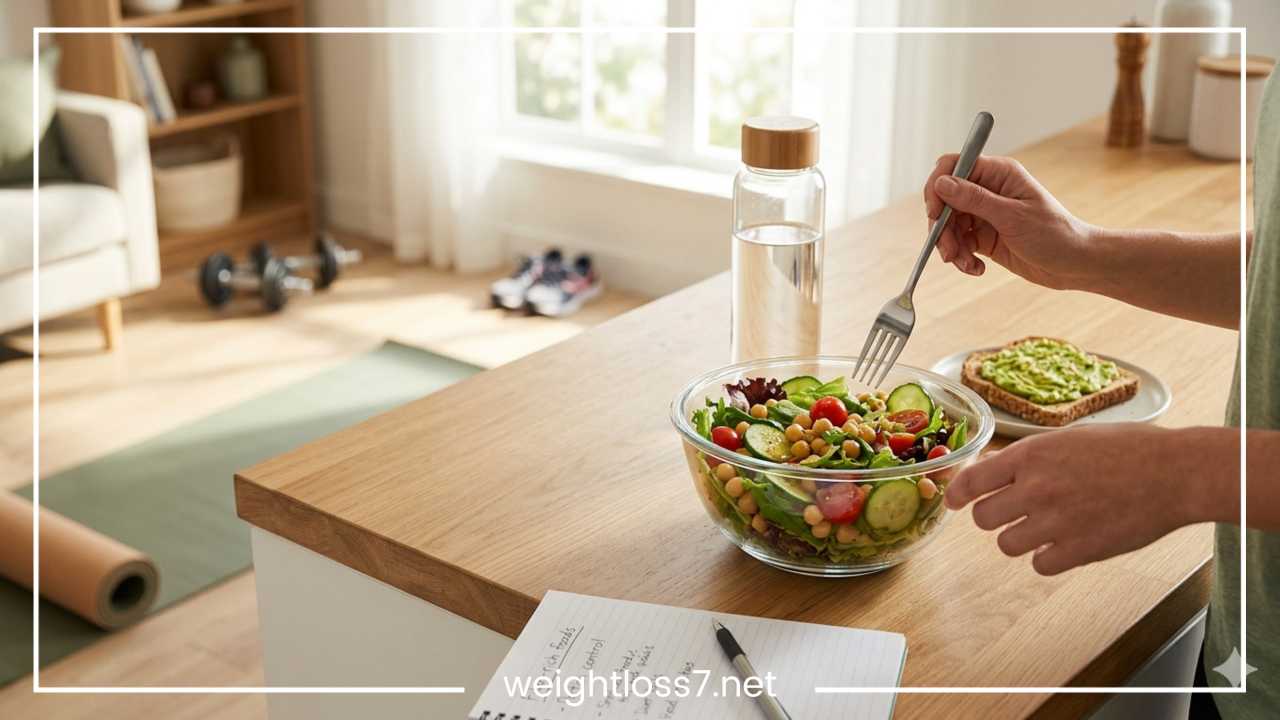
A core component of achieving a caloric deficit is learning to manage how much you eat. Portion control is not about deprivation, but about serving size awareness. Use smaller plates, measure high-calorie items like oils and nuts, and fill half your plate with non-starchy vegetables at every meal.
Mindful eating is a game-changer. It involves paying full attention to your food—its smell, texture, and taste—without distractions like screens or reading material. Eating slowly and consciously allows your body’s satiety signals (which take about 20 minutes to reach the brain) to register, helping you stop eating when you are comfortably full, not painfully stuffed.
Healthy Substitutes
Many everyday food choices contain unnecessary empty calories that sabotage weight loss. Look for simple, healthier swaps:
-
Avoid Added Sugar: Sugary drinks (sodas, sweetened teas, specialty coffees) and many packaged snacks are major sources of empty calories. Replace them with plain water, sparkling water with a squeeze of lemon, or herbal tea.
-
Reduce Refined Carbohydrates: White bread, white rice, and pastries offer little fiber and are digested quickly, leading to blood sugar spikes and crashes that cause hunger soon after. Switch to the whole grain alternatives mentioned above.
-
Use Healthy Fats Sparingly: Fats are essential, but calorie-dense. Measure oils for cooking and dressings carefully.
Hydration
The importance of water cannot be overstated. Drinking enough water is crucial for a healthy metabolism and plays a direct role in weight loss:
-
Satiety: Often, the body mistakes thirst for hunger. Drinking a glass of water before a meal can help reduce your appetite and subsequent caloric intake.
-
Metabolism: Water is essential for every metabolic process in the body. Dehydration can subtly slow down your calorie-burning efficiency.
-
Waste Removal: Adequate hydration ensures your digestive system works smoothly, aiding in the efficient removal of waste.
Aim for plain water as your primary beverage throughout the day.
The safest, fastest way to approach weight loss through nutrition is not through a rigid, restrictive diet, but by committing to a balanced, whole-food approach that emphasizes high fiber, adequate nutrients, and careful portion sizing, consistently maintaining a moderate caloric deficit.
Smart Eating Habits
Beyond what you eat, how and when you eat can significantly impact your weight loss success. Adopting smart eating habits helps you manage hunger, prevent overindulgence, and stabilize your energy levels.
Meal Frequency
The old advice suggesting that eating six small, frequent meals is inherently better than three square meals has been largely refined by current research. What truly matters is your total caloric intake for the day. For some, eating smaller, frequent meals (e.g., three modest meals and two small, nutrient-dense snacks) helps manage intense hunger pangs, keeps blood sugar stable, and prevents overeating at the next meal. The fiber-rich foods we discussed (legumes, vegetables, whole grains) naturally support this, as they are digested slowly.
For others, concentrating their calories into fewer, larger meals is more satisfying and manageable. The optimal frequency is the one that best controls your hunger and allows you to consistently adhere to your target caloric deficit. Experiment to find what works best for your energy levels and lifestyle.
Mindful Eating Techniques
The process of eating should be intentional, not an afterthought. Incorporate these techniques:
-
Slow Down: Put your fork down between bites. This simple act drastically reduces the speed at which you consume food, giving your stomach time to signal fullness to your brain.
-
Identify Hunger and Fullness Cues: Before eating, ask yourself, “Am I truly hungry?” Before taking a second helping, ask, “Am I satisfied, or am I full?” Learning to recognize the difference is crucial for maintaining portion control. Stop eating when you are satisfied (no longer hungry), not when you are stuffed.
-
Eliminate Distractions: Always sit down at a table and focus solely on your meal. Eating while watching television, working, or scrolling on a phone leads to “autopilot eating,” where you are likely to consume more food than necessary.
Planning Meals and Snacks
Failing to plan is planning to fail, especially in the context of weight loss. When hunger strikes unexpectedly, we are highly susceptible to making impulsive, high-calorie choices like fast food or pre-packaged convenience snacks.
-
Meal Prep: Spend an hour or two on a designated day (like Sunday) to prepare key components of your meals: chop vegetables, cook a batch of grains, and prepare a healthy dressing. This makes assembling nutritious meals during a busy week quick and easy.
-
Stock Healthy Snacks: Keep portable, ready-to-eat, nutrient-dense snacks available at all times. Examples include a piece of fruit, a small handful of nuts, air-popped popcorn, or pre-cut vegetables. Having these on hand prevents you from reaching for chips or cookies when hunger hits.
-
Eat Before Events: If you know you are going to an event with tempting food choices, eat a small, filling, high-fiber snack beforehand. This helps take the edge off your hunger and gives you the willpower to make better choices once you arrive.
Exercise and Physical Activity
While you cannot outrun a poor diet, incorporating regular exercise is non-negotiable for safe and effective weight loss. It increases your “calories out” side of the equation, creating a larger, more impactful caloric deficit. Furthermore, exercise improves cardiovascular health, mood, sleep, and overall physical function—all critical components of a healthy life.
For the safest and quickest results, your routine should incorporate a balanced mix of different exercise types:
Cardio: The Calorie Burner
Cardiovascular or aerobic exercise is often the first type people associate with weight loss because it burns a significant amount of calories quickly. You don’t need to become an elite athlete to benefit; consistency and intensity matter more than duration in the beginning.
-
Walking: The most accessible and sustainable form of exercise. Aim for a brisk pace that elevates your heart rate. A 30-to-60-minute walk most days of the week is a fantastic starting point.
-
Running/Jogging: A high-impact, high-intensity way to burn calories. Start slowly, integrating short running intervals into your walks to build endurance.
-
Cycling/Swimming: Excellent, lower-impact alternatives that are easier on the joints, allowing you to sustain activity for longer periods.
Aim for at least 150 minutes of moderate-intensity cardio per week, or 75 minutes of vigorous-intensity cardio.
Strength Training: The Metabolism Booster
This is the secret weapon for safe, sustained weight loss that many people overlook. Strength or resistance training is any exercise that causes your muscles to contract against resistance (such as weights, resistance bands, or your own body weight).
-
Building Lean Muscle: When you lose weight through dieting alone, you lose muscle mass. Strength training signals to your body that you need to preserve (or even build) muscle.
-
Boosting Metabolism: Muscle tissue is metabolically more demanding than fat tissue. By increasing your lean muscle mass, you effectively raise your BMR, meaning you burn more calories even while you are at rest. This makes maintaining your weight loss significantly easier in the long run.
Incorporate bodyweight exercises (squats, lunges, push-ups, planks) or use light weights two to three times per week on non-consecutive days. Focus on compound movements that work multiple muscle groups simultaneously.
Flexibility and Mobility Exercises
While they don’t burn as many calories as cardio or strength training, flexibility exercises are crucial for safety and adherence.
-
Yoga, Pilates, Stretching: These activities improve your range of motion, enhance muscle recovery, and prevent common injuries that could sideline your weight loss efforts. They also play a significant role in stress management.
Combining Exercise with Daily Activities
Maximize your total energy expenditure by integrating activity throughout your day, not just during dedicated workout sessions.
-
Take the Stairs: Consistently choosing stairs over elevators adds up.
-
Active Commuting: Walk or cycle for short errands.
-
Park Further Away: Adding a few extra minutes of walking to your day is a simple, effective change.
-
Walking Meetings: If possible, suggest walking meetings at work.
Tips for Beginners
To avoid injury and prevent burnout:
-
Start Slow and Listen to Your Body: Do not jump into intense workouts immediately. Start with gentle movement and gradually increase the duration, intensity, or frequency.
-
Proper Form First: Focus on performing exercises with correct technique before adding weight or increasing speed. Watching a quick tutorial or getting advice from a professional can help prevent injury.
-
Cross-Train: Vary your activities to work different muscle groups, prevent boredom, and reduce the strain on specific joints.
Lifestyle Changes That Support Weight Loss
Weight loss is not just about what happens during your meals and workouts; it’s a 24/7 commitment that is deeply influenced by key lifestyle factors. Neglecting these can stall even the most disciplined efforts.
The Critical Role of Sleep
Inadequate sleep is a silent saboteur of weight loss. When you are sleep-deprived:
-
Hormones Are Disrupted: Sleep loss negatively affects the hormones that control hunger. Ghrelin, the hunger hormone, increases, while leptin, the satiety (fullness) hormone, decreases. This makes you feel hungrier and less satisfied, often leading to overeating and intense cravings for high-calorie, high-sugar foods.
-
Increased Cortisol: Poor sleep elevates cortisol, the stress hormone, which encourages the body to store fat, particularly around the midsection.
-
Reduced Energy for Activity: Simply put, you are less likely to have the energy or motivation to stick to your workout plan after a poor night’s sleep.
Aim for 7 to 9 hours of quality, uninterrupted sleep per night. Establish a calming nightly routine and keep your bedroom cool, dark, and quiet.
Stress Management Techniques
Just like sleep deprivation, chronic stress elevates cortisol levels, which actively works against your weight loss efforts by encouraging fat storage and increasing emotional eating. Stress management is not a luxury; it’s a fundamental weight loss tool.
Incorporate proven techniques into your daily routine:
-
Deep Breathing and Meditation: Even five to ten minutes a day can lower heart rate and reduce stress hormones.
-
Hobbies: Engaging in enjoyable, non-work-related activities like reading, playing music, or creative pursuits is a powerful way to reset your mind.
-
Social Connection: Spend quality time with supportive friends and family, which helps release “feel-good” hormones and acts as a buffer against stress.
Reducing Sedentary Habits
Humans were not designed for prolonged sitting, and our modern lifestyles have made it a major health threat. Sedentary behavior slows metabolism and reduces daily energy expenditure.
-
Break Up Sitting Time: Set an alarm to remind yourself to stand up, stretch, and walk around for two to five minutes every hour.
-
Standing Desks: If your job requires long hours in front of a computer, consider a standing desk or a simple converter to alternate between sitting and standing.
-
Active Breaks: Use your lunch break for a brisk 15-minute walk instead of sitting in the break room.
These small, consistent changes in sleep, stress, and activity level create a supportive environment for your body to shed weight quickly and safely by keeping your hormones and metabolism functioning optimally.
Tracking Progress
When pursuing safe and effective weight loss, it’s vital to track your progress not only to stay accountable but also to understand what is working and what needs adjustment. Tracking is a tool for learning, not a source of judgment.
The Power of Tracking
-
Food Intake and Exercise: Using a journal, a simple spreadsheet, or a mobile app to log what you eat and your physical activity is one of the most effective tools for weight loss. Logging your food creates a crucial awareness of your actual calorie intake, helping you identify hidden sources of calories or nutrients you might be missing. Logging exercise ensures consistency and helps you see your progress in strength and endurance.
-
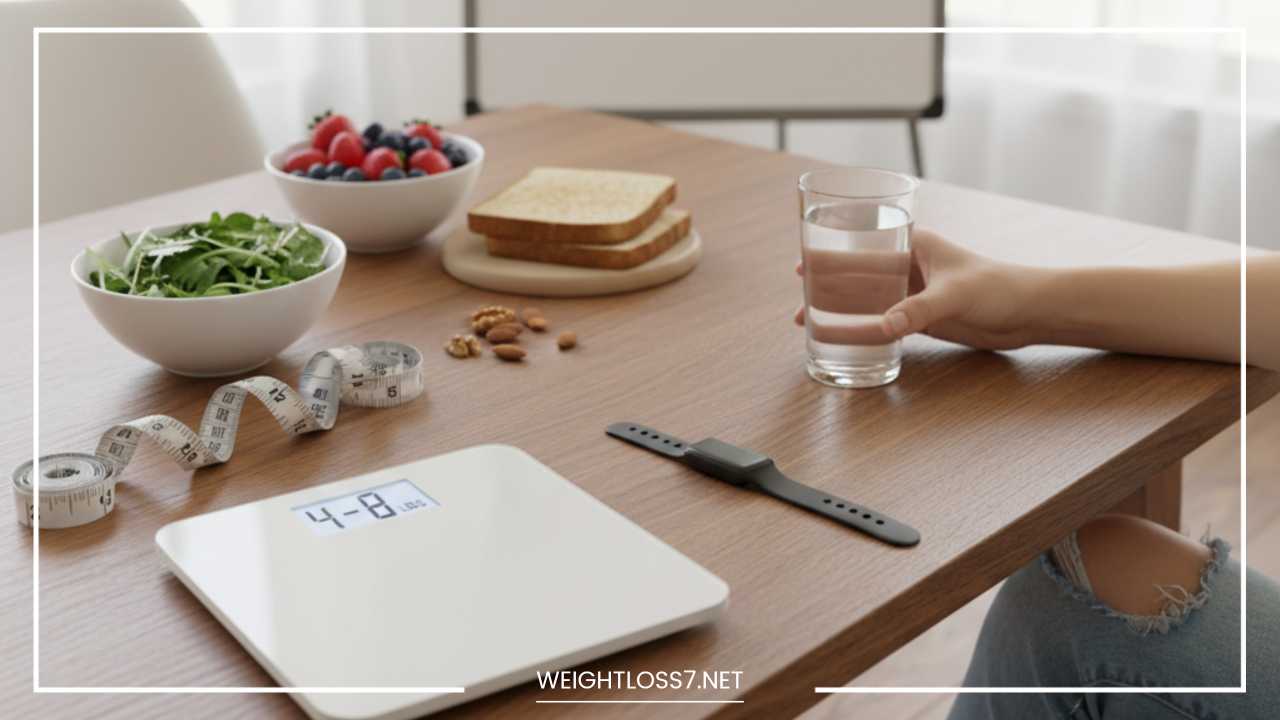
Weight Tracking: Weighing yourself once a week, at the same time and under the same conditions (e.g., first thing in the morning, after using the restroom), is typically the most beneficial frequency. Daily weighing can be discouraging due to normal fluctuations caused by water, salt intake, and digestion.
Beyond the Scale
Obsessing over the scale can be counterproductive, especially when you are incorporating strength training. The number on the scale may stall or even temporarily increase as you gain muscle mass and lose fat. This is a positive change! Therefore, use multiple metrics to gauge your true progress:
-
Body Measurements: Measure your waist, hips, and chest every two to four weeks. Inches lost are often a more accurate reflection of fat loss than pounds lost, especially when building muscle.
-
Clothing Fit: Notice how your clothes feel. This non-numerical metric is often the most motivating and undeniable sign of fat loss.
-
Non-Scale Victories (NSVs): Track improvements in energy levels, endurance during exercise, quality of sleep, clearer skin, improved mood, and reduced joint pain. These are the true indicators of improved health.
Staying Motivated
Tracking can be a source of stress if misused. Commit to tracking as a tool for information, not self-criticism. If you have a day where your intake exceeds your plan, simply acknowledge it and get back on track with the next meal. The goal is long-term consistency, not short-term perfection. Focus on celebrating the consistency of your habits over the fluctuation of the numbers.
Common Weight Loss Myths
The fitness and diet industry is rife with misinformation that can derail safe and healthy weight loss efforts. Debunking these common myths is crucial for maintaining a sustainable path.
Myth: Skip Meals to Lose Weight Faster
The Reality: While skipping a meal reduces the immediate calorie count, it often leads to extreme hunger later in the day, resulting in compensatory overeating at the next meal or through mindless snacking. Furthermore, it can slow your metabolism as your body tries to conserve energy. Consistent meal timing and balanced nutrition are far more effective than starvation tactics.
Myth: “Fat-Free” Always Means Healthy
The Reality: When fat is removed from a food product, it often loses flavor. To compensate, manufacturers commonly add large amounts of sugar, salt, and thickeners. This can turn a “fat-free” product into a high-calorie, highly processed item that is no better (and sometimes worse) for weight loss than its regular counterpart. Always read the nutrition label, focusing on added sugars and total ingredients, not just the fat content.
Myth: Certain Foods Burn Fat (Metabolic Boosters)
The Reality: While some foods (like hot peppers or caffeine) may offer a marginal, temporary boost to your metabolism, the effect is minuscule and irrelevant compared to the caloric deficit created by diet and exercise. No single food can magically burn fat. Focusing on a nutrient-dense diet is a far more productive approach than relying on so-called “fat-burning” supplements or ingredients.
Myth: You Can Spot-Reduce Fat
The Reality: You cannot choose where your body loses fat from. Doing 100 sit-ups will strengthen your abdominal muscles, but it will not specifically burn the fat covering your midsection. Fat loss is a systemic process. It’s only by creating a caloric deficit through a combination of full-body exercise and diet that your body will reduce fat stores from all areas.
Understanding and ignoring these myths allows you to focus your energy on the strategies that genuinely work: consistent caloric control, smart nutrition, and regular, balanced physical activity.
Safety Tips for Rapid Weight Loss
A desire for fast results is natural, but it must be tempered with common-sense safety measures. The distinction between “quick and healthy” and “quick and dangerous” lies in the degree of deficit and the sustainability of the methods used.
Avoid Extremes
-
Extreme Calorie Restriction: Never drop your daily caloric intake below the minimum level required for basic physiological functions (typically around 1,200 calories for women and 1,500 for men, though this varies greatly). Severely restricting calories is unsafe and signals starvation to your body, leading to muscle loss, nutrient deficiencies, and metabolic slowdown.
-
Fad Diets: Steer clear of any diet that severely restricts entire food groups (unless medically necessary), promises miraculous results, or requires you to buy expensive, specialized supplements. These are typically unbalanced and unsustainable.
-
Unsafe Supplements: Be extremely cautious of weight loss supplements, especially those promising rapid results. Many are unregulated, and some contain dangerous or unlisted ingredients that can harm your heart and liver. Stick to whole, nutritious foods.
Prioritize Nutritional Adequacy
Even when reducing calories, ensure every calorie counts. Focus on filling your plate with the nutrient-dense foods (vegetables, fruits, whole grains, legumes, nuts, seeds) that provide essential vitamins, minerals, and fiber. If you are struggling to get enough nutrients in a controlled calorie plan, a standard, daily multivitamin can offer a safety net.
Listen to Your Body
Healthy weight loss should make you feel energized, not depleted. If you feel constantly fatigued, dizzy, irritable, or if your physical or mental health is suffering, your caloric deficit is likely too large, or your nutritional balance is off. This is a sign to immediately reassess your plan.
When to Consult a Professional
Before beginning any significant weight loss plan, especially one targeting a quicker rate of loss, it is highly recommended to consult a healthcare professional, such as a doctor or a registered dietitian.
-
Doctor: A doctor can check for any underlying medical conditions (like thyroid issues) that might affect weight loss and advise you on a safe deficit based on your current health status and medical history.
-
Registered Dietitian (RD): An RD can provide personalized nutritional guidance, help you calculate a safe and effective caloric target, and ensure your reduced-calorie diet is still meeting all your essential nutrient needs.
Remember, the goal is to make gradual, sustainable changes that accelerate results safely. Consistency in moderation is the key to enduring success.
Final Thoughts
The journey to lose weight quickly and safely is not about shortcuts; it’s about smart choices, disciplined habits, and a commitment to health above all else. You now possess a comprehensive toolkit based on evidence-based strategies that respect your body’s need for nourishment and physical activity.
Key Takeaways
-
Create a Safe Deficit: Achieve weight loss by consistently burning more calories than you consume, targeting a safe rate of 0.5–1 kg (1–2 lbs) per week after the initial water weight loss.
-
Prioritize Nutrient Density: Fill your diet with vegetables, fruits, whole grains, and legumes. Avoid empty calories from added sugar and highly refined foods.
-
Move Smartly: Combine fat-burning cardio with metabolism-boosting strength training for the most effective and healthy physical transformation.
-
Master the Lifestyle: Recognize that quality sleep and stress management are non-negotiable pillars of successful weight loss.
-
Track Progress Holistically: Use the scale only as one data point, and focus on the non-scale victories—improved energy, better fitting clothes, and increased endurance—as the truer measures of health.
Focus your energy on health, not just the scale. When you prioritize nourishing your body, treating it with respect through movement, and managing your stress, the weight loss becomes a natural, positive side effect of a healthier lifestyle. The best outcome is not just reaching a goal weight, but adopting habits that ensure you keep the weight off for good.
Begin today by choosing one small, consistent habit to implement. Perhaps it’s drinking a glass of water before every meal, or taking a brisk 15-minute walk. Small, deliberate actions accumulate into profound, lasting transformation. Commit to these steps, and you will find that the safest way to lose weight is also the most effective path to a healthier, more energized you.