What Is a Healthy Way to Lose Weight


Healthy Ways to Lose Weight: Safe and Effective Tips
Weight loss is one of the most discussed health topics globally, yet it remains shrouded in misconceptions, quick fixes, and conflicting advice. While the desire to shed pounds rapidly is understandable, true health and lasting change come from adopting a sustainable, holistic approach. A healthy way to lose weight is not about temporary deprivation; it is about establishing new, supportive habits that you can maintain for life, focusing on overall well-being rather than just the number on the scale. This journey requires patience, consistency, and a fundamental shift in how you view food, movement, and self-care.
Understanding the Basics of Weight Management
The core principle behind weight loss is elegantly simple, though its execution can be complex: energy balance.
Energy Balance: Calories In vs. Calories Out
Your body requires energy, measured in calories, to function—from breathing to running a marathon. Weight loss occurs when you consistently consume fewer calories (energy in) than your body expends (energy out). This state, known as a caloric deficit, forces your body to tap into stored energy reserves, such as fat, leading to weight reduction.
It is crucial to understand that simply creating the largest possible deficit is not the healthiest path. A healthy caloric deficit is modest and consistent, ensuring your body still receives adequate nutrition to support its essential functions and avoiding the metabolic slowdown that can accompany severe restriction.
Metabolism: More Than Just Burning Calories
Metabolism is the complex set of chemical processes that occur within every cell of your body to maintain life. Your Basal Metabolic Rate (BMR) accounts for the largest portion of the energy you burn daily; it is the energy needed to keep your heart beating, your lungs breathing, and your organs functioning while at rest.
While genetics play a role, lifestyle factors significantly influence your metabolism. For instance, muscle mass is metabolically active, meaning it burns more calories at rest than fat tissue does. This is one reason why strength training is an indispensable part of a healthy weight loss plan.
The Silent Partners: Hormones, Sleep, and Stress
Weight management is not purely a math problem; it is deeply intertwined with physiological and psychological factors.
-
Hormones: Hormones like ghrelin (the hunger hormone) and leptin (the satiety hormone) regulate your appetite. Poor sleep and high stress can disrupt the balance of these hormones, leading to increased hunger and cravings, particularly for high-calorie, highly palatable foods.
-
Sleep Quality: Chronic sleep deprivation raises cortisol (the stress hormone) levels, which encourages the body to store fat, particularly in the abdominal area. Aiming for 7-9 hours of quality sleep per night is a non-negotiable component of successful weight management.
-
Stress: Chronic stress is one of the biggest silent saboteurs of weight loss efforts. It elevates cortisol, often leading to emotional eating and metabolic changes that favor fat storage. Addressing stress through consistent practices is as important as any dietary change.
Balanced Nutrition for Lasting Results
A healthy weight loss diet focuses on nutrient density—getting the maximum amount of vitamins, minerals, and fiber for the calories consumed—and promotes long-term satiety and sustained energy.
The Foundation: Focusing on Whole Foods
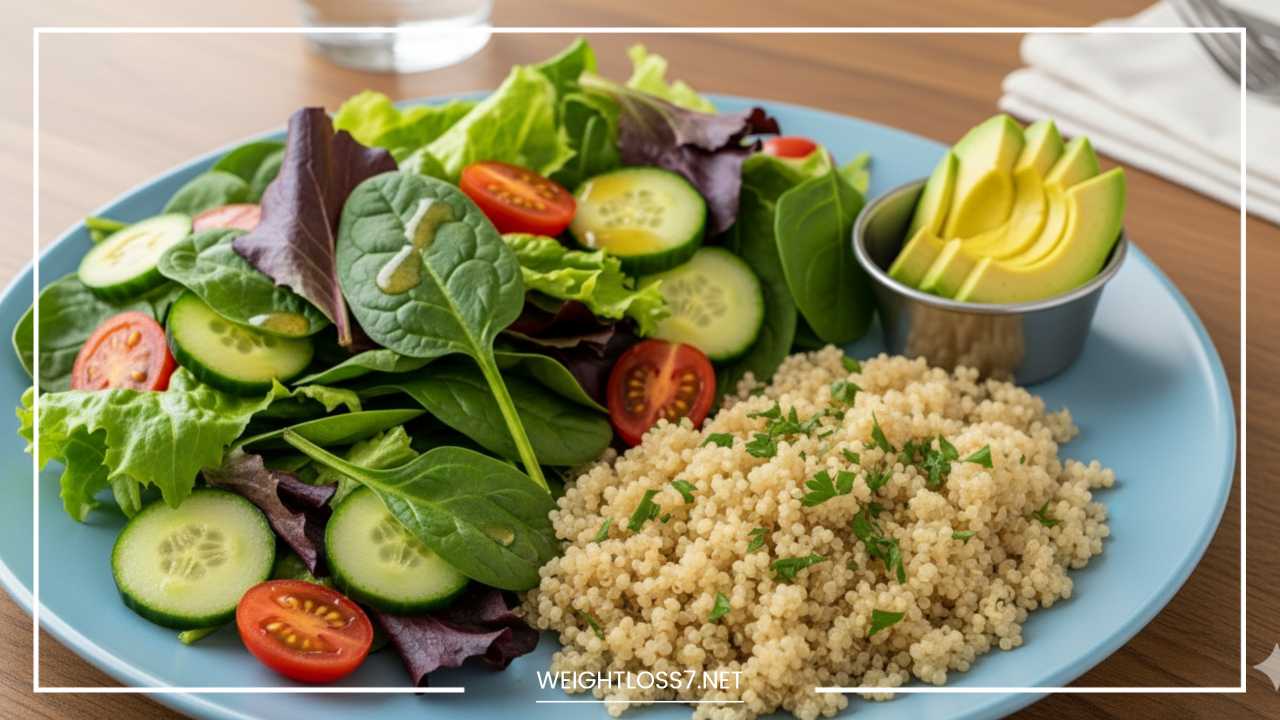
The simplest, most effective dietary advice is to base your meals around whole, unprocessed foods. These foods retain their natural fiber, water content, and nutrient profile, which helps you feel fuller on fewer calories and provides the essential fuel your body needs.
-
Fruits and Vegetables: These should dominate your plate. They are incredibly low in calories, high in water and fiber, and packed with phytochemicals and micronutrients. Aim for a wide variety of colors to ensure a broad spectrum of nutrient intake.
-
Whole Grains: Opt for grains in their less-processed forms, such as oats, brown rice, quinoa, and whole-grain breads. The fiber in whole grains slows digestion, stabilizes blood sugar, and contributes significantly to satiety.
-
Legumes, Nuts, and Seeds: These are excellent sources of complex carbohydrates, fiber, and healthy fats. Incorporating beans, lentils, chickpeas, walnuts, almonds, and chia seeds into your diet supports digestive health and provides sustained energy.
Mastering Portion Control and Mindful Eating
Many people struggle with weight not because of what they eat, but because of how much they eat. Portion control is a vital skill.
-
Visual Cues: Learn to use visual benchmarks. A serving of grains might fit in the palm of your hand, while your fist can approximate a serving of vegetables.
-
Use Smaller Plates: Research shows that using smaller plates can trick your brain into perceiving a larger serving size, automatically helping you reduce calorie intake without feeling deprived.
-
Mindful Eating: This practice involves paying full attention to the experience of eating.
-
Eat Slowly: It takes about 20 minutes for your stomach to signal your brain that it is full. Eating slowly allows your body time for this communication.
-
Minimize Distractions: Avoid eating in front of a screen. Focus on the taste, texture, and smell of your food.
-
Recognize Hunger and Fullness: Learn to distinguish between true physical hunger and emotional triggers. Stop eating when you are satisfied, not necessarily stuffed.
-
Cutting Back on Added Sugars and Refined Carbohydrates
The single most impactful dietary change for most people seeking healthy weight loss is drastically reducing added sugars and highly refined carbohydrates.
-
Added Sugars: These are empty calories found in sodas, fruit juices, packaged baked goods, candies, and many processed sauces and condiments. They offer no nutritional value, trigger fat storage, and contribute to energy crashes.
-
Refined Carbohydrates: White bread, white rice, and many breakfast cereals have been stripped of their fiber and nutrients, causing a rapid spike and subsequent crash in blood sugar. They contribute poorly to long-term satiety. Replacing these with their whole-grain counterparts is a key step.
The Role of Healthy Fats and Complex Carbohydrates
Fats and carbohydrates have often been unfairly demonized in diet culture, but both are essential for health and successful weight management when chosen correctly.
-
Healthy Fats: Fats are crucial for hormone production, nutrient absorption, and long-term satiety. Focus on unsaturated fats found in avocados, olives and olive oil, nuts, and seeds. While healthy, all fats are calorie-dense, so portion control is still necessary.
-
Complex Carbohydrates: These are your body’s preferred source of energy. Whole grains and starchy vegetables (like sweet potatoes and winter squash) provide complex carbohydrates that are digested slowly, providing steady energy and preventing the blood sugar rollercoasters associated with refined carbs.
Hydration: The Power of Water
Water is an unsung hero in weight loss.
-
Appetite Regulation: Often, thirst is mistaken for hunger. Drinking a glass of water before a meal can help you accurately gauge your hunger levels and often leads to consuming fewer calories.
-
Metabolic Function: Water is necessary for every bodily process, including metabolism. Even slight dehydration can slow down the rate at which your body burns calories.
-
Digestive Health: Adequate water intake, paired with fiber from whole foods, is essential for maintaining regular digestion and preventing bloating and constipation. Aim to drink water consistently throughout the day.
Physical Activity: More Than Just Calorie Burning
Physical activity is not just a tool for burning calories; it is a critical component for building metabolic health, preserving muscle mass, and improving mood and energy levels.
Cardiovascular Exercise: Boosting Endurance and Heart Health
Cardiovascular (or aerobic) exercise involves rhythmic movement that increases your heart rate and breathing. This includes walking, jogging, cycling, dancing, swimming, and hiking.
-
Fat Burning: Cardio exercises, especially steady-state activities like brisk walking, are effective at burning calories and stored fat.
-
Heart Health: They strengthen your heart and lungs, improve circulation, and reduce the risk of chronic diseases.
-
Starting Small: If you are new to exercise, begin with walking. Aim for 30 minutes, five days a week, and gradually increase your pace and duration. The goal is consistency over intensity initially.
Strength Training: The Metabolic Engine
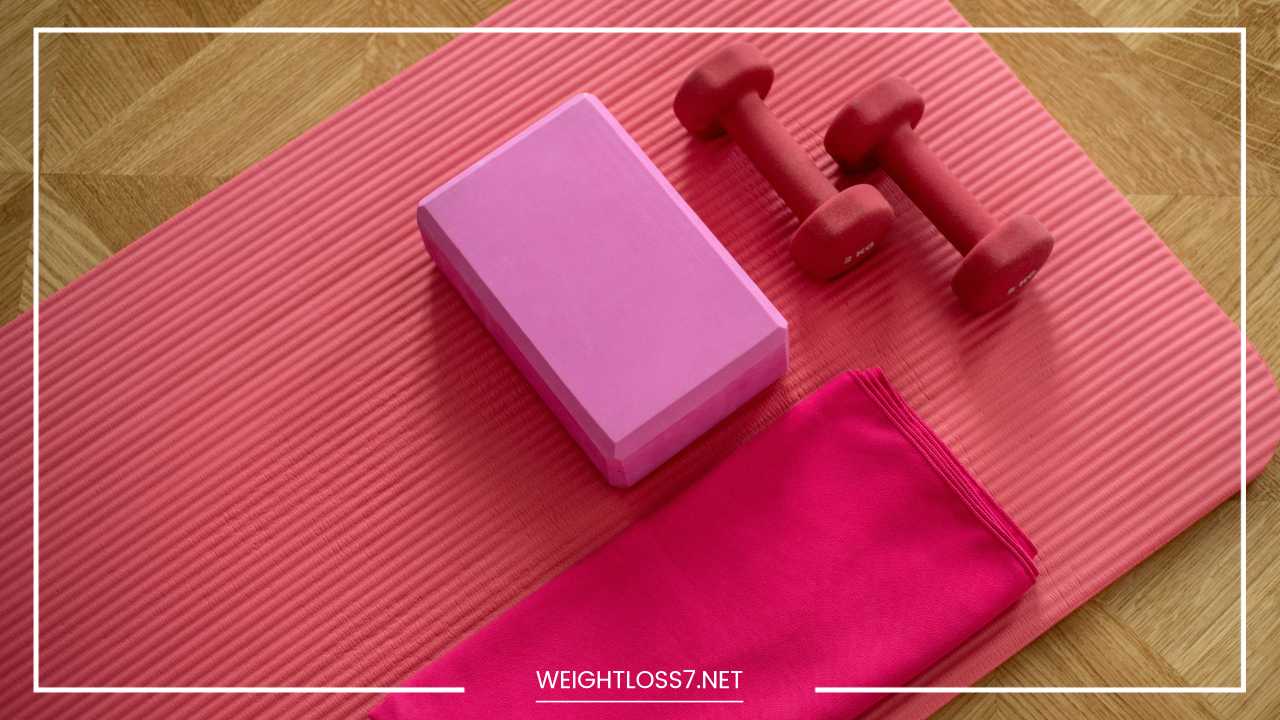
Strength training, which includes lifting weights, using resistance bands, or bodyweight exercises (like push-ups and squats), is arguably the most important type of exercise for long-term weight management.
-
Preserving Muscle Mass: When you lose weight, you risk losing both fat and muscle. Strength training signals to your body that your muscle mass is needed, helping to preserve it.
-
Boosting Metabolism: Since muscle is more metabolically active than fat, increasing or even just maintaining muscle mass helps keep your BMR higher, making it easier to maintain weight loss in the long run.
-
Form and Consistency: Aim to engage in strength training 2-3 times per week, allowing for rest days in between. Focus on proper form to prevent injury and maximize results.
Flexibility and Mobility: Supporting Longevity
While not direct calorie burners, flexibility and mobility exercises are essential for a sustainable, active lifestyle.
-
Injury Prevention: Stretching and routines like yoga or Tai Chi help improve range of motion, increase joint stability, and reduce the likelihood of injury, ensuring you can keep up with your cardio and strength routines.
-
Stress Reduction: Many forms of stretching and movement also serve as excellent tools for stress reduction and mental clarity.
Incorporating Movement into Daily Life
A healthy lifestyle is one where movement is integrated naturally, not just confined to the gym. This concept is often called Non-Exercise Activity Thermogenesis (NEAT), which is the energy expended for everything that is not sleeping, eating, or sports-like exercise.
-
Walk More: Take the stairs instead of the elevator, park farther away from the entrance, or take a 10-minute walk break every hour during work.
-
Active Hobbies: Find activities you genuinely enjoy that involve movement, such as gardening, dancing, or playing with pets.
-
Standing Desks: Even simple changes, like standing while taking phone calls or using a standing desk, increase your daily energy expenditure.
Lifestyle Factors: Building a Strong Foundation
The most effective weight loss is a result of comprehensive lifestyle change, not just diet and exercise tweaks.
Prioritizing Quality Sleep
As discussed, sleep is a critical regulator of the appetite hormones ghrelin and leptin, as well as the stress hormone cortisol.
-
Establish a Routine: Go to bed and wake up around the same time each day, even on weekends, to regulate your body’s natural circadian rhythm.
-
Optimize Your Environment: Ensure your bedroom is dark, cool, and quiet.
-
Limit Blue Light: Avoid screens (phones, tablets, TV) for at least an hour before bedtime, as the blue light suppresses the production of the sleep hormone, melatonin.
Effective Stress Management
Chronic stress is a physiological state that actively works against weight loss goals. Finding healthy outlets for managing daily pressures is essential.
-
Mindfulness and Meditation: Even a few minutes a day of quiet contemplation or deep breathing exercises can lower cortisol levels.
-
Hobbies and Social Connection: Engage in activities you love—reading, creating art, spending time in nature—and foster strong, supportive relationships. These actions shift your nervous system out of the “fight or flight” mode associated with chronic stress.
-
Boundaries: Learn to say no to non-essential commitments that contribute to feeling overwhelmed. Protecting your time and energy is crucial for health.
Behavioral Habits and Self-Monitoring
Successful weight loss is built on small, consistent behaviors.
-
Goal Setting: Set SMART goals: Specific, Measurable, Achievable, Relevant, and Time-bound. Instead of “I want to lose weight,” try “I will walk for 30 minutes, five days a week, and include a serving of vegetables at every lunch for the next month.”
-
Food and Activity Journaling: Tracking what you eat and how much you move, even for a short period, can provide invaluable insight into where your hidden calories or inactive periods lie. It fosters awareness without judgment.
-
Build a Supportive Environment: Keep healthy food visible and accessible, and less healthy options out of sight. Schedule your workouts just as you would any other important appointment.
Common Pitfalls and How to Avoid Them
The path to a healthy weight is often complicated by common mistakes rooted in impatience and the desire for quick results.
Over-Restricting Calories
A severe caloric deficit might lead to initial rapid weight loss, but it is rarely sustainable. It often results in:
-
Nutrient Deficiencies: Making it difficult to get the vitamins and minerals necessary for health.
-
Extreme Hunger and Cravings: Leading to eventual binge eating and the “I blew it” mentality.
-
Metabolic Slowdown: If the body perceives starvation, it conserves energy by slowing its metabolism, making continued weight loss difficult.
The healthy approach: Aim for a moderate, consistent deficit that allows for slow, steady loss (typically 1-2 pounds per week) without debilitating hunger.
Relying on “Quick Fixes” and Fad Diets
Any plan that promises extreme weight loss in a short period, involves eliminating entire food groups (without a medical reason), or relies solely on supplements is likely a fad diet. These diets are typically restrictive, socially isolating, and do not teach the necessary skills for long-term maintenance. They often result in the yo-yo cycle of losing weight only to gain it all back, and sometimes more.
The All-or-Nothing Mentality
Healthy living is a spectrum, not a switch. An “all-or-nothing” mindset (e.g., “I ate one cookie, so the whole day is ruined, and I might as well eat the rest of the box”) is a guaranteed route to failure.
The healthy approach: Practice flexible restraint. View deviations as data points, not failures. If a meal or day is off track, the next meal or day is a fresh opportunity to return to your established healthy habits. Consistency, not perfection, is the goal.
Ignoring Consistency and Patience
Weight loss is not linear. There will be days, and even weeks, where the scale doesn’t move, or may even go up slightly due to water retention or hormonal cycles.
The healthy approach: Focus on behavioral consistency (did I stick to my walking goal? did I eat my vegetables?). The results will inevitably follow the actions. Trust the process and recognize that this is a long-term commitment to a healthier you.
Sustainable Weight Loss for Life
The ultimate measure of a successful weight loss journey is whether the new, healthier habits have become so ingrained that they are simply your normal way of living.
Focusing on Gradual, Steady Progress
Rapid weight loss is often comprised primarily of water and temporary glycogen stores. Gradual weight loss (0.5 to 2 pounds per week) is much more likely to be sustained because it primarily involves losing body fat and gives you time to adapt to new eating and exercise patterns.
-
Set Non-Scale Victories (NSVs): Track progress that isn’t the number on the scale. These can include: improved energy levels, clothes fitting better, a reduction in joint pain, better sleep, faster walking speed, or being able to lift a heavier weight. These victories provide crucial motivation when the scale is stalled.
Combining Nutrition, Exercise, and Lifestyle
Long-term success is never achieved by focusing on just one component. The synergy of a healthy diet, consistent physical activity, quality sleep, and effective stress management creates a robust environment where your body can thrive at a healthy weight naturally.
-
Personalization: The best plan is the one you can stick to. Healthy weight loss is not a prescriptive formula; it is a personalized blend of habits that fit your unique preferences, schedule, and lifestyle. If you hate running, walk. If you dislike a certain vegetable, choose a different one. Find the routines that bring you satisfaction.
-
Finding Enjoyment in Movement: Exercise should not feel like punishment. Experiment until you find activities that you look forward to—whether it is joining a social sports league, taking dance classes, or exploring local hiking trails. Enjoyment is the fuel for consistency.
The Power of Support and Accountability
Sharing your journey with others can be a powerful motivator.
-
Support System: Enlist the help of friends, family, or colleagues who support your goals. A walking partner or a group of friends who share healthy meals can make the process easier and more fun.
-
Professional Guidance: If you feel lost, consider consulting with a healthcare provider, a registered dietitian, or a certified personal trainer. They can provide evidence-based, personalized advice to navigate your specific challenges.
Final Thoughts: Prioritizing Health Over Appearance
Losing weight in a healthy, sustainable manner is fundamentally an act of self-care, a commitment to a longer, more energetic life. It requires moving away from the restrictive, short-term mindset of dieting toward a holistic embrace of nourishing your body and challenging it physically.
Remember that health is the primary goal, and a healthy weight is its natural byproduct. Focus on how you feel, how much energy you have, and the strength of your body, rather than obsessing over aesthetics. By adopting gradual, personalized habits that combine balanced nutrition, consistent movement, and mindful self-care, you are not just losing weight; you are building a resilient foundation for a lifetime of well-being.
Your journey is unique, and every small, consistent step forward is a victory. Be patient, be kind to yourself, and commit to the process of becoming your healthiest self.