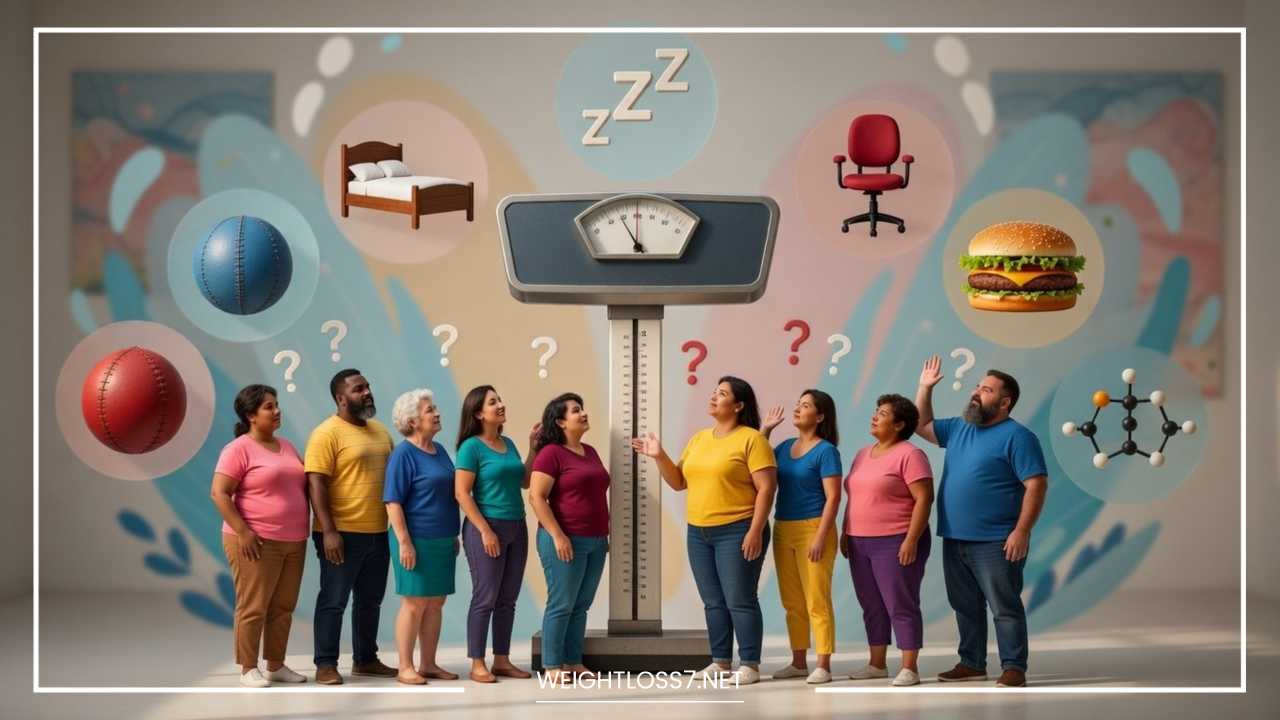
Diet and Exercise but Not Losing Weight?


Diet and Exercise but Not Losing Weight? Common Reasons & Fixes
It is a common scenario: you have committed to eating what you consider to be a “healthy” diet, you are diligently hitting the gym or getting your workouts in, yet the number on the scale refuses to budge. You feel frustrated, defeated, and perhaps even question the very process of weight management. You are certainly not alone. Many dedicated individuals find themselves in a weight loss stall, feeling as though their hard work is not being rewarded.
The prevailing wisdom suggests that successful weight loss is a simple equation of diet and exercise. While these two components are foundational, they often do not tell the whole story. The human body is a complex system, and factors beyond the plate and the treadmill—including hormones, sleep, stress, and metabolism—can significantly influence the results you see.
This comprehensive guide is designed to shed light on the most common, yet often overlooked, reasons why your efforts may be failing to produce the desired results. More importantly, we will provide you with practical, actionable fixes to help you break through the plateau and restart your journey toward sustainable, long-term well-being.
Understanding Why Weight Loss Isn’t Happening
To understand why weight loss might be stalling, it’s crucial to first grasp the basic principle of how it works, and then recognize its limitations.
The Foundation: Calorie Balance
At its core, weight change is governed by energy balance. Weight loss occurs when you consistently expend more energy (calories) than you consume. This is often referred to as maintaining a caloric deficit.
-
Calories In: The energy you consume through food and beverages.
-
Calories Out: The energy your body burns through basal metabolism (sustaining life functions), physical activity, and the thermal effect of food (digestion).
When the body senses a sustained energy deficit, it must turn to stored energy—in the form of body mass—to fuel its functions, resulting in weight loss.
The Myth of “Calories In, Calories Out”
While the concept of calorie balance is physically true, the simple “calories in, calories out” model is often insufficient for understanding and managing weight in the real world. This is because the “calories out” side is not a fixed number and the “calories in” side is not always accurately calculated.
Several biological and lifestyle factors act as powerful levers on the system, making the process far less linear than it seems:
-
Metabolism and Hormones: Hormones like insulin, cortisol (the stress hormone), and thyroid hormones can dictate where the body chooses to store fat and how efficiently it burns energy. Stress and poor sleep, for instance, can elevate cortisol, which often encourages the storage of abdominal mass, even in a caloric deficit.
-
Adaptation: The body is highly adaptable. As you lose weight, your Basal Metabolic Rate (BMR) naturally drops because you require less energy to move a lighter body. Furthermore, the body can adapt to a consistent, low-calorie intake by becoming more efficient at using energy, essentially slowing the “calories out” side.
-
Nutrient Quality: A calorie of processed foods and beverages may affect your satiety, hormone response, and metabolism differently than a calorie from whole, nutrient-dense foods, making it harder to maintain a deficit.
Weight loss is not simply a math problem; it’s a dynamic interplay between your choices, your environment, and your individual biology.
Common Reasons Diet and Exercise Fail
A stall in weight loss is rarely due to a single failure; it is usually the result of several small, compounding factors that, when addressed, can reignite progress.
1. Overestimating Calorie Burn or Underestimating Intake
This is arguably the most common pitfall, known as the “energy gap,” where you consume more energy than you realize and burn less than you calculate.
The Intake Oversight: Hidden Calories
Many dedicated dieters meticulously track their main meals but fail to account for the small additions that collectively add up to a significant surplus.
-
Liquid Calories: Sweetened beverages, specialty coffees laden with syrups, and even certain fruit juices can contain hundreds of calories per serving without offering substantial satiety. Your body often doesn’t register these liquid calories as filling, leading you to eat a full meal later anyway.
-
Condiments and Sauces: Dressings, creamy sauces, dips, and toppings are notorious for being energy-dense. A generous pour of a salad dressing or a large dollop of a rich sauce can easily add an extra 100-200 calories to an otherwise healthy meal.
-
Tasting and Snacking: A few bites while preparing a meal, a handful of nuts or dried fruit throughout the day, or a small snack not formally tracked can sabotage a deficit.
-
Restaurant Portions: When dining out, portions are often far larger than standard serving sizes, making calorie estimation nearly impossible without accurate measurement.
The Expenditure Miscalculation: Exercise Burn
Fitness trackers and cardio machines often overestimate the number of calories burned during a workout. They cannot perfectly account for individual factors like metabolic rate, fitness level, and the specific intensity of every movement.
-
The Compensatory Effect: You might also unconsciously “compensate” for a tough workout by moving less for the rest of the day (e.g., opting for the elevator instead of the stairs, or sitting on the couch after dinner instead of walking). This reduction in non-exercise activity energy expenditure (NEAT) effectively cancels out the calories burned during the workout.
Fixes:
-
Meticulous Tracking: Temporarily track everything for a week, including all drinks, condiments, cooking oils, and samples. Use a food scale to ensure portion accuracy for energy-dense items.
-
Prioritize Satiety: Choose whole foods that offer high volume with fewer calories (e.g., vegetables, fruits, whole grains) to feel full on fewer calories.
-
Smarter Liquids: Switch to water, plain tea, or unsweetened coffee. Use vinaigrettes or spices instead of creamy sauces.
2. Inconsistent or Ineffective Exercise
You might be exercising regularly, but if the routine is not structured to prompt physical adaptation, your body will eventually plateau.
The Repetitive Routine Plateau
Doing the same 30-minute steady-state cardio session or the same weight lifting routine week after week causes your body to become efficient. This efficiency is great for completing the workout but bad for energy expenditure and muscle building.
-
Adaptation: Your body adapts to the familiar stress, requiring less energy to perform the task.
-
Lack of Progressive Overload: For your muscles to grow stronger and your metabolism to stay elevated, you must continually increase the demand on your body. This is called progressive overload, which means lifting slightly heavier weights, adding more repetitions, increasing the duration of a workout, or improving the intensity.
Ignoring Non-Exercise Activity Thermogenesis (NEAT)
NEAT is the energy expended for everything we do that is not sleeping, eating, or “sports-like” exercise. This includes walking to your desk, standing, fidgeting, and taking the stairs. For many, NEAT accounts for more daily energy expenditure than a dedicated gym session.
-
A challenging workout can be easily negated by eight hours of sedentary behavior afterward.
Fixes:
-
Program Progression: Follow a structured plan. If you lift, aim to increase the weight or reps every few weeks. If you do cardio, introduce high-intensity interval training (HIIT) sessions, or increase the duration or speed of your steady-state workouts.
-
Combine Training Types: Ensure your routine includes a healthy mix of:
-
Strength Training: Building and maintaining muscle mass is metabolically advantageous, as muscle is more metabolically active than fat tissue.
-
Cardiovascular Exercise: For heart health and immediate calorie burn.
-
-
Maximize NEAT: Get up and move every hour, take phone calls standing, park farther away, or go for short, brisk walks after meals.
3. Hormonal or Medical Factors
No amount of dieting and exercise can fully compensate for underlying health issues that disrupt your body’s ability to regulate weight.
The Impact of Stress and Cortisol
Chronic, unmanaged stress is a potent inhibitor of weight loss. When you are stressed, your body releases cortisol. Sustained high levels of cortisol can:
-
Increase Appetite: Specifically for high-energy, comforting foods (sweet, salty, fatty).
-
Encourage Fat Storage: Cortisol is known to promote the accumulation of visceral fat around the abdomen.
-
Interfere with Sleep: High cortisol at night can impair your ability to get restful sleep, creating a vicious cycle.
Thyroid Dysfunction
The thyroid gland produces hormones that regulate metabolism. If the thyroid is underactive (hypothyroidism), your metabolism can slow down considerably, making weight loss extremely difficult despite consistent effort. This condition requires medical diagnosis and treatment.
Other Contributing Conditions
Other factors that can influence weight management include:
-
Polycystic Ovary Syndrome (PCOS): Can lead to insulin resistance and make weight loss challenging for women.
-
Certain Medications: Some common medications, including steroids, antidepressants, and treatments for blood pressure, can have weight gain as a side effect.
Fixes:
-
Consult a Professional: If you are consistently following your plan and not seeing results, or if you have unexplained fatigue, changes in skin or hair, or mood swings, consult a healthcare provider for a thorough check-up and bloodwork, including thyroid function tests.
-
Prioritize Stress Management: Integrate daily relaxation practices as seriously as you integrate your workouts.
4. Poor Sleep and Stress Management
Sleep is often the first casualty of a busy life, yet it is a non-negotiable component of metabolic health and weight regulation.
The Hormonal Cascade of Sleep Deprivation
A lack of quality sleep (less than 7-9 hours per night for most adults) directly impacts two key appetite-regulating hormones:
-
Ghrelin (the “hunger hormone”): Sleep deprivation causes ghrelin levels to increase, making you feel hungrier.
-
Leptin (the “satiety hormone”): Sleep deprivation causes leptin levels to decrease, meaning you feel less full after eating.
This double-whammy leads to increased appetite and a greater likelihood of choosing energy-dense foods to fuel the day. It also impairs your decision-making and willpower.
The Role of Emotional Eating
Stress triggers emotional eating, where food is used as a coping mechanism for anxiety, boredom, or sadness, rather than biological hunger. Even if you are eating “healthy” foods, this is often done mindlessly and well beyond the body’s caloric needs.
Fixes:
-
Strict Sleep Hygiene: Maintain a consistent sleep schedule (even on weekends). Create a cool, dark, and quiet sleep environment. Disconnect from screens (TV, phone, tablet) for at least one hour before bedtime.
-
Daily Stress Relief: Dedicate time each day—even 10 to 15 minutes—for intentional relaxation. This could be mindfulness meditation, deep breathing exercises, gentle stretching, or engaging in a relaxing hobby.
5. Unrealistic Expectations and Plateauing
Weight loss is not a steady, linear decline. It is often a jagged line with periods of rapid loss followed by frustrating plateaus.
The Initial Rapid Loss
When you first begin a new eating plan, a significant amount of the weight lost is often water weight and stored glycogen, particularly if you have restricted carbohydrates. This rapid drop is motivating but not sustainable.
The Normal Plateau
After the initial phase, your body begins to adapt. As mentioned, your BMR decreases with a lower body mass. The initial calorie deficit that worked so well may no longer be a deficit. A plateau (a period of 4 weeks or more without weight change) is a normal, biological defense mechanism.
Fixes:
-
Adjust Expectations: Aim for a realistic, sustainable rate of weight loss (typically $0.5$ to $1.0$ kilogram per week after the initial phase). Be patient and understand that stalls are temporary.
-
The Re-Evaluation: If you have stalled for more than a month, it is time to re-evaluate. This may mean reducing your average daily intake by another small increment (perhaps 100-200 calories) or significantly changing your exercise stimulus to shock the body.
6. Hidden Lifestyle Factors
Beyond the obvious, subtle elements in your daily life can silently thwart your progress.
Sedentary Behavior
Even if you exercise for one hour, if you spend the remaining $15$ waking hours sitting, the health risks and energy expenditure are still poor. Prolonged sitting is an independent risk factor for several diseases and minimizes NEAT.
Alcohol Consumption
Alcohol represents “empty” calories—calories that offer no nutritional value but must be metabolized by the liver. Furthermore, the body prioritizes metabolizing alcohol before anything else, putting a temporary pause on the burning of fat. Alcohol can also reduce inhibitions, often leading to poor food choices afterward.
Environmental and Social Cues
The modern environment is designed to encourage consumption.
-
Large Portions: Oversized plates, cups, and restaurant portions increase the likelihood of overconsumption.
-
Constant Availability: Food is constantly available, visible, and marketed, which can trigger non-hunger eating.
Fixes:
-
Limit Sedentary Time: Set a timer to stand and move briefly every hour.
-
Mindful Drinking: Understand the caloric content of your preferred beverages and limit consumption, especially on a regular basis.
-
Curate Your Space: Make your home environment supportive: keep tempting foods out of sight or out of the house entirely. Use smaller plates to help manage portion perception.
Practical Fixes for Stalled Weight Loss
Breaking a plateau requires precision, honesty, and a willingness to change what is no longer working.
1. Reassess Caloric Intake and Nutrient Balance
It is time to get honest about your fuel.
-
Precision in Portions: Measure or weigh foods, especially energy-dense items like oils, nut butters, and grains. The eye often deceives.
-
Focus on Nutrient Density: Structure your meals around fiber-rich vegetables, fruits, and whole grains. These foods provide volume and essential nutrients while aiding satiety.
-
The Power of Hydration: Thirst is often mistaken for hunger. Drink water consistently throughout the day. Drinking a glass of water before a meal can help manage appetite. Water is also crucial for metabolic processes.
-
Protein and Fiber Intake: Ensure adequate protein and fiber intake at every meal. They are the most satiating macronutrients and require more energy to digest (a higher thermal effect of food).
2. Adjust Exercise Routine
Your workouts need an upgrade and an increase in total daily movement.
-
Progressive Overload: Increase the stimulus in your strength workouts. For instance, if you are doing 3 sets of 10 repetitions, move to a slightly heavier weight that makes the last two repetitions a struggle.
-
Variety is Key: Rotate your workouts to prevent adaptation. Try a new type of class, switch between different styles of strength training, or introduce activities like swimming or cycling.
-
Increase Non-Exercise Activity: Make a conscious effort to increase your daily steps, whether it is taking the stairs, walking during lunch breaks, or engaging in active household chores. Use a step counter to set a clear, achievable daily target.
3. Improve Sleep and Manage Stress
These are pillars of metabolic health that must be non-negotiable.
-
Establish a Wind-Down Routine: Implement a 30-minute to one-hour pre-sleep ritual: turn down the lights, read a physical book, take a warm bath, or practice deep breathing.
-
Mindfulness and Movement: Incorporate practices like yoga, meditation, or simple rhythmic breathing exercises into your daily routine. Physical activity is a powerful stress reliever; ensure your exercise is something you genuinely enjoy to avoid it becoming another source of stress.
4. Track Progress Beyond the Scale
The scale measures total mass, which includes muscle, water, bone, and fat. Day-to-day fluctuations in water weight due to food, sodium, and hormones can obscure true fat loss.
-
Body Measurements: Use a measuring tape to track circumference changes (waist, hips, arms) every 4-6 weeks. Losing inches is a strong sign of body composition improvement, even if the scale hasn’t moved.
-
Photo Progress: Take progress photos every 4-6 weeks in the same location and clothing. Visual changes are often more obvious than the scale suggests.
-
Non-Scale Victories (NSVs): Pay attention to functional improvements:
-
Do your clothes fit better?
-
Are you sleeping more soundly?
-
Do you have more energy throughout the day?
- Are your workouts getting easier or are you getting stronger?These are the most important indicators of improved health and are excellent motivators.
-
5. Seek Professional Guidance When Needed
If you have addressed the primary lifestyle factors and are still unable to lose weight, or if you suspect an underlying medical issue, professional input is crucial.
-
Consult a Healthcare Provider: If fatigue, unexplained changes in appetite, mood, or hair/skin accompany your weight loss stall, it is important to rule out conditions like thyroid dysfunction, vitamin deficiencies, or other medical issues.
-
Registered Dietitian (Nutritionist): A dietitian can provide a personalized dietary assessment, identify hidden caloric blind spots, and structure a plan that meets your unique energy needs and preferences without being restrictive.
-
Certified Personal Trainer/Coach: A coach can design an effective, progressively challenging exercise program tailored to your goals and abilities, ensuring you are optimizing your energy expenditure and building strength efficiently.
Mindset and Behavioral Strategies
Sustainable weight management is driven by a strong, resilient mindset and effective behavioral strategies.
Focus on Consistency, Not Perfection
The biggest difference between those who achieve long-term success and those who do not is not intensity, but consistency. One missed workout or one indulgent meal does not define your entire journey. Do not let a single slip turn into a week of abandonment.
-
The 80/20 Rule: Aim to be “on plan” 80% of the time, allowing for the flexibility needed to live a normal, social life the other 20%.
-
Bounce Back Quickly: If you overeat at lunch, choose a light, nutrient-dense dinner. If you miss a Monday workout, commit to a Tuesday one. The goal is to return to your established routine as soon as possible.
Habit Stacking: Small, Daily Improvements
Significant change happens through the compounding effect of small, manageable habits. Habit stacking involves pairing a new habit with an existing one to make it automatic.
-
Instead of: “I need to work out for an hour.”
-
Try: “After I finish my morning coffee, I will do 10 minutes of stretching.”
-
Instead of: “I need to drink more water.”
-
Try: “Before I sit down for a meal, I will drink a full glass of water.”
Positive Reinforcement and Self-Compassion
Be your own greatest cheerleader. Acknowledge and celebrate your non-scale victories—the energy increase, the strength gain, the pants fitting loosely.
Avoid punitive or restrictive self-talk. If you make a mistake, acknowledge it without judgment and recommit to your next action. Sustainable change comes from a place of self-care and respect for your body, not from self-punishment.
Final Thoughts
The journey of weight management is deeply personal and rarely follows a straight line. If you are diligently following a regimen of diet and exercise yet find yourself stuck, remember that you are not failing, you have simply reached a point where your body has adapted, or where overlooked lifestyle factors are at play.
Weight loss is multifactorial. While a caloric deficit is required, it must be supported by adequate sleep, effective stress management, hormonal balance, and strategic exercise progression.
Embrace patience, practice self-awareness to identify your specific blind spots, and focus on implementing small, sustainable changes one step at a time. Shift your focus from the fleeting number on the scale to the lasting improvements in your energy, strength, and overall health. By addressing the subtle, underlying reasons for your stall, you can build a truly resilient, healthy lifestyle that yields the results you are seeking.