What is the Best Way to Lose Weight Without Exercise?


What is the Best Way to Lose Weight Without Exercise? | Effective Tips for Weight Loss
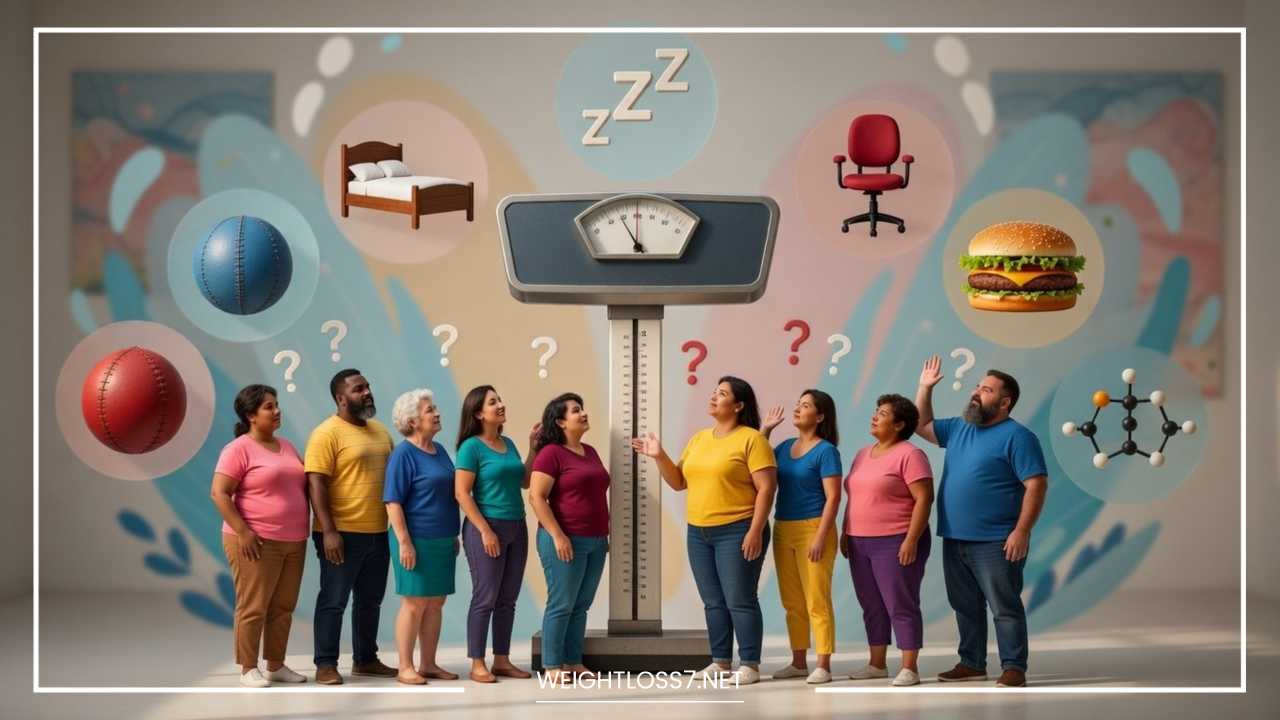
Can You Lose Weight Without Exercise?
The quest for a healthier body and a lower number on the scale often leads people to believe that grueling workouts are a non-negotiable prerequisite for weight loss. The image of hours spent sweating at the gym is deeply ingrained in the popular consciousness as the primary path to shedding pounds. However, this is a pervasive misconception that often discourages individuals who, due to physical limitations, lack of time, or simply personal preference, cannot or choose not to engage in regular, intense physical activity. The truth, backed by established nutritional science, is that you absolutely can lose weight without traditional exercise.
Weight loss is fundamentally a matter of energy balance, governed by a principle known as the caloric deficit. This means that to lose weight, your body must burn more calories than you consume. While exercise is a fantastic way to increase the “calories burned” side of the equation, the “calories consumed” side—your diet and eating habits—is significantly more potent and easier to adjust for the majority of the population. In fact, many experts agree that nutrition accounts for roughly 80% of successful, sustainable weight management.
This comprehensive guide is dedicated to exploring the profound impact of lifestyle, dietary choices, and behavioral adjustments on achieving a healthy weight, all without stepping foot on a treadmill. We will shift the focus from physical exertion to strategic eating, improved sleep, stress management, and the power of consistent daily habits. By understanding and implementing these strategies, you will learn that achieving your weight loss goals is less about what you do in the gym and more about the choices you make every single day. The best way to lose weight without exercise lies in a holistic approach to your life, starting with the very energy you put into your body.
Understanding the Science of Weight Loss
To successfully lose weight without relying on structured workouts, it is crucial to first grasp the underlying science that dictates how your body manages weight. Weight is not a matter of willpower alone; it is a complex interplay of energy, hormones, and bodily processes.
Caloric Deficit
The foundational principle of weight loss is the caloric deficit. A calorie is simply a unit of energy, and your body requires a certain number of calories each day to perform essential functions—like breathing, blood circulation, and maintaining body temperature—even at rest. This is known as your Basal Metabolic Rate (BMR). When you consume more calories than your body uses for its BMR and daily activities, the excess energy is stored, primarily as body fat, leading to weight gain. Conversely, when you consistently consume fewer calories than your body uses, you create a caloric deficit. To meet its energy needs, your body must then start breaking down its stored energy (body fat), which results in weight loss. Without exercise, creating this deficit relies entirely on reducing your caloric intake through strategic eating. A deficit of approximately 3,500 calories, for example, is needed to lose one pound of body fat.
Metabolism and its Role
Metabolism is the term for all the chemical processes that occur within your body to keep you alive and functioning. A key component of metabolism is the rate at which your body burns calories. While genetics play a role, your metabolic rate is highly dynamic and can be influenced by various lifestyle factors.
For instance, muscle tissue is metabolically more active than fat tissue, meaning it burns more calories at rest. While building muscle through exercise is the most effective way to boost metabolism, certain dietary choices and habits can help keep your current metabolic engine running efficiently. Furthermore, factors often overlooked—such as age, sleep quality, and stress levels—can significantly impact your metabolic rate and hormonal balance. Poor sleep and high stress, for example, can disrupt key hormones, leading to a sluggish metabolism and increased fat storage.
Importance of Consistency
Losing weight without exercise requires a meticulous and unwavering commitment to your new eating habits and lifestyle changes. Because you are not compensating for occasional dietary slip-ups with extra calorie-burning activity, consistency becomes the single most important factor. Sporadic attempts at dieting followed by periods of reverting to old habits will not yield sustainable results. The body responds best to routine and predictability. Weight loss is a marathon, not a sprint, and achieving a lasting change requires making small, manageable, and consistent choices day in and day out, focused heavily on maintaining that crucial caloric deficit.
Nutrition: The Key to Weight Loss Without Exercise
Since exercise is out of the equation, nutrition steps forward as the single most critical factor in your weight loss journey. Strategic eating is the most effective and direct way to control the “calories consumed” side of the energy balance equation, ensuring you maintain a consistent caloric deficit.
Understanding Portion Control
One of the simplest yet most effective ways to reduce overall calorie intake without drastically changing what you eat is through portion control. Many individuals underestimate the amount of food they are truly consuming. A single serving size of a food item is often much smaller than what is typically placed on a plate, especially in modern dining environments.
Learning to recognize appropriate serving sizes—and sticking to them—can dramatically reduce your total caloric intake over the course of a day. This doesn’t necessitate weighing and measuring every meal, but rather employing practical strategies: using smaller plates, bowls, and glasses to visually trick the brain into perceiving a larger portion; eating slowly and pausing before getting seconds; and recognizing the difference between being full and being satiated. By managing the quantity of food, you manage the calorie load.
Focus on Whole, Nutrient-Dense Foods
The quality of the calories you consume is just as important as the quantity. To maximize satiety and minimize overall caloric intake, the diet should emphasize whole, nutrient-dense foods. These foods, which include a wide variety of fruits, vegetables, and whole grains, offer a high concentration of vitamins, minerals, and other beneficial compounds relative to their calorie content.
Crucially, many of these whole foods are naturally high in fiber and water content. Fiber is a type of carbohydrate that your body cannot fully digest, which adds bulk to the food and significantly slows down the digestive process. This prolonged digestion keeps you feeling fuller for longer, naturally reducing the urge to snack or overeat later. Similarly, the high water content in many fruits and vegetables also contributes to a sense of fullness. By prioritizing these satiating foods, you naturally reduce your appetite, making it easier to adhere to a caloric deficit.
Balanced Macros (Carbs, Proteins, Fats)
While a caloric deficit is the ultimate driver of weight loss, the composition of your diet—the balance of macronutrients (carbohydrates, proteins, and fats)—is vital for controlling hunger and maintaining energy levels.
-
Protein is known for its high satiety factor. It takes longer to digest than carbohydrates or fats, significantly contributing to the feeling of fullness. Additionally, the body expends slightly more energy to process protein, a phenomenon known as the thermic effect of food (TEF). Including sources of protein, such as dairy products, beans, lentils, and nuts, in every meal is a powerful strategy for weight loss without exercise.
-
Complex Carbohydrates, found in whole grains, legumes, and starchy vegetables, are essential for sustained energy. Their complex structure means they are digested slowly, providing a steady release of glucose into the bloodstream, which helps prevent energy crashes and subsequent cravings for quick-fix sugary foods.
-
Healthy Fats, such as those found in avocados, nuts, seeds, and olives, are calorie-dense but are absolutely necessary for hormone production and nutrient absorption. They also play a critical role in satiety, helping you feel satisfied after a meal. The key is moderation and choosing healthy, unsaturated sources.
A well-balanced meal that includes adequate portions of all three macronutrients ensures you are nourished, satisfied, and less likely to experience the intense hunger that sabotages weight loss efforts.
Mindful Eating
The practice of mindful eating is a potent, non-dieting strategy for weight management. It involves paying full, non-judgmental attention to the experience of eating, including the food itself and your body’s physical and emotional responses.
In today’s fast-paced world, many people eat quickly, often while distracted by screens or work. This habitual distraction prevents the body and brain from registering the point of satiation until it’s far too late. Mindful eating techniques include:
-
Slowing Down: Put down your utensil between bites, chew thoroughly, and take time to savor the flavors and textures.
-
Eliminating Distractions: Eat away from the television, computer, or phone. Focus solely on your meal.
-
Listening to Your Body: Pay close attention to hunger and fullness cues. Start eating when you feel genuinely hungry, and stop when you feel comfortably satisfied—not stuffed.
By intentionally engaging with the eating process, you can prevent overeating, curb emotional eating triggers, and foster a healthier relationship with food.
Hydration’s Role in Weight Loss
The importance of hydration in weight management is often understated. Water is essential for every metabolic process in the body, including the breakdown of fat. A body that is even mildly dehydrated can experience a dip in metabolic rate.
Furthermore, the brain can often confuse thirst signals with hunger pangs. Drinking a glass of water, herbal tea, or other low-calorie beverages before a meal can help determine if you are truly hungry or just thirsty, and it can also help to fill the stomach, leading to reduced food intake during the meal. Replacing high-calorie, sugary beverages (like sodas, sweetened teas, and fruit juices) with water is one of the quickest and most effective ways to slash hundreds of empty calories from your daily total, providing a significant boost to your caloric deficit without changing your solid food intake.
The Power of Sleep for Weight Loss
While often overlooked in the context of weight loss, adequate, quality sleep is a non-negotiable component of any successful strategy, especially one that excludes regular exercise. The connection between sleep and weight management is deeply rooted in hormonal regulation.
Poor or insufficient sleep—defined as less than 7 hours per night for most adults—wreaks havoc on the body’s endocrine system, directly impacting two key hunger hormones: ghrelin and leptin.
-
Ghrelin is the “go” or hunger hormone; it stimulates appetite. Sleep deprivation causes ghrelin levels to rise.
-
Leptin is the “stop” or satiety hormone; it signals to the brain that you are full. Sleep deprivation causes leptin levels to fall.
This double whammy—increased hunger and decreased satisfaction—means that people who are sleep-deprived feel hungrier, crave more calorie-dense, high-carbohydrate foods, and have a diminished ability to stop eating, leading to a breakdown in the crucial caloric deficit.
Additionally, lack of sleep triggers an increase in the stress hormone cortisol, which is also linked to fat storage, particularly in the abdominal area. By contrast, aiming for 7 to 9 hours of quality sleep helps to regulate these hunger hormones and keeps cortisol levels balanced, making it far easier to adhere to your mindful eating plan and control your appetite throughout the day.
Tips for Improving Sleep Hygiene
Improving your sleep is a passive way to actively support your weight loss goals:
-
Establish a Routine: Go to bed and wake up at consistent times, even on weekends, to regulate your body’s internal clock.
-
Optimize Your Sleep Environment: Ensure your bedroom is dark, quiet, and cool.
-
Reduce Screen Time: Avoid bright screens (phones, tablets, computers) for at least an hour before bed, as the blue light interferes with the production of the sleep hormone melatonin.
-
Limit Stimulants: Avoid caffeine and large meals close to bedtime.
Prioritizing sleep is essentially giving your body an internal, hormonal advantage in the fight against weight gain and a powerful, passive tool for maintaining a caloric deficit.
Stress and Weight Loss: Understanding the Link
Just like sleep, stress is an often-underestimated variable in the weight loss equation. Chronic, unmanaged stress can be a relentless saboteur of even the most disciplined dietary efforts.
Cortisol and Stress Eating
When you experience stress, your body releases a cascade of hormones as part of the “fight or flight” response, with the most significant one being cortisol. Cortisol is a crucial survival hormone, but when consistently elevated due to chronic stress, it has detrimental effects on weight.
Sustained high levels of cortisol signal to the body that it is living in a state of emergency, which prompts it to conserve energy and store fat. This effect is often coupled with an increase in appetite and a preference for foods that are high in sugar and fat—the very definition of stress eating. The body is seeking a quick source of energy and comfort, leading to increased caloric intake outside of genuine hunger. This physiological response directly undermines the caloric deficit necessary for weight loss.
Managing Stress for Weight Loss
Learning to effectively manage stress is not just about mental well-being; it’s a fundamental part of managing your metabolism and appetite control. Incorporating stress-reducing practices into your daily routine can help keep cortisol levels in check, thereby reducing cravings and the body’s propensity to store fat:
-
Mindfulness and Meditation: Even five to ten minutes of focused breathing or guided meditation can significantly lower heart rate and calm the nervous system.
-
Journaling: Writing down your thoughts and feelings can help process stress and prevent rumination.
-
Hobbies and Creative Outlets: Engaging in activities you enjoy, such as listening to music, reading, or painting, serves as a healthy distraction and emotional release.
-
Deep Breathing Exercises: Simple, structured deep breathing can be used in the moment to interrupt the stress response.
The importance of self-care cannot be overstated. Viewing self-care—whether it’s quiet time, a warm bath, or connecting with a friend—as an essential tool for weight loss shifts the focus from deprivation to nurturing. By effectively managing stress, you remove a major physiological and psychological barrier to successful weight loss.
Habits That Support Weight Loss Without Exercise
Losing weight without exercise is fundamentally about engineering a lifestyle that passively supports a caloric deficit. This involves cultivating small, repeatable habits that replace old, unproductive routines.
Regular Meal Timing
The timing of your meals can have a powerful, yet often subtle, effect on hunger control and metabolic function. Eating meals at consistent times each day helps to regulate your internal body clock (circadian rhythm) and keeps your metabolism running predictably. When you have irregular meal times, your blood sugar and hunger hormones can fluctuate wildly, leading to intense cravings and the likelihood of overeating at the next meal. A consistent eating schedule acts as a behavioral guardrail, making it easier to stick to your chosen portion sizes and avoid unnecessary snacking.
Small, Sustainable Changes
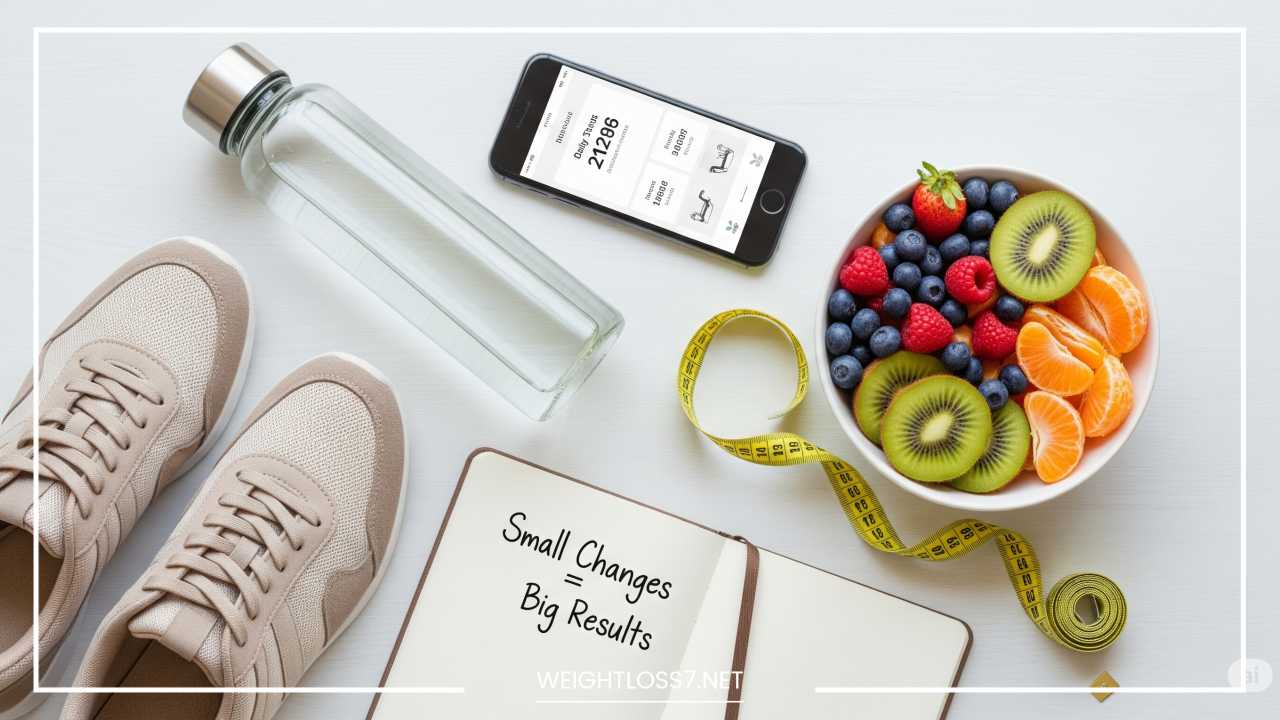
The pitfall of many weight loss attempts is the pursuit of drastic, restrictive changes that are impossible to maintain long-term. Sustainable weight loss is achieved by making small, incremental, and permanent changes to your daily habits. These small wins accumulate over time to create a substantial caloric reduction.
Instead of overhauling your entire diet, focus on one or two changes you can commit to for life:
-
Swap Sugary Drinks: Eliminate one sugary beverage (soda, juice, specialty coffee) per day and replace it with water or unsweetened herbal tea. This change alone can save hundreds of calories daily.
-
Cook at Home More Often: Home-cooked meals allow for precise control over ingredients, portion sizes, and cooking oils, making it easier to manage calorie intake compared to restaurant food.
-
Change Condiments: Switch from high-calorie dressings and sauces to low-calorie alternatives like vinegar, lemon juice, or mustard.
These minor adjustments require minimal effort but yield significant long-term results because they are sustainable and don’t feel like a punishing diet.
Avoiding Mindless Snacking
Snacks are often the stealth culprits of weight gain, contributing hundreds of unplanned calories. Mindless snacking—eating while watching TV, working, or simply out of boredom—is particularly dangerous because the brain barely registers the consumption, failing to trigger the satiety response.
Tips for curbing unnecessary snacking include:
-
Keep Food Out of Sight: If you keep tempting foods on the counter or in easily accessible locations, you are more likely to grab them. Store less healthy options away, making them inconvenient to access.
-
Plan Your Snacks: If you feel the need to snack, make it a deliberate choice. Keep healthy, portioned snacks on hand, such as a piece of fruit, a handful of nuts, or a small portion of yogurt.
-
The “Halt and Hydrate” Rule: When you feel the urge to snack, pause, drink a large glass of water, and wait 15 minutes. If you are still hungry, then choose a planned, healthy snack. Often, the craving will subside.
-
Distraction: If you suspect you’re eating out of boredom or stress, engage in a distracting activity or hobby—call a friend, read a book, or work on a project—until the urge passes.
By mastering the art of mindful, intentional eating and eliminating the hidden calories from mindless snacking, you significantly enhance your ability to maintain a consistent caloric deficit without exercise.
The Role of Social and Environmental Factors in Weight Loss
The decisions you make about food and your body are not made in a vacuum. Your social circle and physical environment play a profound, often subconscious, role in shaping your habits. Successfully losing weight without exercise requires strategically optimizing these external factors to support your goals.
Social Support
Having a supportive social network can be the difference between success and struggle. Sharing your goals with trusted friends, family, or a partner provides accountability, encouragement, and a sounding board for challenges. Supportive individuals can:
-
Offer Encouragement: Simple positive reinforcement can boost motivation during plateaus.
-
Keep You Accountable: Knowing someone will ask about your progress can motivate you to stay on track.
-
Join You: A partner or friend who adopts healthier eating habits alongside you makes the journey feel less isolating and more normalized.
-
Avoid Sabotage: Communicate your goals clearly so that loved ones understand why you may be declining certain foods or activities, reducing well-meaning but sabotaging offers.
Food Environment
Your immediate food environment has a powerful influence on your daily food choices. The principle is simple: make the healthy choice the easy choice, and the unhealthy choice the difficult choice.
-
Kitchen Audit: Keep unhealthy foods out of the house. If tempting, high-calorie, processed snacks are not readily available, you cannot eat them. Your home should be a safe zone that supports your caloric deficit goals.
-
Visible Healthy Options: Keep fresh fruits, vegetables, and other healthy, ready-to-eat options visible and easily accessible.
-
Strategic Storage: Store foods that require more preparation (like whole grains or beans) pre-portioned to reduce the barrier to cooking them.
-
Dining Out Strategies: When eating out, pre-determine a healthy meal choice, immediately ask for half your meal to be boxed up to take home, or request sauces and dressings on the side to control portions.
Behavioral Changes
Sustained weight loss without exercise ultimately comes down to mastering behavioral changes. This involves consciously altering the way you interact with food cues and making healthier default choices.
-
Limit Exposure to Food Cues: Identify situations or advertisements that trigger food cravings and limit your exposure to them. For example, change your commuting route to avoid a favorite pastry shop.
-
Substitution: When a craving hits, instead of resisting it entirely (which often leads to a binge), find a healthier substitute that provides a similar satisfaction (e.g., a frozen fruit bar instead of ice cream).
-
Pre-Commitment: Make a commitment to your healthy choice before you are faced with temptation. For instance, decide what you will eat for lunch before you walk into the cafeteria or open a menu.
By consciously manipulating your environment and adopting new, supportive behaviors, you create a foundation where weight loss naturally occurs, minimizing the need for constant willpower and active resistance to temptation.
Common Weight Loss Myths and Mistakes to Avoid
The path to weight loss is littered with myths, fad advice, and common errors that can derail genuine efforts. Being aware of these pitfalls is crucial for anyone trying to achieve a healthy weight without exercise.
Crash Diets and Fad Diets
One of the most damaging mistakes is falling for crash diets or fad diets that promise rapid weight loss through extreme caloric restriction or eliminating entire food groups. While these diets may lead to quick initial weight loss (mostly water weight), they are completely unsustainable.
-
Metabolic Harm: Extreme restriction can cause the body to panic and slow down its metabolism to conserve energy, making future weight loss harder.
-
Nutritional Deficiencies: Eliminating major food groups often leads to deficiencies in essential vitamins and minerals.
-
The Rebound Effect: As soon as a person stops the restrictive diet and returns to normal eating, the weight is typically regained, often with extra added, due to the metabolic slowdown.
Sustainable weight loss is about moderation, balance, and a slight, consistent caloric deficit, not short-term extremes.
The “Exercise is the Only Way” Myth
While we have established that weight loss is possible without exercise, it’s important to recognize and discard the prevailing myth that exercise is the only effective path. This misconception often leads people to believe that if they can’t commit to a high-intensity routine, their efforts are futile, leading to apathy regarding dietary changes. The reality is that it is far easier and more practical to create a significant caloric deficit by removing calories from your diet than it is to burn them off through exercise. For example, it is much easier to skip a 500-calorie dessert than to run for an hour to burn those same 500 calories. Diet is the primary lever of control.
Spot Reduction Myth
Many commercial products and articles promise that certain foods or devices can help you target fat loss in specific areas, such as the abdomen or thighs. This is the spot reduction myth. Scientifically, your body loses fat proportionally across its entire fat reserves; you cannot choose where the fat comes off first. Weight loss will occur generally, and the specific areas that shrink first are largely determined by genetics and body type. The focus should always be on overall caloric deficit, not on trying to target a single area.
Over-reliance on Supplements
The market is saturated with weight loss supplements that claim to magically burn fat, boost metabolism, or block calorie absorption. While some supplements may offer marginal support, over-reliance on them as a substitute for mindful eating is a major mistake.
-
Ineffectiveness: Many are not backed by rigorous scientific evidence and offer little to no real benefit.
-
Cost and Safety: They can be expensive and, in some cases, contain ingredients that are harmful or interact negatively with other medications.
The fundamental drivers of weight loss remain a caloric deficit achieved through a focus on whole, nutrient-dense foods, adequate hydration, and lifestyle changes. Supplements should only be considered as a minor aid, after the foundational dietary and habit changes are firmly in place, and ideally in consultation with a healthcare professional.
Practical Tips for Getting Started
Starting a new lifestyle change can feel daunting. The key is to avoid the overwhelming “all-or-nothing” mentality and begin with a few simple, actionable steps that build momentum.
-
Start with One Major Calorie Culprit: Identify the single most significant source of empty calories in your daily diet—this might be a sugary morning coffee, daily sodas, or late-night dessert. Commit to eliminating or drastically reducing just that one thing for the next two weeks. This creates an immediate, effortless caloric deficit.
-
Practice Portion Control Immediately: For the next three meals, use a smaller plate than you usually would. Consciously reduce the size of your starch or grain portion (e.g., rice, pasta) and replace that volume with extra vegetables.
-
Hydrate Strategically: Make it a non-negotiable rule to drink a full glass of water 15 minutes before every meal and snack. Keep a water bottle with you at all times.
-
Implement a Sleep Rule: Set an alarm 30 minutes before your ideal bedtime and commit to turning off all screens (phone, TV, computer) when it goes off. Use this time to read or journal.
-
Track Your Intake and Progress: You cannot manage what you do not measure. Use a simple food journal or a calorie-tracking application for at least two weeks. This is not for a lifetime, but it provides invaluable insight into where your calories are truly coming from and helps you pinpoint areas for adjustment.
-
Set Realistic, Short-Term Goals: Instead of focusing on a large overall goal (e.g., lose 50 pounds), set a smaller, achievable weekly goal, such as “stay within my calorie budget 6 out of 7 days” or “eat a vegetable with every lunch.” These small wins maintain motivation.
By implementing these small, tangible steps, you move from conceptual understanding to practical application, setting a sustainable course for weight loss without the need for strenuous exercise.
Final Thoughts: Sustainable Weight Loss Without Exercise
We have explored the comprehensive and highly effective path to achieving a healthy weight without resorting to traditional exercise. The overwhelming conclusion is that sustainable weight loss is absolutely possible when the focus is strategically shifted from the gym floor to the kitchen table and the bedroom.
The body is a marvel of energy management, and by respecting the fundamental science of the caloric deficit, you gain complete control over your weight outcome. This control is exercised through the consistent, deliberate choices you make regarding:
-
Nutrition: Prioritizing whole, fiber-rich, nutrient-dense foods, mastering portion control, and practicing mindful eating.
-
Lifestyle: Nurturing your body through 7-9 hours of quality sleep and actively managing stress to keep hunger and fat-storing hormones in check.
-
Habits: Cultivating small, sustainable changes in your daily routine and optimizing your environment to support healthy choices.
This approach is not a temporary diet; it is a permanent lifestyle overhaul that offers freedom from the constant struggle of high-intensity workouts and restrictive fad diets. It is a path that values patience, consistency, and self-compassion.
Embrace the journey with the understanding that progress is often slow but always cumulative. There will be days that are imperfect, but the power lies in your ability to return to your core, healthy habits the very next day. Focus on long-term, sustainable habits over short-term fixes, and prioritize your overall well-being. By doing so, you are not just losing weight; you are building a healthier, more balanced life where your weight is effortlessly maintained by the simple, powerful, and consistent choices you make every single day. Take a deep breath, and trust in the power of this comprehensive, non-exercise approach.