
How Much Weight Can You Lose in 1 Month?

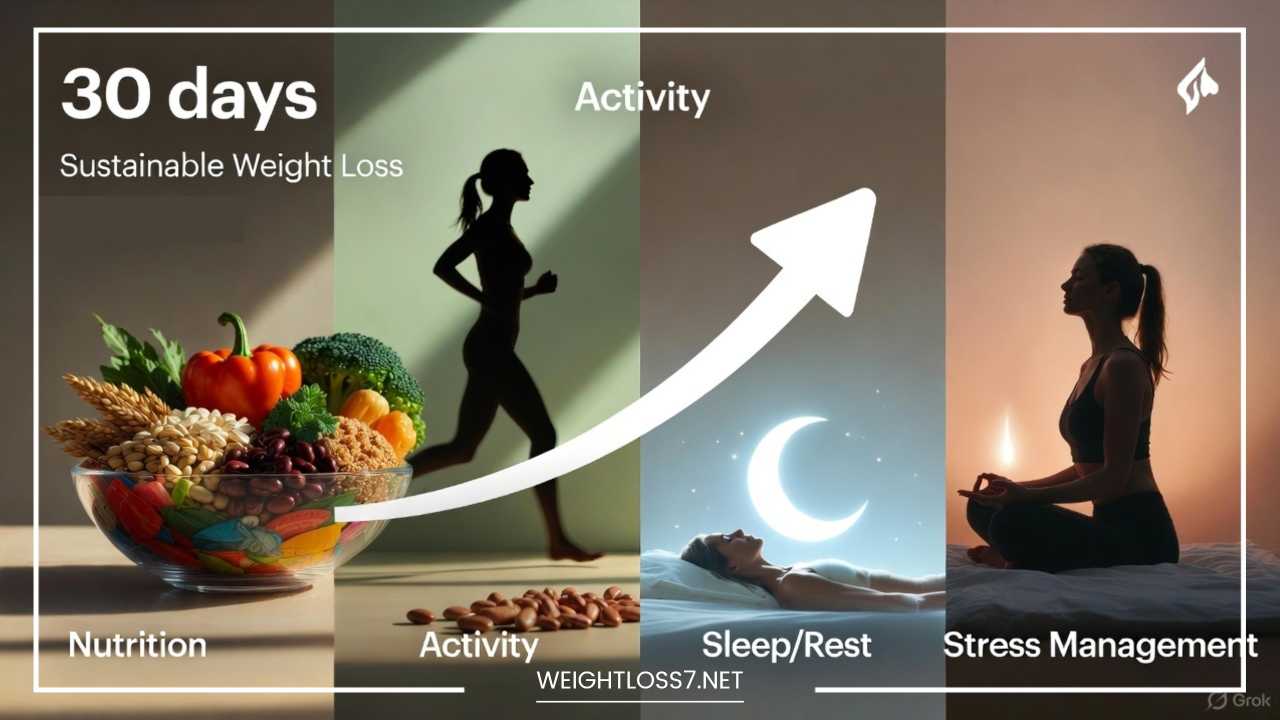
How Much Weight Can You Lose in 1 Month? | Healthy & Realistic Guide
The desire to see quick progress is entirely natural. Whether you have an upcoming event, want to kickstart a long-term goal, or simply feel ready for a change, aiming for weight loss in a specific timeframe, like one month, is incredibly popular. Thirty days offers a focused, manageable window of time to implement new habits and see encouraging results. However, this focused goal also comes with a necessary conversation about expectations and health.
When you set out to lose weight quickly, it’s easy to fall into the trap of looking for extreme measures or “crash diets.” These approaches often promise dramatic results but are rarely sustainable and can sometimes be detrimental to your overall health and relationship with food. The healthiest and most effective way to approach weight loss is to focus not just on the number on the scale, but on building sustainable habits that you can maintain long after the first month is over.
This guide will walk you through the factors that determine your individual rate of weight loss, establish what is considered a safe and realistic amount to lose in four weeks, and provide a framework for creating a nutritious eating and activity plan that supports your goals without resorting to drastic measures. We’ll look at the science of energy balance, the often-overlooked roles of sleep and stress, and how to track progress in a way that keeps you motivated and focused on long-term wellness. The goal isn’t to find the fastest way to drop pounds; it’s to find the healthiest, most effective way to start your journey toward a stronger, more energized you.
What Determines How Much Weight You Can Lose in One Month?
Weight loss is a highly individualized process. Two people could follow the exact same routine for thirty days and see different results because numerous biological and lifestyle factors influence how quickly the body uses stored energy. Understanding these factors helps you set realistic goals and appreciate your own unique journey.
Metabolism
Your metabolism is the process by which your body converts the food and beverages you consume into energy. Even at rest, your body needs energy to power essential functions like breathing, circulating blood, and repairing cells. This is called your Basal Metabolic Rate (BMR). If your BMR is higher, you burn more calories simply by existing. BMR is influenced by several factors:
- Muscle Mass: Muscle tissue is metabolically active, meaning it requires more energy to maintain than fat tissue. The more muscle you have, the higher your BMR tends to be.
- Organ Size: The size of internal organs, like your liver and brain, contributes significantly to your metabolic needs.
- Thyroid Hormones: The thyroid gland regulates metabolism, and imbalances here can dramatically speed up or slow down the rate at which you burn energy.
Age, Genetics, and Body Composition
As people age, their BMR often decreases, primarily due to a natural tendency to lose muscle mass and changes in hormone levels. This means that losing weight at age 45 may require slightly more focused effort than it did at age 25. Similarly, genetics play a subtle but important role, influencing where your body tends to store fat, how effectively it processes certain nutrients, and even your natural appetite cues.
Current body composition is perhaps the most significant determinant of initial rapid weight loss. Individuals who have a higher amount of total body weight to lose often experience faster initial drops compared to those who are already close to a moderate weight. This early, rapid weight change is often a mix of fat and water loss.
Current Lifestyle and Habits
Your current habits provide the foundation for change. If your daily routine includes frequent consumption of highly-processed foods, little structured activity, and inconsistent sleep, making focused improvements in these areas will yield noticeable results quickly. Conversely, if you already lead a healthy lifestyle, your body is likely already close to its set point, and further weight loss will naturally be slower and more challenging. The greater the initial difference between your “before” and “after” habits, the more dramatic the initial loss can be.
Activity Level
The amount and type of physical activity you engage in determines your energy expenditure. This is the “energy out” side of the balance equation. Increased activity not only burns calories in the moment but, through strength training, can help preserve or build muscle mass, which supports a higher BMR over time. A sedentary person who begins a consistent movement routine will increase their daily calorie expenditure significantly, speeding up the weight loss process.
Stress and Sleep
These two elements are often overlooked but are crucial biological regulators. Poor sleep quality throws hunger and satiety hormones out of balance. Specifically, it can increase ghrelin (the “hunger” hormone) and decrease leptin (the “fullness” hormone), leading to increased cravings and overall calorie intake. Chronic stress leads to elevated levels of the hormone cortisol. Sustained high cortisol levels have been linked to increased appetite and a tendency to store fat around the midsection. Managing stress and prioritizing sleep are non-negotiable for effective weight management.
The Role of Consistency vs. Intensity
While intensity—drastic calorie cuts or grueling workouts—can achieve rapid short-term loss, consistency is the real driver of sustained, healthy results. Losing weight in one month is achievable, but it requires consistent application of good habits every single day—not just on weekdays or during workouts. Building a pattern that is 80% consistent is far more powerful than aiming for 100% intensity for one week and burning out.
What Is a Safe and Realistic Amount of Weight to Lose in 1 Month?
The most common, widely recommended guideline for safe and sustainable weight loss is 0.5 to 1 kilogram (1 to 2 pounds) per week. Over a month (four weeks), this translates to a healthy and realistic loss of 2 to 4 kilograms (4 to 8 pounds) of body weight.
General Guideline Ranges
- Realistic & Sustainable: 4 to 8 pounds (2 to 4 kg)
- Accelerated (often seen in the first two weeks): 8 to 12 pounds (4 to 5.5 kg)
Why the accelerated range? As mentioned, people with more weight to lose, or those starting a diet high in processed foods, often see an initial, larger drop. This is largely because cutting out high-sodium, highly-processed foods and increasing water intake leads to a significant reduction in water retention and stored glycogen (a form of stored carbohydrate that binds to water). This initial “whoosh” is motivating but is not pure fat loss, and the rate will naturally slow down.
Why Extremely Rapid Weight Loss Is Discouraged
Attempting to lose more than 12 pounds (about 5.5 kg) of actual fat mass in a single month typically requires an extremely restrictive diet and/or excessive exercise. This is discouraged for several important reasons:
- Muscle Loss: When you create too large of a calorie deficit, your body may start breaking down metabolically active muscle tissue for energy, rather than just fat. Losing muscle slows your metabolism, making it harder to maintain weight loss in the future.
- Nutrient Deficiencies: Drastic calorie restriction makes it very difficult to consume all the necessary vitamins, minerals, and micronutrients your body needs to function optimally.
- Sustainability and Psychological Impact: Extreme restriction is psychologically taxing and often leads to burnout, intense cravings, and rebound weight gain—a classic “yo-yo” pattern that is detrimental to health.
- Gallstones and other Medical Risks: Rapid weight loss has been associated with an increased risk of developing health issues like gallstones.
Differences Between Fat Loss, Water Loss, and Muscle Loss
It’s crucial to understand what the scale is actually measuring:
- Water Loss: This is the fastest weight to lose. It’s primarily driven by reducing sodium intake and lowering carbohydrate stores. It’s temporary but accounts for that impressive initial drop.
- Fat Loss: This is the goal—reducing stored energy. It requires a consistent energy deficit over time and is the true measure of success.
- Muscle Loss: This is what you want to avoid. Strength training and adequate protein intake are essential for preserving muscle mass while losing weight.
The most sustainable and successful goal for one month is a rate that feels challenging but manageable, allowing you to sustain your energy levels and nutrient intake while prioritizing fat loss over muscle loss. By aiming for the realistic 4–8 pound range, you are setting yourself up for long-term success.
Understanding Calorie Balance Without Counting Every Calorie
At its core, weight loss boils down to energy balance. To lose weight, you must consistently consume fewer calories (energy in) than your body burns (energy out). This is called creating a calorie deficit.
Energy In vs. Energy Out—Simple Explanation
Think of your body as a car. Food is the fuel (energy in), and everything you do—from sleeping to running a marathon—uses that fuel (energy out).
- Energy In: All the calories consumed through food and drink.
- Energy Out: This has three main components: BMR (basic body functions), Thermic Effect of Food (energy used to digest), and Activity Energy Expenditure (energy used for movement).
To achieve weight loss, the goal is not necessarily to starve yourself, but to make small, consistent adjustments that widen the gap between Energy In and Energy Out.
How Daily Choices Add Up
While counting every calorie can be tedious and obsessive for some, understanding where “hidden” calories exist is vital. Daily choices in beverages, snacks, and portion sizes quickly add up. For instance, swapping a sweetened drink for water, reducing the size of your after-dinner treat, or using less added oils during cooking can easily create the necessary daily deficit without ever needing a calculator. Focusing on simple, repeatable food swaps is often more effective than obsessive tracking.
Why Drastic Restriction Doesn’t Work Long-Term
When you drastically restrict calories (creating a massive deficit), your body interprets this as starvation. It reacts by slowing down your metabolism to conserve energy—this is a primal survival mechanism. Furthermore, a hyper-restrictive diet leads to intense mental fatigue and powerful cravings, which eventually result in a binge cycle. This cycle of restriction followed by overeating prevents sustainable progress. The goal is to find a moderate deficit that the body perceives as a manageable change, not a crisis.
Signals Like Hunger, Fullness, and Energy Levels
Instead of relying solely on external tools like calorie apps, learn to listen to your internal body signals.
- Hunger: True physical hunger builds gradually. Learn to differentiate it from emotional hunger (boredom, stress, habit).
- Fullness: Aim for satisfied, not stuffed. Pay attention when the feeling of enjoyment from the food starts to diminish. This is often the signal that you have had enough.
- Energy Levels: If your energy is consistently crashing in the afternoon, you may not be fueling yourself correctly with balanced meals, or your calorie deficit may be too severe. A healthy weight loss plan should leave you feeling energized and productive, not lethargic.
Building a Nutritious and Satisfying Eating Pattern
To sustain a calorie deficit while feeling satisfied and energized, the quality of the food you consume is paramount. When you choose nutrient-dense, filling foods, you naturally reduce your overall calorie intake without feeling deprived.
Prioritizing Whole, Minimally Processed Foods
Focus your meals around foods that are as close to their original state as possible. These foods typically retain more fiber, vitamins, and minerals, and often have a lower energy density (fewer calories per volume).
- Examples: Whole grains (oats, brown rice, quinoa), legumes (beans, lentils), fresh and frozen vegetables, fruits, and potatoes.
- Avoid: Foods with long ingredient lists, artificial colors, and excessive added sugars or sodium.
High-Fiber Options That Support Fullness
Fiber is your greatest ally in weight management. Because the body cannot fully digest fiber, it moves slowly through the digestive system, promoting a lasting feeling of fullness (satiety) and stabilizing blood sugar levels. This stability reduces sudden spikes and crashes that lead to intense cravings.
- Key Sources: Legumes, whole grains, seeds (like chia or flax), and all fruits and vegetables. Aim to include a source of high-fiber food at every meal.
Including Healthy Fats
Fats are crucial for nutrient absorption, hormone production, and, importantly, satiety. However, fats are calorie-dense, so portion control is key. Including small amounts of healthy, unsaturated fats helps you feel satisfied after a meal, preventing mid-day snacking.
- Recommended Sources: Avocados, nuts, seeds, and oils like olive or canola oil. Use them to flavor and enrich your meals, not as the primary component.
Balancing Starches and Non-Starchy Vegetables
A successful, sustainable eating pattern balances different nutrient groups.
- Non-Starchy Vegetables: These are low in calories and high in fiber and volume (e.g., leafy greens, bell peppers, broccoli, mushrooms). They should form a significant portion of your plate at every main meal, as they fill you up for minimal calories.
- Starches/Complex Carbohydrates: These provide the necessary energy for your brain and muscles (e.g., sweet potatoes, whole-grain pasta, oats, rice). Control the portion size of these items; they should complement the vegetables, not overwhelm them.
How Hydration Influences Appetite and Energy
Drinking enough water is an underrated component of weight loss. Sometimes, the body confuses thirst with hunger. Drinking a glass of water before a meal or when a craving hits can often determine whether you are truly hungry or just dehydrated. Water is also essential for metabolism and physical performance. Aim to drink water consistently throughout the day. Proper hydration can be the simplest, most effective lever you pull in the first month.
Portion Awareness Without Strict Dieting
You don’t need a scale to practice good portion awareness. Use visual cues:
- Starches: Aim for a serving size roughly the size of your clenched fist.
- Vegetables: Fill at least half of your plate with non-starchy options.
- Healthy Fats (nuts/seeds): Limit to a small handful or the size of your thumb.
Mindful Eating and Slowing Down During Meals
Eating mindfully means paying attention to your food, its flavor, and your body’s response, free from distractions. Because it takes about 20 minutes for the signal from your stomach to reach your brain and register fullness, eating quickly is a guaranteed way to overeat.
- Practice: Put your fork down between bites, chew thoroughly, and minimize screen time or work while eating. This practice helps you truly register when you are satisfied and greatly aids in portion control.
The Role of Physical Activity in One-Month Weight Loss
While a calorie deficit is the primary driver of weight loss, physical activity is essential for supporting that deficit, maintaining muscle, and improving overall health and mood. Think of movement as the accelerator for your weight loss journey.
Why Movement Supports Metabolism
Movement directly increases your Total Daily Energy Expenditure (TDEE). When you exercise, you burn calories during the activity itself. Furthermore, higher-intensity activity, especially strength training, causes an “afterburn effect” where your body continues to burn a slightly elevated amount of calories after the workout as it recovers and repairs muscle tissue. This constant repair and maintenance of muscle tissue further supports your BMR, making it easier to maintain your loss.
Mixing Different Types of Activity
The most effective activity routine combines different forms of movement to maximize calorie burn and preserve muscle mass.
Cardio for Calorie Burn
Cardiovascular exercise is excellent for increasing the energy deficit quickly and improving heart health. It includes any activity that raises your heart rate consistently.
- Examples: Brisk walking, running, swimming, cycling, or using an elliptical machine.
- Focus: Aim for a mix of moderate-intensity sessions (longer, steady pace) and perhaps one or two higher-intensity interval sessions per week if your fitness level allows.
Resistance or Strength Training for Maintaining Muscle
This type of activity is non-negotiable for healthy weight loss. It involves working your muscles against resistance to build strength and maintain muscle mass. As you lose weight, strength training sends a signal to your body that your muscles are still necessary, encouraging it to burn fat for energy instead of breaking down muscle tissue.
- Examples: Using dumbbells, resistance bands, or even just your own body weight (squats, lunges, push-ups).
- Focus: Aim for 2–3 full-body sessions per week, allowing a day of rest between sessions for muscle recovery.
Daily Lifestyle Movement (Steps, Chores, Walking Breaks)
This is often called Non-Exercise Activity Thermogenesis (NEAT), and it accounts for a large portion of your daily calorie expenditure outside of structured workouts. Increasing your NEAT is the easiest way for anyone to burn more calories without feeling exhausted.
- Focus: Park further away, take the stairs, stand while working, and aim for a daily step goal. Breaking up long periods of sitting with a 5-minute walk every hour is highly effective.
How to Start a Routine If You’re New or Restarting
If you haven’t been active recently, start gently and build up gradually. Overtraining in the first month is a fast track to injury and burnout.
- Week 1: Focus on daily brisk walking (30 minutes) and 2 short bodyweight strength sessions.
- Week 2-4: Gradually increase the duration or intensity of your cardio, or add a third strength session.
- Principle: Consistency over intensity. It’s better to do a 20-minute walk five days a week than a 90-minute run once a week.
Realistic Weekly Movement Goals
For the first month, a great set of goals is:
- Daily: Achieve 8,000–10,000 steps.
- Cardio: 150 minutes of moderate-intensity activity (e.g., five 30-minute sessions).
- Strength: 2–3 sessions of full-body resistance training.
Sleep, Stress, and Their Impact on Weight Loss
While diet and exercise get all the attention, sleep and stress management are the foundational pillars that allow the other two to work effectively. Neglecting them can derail even the most disciplined efforts.
How Sleep Affects Hormones Related to Appetite
As briefly mentioned, poor sleep quality (getting less than 7–9 hours of continuous sleep) profoundly impacts two critical appetite hormones:
- Ghrelin (The Hunger Hormone): Lack of sleep causes ghrelin levels to rise. This tells your body you are hungry, even if you’ve consumed enough calories, leading to increased overall intake.
- Leptin (The Fullness Hormone): Lack of sleep causes leptin levels to fall. This means your brain doesn’t receive the signal that you are satisfied after eating, making it difficult to stop when you’re full.
In short, when you are tired, you are hormonally programmed to eat more, particularly craving highly palatable, energy-dense foods (sugars and starches). You also have less willpower to resist those cravings.
Practical Ways to Improve Sleep Quality
Prioritize sleep as much as you prioritize your workout.
- Create a Routine: Go to bed and wake up at roughly the same time, even on weekends.
- Limit Stimulants: Avoid caffeine and large amounts of fluids late in the day.
- Cool and Dark: Ensure your bedroom is dark, quiet, and cool.
- Screen Time: Stop using screens (phones, tablets, TV) at least 30–60 minutes before bed, as the blue light interferes with the production of the sleep hormone melatonin.
Stress, Cravings, and Energy Patterns
When you are under stress—whether from work, family, or even the pressure of a new weight loss goal—your body releases the hormone cortisol.
- Cortisol and Fat Storage: While cortisol is necessary in the short term, chronically elevated levels can signal the body to store fat, often preferentially in the abdominal area.
- Stress and Cravings: Stress also drives us toward “comfort foods”—those high in starches and fats—which provide a temporary feeling of reward but sabotage weight loss efforts.
Simple Stress-Management Techniques
You can’t eliminate stress, but you can change how you respond to it. Incorporating quick, effective techniques throughout your day can lower cortisol levels and improve decision-making related to food.
- Breathing Exercises: Practice slow, deep, controlled breathing for 3–5 minutes when you feel overwhelmed. Inhale for four counts, hold for four, exhale for six.
- Routines: Stick to your eating and sleeping routines. Predictability reduces stress on the body.
- Pauses During the Day: Take deliberate micro-breaks—step outside for two minutes, stretch, or listen to a favorite short piece of music. This prevents stress from building up to unmanageable levels.
- Movement: Use your planned activity sessions (walks, strength training) not just for calorie burn, but as crucial, structured stress relief time.
What a Balanced Day of Eating and Activity Might Look Like
A balanced day isn’t about perfection; it’s about consistency and structure that supports your energy deficit goal while providing ample nutrition. Remember, this is a template, not a strict prescription, and portions will vary based on your body size and activity level.
Sample Daily Structure for Meals and Snacks
| Time | Meal/Snack | Example (Focusing on Fiber & Protein) |
|---|---|---|
| 7:30 AM | Breakfast | Oatmeal made with milk or water, topped with sliced fruit (like berries or apple), a spoonful of seeds (chia/flax), and a handful of walnuts. |
| 10:30 AM | Snack | A small handful of almonds or a piece of whole-wheat toast with mashed avocado. |
| 1:00 PM | Lunch | A large bowl of lentil soup served with a side salad (lots of leafy greens and chopped vegetables) dressed with a light vinaigrette. |
| 4:00 PM | Snack | A piece of fruit (banana or orange) and a cup of yogurt alternative. |
| 7:00 PM | Dinner | A bowl of quinoa and roasted non-starchy vegetables (broccoli, cauliflower, bell peppers) seasoned with olive oil and spices, served alongside beans or chickpeas. |
Hydration Schedule
Aim for continuous hydration throughout the day, especially around meals and activity.
- Morning: 1–2 cups of water immediately upon waking.
- Before Meals: A full glass of water 15 minutes before breakfast, lunch, and dinner.
- During Activity: Sip water consistently during exercise.
- Evening: Taper off water intake 1–2 hours before bed to avoid sleep disruption.
Example Activity Day
- 7:00 AM: 15-minute brisk walk to start the day.
- 11:00 AM: 5-minute break to stretch and stand up.
- 5:30 PM: 30-minute structured strength training session (bodyweight or light weights).
- Evening: An easy 20-minute walk after dinner to aid digestion and boost NEAT.
This template is designed to maximize satiety (high fiber/protein/healthy fat), ensure consistent energy (structured meals/snacks), and increase calorie expenditure (mixed activity). It provides a high volume of food with low calorie density, which is the key to sustained weight loss.
How to Track Progress Without Obsessing
The scale is just one tool—and often the least reliable one—for measuring progress, especially in the first month when water weight fluctuates dramatically. The goal is to track habits, not just outcomes.
Non-Scale Indicators: Energy, Mood, Clothing Fit
Shifting your focus away from the number on the scale protects your motivation and mental health. Track these indicators instead:
- Energy Levels: Are you less reliant on caffeine? Do you crash less in the afternoon?
- Mood: Is your sleep better? Do you feel generally more positive and less stressed?
- Clothing Fit: Are your clothes fitting more loosely, even if the scale hasn’t moved? This is the best indicator of true fat loss.
- Strength/Fitness: Can you walk longer? Lift slightly heavier weights? This represents tangible physical improvement.
Weekly vs. Daily Weigh-ins
Daily weigh-ins can be misleading and demoralizing because your weight fluctuates based on hydration, sodium intake, hormonal cycles, and carbohydrate consumption.
- Recommendation: Weigh yourself once per week (e.g., every Friday morning) under the same conditions (same time, after using the restroom, before drinking water). This gives you a more accurate trend line. If the scale causes undue stress, track your progress using only the non-scale indicators listed above.
Recognizing Natural Body Fluctuations
Understand that weight loss is not a straight line. It is a wavy line that moves generally downward. You may see a drop one week and then stay the same (a plateau) or even slightly increase the next. This is perfectly normal and is not a sign of failure. Stay consistent, and the downward trend will resume.
Tracking Habits Instead of Only Outcomes
Success is achieved by consistently performing positive actions. Focus on tracking the process, not just the result.
- Habit Tracker: Keep a simple log of things like: Did I drink 8 glasses of water? Did I get 7 hours of sleep? Did I complete my 30 minutes of activity? When you consistently check these boxes, the weight loss outcome will follow naturally.
Common Mistakes That Slow Weight Loss
Even with the best intentions, certain mistakes are common and can unnecessarily slow down your progress in that critical first month.
- Trying Extreme Diets: Crash diets promise 15 pounds, but they are often nutritionally incomplete and trigger metabolic slowdown. They lead to muscle loss and are unsustainable, almost guaranteeing rebound weight gain.
- Skipping Meals: This often backfires. Skipping breakfast or lunch usually leads to excessive hunger later in the day, resulting in overeating and poor food choices at dinner or snack time.
- Overestimating Activity: It’s easy to think a leisurely walk burned 500 calories, when it was closer to 200. This leads to eating back the calories you “thought” you burned. Be honest about your activity intensity.
- Underestimating Portion Size: Liquid calories (sweetened beverages, creamy coffee), cooking oils, and condiments are calorie-dense and add up quickly. A “splash” of oil can easily be 100+ calories. Practicing portion awareness is key.
- Inconsistent Sleep Schedule: As discussed, poor sleep equals hormonal chaos. Losing weight is significantly harder if you consistently get less than seven hours of sleep.
- Relying Only on Willpower Instead of Habit-Building: Willpower is a finite resource. Habit-building is about making positive choices automatic. Instead of using willpower to avoid the snack drawer, rearrange your environment so the healthy option (like a bowl of fruit) is visible and the less healthy options are out of sight.
How to Stay Motivated Over the Month
Motivation is what gets you started; habit is what keeps you going. To bridge the gap between initial enthusiasm and long-term consistency, use smart strategies.
- Setting Achievable Weekly Goals: Break the 4–8 pound monthly goal down. Focus on two-pound losses per week, or even more simply, focus on achieving your 3 strength sessions and 5 cardio sessions that week. Small, regular wins build confidence.
- Using Habit Stacking: Attach a new habit to an old one. For example: “After I put on my morning shoes (old habit), I will immediately go for a 15-minute walk (new habit).”
- Making Your Environment Support Your Goals: Set your clothes out for your morning workout. Put high-fiber, healthy snacks in visible bowls on the counter. Make the healthy choice the easy choice.
- Rewarding Yourself in Healthy, Non-Food Ways: Celebrate milestones (completing week one, fitting into a new size) with non-food rewards like new workout attire, a massage, or a fun movie night.
- What to Do When Progress Stalls: Expect a plateau. When the scale hasn’t moved for 7–10 days, don’t panic. Re-evaluate: Are you truly being consistent? Are you sleeping? Try making a tiny adjustment—add 10 minutes to your walk or ensure you drink two extra cups of water daily. A small change is usually enough to break the stall.
When to Seek Professional Support
While this guide provides general advice, weight loss is deeply personal, and sometimes you need expert, individualized guidance. Knowing when to reach out is a sign of strength, not failure.
Signs That You Might Benefit from a Coach, Trainer, or Registered Dietitian
- Pre-existing Conditions: If you have diabetes, thyroid issues, or other chronic conditions, medical supervision is essential.
- Lack of Results: If you have been highly consistent for more than 4–6 weeks and haven’t seen the expected progress, a registered dietitian can help analyze your eating pattern for hidden issues.
- Workout Guidance: A certified personal trainer can ensure you are using proper form during strength training, maximizing muscle preservation and preventing injury.
- Mental Health: If feelings of anxiety, guilt, or obsession around food are taking over, a therapist or counselor specializing in eating habits can provide crucial support.
Importance of Individualized Guidance
General advice, like the information in this article, is a great starting point, but an expert can tailor the exact calorie goal, activity type, and nutrient ratios to your unique body, genetics, and lifestyle demands, optimizing your safety and results.
Final Answer: How Much Weight Can You Lose in 1 Month?
After considering all the biological, hormonal, and lifestyle factors, here is the final, healthy, and realistic summary:
In one month, you can realistically and healthily expect to lose 4 to 8 pounds (2 to 4 kilograms) of body weight, focusing on a sustainable calorie deficit and consistent movement. While some individuals may see an initial accelerated loss of up to 12 pounds due to water and glycogen shifts, this rapid pace is not sustainable for true fat loss and should not be the ongoing expectation.
Your success in this first month is not defined by the highest possible number you can achieve, but by the healthy, sustainable habits you build. Did you improve your sleep? Are you consistently moving your body? Are you eating more whole, high-fiber foods? If the answer is yes, you have succeeded.
Use this focused 30-day window to build momentum, establish routines, and learn what fuels your body best. The habits you build in this first month are not just for losing weight now; they are the foundation for maintaining a healthy, energized body for years to come. Health is a journey of consistency, and the greatest victory is deciding to continue beyond the finish line.