Quick Body Weight Loss Tips for Busy People


Quick Body Weight Loss Tips for Busy People
Trying to lose weight can feel like an impossible task when you’re constantly on the go. Between demanding work schedules, family obligations, and the general fatigue that comes with a packed life, finding the time and energy to focus on your health can seem like a luxury. The typical advice of spending hours at the gym or preparing elaborate meals just doesn’t fit into the reality of a busy person’s life. But what if weight loss wasn’t about a complete overhaul, but about making small, consistent changes that fit seamlessly into your routine?
The truth is, busy people face unique challenges. Irregular meal times, grabbing quick, processed foods on the run, and the stress that can lead to unhealthy cravings all contribute to weight gain. When you’re tired, the last thing you want to do is hit the gym. This article is for you—it’s about simple, practical tips you can use right now to start seeing results. We’ll focus on strategies that are quick, effective, and sustainable, helping you build lasting habits without disrupting your already full life. It’s not about perfection; it’s about progress, one small step at a time.
Mindful Eating Habits
When you’re rushing through your day, it’s easy to treat eating as just another task to check off the list. But eating mindfully can be one of the most powerful tools for weight loss. It’s not about complicated calorie counting or restricting yourself; it’s about paying attention to what you eat and how you feel.
One of the simplest ways to start is by practicing portion control without getting bogged down in numbers. Instead of using a giant plate, opt for a smaller one. This can trick your brain into feeling satisfied with less food. Another tip is to eat slowly and savor your food. Chewing each bite thoroughly and putting your fork down between bites gives your body time to register that it’s full. It takes about 20 minutes for your stomach to send signals of fullness to your brain. If you eat too fast, you’ll likely consume more food than you need before your brain gets the message.
Learning to recognize the difference between physical hunger and emotional eating is also key. Physical hunger comes on gradually and can be satisfied by any food. Emotional hunger, on the other hand, often comes on suddenly, creates a craving for a specific food (like something salty or sweet), and doesn’t always go away even after you’ve eaten. Before you grab a snack, take a moment to ask yourself if you’re truly hungry or if you’re feeling bored, stressed, or sad. By addressing the underlying emotion, you can often break the cycle of using food as a coping mechanism. Finally, try to avoid distractions like your phone or the TV while eating. When you’re focused on your meal, you’ll enjoy it more and be better at tuning into your body’s signals.
Smart Snacking
Snacking can either be a major downfall or a powerful ally in your weight loss journey. The key is to choose snacks that keep you full and energized, rather than those that lead to a sugar crash. When you’re on the go, it’s all too easy to grab a processed snack from a vending machine, but these are often laden with hidden sugars and unhealthy fats that do nothing to help you lose weight.
Instead, think about snacks that are quick and portable. Keep a handful of nuts or a small bag of dried fruit in your bag for those moments when hunger strikes. You can also prepare healthy snack packs for the week, such as pre-cut vegetables with a small container of hummus or a piece of fruit. These kinds of snacks provide fiber and nutrients that help you feel full and stabilize your blood sugar.
Using snacks strategically can also prevent overeating at meals. If you’re going to a late dinner, having a small, healthy snack an hour or two beforehand can take the edge off your hunger, making you less likely to overdo it when the meal arrives. The goal is to choose snacks that maintain your energy levels and satisfy you, so you’re not constantly thinking about your next meal.
Hydration and Its Role in Weight Loss
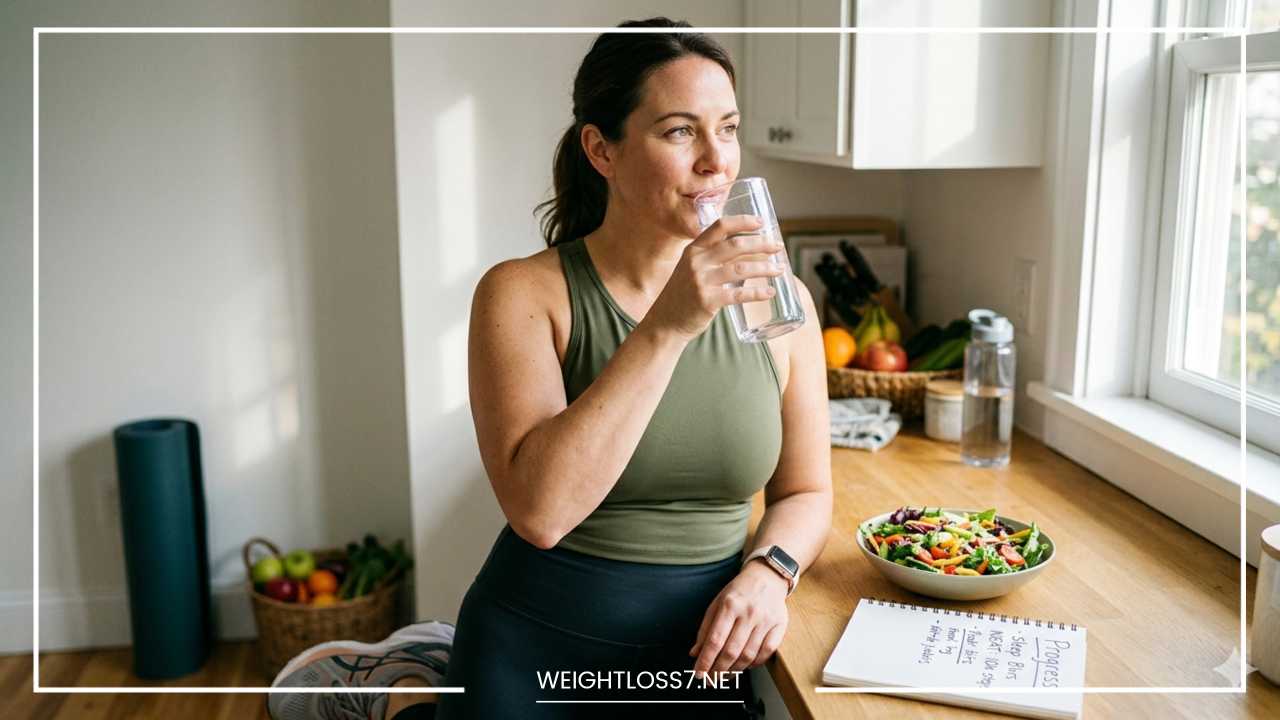
Often overlooked, proper hydration is a cornerstone of effective weight loss. It’s a simple change that can have a huge impact. For starters, drinking a glass of water before a meal can help you feel fuller, which naturally leads to eating less. This simple habit is a great way to curb your appetite without any effort.
Dehydration can also slow down your metabolism. When your body is not properly hydrated, it can’t perform at its peak, and this includes the processes that burn calories. Fatigue is another common symptom of dehydration. Sometimes, what you think is hunger is actually your body’s signal that it needs water. Before you reach for a snack, try drinking a glass of water and waiting a few minutes. You might find that your craving disappears.
Making sure you drink enough water throughout the day can be challenging. A great tip is to carry a reusable water bottle with you everywhere you go. If plain water isn’t your thing, try adding flavor with slices of lemon, lime, cucumber, or a few berries. Setting reminders on your phone or computer to take a drink can also be a helpful tool. Finally, be mindful of the calories in sugary drinks like sodas, juices, and sweetened coffees. These can contain hundreds of empty calories that don’t satisfy your hunger and can quickly sabotage your weight loss efforts. Swapping them out for water is an easy win.
Incorporating Physical Activity into a Busy Schedule
Finding time for a full-blown workout can be tough, but you don’t need to spend an hour at the gym to get results. The key is to incorporate short bursts of activity into your day. High-Intensity Interval Training (HIIT) is perfect for this. It involves short, intense bursts of exercise followed by brief recovery periods, and a 15-minute session can be as effective as a much longer, steady-state workout. You can find countless free HIIT videos online that require no special equipment and can be done at home.
You can also sneak in activity throughout your day. Take the stairs instead of the elevator, park farther away from the entrance at the grocery store, or use your lunch break for a brisk walk. If you have a desk job, consider a standing desk or set a timer to stand up and stretch every hour. You can even do simple exercises at your desk, like calf raises or leg lifts.
Don’t forget to leverage your commute or weekends. If you take public transportation, consider getting off a stop or two early and walking the rest of the way. If you have a free weekend, schedule a longer walk, a hike, or a bike ride with a friend. The goal isn’t to become a professional athlete; it’s to move your body consistently. Even small amounts of physical activity add up and can significantly boost your metabolism and mood.
Sleep and Stress Management
It might sound counterintuitive, but your sleep and stress levels have a massive impact on your weight. When you don’t get enough sleep, your body produces more ghrelin, the hormone that makes you feel hungry, and less leptin, the hormone that tells you you’re full. This hormonal imbalance can lead to increased cravings for high-calorie foods and overeating.
Establishing a bedtime routine is crucial. This means going to bed and waking up at a similar time each day, even on weekends. Creating a sleep-friendly environment by making your room dark, quiet, and cool can also help. Avoid screens (phones, tablets, TV) for at least an hour before bed, as the blue light can disrupt your body’s natural sleep cycle.
Stress is another major factor. When you’re stressed, your body releases cortisol, a hormone that can increase your appetite and encourage your body to store fat, especially around the midsection. Finding quick ways to manage stress is vital. Try deep breathing exercises—inhale slowly for four counts, hold for four, and exhale for six. Even a few minutes of this can calm your nervous system. Mindfulness and short meditation sessions can also help you feel more centered and less likely to turn to food for comfort.
Meal Planning and Preparation Tips
When you’re busy, the last thing you want to do is figure out what to cook after a long day. This is where meal planning and preparation become your secret weapon. Taking a little time on the weekend can save you hours during the week and prevent you from grabbing unhealthy takeout.
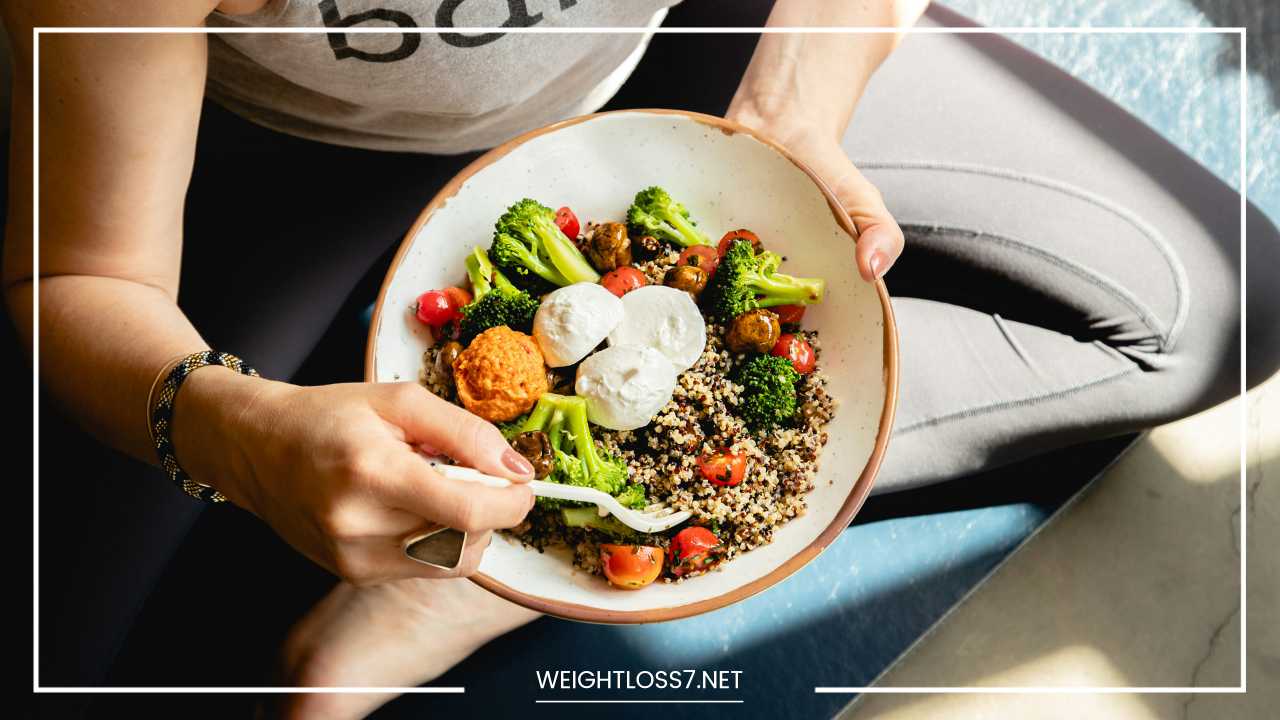
Batch cooking is a game-changer. You can cook large quantities of staples like grains and vegetables and store them in the fridge or freezer. This way, you have ingredients ready to go for quick meals. Think about making a large pot of a hearty soup, a big batch of quinoa, or roasting a sheet pan of vegetables. These can be used throughout the week in different combinations.
Look for simple recipes that require minimal prep and few ingredients. One-pan or one-pot meals are excellent for this. You can throw everything together and let it cook, which means less cleanup. Don’t be afraid to use leftovers creatively. Leftover roasted vegetables can be added to a salad or a wrap, and leftover grains can be the base for a quick stir-fry. Setting aside a specific time, even just an hour, on a Sunday to get a head start on your meal prep can make all the difference.
Smart Grocery Shopping
A successful weight loss journey often starts in the grocery store. Walking in without a plan is a recipe for impulse buys and unhealthy food choices. To stay on track, always go with a detailed shopping list. This will help you stick to your plan and avoid aisles with tempting, high-calorie snacks.
Focus on buying whole foods over processed options. This means choosing fresh fruits and vegetables, whole grains, and healthy fats. Whole foods are generally more nutrient-dense and satisfying than their processed counterparts. It’s also important to read nutrition labels. Don’t be fooled by marketing claims on the front of the package. Look at the ingredients list and the nutritional information for hidden sugars, unhealthy fats, and sodium.
Finally, keep your pantry stocked with versatile staples like oats, lentils, dried beans, canned tomatoes, and a variety of spices. Having these on hand means you can always whip up a quick, healthy meal without having to make an emergency run to the store. A well-stocked pantry is the foundation of healthy eating, especially when your schedule is unpredictable.
Avoiding Common Pitfalls
Even with the best intentions, it’s easy to fall into old habits. Recognizing and addressing these common pitfalls is a crucial part of the process. Emotional or boredom eating is a big one. Pay attention to your eating patterns. Are you eating because you’re truly hungry, or are you just sitting in front of the TV with a bag of chips because you’re bored? Finding non-food ways to deal with your emotions, like calling a friend or listening to music, can help break this cycle.
Managing social situations can also be tricky. Instead of avoiding social gatherings, learn to navigate them mindfully. Eat a small, healthy snack before you go so you aren’t starving. At the event, choose smaller portions and focus on enjoying the conversation rather than the food.
Finally, remember that setbacks are a normal part of the journey. Don’t let one bad day or one unhealthy meal derail your progress. The key is to stay motivated despite setbacks. Forgive yourself and get back on track with your next meal or activity. Setting achievable goals is also important. Instead of aiming to lose 20 pounds in a month, focus on a smaller, more manageable goal, like losing a pound a week or walking 15 minutes a day. Tracking your progress, no matter how small, can give you the encouragement you need to keep going.
Leveraging Technology for Weight Loss
In today’s world, technology can be a powerful ally in your weight loss efforts. Instead of letting it be a distraction, use it to your advantage. Many apps for tracking food and exercise can help you become more aware of what you’re eating and how much you’re moving. You don’t have to track every meal forever, but even a few days can provide valuable insights.
You can also find an endless supply of quick workout videos online on platforms like YouTube. Whether you have 10, 20, or 30 minutes, there’s a workout for you. These can be done at home with no equipment, making them perfect for a busy schedule. Setting hydration and movement reminders on your phone is another simple way to stay on track throughout the day.
Finally, joining online support groups or challenges can provide a sense of community and accountability. Connecting with others who share similar goals can provide motivation and encouragement, especially on days when you feel like giving up.
Final Thoughts: Making Sustainable Changes
Losing weight and keeping it off isn’t about extreme diets or punishing workout routines. It’s about making small, manageable lifestyle adjustments that you can stick with for the long term. The quick tips in this article aren’t meant to be done all at once, but rather to be adopted one by one, as they fit into your life.
Celebrate every bit of progress, no matter how small. Did you drink a glass of water before dinner today? That’s a win. Did you take the stairs instead of the elevator? That’s a win. Progress, not perfection, is the goal. By focusing on building consistent, healthy habits, you’ll not only lose weight but also improve your overall health and well-being. This is a journey toward a healthier you, and every step, no matter how small, moves you closer to your goal.