Effective Ways to Help You Lose Weight


Effective Ways to Help You Lose Weight
Achieving and maintaining a healthy weight is a goal for many people, but it’s more than just a number on a scale. It’s about building a foundation for overall well-being, improving your energy levels, and reducing the risk of a wide range of health issues. While the journey can present challenges, understanding the core principles and adopting a sustainable, balanced approach can lead to lasting success.
Weight loss is not about quick fixes or extreme measures; it’s a commitment to long-term health. The benefits extend far beyond appearance, including improved sleep, increased mobility, better mood, and a lower risk of chronic conditions like heart disease and type 2 diabetes. However, many people face common obstacles like a lack of time, misinformation, and the emotional toll of fluctuating weight. By focusing on fundamental habits rather than fleeting trends, you can overcome these hurdles and create a healthier life.
Understanding Weight Loss Basics
At its core, weight loss boils down to a simple concept: energy balance. Your body requires a certain amount of energy, measured in calories, to function. This energy comes from the foods and drinks you consume. When you take in more calories than your body uses for fuel, the excess energy is stored as body fat, leading to weight gain. Conversely, when you use more calories than you consume, your body taps into its stored fat for energy, resulting in weight loss. This is often referred to as “calories in vs. calories out.”
While the concept is straightforward, the process is far more complex due to individual factors. Your metabolism—the rate at which your body burns calories—plays a significant role. Metabolism is influenced by age, genetics, body composition (muscle mass burns more calories than fat), and activity level. This is why two people with similar diets and exercise routines might have different results. A person with a naturally faster metabolism will burn more calories at rest, making it easier to lose weight.
Beyond diet and exercise, your lifestyle has a profound impact on your weight. Stress can trigger hormonal changes that lead to increased fat storage, especially around the midsection, and can promote emotional eating. Sleep quality is also crucial, as a lack of sleep can disrupt the hormones that regulate hunger and satiety, making you feel hungrier and less satisfied after a meal. Finally, your overall activity level, including both structured exercise and daily movement, directly impacts the “calories out” side of the equation.
Balanced Nutrition for Weight Loss
While calories matter, the quality of those calories is what truly fuels your body and supports sustainable weight loss. Focusing on nutrient-dense, whole foods provides the vitamins, minerals, and other compounds your body needs while promoting a feeling of fullness.
One of the most effective strategies is to build your meals around whole foods. This includes a variety of fruits and vegetables, which are typically low in calories and high in essential nutrients. Whole grains like oats, brown rice, and quinoa provide sustained energy and a host of benefits. Legumes such as beans, lentils, and chickpeas are excellent sources of protein and fiber. Nuts and seeds offer healthy fats and a satisfying crunch. Incorporating a wide array of these foods ensures you get a broad spectrum of nutrients, which can help prevent cravings and nutritional deficiencies.
Fiber is a powerful ally in your weight loss journey. Found in fruits, vegetables, whole grains, and legumes, fiber adds bulk to your food and slows down digestion. This helps you feel fuller for longer, which can prevent overeating and snacking between meals. When you consume enough fiber, you’re less likely to feel deprived, making it easier to stick to your goals.
Don’t be afraid of healthy fats. While some diets suggest cutting all fat, healthy fats are crucial for hormone function and overall health. Sources like avocados, nuts, seeds, and olive oil can help you feel full and satisfied. These fats are digested slowly, which can stabilize blood sugar and prevent the energy crashes that often lead to cravings for less healthy foods.
Finally, staying hydrated is a simple yet powerful tool. Drinking plenty of water throughout the day can boost your metabolism and help manage your appetite. Sometimes, your body confuses thirst for hunger. Reaching for a glass of water before you grab a snack can help you determine if you’re truly hungry or just in need of a drink.
Portion Control and Mindful Eating
When you’re trying to lose weight, it’s not just about what you eat, but also how much and how you eat. Portion control and mindful eating are two key practices that can help you manage your caloric intake without feeling overly restricted.
The first step is to learn the difference between physical hunger and emotional cravings. Physical hunger develops gradually; it’s a biological need for fuel that can be satisfied by any food. Cravings, on the other hand, often appear suddenly and are specific to a certain food, like something salty or sweet. They are often triggered by emotions like stress, boredom, or sadness. By pausing to ask yourself, “Am I truly hungry, or am I seeking comfort?” you can begin to break the cycle of emotional eating.
Mindful eating is the practice of paying full attention to your food and the experience of eating. This means slowing down and savoring each bite. When you eat mindfully, you are more attuned to your body’s signals of fullness, which can prevent you from overeating. Try putting down your fork between bites, chewing slowly, and taking a moment to appreciate the flavors and textures. Eating without distractions, like turning off the TV or putting away your phone, can help you focus on the meal and enjoy it more fully.
When it comes to portion size, visual cues can be very helpful. Instead of serving food from large containers, try using smaller plates or bowls to make a moderate portion look more substantial. Fill half of your plate with vegetables, a quarter with whole grains, and a quarter with protein sources. This visual guide can help ensure you’re getting a balanced meal without the need for strict calorie counting. For snacks, pre-portioning them into smaller containers can prevent you from mindlessly eating straight from the bag.
Physical Activity and Movement
Exercise is a critical component of any weight loss plan. It not only burns calories but also builds muscle, boosts metabolism, and improves your mood. A well-rounded physical activity routine includes a mix of different types of movement.
Cardiovascular exercise (cardio) is excellent for burning calories and improving heart health. Activities like brisk walking, jogging, cycling, and swimming get your heart rate up and can help you create a caloric deficit. You don’t have to start with an intense workout; even a 30-minute brisk walk a few times a week can make a significant difference.
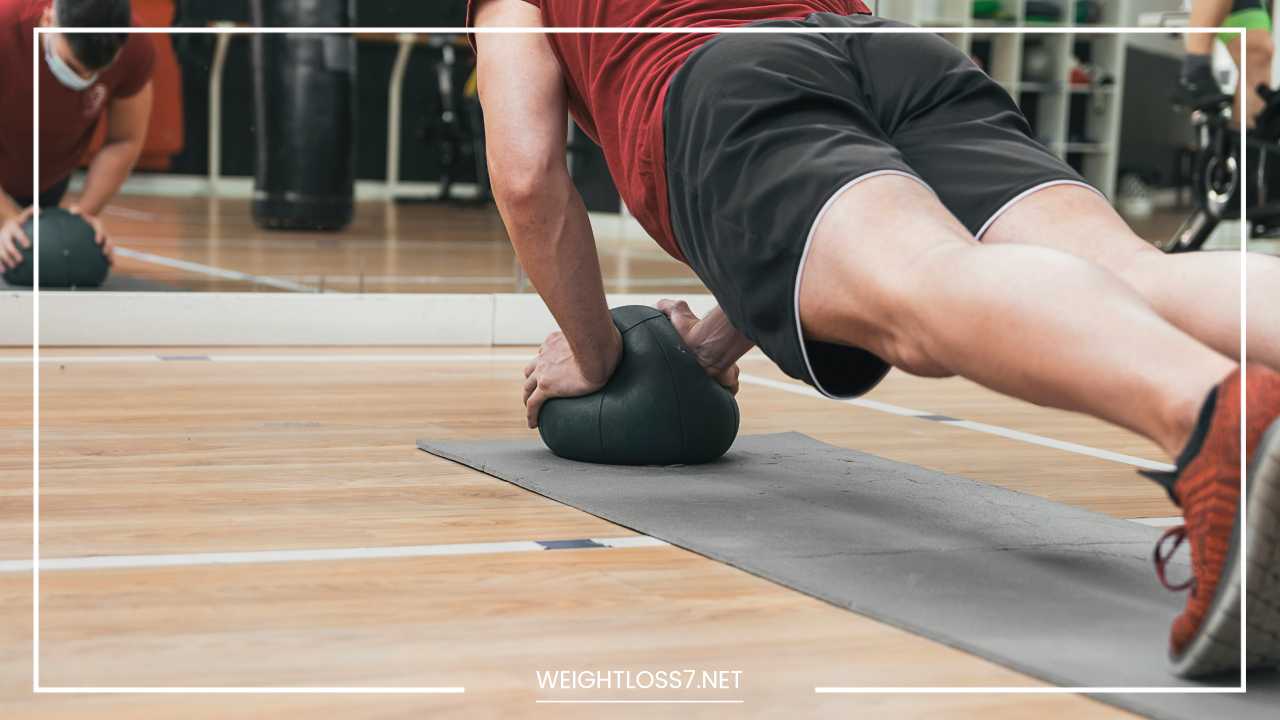
Strength training is equally important. Building muscle is one of the most effective ways to increase your metabolism. Muscle tissue burns more calories at rest than fat tissue, so the more muscle you have, the more energy your body uses throughout the day. This can be done with weights, resistance bands, or even your own body weight through exercises like squats, push-ups, and lunges.
Finally, incorporating flexibility and balance exercises, like yoga or stretching, can help prevent injury and improve your range of motion, making it easier to perform other types of physical activity.
Beyond structured workouts, increasing your daily movement, known as Non-Exercise Activity Thermogenesis (NEAT), is a powerful way to burn extra calories. This includes all the small movements you make throughout the day—taking the stairs instead of the elevator, walking while on the phone, or doing chores around the house. These small bursts of activity add up over time and contribute significantly to your overall energy expenditure.
Behavior and Lifestyle Habits
The most successful weight loss journeys are not just about diet and exercise; they are about changing your mindset and building sustainable habits. This is where many people falter, so focusing on behavior is key.
Consistency over perfection is a crucial mantra. It’s unrealistic to expect flawless eating and exercise every single day. There will be days when you eat a large meal or miss a workout. What matters is how you respond. Instead of giving up entirely, acknowledge the setback and get back on track with your next meal or workout. This mindset prevents small deviations from derailing your entire effort.
Set realistic and achievable goals. A goal of losing 1 to 2 pounds per week is a healthy and sustainable rate. Focus on process goals, like “I will walk for 30 minutes four times this week” or “I will add a serving of vegetables to my lunch every day.” These are more manageable and provide a sense of accomplishment, which can boost your motivation.
Tracking progress without obsession is also important. This could mean weighing yourself once a week, taking body measurements, or simply noticing how your clothes fit. The number on the scale can fluctuate due to water retention and other factors, so relying on multiple methods can give you a more accurate picture of your progress. A food journal can also be a helpful tool to identify patterns, such as the link between your mood and what you eat.
Finally, learning to manage emotional eating and stress is a lifelong skill. When you feel the urge to eat due to stress, boredom, or sadness, try to find a different coping mechanism. Go for a short walk, call a friend, listen to music, or practice deep breathing. By building a healthier relationship with food and your emotions, you can take control of your habits.
Sleep and Weight Loss
The connection between quality sleep and weight management is often underestimated. When you don’t get enough sleep, it directly affects the hormones that regulate your appetite. Your body produces more ghrelin, the “hunger hormone,” and less leptin, the “satiety hormone.” This hormonal imbalance can make you feel hungrier and less satisfied, leading to increased calorie intake and cravings for high-carbohydrate, high-sugar foods.
Poor sleep also increases cortisol, the stress hormone, which can lead to increased fat storage, particularly in the abdominal area. Additionally, a lack of sleep leaves you feeling tired and less motivated to be physically active.
To improve your sleep hygiene, aim for 7-9 hours of sleep per night. Establish a consistent sleep schedule by going to bed and waking up at the same time each day, even on weekends. Create a relaxing bedtime routine, such as reading a book or taking a warm bath, and make your bedroom a calm and dark environment. Avoid screens and caffeine close to bedtime. Prioritizing sleep is a simple, effective way to support your weight loss efforts.
Managing Stress for Better Weight Control
Stress is a normal part of life, but chronic stress can have a significant impact on your body and your weight. When you’re stressed, your body releases cortisol. While a short-term release is beneficial, chronically elevated cortisol levels can lead to increased appetite and a greater tendency to store fat. Stress can also trigger emotional eating, as many people turn to food for comfort.
Learning effective stress reduction techniques can help you manage your weight. Simple practices like meditation, deep breathing exercises, or spending time in nature can help calm your nervous system and lower cortisol levels. Engaging in hobbies you enjoy, such as gardening, painting, or listening to music, can also be powerful stress relievers. Physical activity itself is a fantastic way to manage stress, as it releases endorphins that improve your mood and well-being. By proactively managing your stress, you can reduce its negative impact on your eating habits and your body.
Avoiding Common Pitfalls
The weight loss industry is filled with misinformation and promises of quick results. Avoiding common pitfalls is essential for a sustainable and successful journey.
Be wary of fad diets and quick fixes that promise rapid weight loss with minimal effort. These diets are often restrictive, nutritionally unbalanced, and difficult to maintain long-term. While they might lead to initial weight loss, much of it is often water weight, and the restrictive nature can lead to rebound weight gain.
Another common pitfall is over-restricting, which can lead to burnout and even bingeing. When you deprive yourself of certain foods or entire food groups, your body may eventually rebel, leading to a loss of control and an unhealthy relationship with food. A more effective approach is to focus on a balanced, flexible eating plan that allows for all foods in moderation.
The key to long-term success is sustainability. A diet you can’t stick to for more than a few weeks is not an effective plan. Focus on creating a lifestyle you can maintain happily and healthfully for years to come.
Seeking Support and Professional Guidance
While this information can provide a strong foundation, there may be times when you need extra support. If you have significant health concerns, are struggling to lose weight on your own, or have a history of disordered eating, it is wise to consult with a healthcare professional or a registered dietitian. They can help you create a personalized plan that is safe and effective for your specific needs.
Additionally, finding a community or social support can be incredibly motivating. This could be a friend, family member, or a support group. Having someone to share your successes and challenges with can provide encouragement and accountability, making the journey feel less lonely.
Final Thoughts
Losing weight is a personal journey that requires patience, self-compassion, and a balanced approach. It’s not about perfection but about progress and building a healthier relationship with your body. By understanding the basics of energy balance, focusing on whole, nutritious foods, and making physical activity and stress management a regular part of your life, you can achieve lasting results. Remember to set realistic goals, celebrate your progress, and be kind to yourself along the way. Your journey to a healthier you is a marathon, not a sprint, and every positive step you take makes a difference.