How Can You Lose Weight in a Month?


How Can You Lose Weight in a Month? | Effective 30-Day Weight Loss Tips
In a world filled with quick fixes and drastic transformations, it’s easy to feel overwhelmed by the pressure to achieve instant results. When it comes to weight loss, the idea of shedding pounds in a month can seem like a daunting, and sometimes impossible, task. But what if a month was less about a radical overhaul and more about a powerful kickstart? A thirty-day window is a perfect timeframe to build momentum, establish healthy habits, and see real, tangible progress. It’s enough time to notice a difference in how your clothes fit and how you feel, without the extreme measures that lead to burnout and frustration.
This guide is designed to help you navigate the journey of healthy weight loss in a month. Instead of focusing on restrictive plans or demanding a total life reversal, we’ll explore sustainable strategies that are suitable for everyone, regardless of their specific dietary preferences. The goal is not just to see a lower number on the scale, but to create a foundation for lasting change. By the end of these thirty days, you’ll not only have a better understanding of what your body needs, but you’ll also feel more energized, confident, and in control of your health. It’s about making smart, manageable choices that add up over time, proving that a month is a reasonable and rewarding period to invest in yourself.
Set Realistic and Healthy Goals
Before you start, it’s crucial to set expectations that are both healthy and achievable. While some people dream of losing a significant amount of weight in a short time, a healthy and sustainable rate of weight loss is typically one to two pounds per week. This might not sound like a lot, but it adds up to four to eight pounds over a month—a significant and noticeable change. Losing weight at this pace helps protect your muscle mass and reduces the risk of rebound weight gain, which often happens with more extreme methods.
Your body is a complex system, and a one-size-fits-all approach to weight loss simply doesn’t work. Factors like body composition, metabolism, and genetics all play a significant role in how your body responds to changes in diet and exercise. For example, two people can follow the exact same plan and see different results because their bodies burn energy at different rates. Don’t compare your journey to anyone else’s; focus on your own progress and celebrate every step you take.
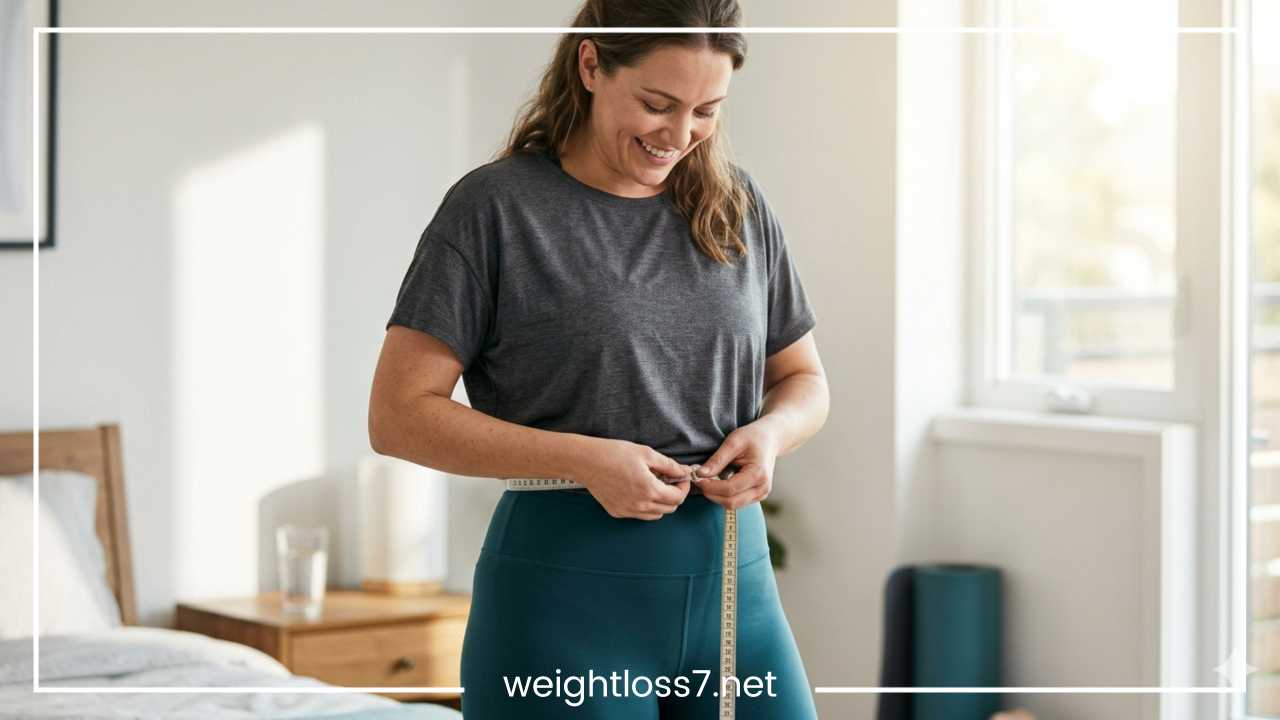
Furthermore, the number on the scale is only one piece of the puzzle, and it can be a deceptive one. Daily fluctuations in water weight, hormonal cycles, and even the time of day can cause the number to jump up and down, which can be discouraging. Instead of fixating on the scale, measure your progress in a more holistic way. Pay attention to how your clothes feel—are your jeans getting looser? Notice your energy levels—do you have more stamina for everyday tasks? Take body measurements—are your waist and hips shrinking? These non-scale victories are often a more accurate and motivating indicator of true progress. A month is a great time to start seeing these changes, building confidence that will carry you far beyond the thirty-day mark.
Understand Calories and Energy Balance
At its core, weight loss is governed by a fundamental principle: energy balance. This is the relationship between the calories you consume (energy in) and the calories your body uses for daily activities (energy out). To lose weight, you must create a calorie deficit, meaning you burn more calories than you take in. Think of it like a bank account. If you spend more than you earn, your savings decrease. Similarly, if your body uses more energy than you provide through food, it will start to tap into its stored energy—your fat reserves.
To create this deficit, you first need a rough idea of your daily calorie needs. This is often referred to as your Total Daily Energy Expenditure (TDEE). While calculating this precisely can be complex, a simple way to estimate it is to use an online calculator that considers your age, gender, height, weight, and activity level. This gives you a baseline number of calories required to maintain your current weight. From there, the goal is to safely and consistently eat fewer calories than your body needs to maintain its weight.
A safe and effective way to do this is to aim for a daily deficit of around 500 calories. This deficit is large enough to produce a loss of about one pound per week (since a pound of fat is roughly 3,500 calories) but small enough to be manageable and prevent feelings of deprivation. For example, if your maintenance calories are 2,200, a daily target of 1,700 calories would create this deficit. It’s important to note that this is a general guideline, and you should always listen to your body and adjust as needed.
Crucially, avoid under-eating. Severely restricting your calories can be counterproductive. When your body senses starvation, it can slow down your metabolism to conserve energy, making it harder to lose weight. It can also lead to nutrient deficiencies, muscle loss, and a host of other health problems. A sustainable approach focuses on nourishing your body with nutrient-dense foods, ensuring you have the energy you need to feel good and stay active, while still creating the necessary calorie deficit for weight loss.
Build a Balanced, Portion-Controlled Diet
When you’re trying to lose weight, what you eat is just as important as how much you eat. The most effective approach isn’t about following a rigid diet plan, but about building a foundation of healthy, whole foods. Focus on incorporating plenty of vegetables, fruits, whole grains, legumes, and healthy fats into your meals. These foods are packed with vitamins, minerals, and fiber, which helps you feel full and satisfied without a high number of calories. Vegetables, in particular, are your best friends in a weight loss journey—they are low in calories and high in volume, so you can eat a large portion and feel satiated.
Learning to control portions is a key skill that doesn’t require meticulous counting or measuring. Instead, you can use simple visual cues. A good rule of thumb is to fill half your plate with vegetables, a quarter with whole grains or starchy vegetables, and the final quarter with a protein source. This simple plate model ensures you get a balanced mix of nutrients at every meal. Instead of thinking of foods as “good” or “bad,” think about their density. Foods high in water and fiber, like most fruits and vegetables, are less calorie-dense than foods high in fat or sugar. By prioritizing these foods, you can eat a satisfying amount while naturally lowering your calorie intake.
Another powerful strategy is to reduce your intake of sugar, ultra-processed snacks, and sugary drinks. These items are often calorie-dense but lack nutritional value, making it easy to consume a lot of calories without feeling full. Swapping a can of soda for a glass of water, or a bag of chips for an apple, can significantly reduce your daily calorie count without leaving you hungry. This is where hydration plays a major role. Sometimes, what we perceive as hunger is actually thirst. Drinking a glass of water before a meal can help you feel fuller, and staying hydrated throughout the day supports your metabolism and overall health.
Finally, practice mindful eating. This means paying attention to your food and your body’s signals. Chew your food slowly and savor each bite. When you eat mindfully, you give your brain time to register that you’re full, which can prevent you from overeating. Avoid distractions like television or your phone while eating. When you are fully present with your meal, you’ll be more likely to notice when you’ve had enough and feel more satisfied with your food.
Create a Realistic Exercise Routine
While diet is the primary driver of weight loss, movement is a powerful and essential partner. Exercise helps you burn calories, but its benefits go far beyond that. Regular physical activity builds and maintains muscle, boosts your metabolism, improves your mood, and increases your overall energy levels. You don’t need to spend hours in the gym to make a difference; the key is to find activities you enjoy and can stick with.
For those starting out, cardiovascular activity is a great place to begin. This includes activities that get your heart rate up, such as brisk walking, cycling, dancing, or jogging. Aim for at least 150 minutes of moderate-intensity cardio per week, which can be broken down into smaller, manageable sessions, such as a 30-minute walk five days a week. The beauty of cardio is its flexibility—you can do it outdoors, at home, or in a gym. Just starting with a daily walk is a huge win and will build a foundation of consistency.
In addition to cardio, incorporate resistance training or bodyweight exercises into your routine. This is vital for retaining muscle mass while you lose weight. When you lose weight, you can lose both fat and muscle. Since muscle burns more calories at rest than fat, maintaining it is crucial for keeping your metabolism high. You don’t need fancy equipment to build strength; simple exercises like squats, lunges, push-ups, and planks can be done anywhere. A combination of cardio and strength training is the most effective approach for improving body composition and achieving a toned, fit look.
If you’re a beginner or have a busy schedule, remember to start small and build consistency. Don’t try to do too much, too soon. A schedule that you can follow consistently for thirty days is far more effective than a plan that is so demanding you quit after a week. Begin with a simple goal, like walking for ten minutes every day, and gradually increase the duration or intensity. This incremental approach builds confidence and makes the new habit feel less like a chore and more like a natural part of your day.
Improve Lifestyle Habits
Weight loss isn’t just about what you eat and how you move; it’s also deeply tied to your daily lifestyle habits. Two of the most critical, yet often overlooked, factors are sleep and stress.
Sleep plays a direct and powerful role in your body’s ability to lose weight. When you’re sleep-deprived, your body’s hormone levels get out of whack. The hormone ghrelin, often called the “hunger hormone,” increases, making you feel more hungry. At the same time, leptin, the hormone that signals fullness, decreases. This double whammy can lead to intense cravings and a greater likelihood of overeating, particularly for high-calorie, sugary foods. Aim for seven to nine hours of quality sleep per night. Creating a consistent sleep schedule and a relaxing bedtime routine can make a huge difference in your progress.
Similarly, stress management is essential. When you’re under chronic stress, your body releases a hormone called cortisol. While a short-term spike in cortisol is normal and harmless, a constant elevation can lead to increased appetite and a tendency to store fat, particularly around the abdominal area. Finding healthy ways to manage stress—such as meditation, deep breathing exercises, walking in nature, or engaging in a hobby you love—can help regulate your cortisol levels and support your weight loss efforts.
Beyond the gym, the amount of movement you get throughout your day also makes a big impact. This is often referred to as Non-Exercise Activity Thermogenesis (NEAT). Little changes add up: taking the stairs instead of the elevator, parking farther away from the store, standing up while you take a phone call, or simply walking more throughout your workday. These small, daily movements burn extra calories and keep your metabolism active. Making an effort to be more active in your daily life can contribute significantly to your overall energy expenditure without feeling like a formal workout.
Stay Consistent and Track Progress
The thirty-day mark is a great goal, but the real power comes from the habits you build along the way. To stay on track, it’s vital to find ways to track your progress and remain accountable. The scale, as mentioned, is just one tool. Consider taking progress photos once a week or every two weeks. Seeing your body change over time can be incredibly motivating. Another great method is to take body measurements of your waist, hips, and arms. Sometimes, even if the number on the scale hasn’t changed, you’ll notice a reduction in inches, which is a clear sign that you’re losing fat and gaining muscle.
Also, focus on non-scale victories. These are the small, positive changes that indicate you’re on the right path. Did you have more energy to play with your kids? Did you walk up the stairs without getting out of breath? Do your clothes fit more comfortably? Did you successfully resist the temptation of a sugary treat? Journaling these successes can reinforce the positive changes you’re making and remind you that your efforts are paying off in countless ways beyond a number on a scale.
Accountability is a powerful motivator. Consider using a journal or a tracking app to log your food, exercise, and sleep. This isn’t about judgment; it’s about awareness. Simply seeing where your calories are coming from can be enlightening. Another great option is to find a buddy system. Share your goals with a friend or family member who is also on a health journey. Checking in with each other can provide mutual support and keep you both motivated, especially on days when you feel like giving up.
Ultimately, weight loss requires more discipline than motivation. Motivation is an emotion that comes and goes. Discipline, on the other hand, is the ability to do what needs to be done, even when you don’t feel like it. On days when you’re tired or stressed, rely on your established habits. Show up for that walk, choose the healthy meal, and get to bed on time. Consistency is the secret ingredient that transforms small efforts into remarkable results over time.
Common Mistakes to Avoid
As you embark on your thirty-day journey, be aware of common pitfalls that can derail your progress. Avoiding these mistakes will make your journey smoother and more successful.
First, resist the temptation of crash dieting or starving yourself. While this may lead to rapid weight loss initially, it’s mostly water and muscle, not fat. This approach is unsustainable, harmful to your metabolism, and often leads to rebound weight gain once you can no longer tolerate the extreme restrictions. Remember, your goal is to fuel your body, not to deprive it.
Second, don’t fall into the trap of obsessive scale-checking. As we’ve discussed, the number on the scale can fluctuate daily for many reasons. Weighing yourself every day can cause unnecessary stress and frustration. Instead, aim to weigh yourself once a week, at the same time and under the same conditions (e.g., first thing in the morning after using the restroom). This provides a more accurate trend over time.
Third, avoid cutting out entire food groups unnecessarily. Unless you have a specific health condition or an intolerance, there’s no need to eliminate whole categories of food. A balanced diet that includes a variety of foods is the best way to ensure you get all the nutrients your body needs to function optimally. Restriction often leads to cravings and bingeing.
Finally, be wary of all-or-nothing thinking. This mindset can be incredibly damaging. If you have a day where you eat an extra cookie or skip a workout, don’t throw in the towel and declare the entire day, week, or month a failure. One meal or one missed workout will not ruin your progress. The key is to acknowledge the slip, learn from it, and get right back on track with your next meal or next opportunity to move. Flexibility and forgiveness are essential components of a successful long-term plan.
Final Thoughts and Encouragement
As you stand at the beginning of your thirty-day journey, remember that weight loss is a marathon, not a sprint. This month is a valuable opportunity to kickstart a healthier lifestyle, but the most significant changes will happen over time. The habits you build in these four weeks—the conscious choices, the small victories, and the daily commitment—are what will lead to lasting results.
Focus on how you feel, not just how you look. As you make healthier choices, you’ll likely notice an increase in your energy, better sleep, improved mood, and a newfound sense of confidence. These internal changes are just as important as the external ones. Your goal should be to feel more vibrant and alive, and the changes to your body are a natural byproduct of that.
Finally, and most importantly, celebrate your small wins. Did you choose an apple over a sugary snack? That’s a win. Did you walk for fifteen minutes instead of sitting on the couch? That’s a win. Did you drink a full glass of water when you felt hungry? That’s a win. Acknowledge these moments and give yourself credit for them. They may seem small on their own, but they are the building blocks of real, transformative change. Thirty days is enough time to prove to yourself that you are capable of making a change, and the momentum you build will carry you forward on a journey toward a healthier, happier you.