What Will Help Me Lose Weight?


What Will Help Me Lose Weight? | Effective Weight Loss Tips & Strategies
It’s a question that millions of people ask themselves every single day. You might feel like you’ve tried everything, from the latest fad diets to intense workout programs, only to end up right where you started. The journey can feel overwhelming and frustrating, often leaving you to wonder if sustainable weight loss is even possible.
The good news is that it absolutely is. The weight loss journey doesn’t have to be a confusing, all-or-nothing struggle. The secret lies not in extreme measures or quick fixes, but in a a more realistic and compassionate approach. This article will provide you with a comprehensive guide to understanding weight loss, offering practical, accessible advice that focuses on building lifelong habits rather than following a short-term plan. This is an inclusive approach that provides universal principles for everyone, regardless of their background.
Understanding Weight Loss: How It Actually Works
At its core, weight loss boils down to a fundamental principle: energy balance. Your body is constantly using energy for everything you do, from breathing and thinking to walking and exercising. This energy is measured in calories. You consume calories through food and drinks, and you burn them through daily activity.
To lose weight, you need to create a calorie deficit, meaning you consume fewer calories than your body burns. When this happens, your body turns to its stored energy—the fat on your body—to make up the difference. This simple equation is the foundation of all weight loss, and it’s why you hear so much about it.
However, it’s not just about a simple math problem. Everyone’s body is different. Your metabolism, which is the rate at which your body burns calories, can be influenced by factors like your age, genetics, and body composition. For instance, a person with more muscle mass will have a faster metabolism than someone with more body fat, because muscle tissue burns more calories at rest.
There are many misconceptions about how weight loss works. Some people believe that “starving” themselves is the answer, but this can actually slow down your metabolism as your body goes into survival mode, making future weight loss harder. Others think that only intense, hours-long gym sessions will work. While exercise is incredibly beneficial, it’s only one part of the equation. Sustainable weight loss is about finding a balance between the energy you consume and the energy you use, in a way that is healthy and manageable for you.
Daily Habits That Make a Big Impact
While the concept of energy balance is simple, putting it into practice requires consistent, daily habits. It’s the small, seemingly insignificant choices you make day after day that add up to significant results over time.
One of the most powerful habits is mindful eating. In today’s fast-paced world, many of us eat while distracted—in front of the TV, scrolling on our phones, or while working. Mindful eating is about slowing down and paying attention to your food. Take the time to savor each bite, notice the flavors and textures, and, most importantly, listen to your body’s fullness cues. When you eat mindfully, you’re more likely to recognize when you’re satisfied, which helps prevent overeating.
Building a daily routine can also provide a framework that supports your weight loss goals. This might involve planning your meals in advance so you’re less likely to grab a convenient but unhealthy option, or scheduling time for a walk each evening. The structure of a routine reduces decision fatigue and makes healthy choices feel automatic rather than a constant effort.
Another simple but effective habit is to drink more water. Often, our bodies mistake thirst for hunger. Drinking a glass of water before a meal can help you feel fuller, and staying hydrated throughout the day can curb unnecessary snacking. Try replacing sugary drinks like soda or juice with water. Those extra calories can add up quickly without you even realizing it.
Finally, don’t underestimate the power of sleep and stress management. When you’re sleep-deprived, your body produces more of the stress hormone cortisol, which can increase your appetite and cravings for high-calorie foods. A lack of sleep also affects the hormones that regulate hunger and fullness. Similarly, chronic stress can lead to emotional eating as a way of coping. Finding healthy ways to manage stress, whether through meditation, gentle exercise, or a creative hobby, is crucial for both your mental well-being and your weight loss journey.
Movement Matters: Finding Ways to Stay Active
When most people think of weight loss and exercise, they imagine hitting the gym for an intense workout. While the gym can be a great tool, movement for weight loss is so much more. The goal is to simply incorporate more physical activity into your daily life.
The benefits of regular movement go far beyond just burning calories. It improves your mood, boosts your energy levels, strengthens your heart, and builds muscle, which in turn helps speed up your metabolism. You don’t need a gym membership or fancy equipment to get started. Walking is one of the most accessible and effective forms of exercise. A brisk daily walk can burn hundreds of calories and has a low risk of injury. Other activities like dancing, hiking, gardening, or even just doing some vigorous cleaning around the house count. The key is to find activities you genuinely enjoy, because that’s what will keep you consistent.
A concept that is often overlooked but incredibly powerful is NEAT (Non-Exercise Activity Thermogenesis). This refers to all the calories you burn from daily activities that are not formal exercise. This includes things like fidgeting, standing, walking to your car, or taking the stairs instead of the elevator. While each one of these actions might seem small, they can add up to a significant amount of calorie expenditure throughout the day. A great way to increase your NEAT is to stand more, take more steps, or find reasons to move around during the day, such as walking while on the phone.
When it comes to structured exercise, it’s helpful to understand the difference between strength training and cardiovascular exercise, or cardio. Cardio, such as running, swimming, or cycling, is excellent for your heart health and burns a lot of calories in the moment. Strength training, which involves using weights, resistance bands, or your own body weight, is crucial for building and preserving muscle mass. As we’ve discussed, more muscle means a faster metabolism. A balanced routine that includes both cardio and strength training is the most effective approach for overall health and sustainable weight loss.
Eating for Weight Loss Without a Strict “Diet”
Instead of thinking about a restrictive “diet” with a list of forbidden foods, think about a flexible, balanced approach to nutrition. The goal is to eat in a way that nourishes your body, keeps you feeling full and satisfied, and supports your energy needs.
A balanced meal includes a combination of key components. Fiber is essential, as it helps you feel full and promotes healthy digestion. You can find fiber in whole grains, fruits, vegetables, and legumes. Protein is also a powerful tool for weight management. It’s more satiating than carbohydrates or fats and helps preserve muscle mass while you’re losing weight. Good sources include beans, lentils, nuts, seeds, and certain plant-based options like tofu or tempeh. Healthy fats, found in avocados, nuts, and olive oil, are crucial for hormone function and nutrient absorption, and they also contribute to a feeling of fullness. Finally, complex carbohydrates, such as those in brown rice, quinoa, and sweet potatoes, provide a steady release of energy, preventing the blood sugar spikes and crashes that can lead to cravings.
One of the most effective strategies for managing your eating is portion control. You don’t have to meticulously count every calorie, but you should become more aware of how much you’re consuming. Using smaller plates and bowls, or simply serving yourself a little less, can make a huge difference.
Focusing on whole, minimally processed foods is one of the best things you can do for your health and weight. These foods, which are closer to their natural state, are typically higher in nutrients and fiber and lower in added sugar, salt, and unhealthy fats than their processed counterparts. Think of an apple versus apple juice, or brown rice versus a white-bread sandwich.
This doesn’t mean you can never enjoy your favorite foods. A key to sustainable weight loss is learning how to enjoy your favorite foods mindfully, without guilt. Depriving yourself completely of foods you love can often lead to intense cravings, which can then result in an “all-or-nothing” mentality where you give up entirely. Instead, enjoy a small portion of a treat on occasion and savor it. This balanced approach helps you maintain your lifestyle without feeling restricted.
Tracking Progress the Healthy Way
The scale can be a useful tool, but it should never be your only measure of success. Your weight can fluctuate daily due to a number of factors, including water retention, salt intake, and hormone cycles. Relying solely on the number on the scale can be discouraging and lead to a sense of failure even when you’re making real progress.
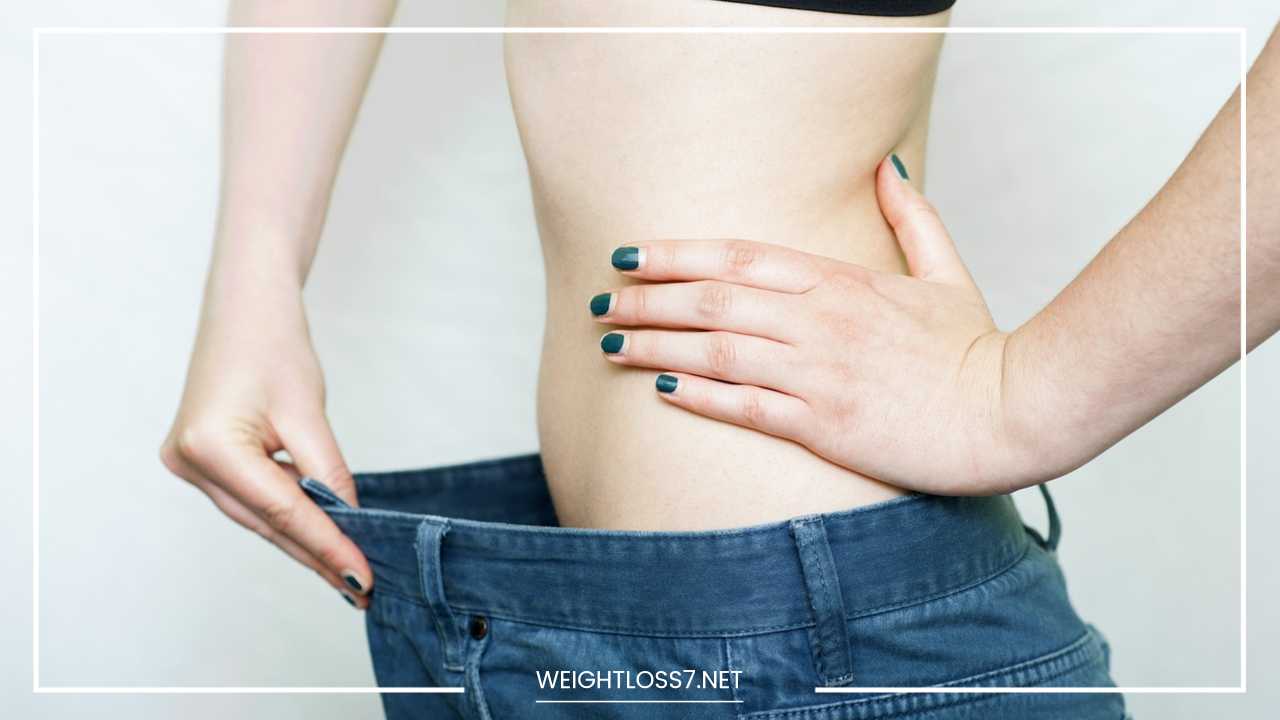
It’s important to look at other markers of progress that tell a more complete story. How do your clothes fit? Are they looser? Do you feel more energetic throughout the day? Is your mood better? Are you sleeping more soundly? Can you walk for a longer time or with more ease? These non-scale victories are often a better indicator of your overall health and the positive changes happening in your body.
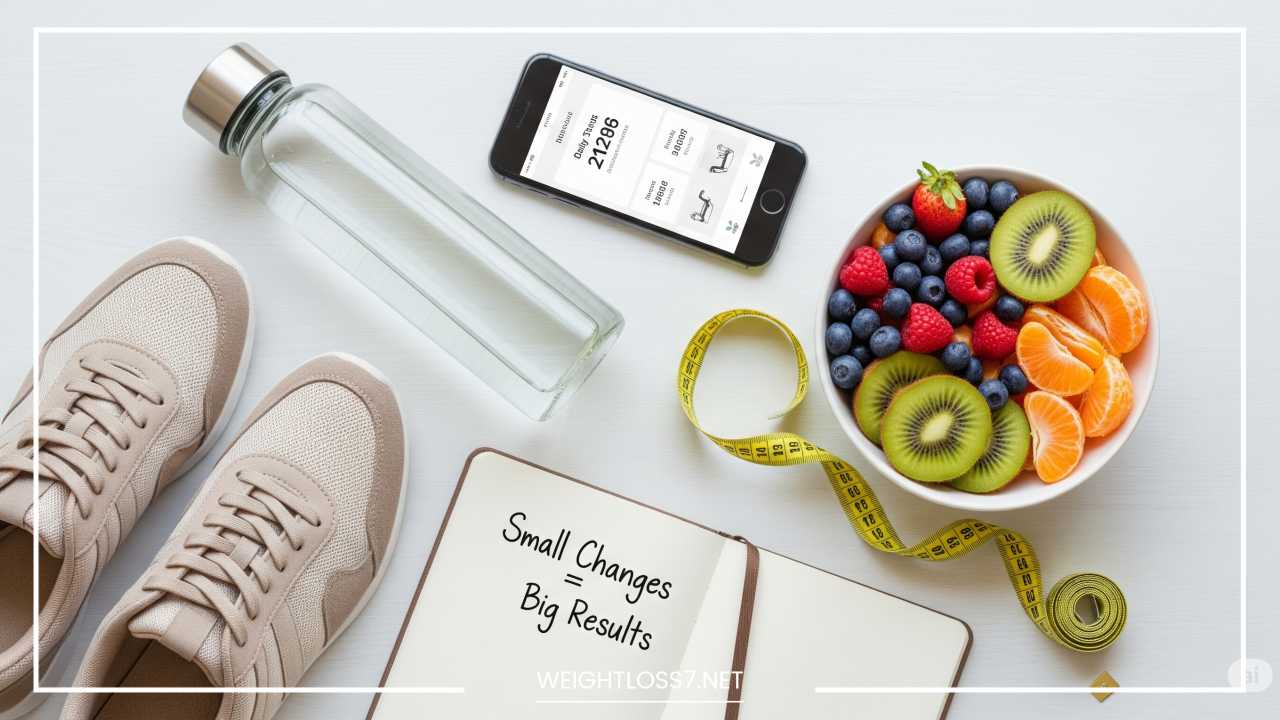
In addition to these mental markers, you can also track your progress in more tangible ways without using the scale. Taking photos every few weeks can show you a visual difference that is often hard to see day-to-day. Taking body measurements with a tape measure can also be a more accurate reflection of fat loss, as you might be losing inches even if the number on the scale stays the same. Finally, journaling about your food, exercise, and how you feel can help you identify patterns and stay accountable to your goals.
When you do use a scale, set realistic expectations. Weigh yourself no more than once a week, at the same time of day. This will give you a more accurate picture of your progress over time and help you avoid unnecessary frustration.
Psychological Side of Weight Loss: Motivation, Triggers, and Habits
The mental and emotional aspects of weight loss are just as important as the physical ones. Many people struggle with emotional eating, where they turn to food for comfort or to cope with feelings of stress, sadness, or boredom. Learning to identify these feelings and finding alternative coping mechanisms is a critical step. Instead of reaching for a snack when you’re stressed, try taking a walk, calling a friend, or listening to music.
Understanding your personal triggers is key. Maybe you find yourself snacking late at night while watching TV, or you overeat when you’re feeling overwhelmed. Once you’ve identified these triggers, you can work on creating new, healthier habits to replace the old ones. For example, if you know you tend to snack at night, make sure the pantry is stocked with healthier options like fruit or air-popped popcorn.
When it comes to staying on track, it’s important to distinguish between motivation and discipline. Motivation is that initial burst of excitement and energy that gets you started. But it will inevitably fade. Discipline is the quiet, consistent effort you put in even when you don’t feel like it. It’s the decision to go for a walk when you’d rather sit on the couch. Building discipline takes time, but it’s what will carry you through to your long-term goals.
Be patient with yourself. The journey will have ups and downs. There will be days when you make great choices and days when you don’t. The key is to practice self-compassion and not let one misstep derail your entire effort. Don’t beat yourself up. Just get back on track with your very next meal or activity.
Common Pitfalls to Avoid
As you begin your weight loss journey, it’s helpful to be aware of some common traps that can derail your progress.
- All-or-nothing thinking: This is the belief that if you aren’t perfect, you have failed. One unhealthy meal doesn’t ruin your progress, just like one healthy meal doesn’t make you instantly lose weight. The goal is consistency, not perfection.
- Over-reliance on supplements or detoxes: Be wary of products that promise fast results with no effort. True, sustainable weight loss comes from consistent changes to your habits, not from a pill or a special drink.
- Comparing to others: Everyone’s journey is unique. Your body, metabolism, and lifestyle are different from everyone else’s. Focus on your own progress and celebrate your own wins.
- Expecting overnight results: Lasting change takes time. Losing weight too quickly can be unhealthy and is often not sustainable. A slow and steady pace of 1-2 pounds per week is a healthy and realistic goal.
Sustainable Weight Loss: Making It Stick Long-Term
The goal of this journey isn’t just to lose weight—it’s to keep it off. This is why the principles of slow and steady progress are so important. Losing weight gradually allows you to build habits that you can maintain for life. It gives your body and mind time to adapt to a new way of living, making it feel less like a temporary fix and more like your new normal.
Think of weight loss as a lifestyle change, not a short-term plan with a start and end date. This means creating a flexible and adaptable routine. Life is full of changes, from vacations and holidays to periods of high stress. The key is to have a flexible mindset. If you have a celebratory meal or miss a workout, it’s not a reason to quit. You simply get back to your routine the next day. A sustainable approach allows for these fluctuations without derailing your long-term success.
Final Thoughts: You Don’t Need Perfection—Just Progress
The path to a healthier you isn’t a straight line. It’s a journey of learning, adapting, and growing. Remember that you don’t need to be perfect to make progress. Small, consistent changes are what lead to significant and lasting results.
Start today by choosing just one small thing from this article—drink an extra glass of water, take a 10-minute walk, or try mindful eating during your next meal. You have the power to create a healthier future for yourself, and it begins with that one simple, intentional step.