Easy Way to Lose Weight Without Exercise


The Effortless Path to Weight Loss: Simple Strategies for a Slimmer You (Without Breaking a Sweat)
For many, the mere mention of weight loss conjures images of grueling gym sessions, sweat-drenched workouts, and an overhaul of their entire lifestyle dedicated to exercise. While physical activity undoubtedly offers a plethora of health benefits, including improved cardiovascular health, increased energy levels, and better mood, it’s not the only avenue to achieving a healthier weight. In fact, the notion that exercise is the sole, indispensable key to shedding unwanted pounds is a widespread misconception. Life circumstances, physical limitations, time constraints, or simply a lack of enjoyment can make regular, intense workouts a significant barrier for many.
Fortunately, the journey towards a healthier weight doesn’t always require lacing up your running shoes or investing in expensive gym memberships. This article explores the empowering reality that significant weight loss can be achieved through simple, sustainable adjustments to your daily habits, focusing primarily on the often-underestimated power of mindful eating, smart food choices, the vital role of hydration and sleep, effective stress management, and incorporating natural, everyday movement. We aim to provide practical, accessible advice that resonates with everyone, regardless of their current activity level or lifestyle. Forget the pressure of demanding exercise routines; discover the liberating path to a slimmer, healthier you through effortless, everyday changes that seamlessly integrate into your life.
Understanding How Weight Loss Works
At its core, weight loss is governed by a fundamental principle: the creation of a caloric deficit.1 This means consistently burning more calories than you consume. When your body expends more energy than it takes in through food and drinks, it turns to its stored fat reserves for fuel, leading to a gradual reduction in body weight. While exercise is one way to increase the number of calories you burn, it’s crucial to understand that the majority of our daily calorie expenditure comes from our basal metabolic rate (BMR) – the energy our body uses to perform basic functions at rest, such as breathing, circulation, and cell maintenance.
Our metabolism, the complex set of chemical processes that occur within our bodies to maintain life, plays a vital role in how efficiently we burn calories. Factors like age, sex, body composition, and genetics influence our metabolic rate. While we can’t drastically alter these inherent factors, our lifestyle choices, particularly our eating habits, have a significant impact on our overall caloric balance and, consequently, our weight.
It’s also important to recognize that the body responds to a variety of lifestyle changes beyond structured exercise. Simple shifts in our daily routines can subtly but effectively influence our energy intake and expenditure. For instance, prioritizing sleep can impact the hormones that regulate appetite, while managing stress can prevent emotional eating.2 These seemingly small adjustments, when consistently applied, can create a cumulative effect that supports healthy weight loss without the need for strenuous workouts. Remember that consistency and patience are key. Gradual, sustainable changes are far more likely to lead to long-term success than drastic, unsustainable measures.
Mindful Eating Habits
One of the most powerful tools in your weight loss arsenal, requiring absolutely no physical exertion, is the practice of mindful eating. This involves paying deliberate attention to your eating experience, savoring each bite, and being truly present during meals. In our fast-paced world, it’s easy to eat on autopilot, often while distracted by screens or rushing through meals. This can lead to overeating and a disconnect from our body’s natural hunger and fullness cues.
Implementing mindful eating habits can significantly impact your calorie intake without requiring any dietary restrictions. Start by consciously slowing down your eating pace. Put your fork down between bites, chew your food thoroughly, and engage your senses fully – notice the taste, texture, and aroma of your food. This allows your body to register feelings of satiety, the sense of being full, which takes approximately 20 minutes for signals to travel from your stomach to your brain. By eating slower, you’re more likely to recognize when you’ve had enough before overeating.
Pay attention to the reasons behind your eating. Are you truly hungry, or are you eating due to boredom, stress, or other emotions? Learning to distinguish between physical hunger and emotional eating is crucial. If you suspect emotional eating, try addressing the underlying emotion through alternative strategies like taking a walk, listening to music, or talking to a friend.
Creating a distraction-free eating environment can also make a big difference. Turn off the television, put away your phone, and focus solely on your meal. This allows you to be more attuned to your body’s signals and enjoy your food more fully. Finally, consider using smaller plates. This simple visual cue can trick your brain into perceiving a larger portion, helping you feel satisfied with less food.
Smart Food Choices Without Dieting
While we’re not advocating for any specific diet, making smart food choices is fundamental to weight management without exercise. This doesn’t mean drastically restricting your favorite foods or adhering to rigid meal plans. Instead, it’s about making conscious swaps and prioritizing nutrient-dense options that naturally support satiety and provide your body with the energy it needs.
Focus on incorporating plenty of high-fiber foods into your daily meals. Fruits, vegetables, legumes (like lentils and chickpeas), and whole grains are excellent sources of fiber.3 Fiber adds bulk to your meals, helping you feel fuller for longer and aiding in digestion.4 Aim to fill a significant portion of your plate with colorful vegetables at each meal.
Include sources of healthy fats in your diet. Foods like avocados, nuts (almonds, walnuts, cashews), seeds (chia seeds, flax seeds), and olive oil are rich in monounsaturated and polyunsaturated fats, which are beneficial for heart health and can also contribute to feelings of fullness. However, remember that even healthy fats are calorie-dense, so consume them in moderation.
One of the most impactful changes you can make is to significantly limit your intake of processed and sugary foods. These foods are often high in calories, unhealthy fats, and added sugars, while offering little nutritional value. They can also lead to rapid spikes and crashes in blood sugar levels, contributing to cravings and overeating. Be mindful of hidden sugars in packaged foods, sauces, and beverages. Opt for whole, unprocessed foods whenever possible.
Finally, a simple yet effective strategy is to drink a glass of water before your meals. This can help to fill your stomach and reduce your overall appetite, leading to smaller portion sizes.
The Power of Hydration
Water is often overlooked as a key player in weight management, yet it plays a vital role in numerous bodily functions, including metabolism and appetite regulation. Staying adequately hydrated is essential for overall health and can significantly support your weight loss efforts without requiring any physical activity.
Water can help you feel fuller, potentially leading to reduced calorie intake during meals.5 Sometimes, what we perceive as hunger is actually thirst. Drinking a glass of water when you feel a pang can help you differentiate between the two and avoid unnecessary snacking.
Furthermore, water is crucial for optimal metabolic function. It’s involved in the process of breaking down fat for energy. When you’re dehydrated, your metabolism may slow down slightly, hindering your body’s ability to burn calories efficiently.
Making a conscious effort to drink more water throughout the day is a simple yet powerful habit. Keep a water bottle with you as a visual reminder to sip regularly. Infusing your water with natural flavors like slices of cucumber, lemon, or berries can make it more appealing. Set reminders on your phone to drink water at regular intervals. Pay attention to your body’s thirst cues and drink whenever you feel thirsty. Aim to drink a glass of water before each meal. By prioritizing hydration, you can support your body’s natural weight management processes.
Sleep and Its Role in Weight Loss
The importance of adequate sleep often takes a backseat in our busy lives, but it has a profound impact on our overall health, including our weight. Chronic sleep deprivation can disrupt the delicate balance of hormones that regulate appetite, leading to increased hunger and cravings, even when our bodies don’t actually need more food.6
Two key hormones affected by sleep are ghrelin and leptin.7 Ghrelin, often called the “hunger hormone,” signals to the brain that it’s time to eat. Leptin, the “satiety hormone,” signals fullness and helps to suppress appetite. When you don’t get enough sleep, ghrelin levels tend to increase, making you feel hungrier, while leptin levels decrease, making it harder to feel satisfied after eating.8 This hormonal imbalance can lead to increased calorie intake and weight gain over time.
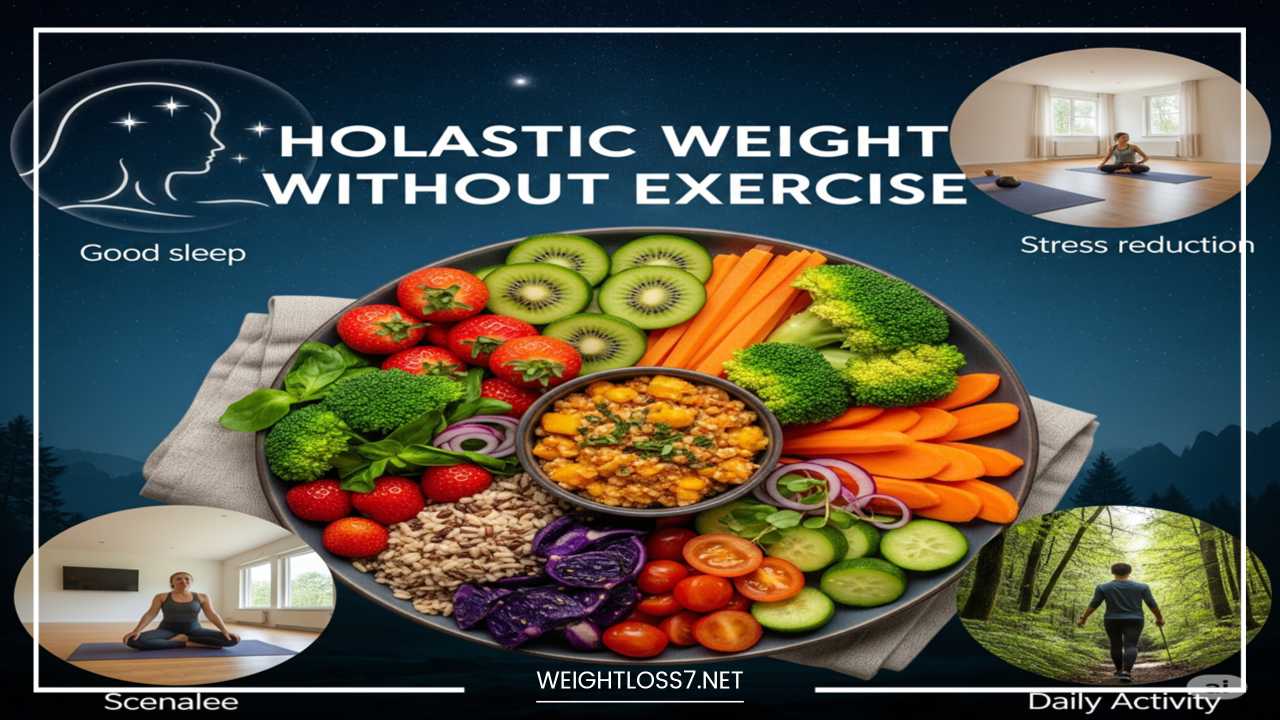
Prioritizing good sleep hygiene is a crucial, non-exercise-related strategy for weight management. Aim for 7-9 hours of quality sleep each night. Establish a regular sleep schedule by going to bed and waking up around the same time each day, even on weekends. Create a relaxing bedtime routine to wind down before sleep, such as taking a warm bath, reading a book, or listening to calming music. Ensure your bedroom environment is conducive to sleep – dark, quiet, and cool. Avoid screen time (phones, tablets, computers) for at least an hour before bed, as the blue light emitted from these devices can interfere with melatonin production, a hormone that regulates sleep. By prioritizing sleep, you can help regulate your appetite hormones and support your weight loss goals.9
Stress Management and Emotional Eating
Stress is an inevitable part of life, but chronic stress can have significant implications for our weight. When we experience stress, our bodies release cortisol, a hormone that, among other things, can increase appetite and promote the storage of fat, particularly around the abdominal area.10 Furthermore, many people turn to food as a source of comfort during stressful times, a phenomenon known as emotional eating. These comfort foods are often high in calories, sugar, and unhealthy fats, providing temporary emotional relief but ultimately hindering weight loss efforts.
Identifying your personal stress triggers is the first step towards managing stress-related weight gain. Once you are aware of what tends to cause you stress, you can start to develop strategies for coping with these situations in healthier ways.
There are numerous stress-reducing techniques that don’t involve exercise. Simple breathing exercises, such as deep, slow inhalations and exhalations, can calm your nervous system in moments of stress. Practicing mindfulness and being present in the moment can help to reduce feelings of anxiety. Engaging in enjoyable hobbies, spending time in nature, or connecting with loved ones can also be effective stress relievers. Journaling can be a helpful tool for processing emotions and identifying patterns of emotional eating. When you feel the urge to eat due to stress or emotions, try to pause and ask yourself if you are truly hungry. Explore alternative ways to cope with your feelings, such as engaging in a relaxing activity or talking to someone you trust. Developing healthy coping mechanisms for stress is crucial for preventing emotional eating and supporting your weight management goals.
Daily Movement Without ‘Exercise’
While structured workouts might not be your focus, incorporating more natural movement into your daily routine can contribute to your overall calorie expenditure and offer various health benefits. Think beyond the gym and look for opportunities to be more active throughout your day.
Embrace walking whenever possible. Opt for walking or cycling instead of driving for short errands. Take the stairs instead of the elevator or escalator. Even short bursts of walking throughout the day can add up. Incorporate gentle stretching into your routine to improve flexibility and reduce stiffness. Household chores like gardening, vacuuming, and cleaning can also contribute to your daily activity levels.
Look for ways to be more active even while you’re working. If you have a sedentary job, stand up and move around every 30 minutes. Consider using a standing desk for part of your day. Take walking breaks during phone calls.
The key is to think of movement as an integral part of your day, rather than a separate, structured activity. These small, consistent increases in daily movement can contribute to a modest but significant increase in your calorie expenditure over time, supporting your weight loss efforts without the need for intense workouts. Pay attention to your posture while sitting and standing. Maintaining good posture engages your core muscles and can contribute to better overall body awareness.
Creating a Supportive Environment
Your surroundings can significantly influence your eating habits and lifestyle choices. Creating a supportive environment can make it much easier to stick to your weight loss goals without relying on exercise.
Start by making healthy food options readily accessible. Keep fruits, vegetables, and other nutritious snacks visible and within easy reach. Conversely, make less healthy, processed foods less convenient by storing them out of sight or avoiding purchasing them altogether.
Meal prepping can be a game-changer for busy lifestyles. By spending some time planning and preparing healthy meals and snacks in advance, you’re less likely to opt for unhealthy takeout or convenience foods when you’re short on time or feeling hungry.
Social support can also play a crucial role in your weight loss journey. Share your goals with supportive friends or family members who can offer encouragement and accountability. Consider finding a like-minded individual or group who are also focused on making healthy lifestyle changes. You can share tips, challenges, and successes, creating a sense of community and motivation. Keeping a food journal can also act as a form of self-accountability, helping you track your eating habits and identify areas for improvement.
Tracking Progress Without Obsession
While it’s important to monitor your progress, becoming overly fixated on the numbers on the scale can be discouraging and lead to unnecessary stress. There are many other ways to track your progress beyond just your weight.
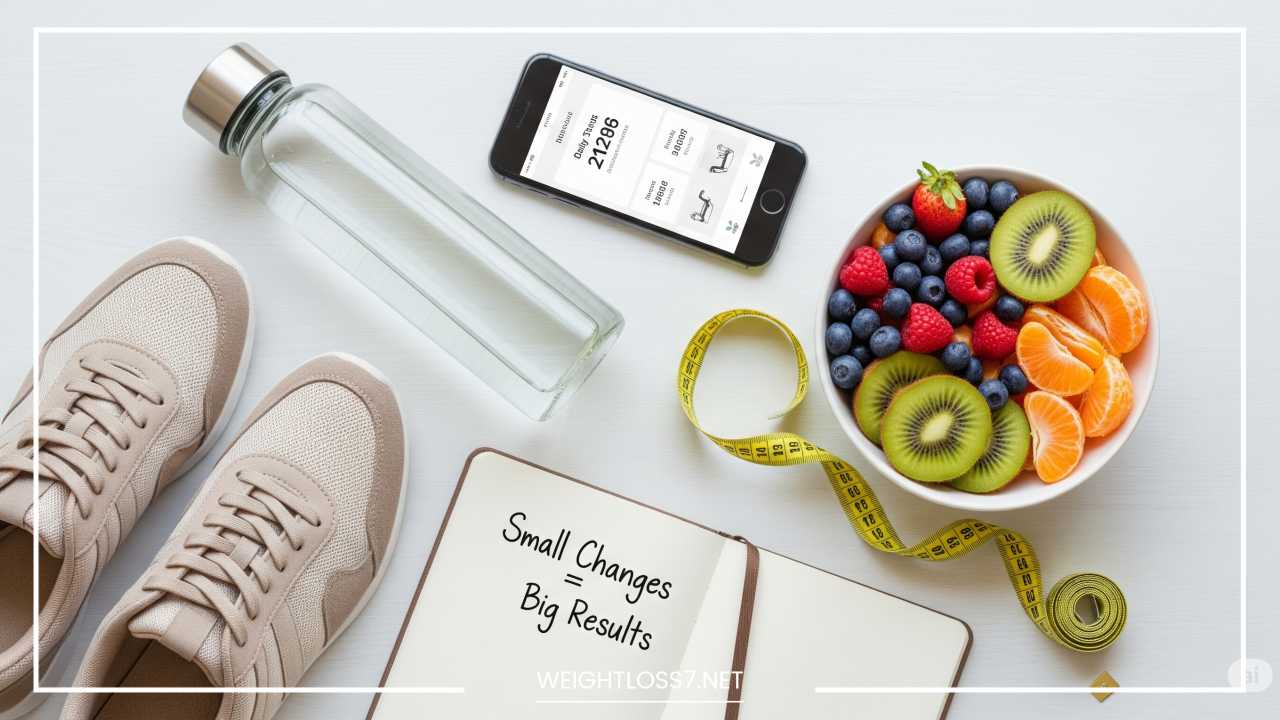
Consider keeping a journal to document how you’re feeling, your energy levels, and any changes you notice in your body. Taking progress photos periodically can provide a visual representation of your journey. Pay attention to how your clothes fit – are they feeling looser? This can be a more tangible and motivating indicator of fat loss than the number on the scale.
Celebrate non-scale victories. Did you have more energy today? Are you sleeping better? Have you noticed fewer cravings for sugary foods? These positive changes are all signs that you’re moving in the right direction and should be acknowledged and celebrated.
Remember that weight can fluctuate due to various factors, such as hydration levels and hormonal changes. Focus on the overall trends in your progress rather than getting discouraged by minor day-to-day variations. The goal is to make sustainable lifestyle changes, so focus on consistency and progress, not perfection.
Final Thoughts and Encouragement
Embarking on a weight loss journey without focusing on strenuous exercise is not only possible but can also be incredibly empowering. By making small, consistent adjustments to your daily habits – prioritizing mindful eating, making smart food choices, staying hydrated, getting enough sleep, managing stress effectively, and incorporating natural movement – you can create a significant impact on your weight and overall well-being.
Remember that you don’t need to resort to extreme measures or restrictive diets to see results. Sustainable weight loss is about making gradual, lasting changes that seamlessly integrate into your lifestyle.11 Every small step you take towards healthier habits counts. Be patient with yourself, celebrate your progress, and trust in the power of consistent, effortless changes. You have the ability to achieve a healthier, happier you, one mindful choice at a time.