What Can I Do for Immediate Weight Loss?


What Can I Do for Immediate Weight Loss? Effective Tips for Fast, Safe Results
The desire for quick results when it comes to weight loss is a common one. Whether you have a special event coming up or just want to kickstart your health journey, seeing a change on the scale can be incredibly motivating. This article will explore what you can do for immediate weight loss, focusing on safe, effective strategies that deliver quick results while setting you up for long-term success. We’ll cover everything from hydration and nutrition to exercise and lifestyle changes, all without resorting to extreme or unhealthy measures.
Understanding Immediate Weight Loss: Setting Realistic Expectations
Immediate weight loss is often a combination of losing some actual body fat, but also shedding excess water weight and reducing bloating. This initial drop can be a powerful motivator, but it’s crucial to understand that it’s not all about fat loss. True, sustainable weight loss is a gradual process. The “immediate” results you see in the first week or two are often a result of simple, rapid changes that can be made.
It’s vital to set realistic expectations. A safe and sustainable rate of fat loss is typically around 1-2 pounds per week. Any weight lost much faster than that is likely to be a combination of water, glycogen (stored carbs), and a small amount of fat. The good news is that these initial changes can be felt and seen, providing the momentum you need to continue. We’ll focus on methods that help you achieve these quick results while keeping your body healthy and well-nourished.
Hydration and Its Role in Weight Loss
One of the quickest and most impactful changes you can make for immediate weight loss is to focus on hydration. Drinking plenty of water is not just good for your overall health; it’s a powerful tool in your weight loss arsenal.
The Power of Water
Water is essential for nearly every bodily function. It aids in digestion, nutrient absorption, and helps your organs function optimally. When it comes to weight loss, water plays a few key roles:
- Boosts Metabolism: Drinking water can temporarily increase your metabolic rate. This means your body burns more calories.
- Reduces Bloating: While it might seem counterintuitive, drinking more water can actually help reduce bloating. When you’re dehydrated, your body holds onto water, leading to a puffy feeling. By staying hydrated, you signal to your body that it’s okay to release that stored water.
- Curbs Appetite: Sometimes, we mistake thirst for hunger. Drinking a glass of water before a meal can help you feel fuller, leading you to eat less.
- Flushes Out Waste: Proper hydration helps your kidneys flush out waste products, which can contribute to a lighter, less sluggish feeling.
Tips for Increasing Water Intake
If you struggle to drink enough water, here are some simple tips to help you increase your intake:
- Carry a Reusable Water Bottle: Make it easy to drink water by always having a bottle with you.
- Set Reminders: Use an app or a simple timer on your phone to remind you to drink throughout the day.
- Infuse Your Water: Add slices of lemon, cucumber, or berries to your water to give it flavor without adding sugar.
- Drink a Glass Before Each Meal: This is a simple habit that ensures you get a significant amount of water and helps with portion control.
Effective Caloric Control Without Specific Diet Labels
At its core, weight loss is about creating a calorie deficit, which means you’re consuming fewer calories than your body burns. However, this doesn’t mean you have to count every single calorie. Instead, you can use smarter, more intuitive strategies to manage your intake.
Understanding Calorie Deficit
A calorie deficit is the fundamental principle of weight loss. Your body needs a certain number of calories to maintain its weight. By consistently eating slightly fewer calories than that number, your body will start to use its stored fat for energy. The key is to achieve this deficit in a way that is satisfying and sustainable, not by starving yourself.
Portion Control Strategies
One of the most effective ways to manage your calorie intake without constant counting is through portion control. Here’s how to do it:
- Use Smaller Plates and Bowls: This simple trick can make a smaller portion look more substantial, tricking your brain into feeling more satisfied.
- Measure Your Food: Use measuring cups and spoons to get an idea of what a standard serving size looks like.
- Read Food Labels: Pay attention to the serving sizes listed on packaged foods.
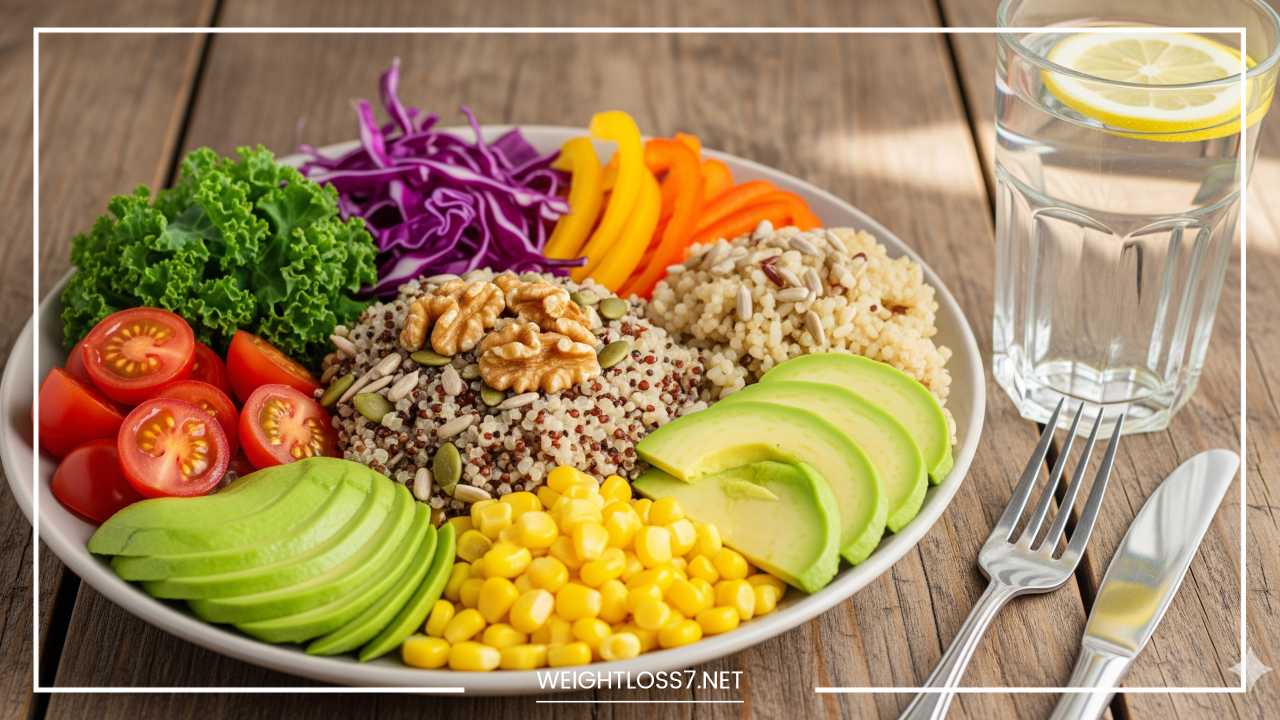
- The Plate Method: A great visual guide is to fill half your plate with non-starchy vegetables, a quarter with a source of complex carbohydrates (like whole grains or sweet potatoes), and the remaining quarter with a lean protein source (like beans, lentils, or tofu).
Importance of Mindful Eating
Mindful eating is the practice of paying attention to the food you’re eating and the experience of eating it. This means:
- Eating Slowly: It takes about 20 minutes for your brain to register that you’re full. By eating slowly, you give your body time to send the signal that it’s had enough, preventing overeating.
- Chewing Thoroughly: Savoring each bite not only makes the experience more enjoyable but also helps with digestion.
- Eliminating Distractions: Put away your phone, turn off the TV, and focus solely on your meal. This helps you tune into your body’s hunger and fullness cues.
Foods to Focus On for Immediate Weight Loss
While a calorie deficit is key, the types of foods you eat are just as important. Choosing nutrient-dense, low-calorie foods can help you feel full and satisfied while keeping your calorie intake in check.
Low-Calorie, Nutrient-Dense Foods
These are foods that offer a lot of nutritional value for very few calories. They are your best friends for immediate weight loss.
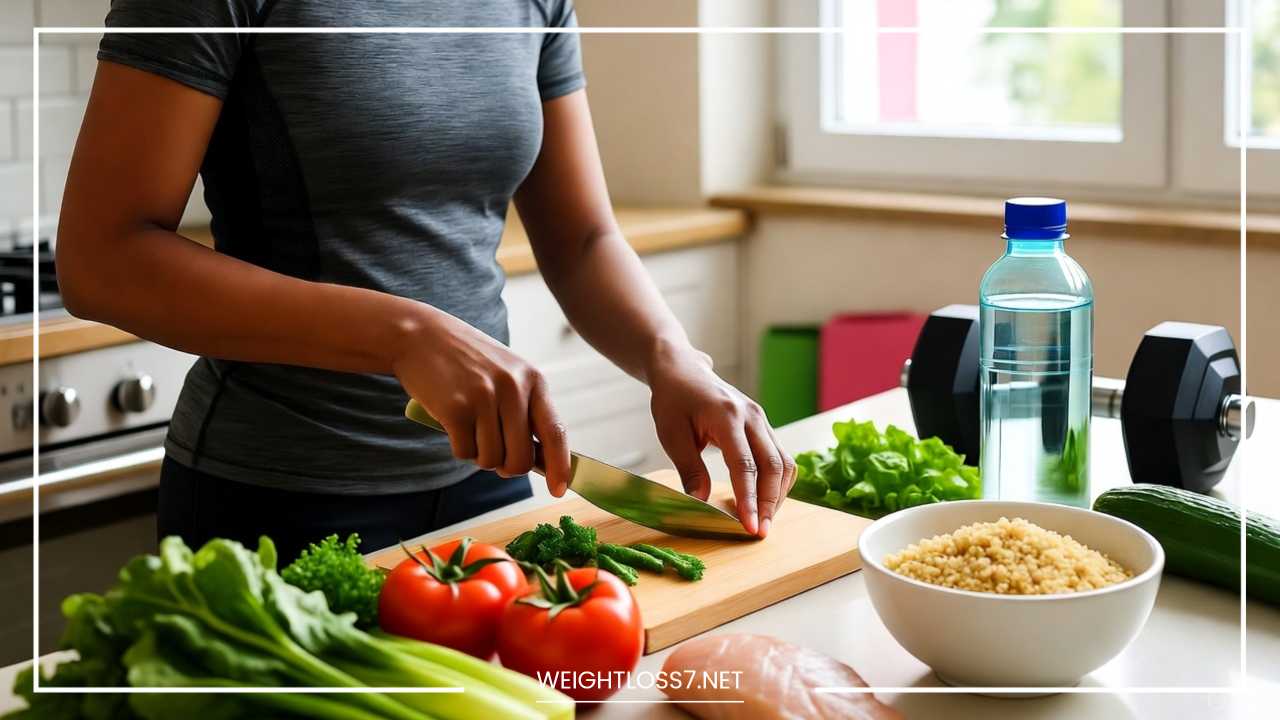
- Vegetables: Load up on vegetables like leafy greens, broccoli, cauliflower, bell peppers, and carrots. They are packed with vitamins, minerals, and fiber, and you can eat a large volume of them for very few calories.
- Fruits: Enjoy fruits like berries, apples, and oranges. They are naturally sweet and full of fiber and antioxidants.
- Whole Grains: Opt for whole grains like oats, quinoa, brown rice, and whole wheat bread. They provide sustained energy and are rich in fiber.
- Legumes, Nuts, and Seeds: These are fantastic sources of protein, fiber, and healthy fats. Incorporate beans, lentils, chickpeas, almonds, and chia seeds into your meals.
- Dairy Alternatives: For those who consume dairy alternatives, options like unsweetened almond milk, soy milk, and yogurt alternatives can be low in calories and fat while providing essential nutrients.
High-Fiber Foods for Satiety and Digestion
Fiber is your secret weapon for feeling full. It’s a type of carbohydrate that your body can’t digest, so it passes through your system slowly, keeping you feeling full for longer. Foods high in fiber include:
- Legumes: Lentils, chickpeas, and various beans are packed with fiber.
- Whole Grains: Oats, barley, and quinoa are excellent sources.
- Vegetables and Fruits: Almost all of them, but especially berries, apples, and leafy greens.
- Nuts and Seeds: Chia seeds, flax seeds, and almonds are particularly high in fiber.
Avoiding Added Sugars and Processed Foods
One of the fastest ways to cut calories and improve your health is by reducing or eliminating added sugars and processed foods. These items are typically high in calories, low in nutrients, and can lead to cravings and overeating.
- Sugary Drinks: Sodas, sweetened juices, and energy drinks are a major source of empty calories.
- Processed Snacks: Chips, cookies, and packaged pastries offer little nutritional value.
- White Flour Products: White bread and pasta are quickly digested and can spike your blood sugar.
Instead, opt for whole, unprocessed foods that give you the nutrients and energy you need.
The Role of Physical Activity
While nutrition is often the main driver of immediate weight loss, physical activity is a critical component that can accelerate your results. It not only burns calories but also improves your metabolism and overall well-being.
Types of Exercises Beneficial for Immediate Weight Loss
- Cardio: Activities like brisk walking, jogging, cycling, or swimming are excellent for burning calories and improving heart health. Aim for at least 30 minutes most days of the week.
- HIIT (High-Intensity Interval Training): This involves short bursts of intense exercise followed by brief recovery periods. HIIT is incredibly effective for burning calories in a short amount of time and can boost your metabolism for hours after your workout.
- Strength Training: Building muscle mass is crucial because muscle tissue burns more calories at rest than fat tissue. Incorporate exercises like bodyweight squats, lunges, and push-ups.
Incorporating Movement Throughout the Day
You don’t have to spend hours at the gym to see results. Small changes can make a big difference:
- Take the Stairs: Whenever possible, skip the elevator.
- Walk More: Park further away from your destination or take a walk during your lunch break.
- Stand Up: If you have a desk job, try to stand up and stretch every hour.
- Active Hobbies: Find activities you enjoy, like hiking, dancing, or gardening.
Importance of Consistency Over Intensity
For immediate weight loss, consistency is more important than intensity. A daily 30-minute walk is more beneficial than a single, grueling workout once a week. The goal is to build a habit of movement that you can stick with.
Sleep and Stress Management
Often overlooked, sleep and stress have a profound impact on your weight. Addressing these two factors can be a game-changer for immediate weight loss.
How Poor Sleep Affects Weight
When you don’t get enough sleep, your body’s hormone balance is thrown off.
- Ghrelin and Leptin: Lack of sleep increases ghrelin (the “hunger” hormone) and decreases leptin (the “satiety” hormone). This means you’ll feel hungrier and less satisfied, making you more likely to overeat.
- Cortisol: Poor sleep elevates cortisol, the “stress” hormone, which can lead to fat storage, particularly around the abdomen.
- Energy Levels: When you’re tired, you’re less likely to have the energy to exercise and make healthy food choices.
Aim for 7-9 hours of quality sleep per night.
Stress-Related Eating and Cortisol Impact
Stress can lead to emotional or “stress” eating, where you reach for food as a way to cope with difficult feelings. This is often driven by the hormone cortisol. High levels of cortisol can increase your appetite and a preference for high-calorie, sugary foods.
Tips for Better Sleep Hygiene and Stress Reduction
- Establish a Routine: Go to bed and wake up at the same time each day, even on weekends.
- Create a Relaxing Environment: Make your bedroom dark, quiet, and cool.
- Unwind Before Bed: Avoid screens (phones, TVs) for at least an hour before sleep. Read a book, listen to calming music, or take a warm bath.
- Practice Stress-Reducing Activities: Try meditation, deep breathing exercises, or a gentle form of yoga to help manage stress.
Behavioral and Lifestyle Changes
Achieving immediate weight loss is as much about your mindset as it is about your actions. Creating healthy behavioral and lifestyle changes is what will make your quick results stick.
Setting Achievable Goals
Instead of aiming to lose a massive amount of weight in a short period, set smaller, more achievable goals. For example, a goal could be to drink 8 glasses of water a day, walk for 30 minutes daily, or replace a sugary snack with a piece of fruit. These small wins build confidence and make the process feel less daunting.
Keeping a Food and Activity Journal
A simple journal can be an incredibly powerful tool. It helps you:
- Become Aware: It makes you conscious of what you’re eating and drinking, and how much you’re moving.
- Identify Patterns: You can spot unhealthy habits or triggers for overeating.
- Track Progress: Seeing your efforts on paper can be very motivating.
Avoiding Fad Diets and Quick Fixes
The world is full of fad diets promising miraculous results. These diets are often unsustainable, nutritionally incomplete, and can be dangerous. The immediate weight loss they provide is often just water weight and is quickly regained. Stick to the principles of a balanced, whole-foods approach, which is the only way to achieve lasting results.
Safe Supplements and Aids (If Any)
While not necessary, some people consider using supplements to aid their weight loss journey. It’s crucial to approach this with caution and realistic expectations.
- Fiber Supplements: Products containing fiber, such as psyllium husk, can help you feel full and improve digestion.
- Green Tea Extract: Some studies suggest that the antioxidants in green tea, called catechins, can slightly boost metabolism.
- Caffeine: A common ingredient in many weight loss aids, caffeine can temporarily increase your metabolic rate and reduce appetite.
Caution: Always consult with a healthcare professional before starting any new supplement, as they can have side effects and interact with other medications. The most effective “supplements” are a healthy diet and regular exercise.
Monitoring Progress and Adjusting Approaches
Seeing the numbers change on the scale can be rewarding, but it’s important to monitor your progress in a healthy way.
How to Track Weight and Body Measurements
- Weekly Weigh-Ins: Weigh yourself once a week, at the same time of day (e.g., in the morning before eating).
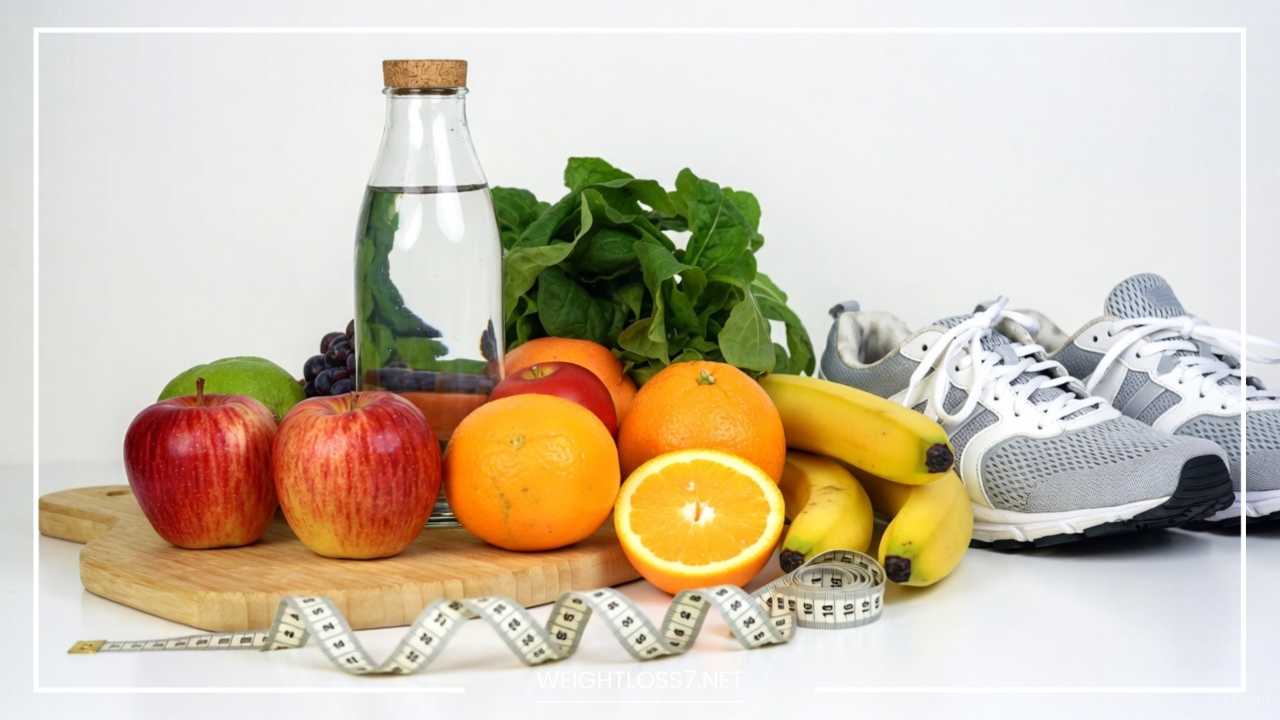
- Take Body Measurements: Use a measuring tape to track changes in your waist, hips, and other areas.
- Use Progress Photos: Take pictures of yourself every couple of weeks to see visual changes.
Knowing When to Adjust Diet or Exercise Plans
If your progress stalls, it might be time to make a small adjustment.
- Re-evaluate Your Intake: Are you still mindful of your portions? Have any hidden calories crept into your diet?
- Increase Your Activity: Try a new form of exercise or increase the intensity of your current routine.
- Get More Sleep: Ensure you’re getting at least 7 hours of quality rest.
Final Thoughts: Immediate Steps and a Long-Term Mindset
Taking immediate steps for weight loss is an excellent way to jumpstart your health journey and build momentum. By focusing on hydration, mindful eating, nutrient-dense foods, and consistent physical activity, you can quickly see changes in your body.
Remember, these immediate results are often a combination of water weight and a small amount of fat.
The real victory lies in building a sustainable, long-term mindset. Use the initial progress as motivation to continue making healthy choices. A
void extreme measures and fad diets. The most effective and lasting weight loss is a marathon, not a sprint. By embracing these simple, powerful habits, you’re not just losing weight; you’re building a healthier, happier you for the long run.