Why Is It Hard for Me to Lose Weight?

Why Is It Hard for Me to Lose Weight? | Common Weight Loss Struggles Explained
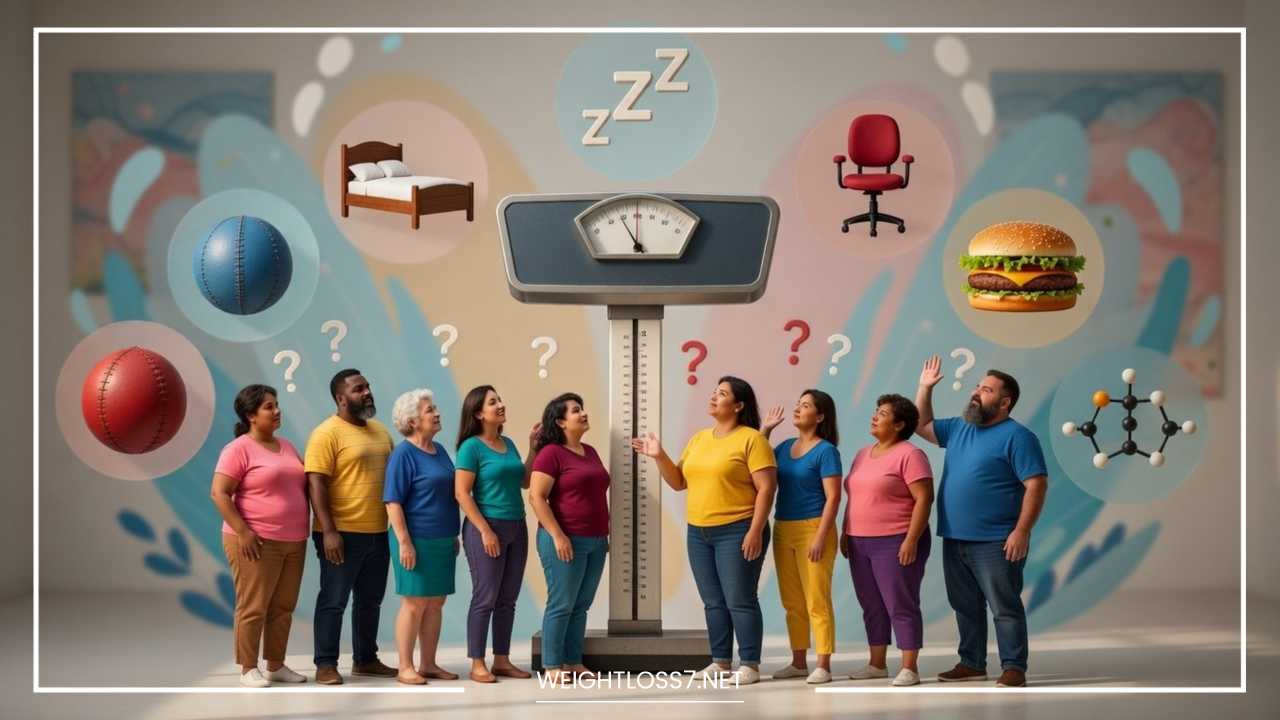
If you’ve ever felt like you’re doing everything right—counting calories, hitting the gym, and saying no to dessert—only to see the number on the scale stubbornly refuse to budge, you’re not alone. The frustration and confusion that come with a stalled weight loss journey are incredibly common. It’s easy to feel as though you’ve failed, or that your body is working against you. But what if the problem isn’t a lack of willpower, but rather a complex interplay of biological, psychological, and environmental factors?
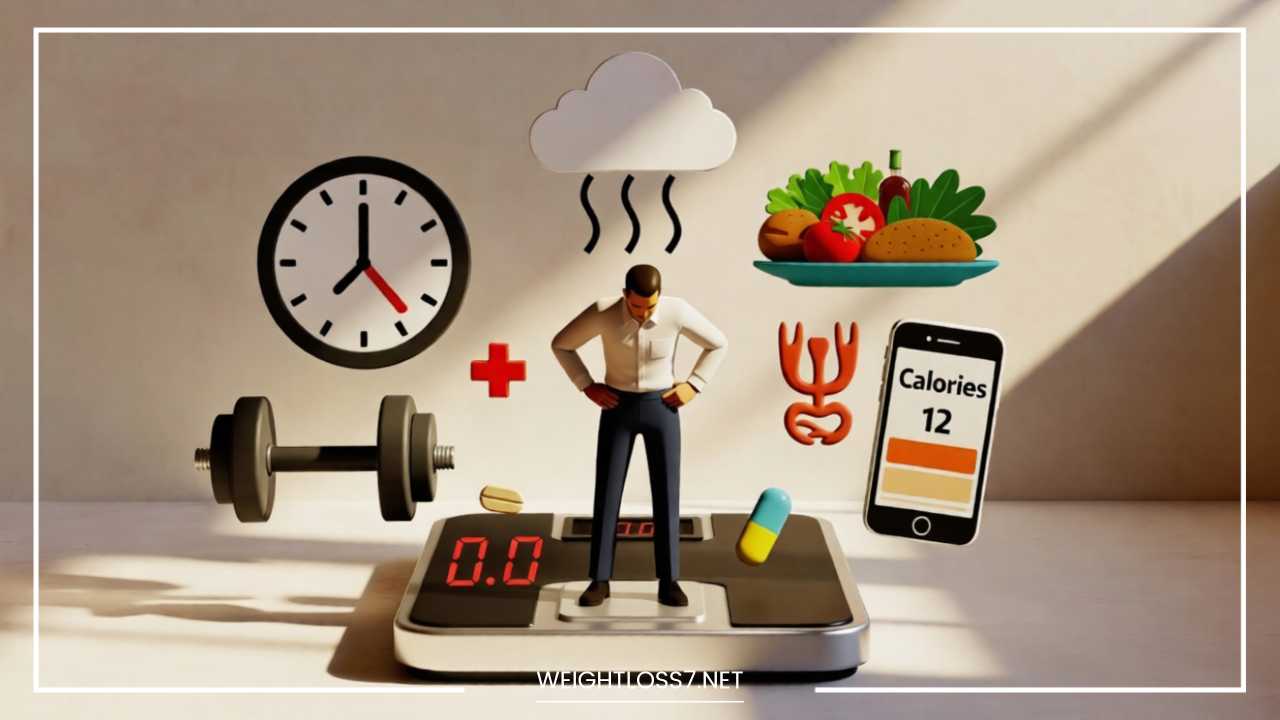
The truth is, weight loss is rarely as simple as the “calories in, calories out” equation we’ve been taught. While that fundamental principle holds a kernel of truth, it’s a vast oversimplification of the human body. This article will delve into the many reasons why shedding pounds can be so difficult, offering a compassionate and science-based look at the hidden roadblocks that might be hindering your progress. We’ll explore everything from your hormones and genetics to your sleep habits and emotional state, providing a holistic perspective on a struggle that is far more nuanced than it appears on the surface.
Biological and Genetic Factors
For many, the biggest hurdle in weight loss is not a lack of effort, but a battle against their own biology. The “calories in vs. calories out” mantra, while a good starting point, fails to account for the intricate systems that regulate our body weight. The first piece of this puzzle is your metabolism, or Basal Metabolic Rate (BMR). Your BMR is the number of calories your body burns at rest to perform essential functions like breathing, circulating blood, and cell production. It accounts for a significant portion of your daily energy expenditure. The challenge is that BMR can vary dramatically between individuals due to factors like age, muscle mass, and, crucially, genetics. Some people are simply born with a more efficient metabolism, meaning they naturally burn more calories throughout the day. When you diet, your body often fights back by lowering your BMR to conserve energy, making it even harder to create the calorie deficit needed for weight loss.
Hormones also play a powerful, often unseen, role. Insulin, for example, is a storage hormone. When we eat carbohydrates, insulin is released to move glucose from our bloodstream into our cells for energy or storage. If you have insulin resistance, your cells don’t respond efficiently to insulin, leading your body to produce more and more of it. High insulin levels can promote fat storage, particularly around the abdomen, and make it difficult for your body to access its fat reserves for fuel.
Other key players include leptin and ghrelin. Leptin is the “satiety hormone” that tells your brain when you’re full, while ghrelin is the “hunger hormone” that signals when it’s time to eat. In many people who are overweight, leptin resistance can develop. Their brains no longer receive the “I’m full” signal, leading to constant hunger and overeating. Cortisol, the stress hormone, also contributes. Chronic stress keeps cortisol levels high, which can increase appetite and encourage the body to store fat, especially visceral fat. Thyroid hormones are equally important; an underactive thyroid (hypothyroidism) can slow metabolism and cause significant weight gain.
Finally, genetics are not just a convenient excuse—they are a very real factor. Studies on identical twins have shown that genetics can account for as much as 40-70% of an individual’s weight. While this doesn’t mean your fate is sealed, it does mean that some people are genetically predisposed to have a higher body mass index (BMI) or to store fat more readily. For these individuals, maintaining a healthy weight requires a more disciplined and consistent approach than for someone with a different genetic makeup.
Diet-Related Challenges
The sheer volume of information and misinformation about diet can be overwhelming, leading many people down a path of frustration. One of the most common pitfalls is overeating “healthy” foods. We’re often told to eat more nuts, avocados, and whole grains, and while these foods are nutrient-dense, they are also calorie-dense. A handful of nuts can be a great snack, but a few handfuls can easily add up to hundreds of calories. Similarly, a smoothie packed with fruit, nuts, and protein powder can be a meal in itself, but it’s easy to create a calorie bomb without realizing it. Underestimating calorie intake is a widespread issue. Studies show that people consistently underestimate the number of calories they consume by a significant margin, sometimes by as much as 50%.
Misleading food marketing further complicates the issue. Products labeled “low fat,” “sugar-free,” or “all-natural” are often perceived as being healthier and lower in calories, even when they aren’t. Many “low-fat” products, for example, compensate for the lack of fat by adding more sugar, which can lead to blood sugar spikes and cravings. “Sugar-free” items often contain artificial sweeteners that can disrupt gut health and, in some cases, still contribute to a desire for sweet foods.
The cycle of restrictive dieting leading to binge cycles is another major barrier. Many people adopt an “all-or-nothing” approach, cutting out entire food groups or drastically reducing their calorie intake. While this can lead to quick initial weight loss, it’s rarely sustainable. The deprivation often leads to intense cravings and, eventually, a binge cycle where a person overeats to compensate for the period of restriction. This can lead to feelings of guilt and shame, which can then trigger the desire to restrict again, perpetuating a harmful and ineffective pattern.
Finally, inconsistent tracking or portion control issues are simple yet significant hurdles. Even with the best intentions, it’s easy to lose track of what you’ve eaten throughout the day. A few bites here, a few sips there, and a small dessert can quickly negate a calorie deficit. Lack of portion control is also a common issue. Serving sizes have increased dramatically over the past few decades, and our perception of a “normal” portion is often much larger than it should be. Without careful measurement, it’s easy to consume far more than you intended.
Psychological and Emotional Barriers
Weight loss is not just a physical journey; it’s a deeply psychological and emotional one. For many, food is more than just fuel—it’s a source of comfort, a reward, or a way to cope with difficult feelings. Emotional eating is a powerful force that can derail even the most determined efforts. When we feel stressed, anxious, lonely, or sad, the temporary comfort of a favorite food can be a powerful draw. This can lead to a cycle where the negative feelings trigger overeating, which then leads to guilt and shame, which in turn fuels more emotional eating.
Stress, anxiety, and depression’s impact on eating patterns are directly linked. The stress hormone cortisol, as mentioned earlier, can increase appetite and cravings for high-calorie, high-sugar foods. Chronic stress can also lead to fatigue, making it harder to find the energy to cook a healthy meal or go for a walk. Depression can sap motivation and energy, making it difficult to maintain a consistent exercise routine or prepare healthy meals.
Self-sabotage, perfectionism, or an “all-or-nothing” mindset is another psychological barrier. This often stems from a deep-seated belief that we don’t deserve success or that we’re not capable of achieving our goals. Perfectionism can also be a major roadblock. An “all-or-nothing” mindset dictates that if one day of healthy eating is ruined by a single cookie, the entire day is a failure. This can lead to a complete abandonment of healthy habits, with the thought of “I’ll just start over again on Monday.”
Body image and disordered eating cycles are also common. A negative body image can lead to unhealthy behaviors, such as crash dieting or excessive exercise, which are not sustainable in the long run. These behaviors can contribute to a poor relationship with food and a feeling of constant struggle. The focus on the number on the scale can be incredibly damaging. When the scale doesn’t move as expected, it can lead to feelings of failure and hopelessness, which can cause a person to give up altogether. True progress in weight loss is often non-linear, and focusing solely on the number on the scale can obscure other positive changes happening in the body.
Lifestyle and Environmental Factors
Our daily lives and the environments we inhabit have a profound impact on our ability to lose weight. One of the most significant factors is our increasingly sedentary jobs and lack of daily movement. Many people work jobs that require them to sit at a desk for eight or more hours a day, and the time spent commuting and relaxing at home often involves more sitting. This lack of daily, consistent movement can make it incredibly difficult to create a calorie deficit, even with a disciplined workout routine. Non-exercise activity thermogenesis (NEAT)—the energy expended for everything we do that is not sleeping, eating, or sports-like exercise—is a key component of our daily calorie burn, and for many people, it is incredibly low.
Poor sleep habits are a silent enemy of weight loss. When we don’t get enough quality sleep, our body’s hormonal balance is thrown out of whack. Ghrelin levels, the hunger hormone, increase, while leptin levels, the satiety hormone, decrease. This hormonal shift leads to increased appetite and cravings for high-carbohydrate foods, making it much harder to stick to a healthy eating plan. Lack of sleep also increases cortisol levels, which, as we’ve discussed, promotes fat storage.
Our modern environment is also designed to encourage overconsumption and inactivity. Screen time, snacking, and lack of structure are often associated. The constant exposure to food advertisements and the easy availability of highly palatable, high-calorie foods make it a challenge to make healthy choices. The lack of structure in a day can also be a problem. When there is no plan for meals or exercise, it’s easy to fall back on convenience foods and sedentary habits.
Finally, an unsupportive home or social environment can be a major roadblock. If a partner or family member brings unhealthy food into the house, or if social gatherings consistently revolve around food and alcohol, it can be incredibly difficult to stay on track. Peer pressure to “just have one slice” or “live a little” can be hard to resist and can undermine a person’s resolve. The absence of a support system can make the journey feel lonely and overwhelming.
Medical Conditions and Medications
Sometimes, the struggle to lose weight is not due to a lack of effort but is a symptom of an underlying medical condition. PCOS, for instance, is a hormonal disorder that affects women of reproductive age. It is often characterized by insulin resistance and higher levels of androgens, which can lead to weight gain, particularly around the abdomen. Hypothyroidism, an underactive thyroid gland, can significantly slow down metabolism and lead to weight gain. Insulin resistance, a precursor to type 2 diabetes, also makes it very difficult to lose weight as the body becomes very efficient at storing fat.
Certain medications can also make weight loss challenging. Antidepressants, particularly Selective Serotonin Reuptake Inhibitors (SSRIs), can lead to weight gain in some individuals. Steroids, which are used to treat a variety of conditions, can increase appetite and cause fluid retention and changes in fat distribution. Other drugs, such as some beta-blockers and antiepileptic drugs, can also have weight gain as a side effect.
If you have been consistently eating at a calorie deficit and exercising, but the scale isn’t moving, it might be time to see a doctor or get labs done. A doctor can check your thyroid function, insulin levels, and other key markers to rule out any medical reasons for your weight loss plateau. They can also work with you to find alternative medications if your current prescriptions are contributing to weight gain.
Age and Hormonal Changes
As we age, our bodies change in ways that can make weight loss more difficult. One of the most significant factors is a decline in muscle mass, a process known as sarcopenia. Muscle tissue is more metabolically active than fat tissue, meaning it burns more calories at rest. As we lose muscle mass, our Basal Metabolic Rate (BMR) naturally declines, making it harder to maintain a calorie deficit without reducing our food intake.
Hormonal changes also play a key role. For women, menopause brings a decrease in estrogen, which can lead to a redistribution of fat from the hips and thighs to the abdomen. The hormonal fluctuations can also disrupt sleep and increase stress, both of which can lead to weight gain. For men, a gradual decline in testosterone, known as andropause, can contribute to a loss of muscle mass and an increase in body fat.
The good news is that there are strategies to combat these age-related changes. Resistance training, such as lifting weights or using bodyweight exercises, is crucial for building and maintaining muscle mass. This helps to keep your metabolism from slowing down. As we get older, we also need to be more mindful of our nutrition, ensuring we are getting enough protein to support muscle synthesis. Prioritizing quality sleep and managing stress become even more important for maintaining a healthy weight.
Exercise Misconceptions
While exercise is a vital component of a healthy lifestyle, it’s often overestimated as a tool for weight loss. Many people believe that they can “out-exercise” a poor diet, but the reality is that it’s incredibly difficult to burn enough calories to compensate for an unhealthy eating pattern. A high-calorie meal can be consumed in minutes, but it can take hours of intense exercise to burn off those same calories. This overreliance on exercise for weight loss can lead to frustration when the number on the scale doesn’t reflect the hard work being put in at the gym.
Another common mistake is underestimating non-exercise activity (NEAT). While a one-hour workout is great, it’s the other 23 hours of the day that often matter more. Things like taking the stairs, walking to the store, fidgeting, and doing household chores all contribute to your daily calorie burn. People who are more active throughout the day, even without a formal workout, often have an easier time maintaining a healthy weight.
Finally, the lack of resistance training or recovery can hinder progress. Many people focus exclusively on cardio, like running or cycling, which is great for cardiovascular health but less effective for building muscle. Resistance training is key to maintaining and building muscle mass, which, as we’ve established, is crucial for a healthy metabolism. Overtraining without adequate recovery is another issue. The body needs time to repair and rebuild muscle tissue. Pushing too hard without enough rest can lead to increased cortisol levels, which can slow down weight loss and increase the risk of injury.
Social Media and Misinformation
In the age of social media, we are constantly bombarded with conflicting information and unrealistic expectations. Unrealistic expectations from influencers and fad diets are a major problem. Influencers and fitness gurus often promote fad diets and “quick fixes” that promise rapid weight loss. These methods are rarely sustainable and can lead to a cycle of restriction and bingeing. The constant stream of “perfect” bodies and dramatic before-and-after photos can lead to constant comparison and frustration. When your own progress doesn’t look like what you see online, it’s easy to feel like you’re failing.
The sheer volume of conflicting advice can be confusing. One person preaches keto, another advocates for veganism, and a third insists on intermittent fasting. This creates a state of confusion from conflicting advice, where people become so overwhelmed by the different approaches that they don’t know where to begin. The best approach is rarely the most extreme or popular one. Instead of looking for a quick fix, it’s important to focus on creating a sustainable, long-term approach that works for your individual body and lifestyle.
Sustainable Strategies for Progress
If you’re feeling stuck, the key is to shift your focus from perfection to consistency and from quick fixes to sustainable, long-term strategies.
- Mindful eating and behavior-based changes: Instead of focusing on restrictive rules, practice mindful eating. Pay attention to your body’s hunger and fullness cues. Slow down and savor your food. Identify and address the emotional triggers behind your eating habits. Small, consistent changes in behavior, like using a smaller plate or not eating in front of the TV, can have a big impact over time.
- Setting realistic goals and tracking progress beyond the scale: The number on the scale is just one metric. Celebrate non-scale victories like increased energy, clothes fitting better, improved sleep, or a stronger body. Set realistic, measurable goals that are not just focused on weight. For example, aim to walk 10,000 steps a day or eat a vegetable with every meal.
- Getting professional help: dietitians, therapists, trainers: Don’t be afraid to seek professional guidance. A registered dietitian can help you create a personalized nutrition plan that is sustainable and meets your body’s needs. A therapist can help you address the psychological and emotional barriers to weight loss, such as emotional eating or a poor body image. A certified personal trainer can teach you proper form and help you create a balanced exercise routine that includes both cardio and resistance training.
- Importance of consistency, not perfection: The most successful people are not the ones who never stumble; they are the ones who get back on track after a setback. The goal is not to be perfect, but to be consistent. A single unhealthy meal won’t ruin your progress, just as a single healthy meal won’t fix everything. Focus on the long-term trend, not the daily fluctuations.
Final Thoughts
The struggle to lose weight is a complex, multifaceted challenge that goes far beyond a simple lack of willpower. Your biology, genetics, hormones, emotional state, lifestyle, and environment all play a role in making the journey difficult. It’s a battle against millions of years of evolutionary programming that encouraged our bodies to store fat for survival.
So, if you’re feeling frustrated and defeated, take a moment to be compassionate with yourself. Your struggle is valid, and you are not a failure. The key to lasting change is to move away from the idea of a quick fix and embrace a holistic, long-term approach. By understanding the complex interplay of factors that affect your weight, you can begin to make sustainable changes that work with your body, not against it. Remember, consistency, self-compassion, and the right support system are far more powerful than any fad diet or punishing workout. You have the power to create a healthier, happier you, one step at a time.