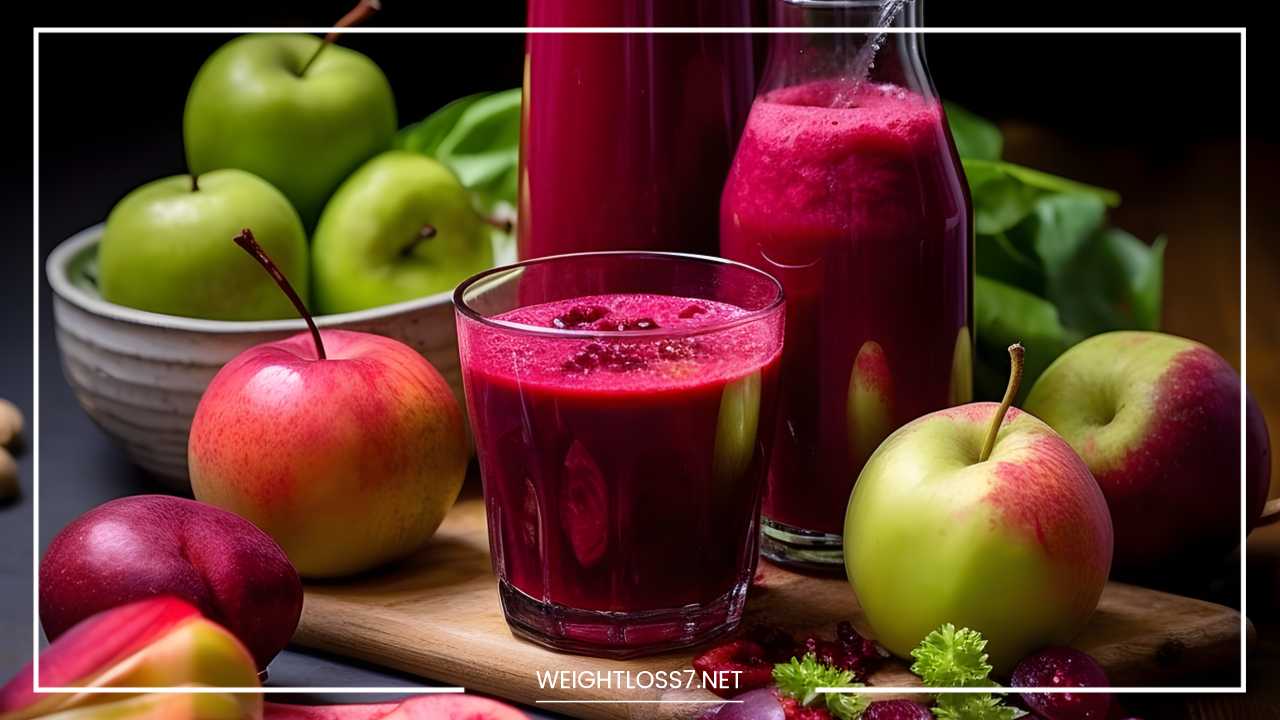
Best Things to Take for Weight Loss

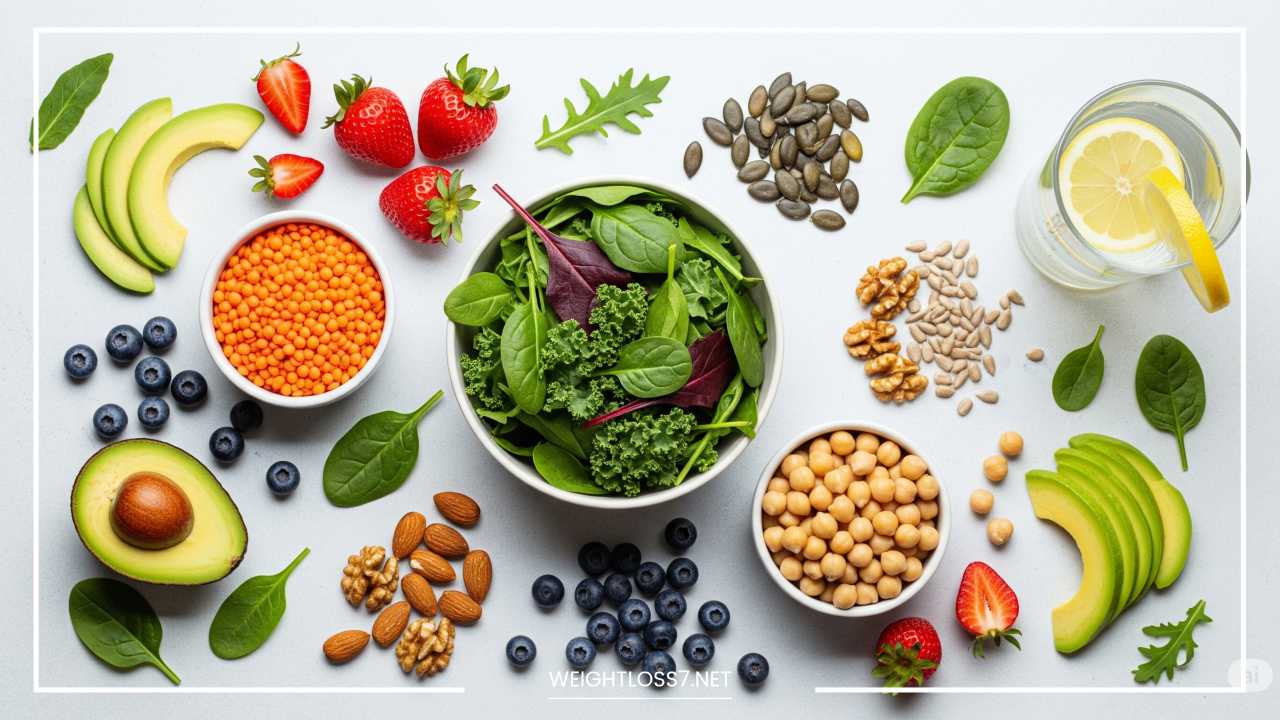
Best Things to Take for Weight Loss: Top Foods & Supplements for Effective Results
The journey to a healthier weight is a path many embark on, driven by a desire for improved well-being and vitality. It’s a journey that extends far beyond simply shedding pounds; it encompasses a holistic transformation involving how we nourish our bodies, move them, and cultivate a positive relationship with food. This article delves into the most effective strategies and specific food choices that can empower your weight loss journey, focusing on natural, wholesome options that support your body’s innate ability to achieve and maintain a healthy weight.
The Role of a Balanced Diet in Weight Loss
At the heart of sustainable weight loss lies a balanced dietary approach. It’s not about deprivation, but rather about smart nourishment that optimizes your body’s functions. Calorie management, while important, isn’t the sole determinant; the quality of those calories profoundly impacts your metabolism and overall health. Macronutrients—carbohydrates, proteins, and fats—all play crucial, distinct roles. Complex carbohydrates provide sustained energy, preventing the energy crashes that lead to unhealthy snacking. Proteins are vital for satiety and preserving lean muscle mass, which is key for a robust metabolism. Healthy fats, often misunderstood, are essential for hormone regulation and absorbing fat-soluble vitamins, contributing to a feeling of fullness.
Beyond macronutrients, the abundance of fiber, vitamins, and minerals in your diet is paramount. These micronutrients act as cofactors in countless metabolic processes, ensuring your body can efficiently convert food into energy and burn fat. The right food choices can indeed act as natural metabolism boosters, helping your body become a more efficient fat-burning machine. This is where the unique properties of plant-based foods truly shine, offering a rich tapestry of nutrients that support healthy weight management.
Fiber-Rich Foods: Your Secret Weapon for Weight Loss
Fiber is arguably one of the most unsung heroes in the weight loss journey. Its remarkable ability to promote satiety is invaluable, helping you feel fuller for longer and reducing the urge to overeat. When you consume fiber, it absorbs water and expands in your digestive system, creating a sensation of fullness. This also helps regulate blood sugar levels, preventing the rapid spikes and crashes that often lead to cravings and fat storage.
A wealth of fiber can be found in a diverse array of plant-based foods. Vegetables like broccoli, spinach, and carrots are packed with fiber and essential nutrients. Fruits such as apples, berries, and oranges offer a sweet and fibrous punch. Legumes like lentils and chickpeas are powerhouses of both fiber and plant-based protein, making them incredibly satisfying. Whole grains such as quinoa, oats, and brown rice provide complex carbohydrates along with their fibrous benefits. Even seeds like chia seeds and flaxseeds are excellent sources of dietary fiber.
It’s important to understand the two main types of fiber: soluble and insoluble. Soluble fiber, found in oats, apples, and beans, dissolves in water to form a gel-like substance, which can help lower cholesterol and blood sugar levels. Insoluble fiber, found in whole grains and many vegetables, adds bulk to your stool, aiding in digestion and promoting regularity. Both types are crucial for a healthy digestive system and contribute to sustained weight loss.
Healthy Fats for Weight Loss
The notion that all fats are detrimental to weight loss is a misconception that needs to be debunked. In fact, incorporating the right kind of fats into your diet is crucial for overall health and can actually support fat burning. Healthy fats play a vital role in regulating hormones, including those involved in appetite and metabolism, and can significantly improve metabolic function. They also contribute to satiety, helping to curb hunger pangs and prevent overeating.
Plant-based sources offer an abundance of these beneficial fats. Avocados are a fantastic example, rich in monounsaturated fats that are heart-healthy and incredibly satisfying. Nuts like almonds, walnuts, and cashews, along with seeds such as flaxseeds, pumpkin seeds, and sunflower seeds, provide a good mix of monounsaturated and polyunsaturated fats. Olive oil, particularly extra virgin olive oil, is a cornerstone of the Mediterranean diet, known for its healthy monounsaturated fats. While often debated, a moderate amount of coconut oil may offer medium-chain triglycerides (MCTs) that some studies suggest can be beneficial for metabolism.
Incorporating these healthy fats into your meals is simple and delicious. Drizzle olive oil over salads or roasted vegetables. Add sliced avocado to your sandwiches or salads. Snack on a handful of nuts or seeds, or blend them into smoothies. These fats not only enhance the flavor of your food but also contribute significantly to your feeling of fullness and satisfaction, helping you stick to your weight loss goals.
Plant-Based Proteins for Lean Muscle and Fat Loss
Protein is a fundamental macronutrient for anyone aiming to lose weight and improve body composition. It plays a pivotal role in building and repairing lean muscle tissue, which is metabolically active and helps boost your resting metabolism. This means your body burns more calories even at rest. Furthermore, protein has a high thermic effect of food (TEF), meaning your body expends more energy to digest and metabolize protein compared to carbohydrates or fats, further contributing to calorie expenditure. Protein also promotes satiety, reducing hunger and cravings.
The plant kingdom offers a vast array of high-quality protein sources that can easily meet your needs for lean muscle development and fat loss. Tofu and tempeh, both derived from soybeans, are complete proteins, meaning they contain all nine essential amino acids. Lentils and chickpeas, versatile legumes, are excellent sources of protein and fiber. Edamame, another soybean product, is a delicious and convenient protein-rich snack. Quinoa stands out as a unique whole grain that is also a complete protein.
To ensure you’re getting a full amino acid profile, consider combining different plant-based protein sources throughout your day. For example, pairing legumes with whole grains (like lentils and rice) creates a complementary protein source. Incorporating a variety of plant proteins not only provides a wide spectrum of nutrients but also makes your meals more diverse and enjoyable. Plant-based proteins are also highly digestible and can aid in recovery after exercise, allowing your muscles to repair and grow stronger, further supporting your weight loss efforts.
Natural Supplements That Can Support Weight Loss
While a balanced diet forms the bedrock of any successful weight loss strategy, certain natural plant-based supplements can offer additional support by enhancing metabolism, reducing inflammation, and aiding fat burning. It’s crucial to remember that supplements are meant to supplement a healthy lifestyle, not replace it, and consulting a healthcare provider before starting any new supplement regimen is always recommended.
Green tea extract is widely recognized for its potential role in weight management. It contains catechins, particularly epigallocatechin gallate (EGCG), which have been shown to boost metabolism and increase fat oxidation. Turmeric, with its active compound curcumin, is a powerful anti-inflammatory agent that may help reduce inflammation linked to obesity and metabolic dysfunction. Ginger, another potent anti-inflammatory, has been traditionally used to aid digestion and may have a thermogenic effect, slightly increasing calorie expenditure.
Apple cider vinegar has gained popularity for its potential to help regulate blood sugar levels, improve insulin sensitivity, and promote satiety, which can contribute to reduced calorie intake. Garcinia Cambogia, a tropical fruit extract, contains hydroxycitric acid (HCA), which some studies suggest may help suppress appetite and inhibit fat production. While research on these supplements is ongoing, they offer promising avenues for natural support in your weight loss journey. Always adhere to recommended dosages and be mindful of potential interactions with medications.
Hydration: The Often Overlooked Factor in Weight Loss
In the grand scheme of weight loss, proper hydration is an often-underestimated but incredibly vital component. Water is not just a thirst quencher; it’s a fundamental element involved in virtually every bodily function, many of which directly impact your ability to lose weight. Adequate hydration is crucial for efficient digestion, ensuring nutrients are properly absorbed and waste products are effectively eliminated. It also plays a significant role in boosting your metabolism, as many metabolic processes require water to function optimally. Furthermore, water aids in detoxification, helping your body flush out toxins that can impede weight loss.
Drinking enough water can also be a simple yet effective strategy for managing hunger. Often, thirst can be mistaken for hunger, leading to unnecessary snacking. Drinking a glass of water before meals can help you feel fuller, potentially reducing your calorie intake.
Beyond plain water, several other hydrating options can support your weight loss efforts. Herbal teas, such as green tea (with its metabolic benefits) and peppermint tea (known for aiding digestion), offer a flavorful way to stay hydrated. Infused water with slices of lemon or cucumber adds a refreshing twist and encourages greater water consumption. Crucially, it’s important to steer clear of sugary beverages like sodas, fruit juices with added sugar, and sweetened coffees, as these contribute empty calories and can hinder your progress. Prioritizing water-based options is a simple yet powerful step towards a healthier weight.
Low-Glycemic Index Foods for Weight Management
The glycemic index (GI) is a scale that ranks carbohydrates based on how quickly they raise blood sugar levels. Incorporating low-GI foods into your diet is a strategic approach for weight management and overall health. When you consume high-GI foods, your blood sugar spikes rapidly, leading to a surge in insulin. While insulin is necessary, chronic high insulin levels can promote fat storage. Low-GI foods, on the other hand, lead to a slower and more gradual rise in blood sugar, preventing these sharp fluctuations and keeping insulin levels stable.
This steady release of energy from low-GI foods has several benefits for weight loss. It helps to reduce cravings, as you avoid the “sugar crash” that often triggers the urge for more sugary or refined carbohydrates. This sustained energy also keeps you feeling fuller for longer, preventing unnecessary snacking.
Excellent examples of low-GI foods include most leafy greens (spinach, kale, lettuce), which are nutrient-dense and very low in calories. Berries like blueberries, strawberries, and raspberries are naturally sweet but have a low GI due to their fiber content. Sweet potatoes, unlike white potatoes, offer a more gradual release of glucose. Oats, especially steel-cut or rolled oats, are a fantastic low-GI breakfast option. And, of course, legumes such as lentils and chickpeas are consistently low on the glycemic index scale. By making these foods staples in your diet, you can better regulate your blood sugar, reduce fat storage, and maintain sustained energy levels throughout the day.
The Importance of Meal Timing and Eating Patterns
Beyond what you eat, when you eat can also play a significant role in your weight loss journey. While there’s no one-size-all approach, exploring different meal timing strategies can help in regulating calorie intake, optimizing metabolism, and improving satiety.
One popular approach is intermittent fasting, which involves cycling between periods of eating and fasting. This doesn’t necessarily mean skipping meals entirely, but rather confining your eating to a specific window each day or week. For some, this can naturally lead to a reduced overall calorie intake and may improve insulin sensitivity, potentially aiding in fat loss. Others may benefit from smaller, more frequent meals throughout the day. This approach can help keep blood sugar levels stable, prevent extreme hunger that leads to overeating, and maintain a steady metabolic rate. The key is to find an eating pattern that aligns with your lifestyle and helps you manage hunger effectively.
Regardless of your chosen pattern, incorporating healthy snacks between meals can be beneficial, especially if hunger strikes. Opt for nutrient-dense options like a piece of fruit, a handful of nuts, or a small portion of protein-rich legumes. These smart snack choices can help bridge the gap between meals, preventing you from becoming excessively hungry and making unhealthy choices when you finally sit down to eat. The goal is to develop a sustainable eating rhythm that supports your energy levels and helps you control your calorie intake without feeling deprived.
Mindful Eating for Weight Loss
Weight loss isn’t solely about the physical act of eating; it’s also deeply intertwined with our psychological and emotional relationship with food. This is where mindful eating becomes a powerful tool. Mindful eating is the practice of paying full attention to your food and the eating experience, without judgment. It involves slowing down, savoring each bite, and truly tuning into your body’s hunger and fullness cues.
In our fast-paced world, it’s easy to eat quickly, mindlessly, and in front of distractions like screens. This often leads to overeating because our brains don’t register fullness until well after we’ve consumed more than our body needs. By contrast, mindful eating encourages you to eat slowly, allowing your body to signal satiety before you’ve overconsumed. It also promotes a deeper appreciation for your food, enhancing satisfaction.
Practicing mindful eating can significantly improve digestion, as eating slowly allows for proper chewing and enzyme release. This can lead to better nutrient absorption and reduced digestive discomfort. Furthermore, by being present with your food, you become more aware of emotional eating triggers. Recognizing if you’re eating out of stress, boredom, or sadness, rather than true hunger, empowers you to address these underlying issues and develop healthier coping mechanisms. Ultimately, mindful eating fosters a more harmonious and intuitive relationship with food, leading to better metabolic function and a more sustainable path to weight loss.
Exercise and Activity for Complementary Weight Loss
While a well-designed diet lays the groundwork for weight loss, combining healthy food intake with regular physical activity is essential for achieving optimal and sustainable results. Exercise is not just about burning calories in the moment; it’s about building a stronger, more efficient body that is better equipped to manage weight.
Physical activity plays a crucial role in creating a calorie deficit, meaning you burn more calories than you consume. This is fundamental for weight loss. However, its benefits extend far beyond immediate calorie burn. Regular exercise, especially strength training, helps to build and maintain lean muscle mass. As discussed earlier, muscle tissue is metabolically active, meaning it burns more calories at rest compared to fat tissue. Therefore, increasing your muscle mass effectively boosts your resting metabolism, making your body a more efficient fat-burning machine even when you’re not actively working out.
In addition to strength training, incorporating cardiovascular exercises such as brisk walking, cycling, swimming, or jogging is vital for improving heart health, boosting endurance, and burning a significant number of calories. Even simple activities like taking the stairs instead of the elevator or going for a daily walk can contribute to your overall energy expenditure. Flexibility exercises like yoga or stretching, while not directly calorie-burning, support overall physical health, prevent injuries, and enhance mobility, allowing you to sustain your exercise routine. By integrating a combination of these activities into your routine, you not only accelerate your weight loss but also significantly improve your overall health and well-being.
Final Thoughts
Embarking on a weight loss journey is a significant undertaking, and it’s most successful when approached as a holistic lifestyle transformation rather than a temporary diet. The foundation of this journey lies in embracing a balanced diet rich in nourishing, wholesome foods. We’ve explored the profound impact of fiber-rich foods, healthy fats, and the incredible power of plant-based proteins in promoting satiety, boosting metabolism, and preserving lean muscle mass.
Equally crucial is the often-underestimated role of hydration, ensuring your body functions optimally for digestion and detoxification. Strategic meal timing and the conscious practice of mindful eating empower you to develop a healthier relationship with food, understanding your body’s true hunger cues and avoiding emotional eating. And no weight loss discussion is complete without emphasizing the vital role of regular exercise and physical activity, which not only burn calories but also build the metabolic machinery necessary for sustainable fat loss.
Remember, consistency is key. Weight loss is a gradual process that requires patience, perseverance, and a commitment to sustainable lifestyle changes rather than chasing quick fixes. Celebrate small victories, learn from setbacks, and focus on building habits that nourish your body and mind. By consistently making informed choices about your diet, staying hydrated, engaging in regular activity, and practicing mindfulness, you are well on your way to achieving a healthier weight and a more vibrant life.
Bonus Tips:
- Common Myths in Weight Loss: One pervasive myth is the need for extreme calorie restriction. While a calorie deficit is necessary, drastic cuts can slow metabolism and lead to nutrient deficiencies. Another myth is that all carbs are bad for weight loss. As we’ve seen, complex, fiber-rich carbohydrates are essential for sustained energy and satiety. Focus on quality over extreme restriction.
- Practical Meal Planning Tips: Plan your meals and snacks in advance to avoid last-minute unhealthy choices. Incorporate a variety of fiber-rich vegetables, fruits, and legumes into every meal. Aim for a good source of plant-based protein with each meal. Prepare larger batches of healthy staples like cooked quinoa or lentils to use throughout the week. Keep healthy snacks like fruits, nuts, or seeds readily available to prevent unhealthy snacking.