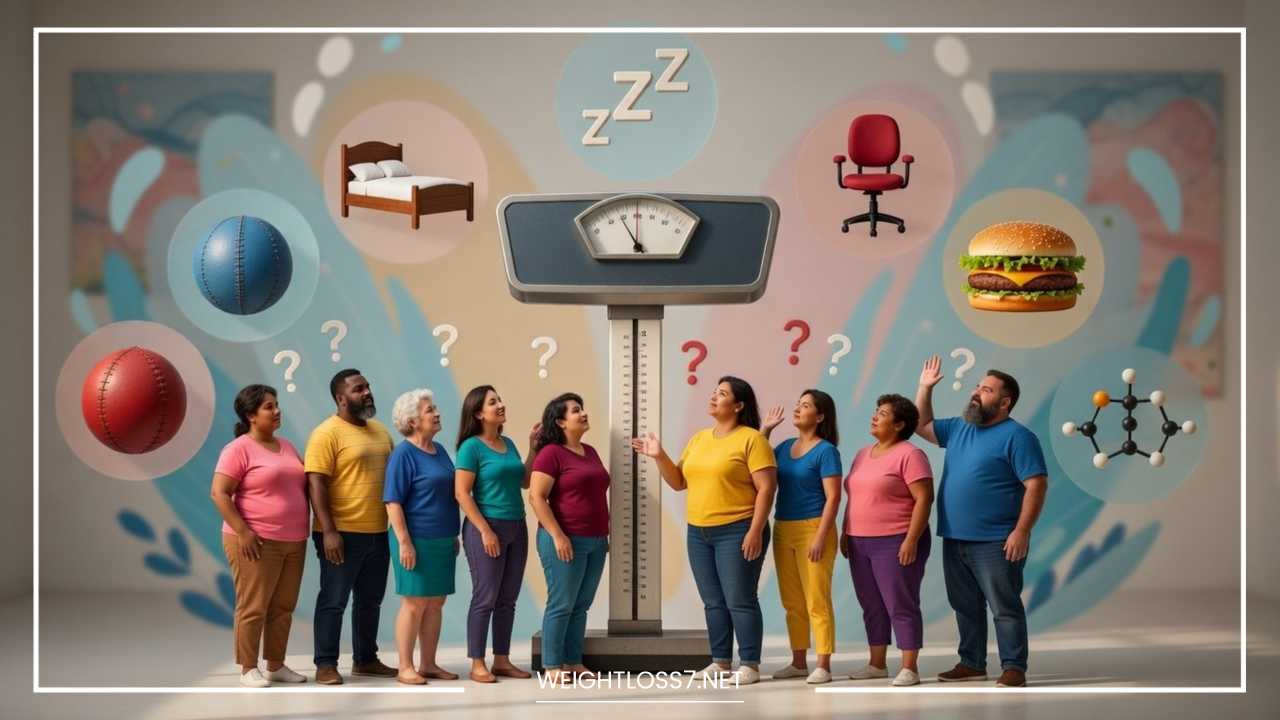
Why You’re Not Losing Weight: Common Causes & Solutions


Stuck on the Scale? Here’s Why You’re Not Losing Weight
You’ve been diligently counting calories, hitting the gym, and saying no to tempting treats. Yet, the scale refuses to budge, or perhaps it even creeps upwards. This can be incredibly frustrating, demoralizing, and lead to a sense of helplessness. If you’re wondering, “Why am I not losing weight?” you’re not alone. The journey to a healthier weight is rarely a straight line, and often, hidden obstacles are silently sabotaging your efforts.
This comprehensive guide will delve into 24 common reasons why your weight loss efforts might be stalled, offering practical solutions and insights to help you overcome these hurdles and finally see the progress you deserve. We’ll explore everything from overlooked dietary pitfalls to hormonal imbalances and the often-underestimated power of your mind.
The Dietary Labyrinth – More Than Just Calories In, Calories Out
While the fundamental principle of weight loss remains creating a calorie deficit, the devil is often in the details of what you’re consuming and how your body processes it.
Hidden Calories and Portion Distortion: You might be meticulously tracking your main meals, but are you accounting for the seemingly insignificant additions? A splash of plant-based milk in your coffee, a handful of nuts here, a few bites of your child’s leftover snack – these “calorie creepers” add up rapidly. Similarly, our perception of a “serving” is often much larger than the actual recommended portion size.
- The Solution: Become a calorie detective. Use measuring cups and a food scale for a few days to truly understand portion sizes. Log everything – absolutely everything – that goes into your mouth. Be mindful of condiments, dressings, and seemingly healthy snacks that can be calorie-dense. Opt for water or unsweetened beverages instead of sugary drinks, even those marketed as “natural.”
Underestimating Liquid Calories: Smoothies, juices, specialty coffees, and sweetened teas can pack a surprising caloric punch without providing much satiety. Your body doesn’t register liquid calories in the same way it registers solid food, leading you to consume more throughout the day.
- The Solution: Prioritize water as your primary beverage. If you enjoy smoothies, make them at home using whole fruits and vegetables, and be mindful of added sugars. Choose unsweetened versions of your favorite plant-based milks and limit or eliminate sugary drinks.
The “Healthy” Food Trap: Many foods marketed as “healthy” or “natural” can still be very high in calories, sugars, or refined carbohydrates. Think about granola, dried fruit, some vegan protein bars, or even “gluten-free” baked goods. While ingredients might be less processed, their caloric density can be significant.
- The Solution: Always read nutrition labels. Focus on whole, unprocessed foods. Don’t assume something is “healthy” just because of its marketing. Prioritize fresh produce, whole grains, and legumes.
Not Enough Fiber: Fiber is a superstar when it comes to weight management. It adds bulk to your diet, promoting satiety and helping you feel full for longer. A lack of fiber can lead to increased hunger and overeating.
- The Solution: Increase your intake of fiber-rich foods like whole grains (oats, brown rice, quinoa), legumes (lentils, beans, chickpeas), fruits, and vegetables. Aim for at least 25-30 grams of fiber per day.
Insufficient Protein Intake (Plant-Based Focus): Protein is crucial for satiety, muscle preservation, and a higher thermic effect of food (meaning your body burns more calories digesting protein than fats or carbohydrates). If your plant-based diet isn’t providing enough protein, you might experience persistent hunger and difficulty building or maintaining muscle mass.
- The Solution: Strategically incorporate diverse plant-based protein sources into every meal. Excellent options include lentils, beans, chickpeas, tofu, tempeh, edamame, seitan, quinoa, nuts, and seeds. Consider adding plant-based protein powders to smoothies if needed.
Over-Reliance on Refined Carbohydrates: White bread, pastries, sugary cereals, and many processed snacks are quickly digested, leading to blood sugar spikes and crashes. This can trigger cravings and lead to overeating.
- The Solution: Swap refined carbohydrates for their whole-grain counterparts. Choose brown rice over white rice, whole wheat bread over white bread, and prioritize oats, quinoa, and other complex carbohydrates that provide sustained energy and fiber.
Grazing Throughout the Day: Constantly snacking, even on healthy foods, can make it difficult to create a calorie deficit. It can also disrupt your body’s natural hunger and fullness cues.
- The Solution: Aim for structured meals and limit snacking. If you do snack, make it a conscious choice and choose nutrient-dense options like a piece of fruit, a handful of nuts (portioned!), or some vegetable sticks with hummus.
Mindless Eating and Emotional Eating: Eating while distracted (watching TV, working, scrolling on your phone) often leads to overconsumption because you’re not paying attention to your body’s satiety signals. Emotional eating – using food to cope with stress, boredom, sadness, or anxiety – is another common saboteur.
- The Solution: Practice mindful eating. Eat slowly, savor your food, and pay attention to your body’s hunger and fullness cues. Identify your emotional eating triggers and develop alternative coping mechanisms like journaling, exercise, meditation, or talking to a friend.
The Lifestyle Loop – Beyond What’s On Your Plate
Weight loss isn’t just about diet; it’s intricately linked to your overall lifestyle. Overlooked factors like stress, sleep, and even your social environment can play a significant role.
Insufficient Sleep: Lack of adequate sleep disrupts hormones that regulate appetite (ghrelin and leptin). Ghrelin, the “hunger hormone,” increases, while leptin, the “satiety hormone,” decreases, leading to increased1 hunger and cravings for unhealthy foods. Poor sleep also impacts metabolism and can lead to increased cortisol levels, promoting fat storage.
- The Solution: Prioritize 7-9 hours of quality sleep per night. Establish a consistent sleep schedule, create a relaxing bedtime routine, and optimize your sleep2 environment (dark, quiet, cool).
Chronic Stress: When you’re stressed, your body releases cortisol, the “stress hormone.” Chronic elevated cortisol levels can lead to increased appetite, cravings for sugary and fatty foods, and promote abdominal fat storage.
- The Solution: Implement stress management techniques into your daily routine. This could include meditation, yoga, deep breathing exercises, spending time in nature, pursuing hobbies, or connecting with loved ones.
Lack of Consistent Physical Activity: While diet is paramount, regular physical activity is crucial for burning calories, building muscle mass (which boosts metabolism), improving insulin sensitivity, and reducing stress. Even if you’re active, a lack of consistency or sufficient intensity can hinder progress.
- The Solution: Find an activity you enjoy and stick with it. Aim for at least 150 minutes of moderate-intensity aerobic activity or 75 minutes of vigorous-intensity activity per week, along with3 strength training at least twice a week. Incorporate more movement into your daily life – take the stairs, walk more, stand up frequently.
Overtraining or Undertraining: Both extremes can be detrimental. Overtraining can lead to burnout, increased cortisol, injury, and hinder recovery, ironically making weight loss harder. Undertraining, on the other hand, simply isn’t enough to create a significant calorie deficit or stimulate muscle growth.
- The Solution: Find a balanced exercise routine that challenges you without causing excessive fatigue or injury. Listen to your body, incorporate rest days, and consider working with a fitness professional to develop an appropriate plan.
Sedentary Lifestyle: Even if you hit the gym for an hour, sitting for the rest of the day can negate many of those benefits. A sedentary lifestyle significantly reduces your overall calorie expenditure and negatively impacts metabolic health.
- The Solution: Break up long periods of sitting. Set a timer to stand up and move every 30-60 minutes. Consider a standing desk. Walk during phone calls or meetings. Increase your “non-exercise activity thermogenesis” (NEAT).
Dehydration: Sometimes, thirst can be mistaken for hunger, leading to unnecessary snacking. Dehydration can also slow down metabolism and impact energy levels.
- The Solution: Drink plenty of water throughout the day. Keep a water bottle handy and aim for at least 8 glasses (2 liters) daily, more if you’re active or in a hot climate.
The Physiological Puzzle – When Your Body Resists
Sometimes, despite your best efforts, underlying physiological factors can make weight loss incredibly challenging. Consulting a healthcare professional is crucial if you suspect these issues.
Hormonal Imbalances (Beyond Stress): Conditions like Polycystic Ovary Syndrome (PCOS) in women, or even thyroid imbalances (hypothyroidism), can significantly impact metabolism, insulin sensitivity, and fat storage, making weight loss difficult. Insulin resistance, where cells don’t respond effectively to insulin, can also lead to increased fat storage, particularly around the abdomen.
- The Solution: If you suspect a hormonal issue, consult a doctor. They can run tests and recommend appropriate treatment, which might involve medication, dietary adjustments, and lifestyle changes tailored to your specific condition.
Certain Medications: Some medications, such as certain antidepressants, corticosteroids, birth control pills, and insulin, can cause weight gain or make weight loss more challenging.
- The Solution: Discuss any concerns about medication side effects with your doctor. Never stop or change medication without medical supervision. Your doctor might be able to suggest alternative medications or strategies to manage weight gain.
Gut Microbiome Imbalance: The trillions of microorganisms in your gut play a vital role in digestion, nutrient absorption, and even metabolism. An imbalance in your gut flora (dysbiosis) can impact weight, cravings, and inflammation.
- The Solution: Support a healthy gut microbiome by consuming a diverse range of plant-based foods, particularly those rich in fiber (prebiotics) and fermented foods (probiotics like sauerkraut, kimchi, vegan yogurt with live cultures). Limit processed foods and artificial sweeteners.
Inflammation: Chronic low-grade inflammation in the body can contribute to insulin resistance, leptin resistance (where your brain doesn’t register satiety), and make fat loss more difficult.
- The Solution: Adopt an anti-inflammatory diet rich in fruits, vegetables, whole grains, and healthy fats (like those found in avocados, nuts, and seeds). Limit processed foods, refined sugars, and unhealthy fats. Manage stress and ensure adequate sleep.
Genetic Predisposition: While genetics aren’t a destiny, they do play a role in how your body stores fat, your metabolic rate, and even your appetite. Some individuals may have a genetic predisposition to struggle more with weight loss.
- The Solution: Acknowledge your genetic makeup, but don’t let it be an excuse. It means you might need to be more diligent and consistent than others, but it doesn’t mean weight loss is impossible. Focus on sustainable lifestyle changes that work for your body.
Aging: As we age, our metabolism naturally slows down, and we tend to lose muscle mass (sarcopenia), which further reduces calorie expenditure. Hormonal changes also play a role.
- The Solution: Increase your focus on strength training to preserve and build muscle mass. Adjust your calorie intake to account for a slower metabolism. Remain consistently active and mindful of your dietary choices.
The Mental & Environmental Blocks – The Unseen Challenges
Often, the biggest obstacles aren’t physical but psychological and environmental.
Unrealistic Expectations and Impatience: We often expect rapid, linear weight loss, leading to disappointment and giving up when progress is slower or stalls.
- The Solution: Understand that sustainable weight loss is a marathon, not a sprint. Aim for a healthy and realistic rate of 1-2 pounds per week. Focus on long-term lifestyle changes rather than quick fixes. Celebrate small victories and acknowledge that plateaus are normal.
Lack of Consistency: You might be doing all the right things, but only intermittently. Weekend indulgences, skipping workouts, or periods of poor eating can negate your efforts during the week.
- The Solution: Consistency is key. Strive for healthy habits most of the time, even when life gets busy. Develop a routine that you can stick to consistently, rather than relying on bursts of intense effort followed by lapses.
Poor Support System or Negative Social Environment: If your friends, family, or social circle don’t support your weight loss goals, or even actively sabotage them, it can be incredibly difficult to stay on track. Peer pressure, constant tempting food environments, or a lack of understanding can undermine your efforts.
- The Solution: Communicate your goals to your loved ones and ask for their support. Seek out a supportive community, whether it’s online, a weight loss group, or a fitness buddy. Learn to politely decline unhealthy temptations and prioritize your own well-being.
Lack of Professional Guidance: Sometimes, despite your best efforts, you might need expert help to identify underlying issues or develop a personalized plan. Trying to navigate complex dietary and physiological challenges alone can be overwhelming.
- The Solution: Consider consulting a registered dietitian, a certified personal trainer, or a doctor specializing in weight management. They can provide personalized advice, address specific health concerns, and help you create a sustainable and effective strategy.
Final Thoughts: Your Path Forward
If you’re struggling to lose weight, remember that it’s a complex process influenced by a multitude of factors. Don’t fall into the trap of self-blame or despair. Instead, approach your journey with a curious and investigative mindset.
Start by systematically reviewing the common causes outlined in this article. Be honest with yourself about your habits, your diet, and your lifestyle. Keep a detailed food and activity journal to uncover hidden patterns.
It’s often not one single factor, but a combination of several, that’s hindering your progress. By identifying these roadblocks and implementing targeted solutions, you can empower yourself to break through plateaus, achieve sustainable weight loss, and build a healthier, happier you. Remember, patience, persistence, and self-compassion are your most valuable allies on this transformative journey.