What Can Help With Weight Loss

What Can Help With Weight Loss – Effective Tips & Solutions
Embarking on a journey to lose weight is a deeply personal endeavor, often motivated by a desire for improved health, increased energy, and greater confidence. In a world saturated with quick-fix solutions and conflicting advice, understanding the fundamental principles of healthy weight loss is crucial. This article provides a comprehensive and inclusive guide, focusing on sustainable strategies that anyone can adopt, regardless of their dietary preferences. The goal isn’t just to shed pounds but to build a healthier, more vibrant life for the long term. This is about empowerment and making informed choices that support your body’s well-being.
Understanding Weight Loss Basics
At its core, weight loss boils down to a simple, yet powerful, principle: creating a calorie deficit. This means consistently consuming fewer calories than your body burns. Think of your body as a car and calories as fuel. To lose weight, you need to use more fuel than you put in. Your body then begins to tap into its stored energy—primarily fat—to make up the difference. While the concept is simple, the execution requires a nuanced approach. Drastic calorie restriction can be counterproductive, leading to muscle loss, nutrient deficiencies, and a slowed metabolism. A healthy, sustainable deficit is modest, typically between 300 to 500 calories per day, which allows for steady, manageable progress.
It’s also essential to distinguish between losing fat and losing water or muscle. Initial rapid weight loss on the scale is often water weight, which can fluctuate based on hydration and sodium intake. True, lasting weight loss is a gradual process of fat reduction. The most effective strategies focus on preserving muscle mass, as muscle is metabolically active and helps your body burn more calories at rest. This is why a balanced approach that combines nutrition and exercise is far more effective than relying on diet alone.
Balanced Nutrition for Weight Loss
The food you eat is the cornerstone of any weight loss plan. It’s not about restriction but about choosing nourishing foods that support your body’s needs. The key is to prioritize whole, minimally processed foods that are rich in nutrients. These foods tend to be more filling and provide sustained energy, helping to prevent the crashes and cravings associated with refined and sugary options.
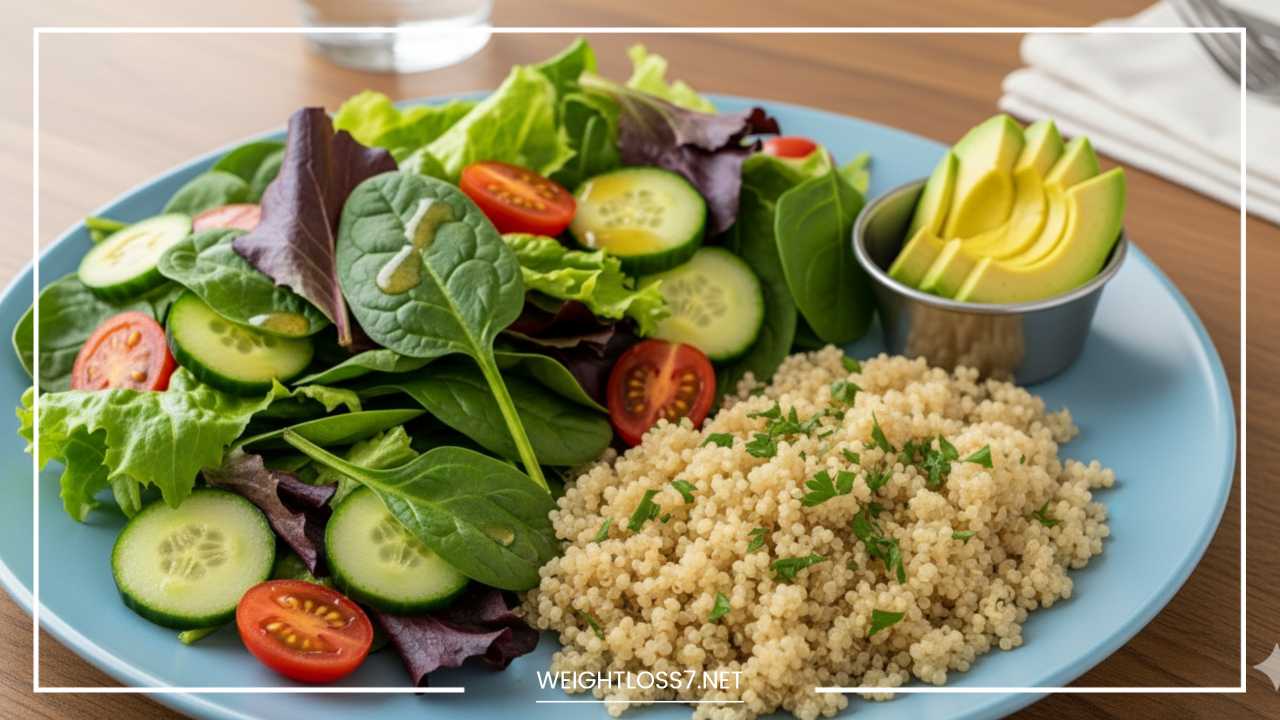
Focusing on the right mix of macronutrients—carbohydrates, fats, and proteins—is vital. Carbohydrates, particularly those from whole grains, legumes, fruits, and vegetables, are your body’s primary source of energy. They provide the fuel for your workouts and daily activities. Healthy fats, found in avocados, nuts, seeds, and certain oils, are essential for hormone production and nutrient absorption. They also contribute to satiety, helping you feel full and satisfied. Lastly, protein is crucial for building and repairing tissues, and it has a high thermic effect, meaning your body burns more calories digesting it. Including a source of protein in every meal can significantly aid in weight loss by increasing satiety and preserving muscle mass.
Portion control and mindful eating are powerful tools. Mindful eating involves paying attention to your body’s hunger and fullness cues. Instead of eating while distracted, take the time to savor your food, noticing its flavors and textures. This practice helps you recognize when you’re truly full, preventing overeating. You can practice portion control by using smaller plates, bowls, and glasses, which can help you visually manage your intake without feeling deprived.
A critical component of a healthy diet is fiber. Fiber-rich foods like vegetables, fruits, whole grains, and legumes are essential. Fiber adds bulk to your meals, helping you feel full for longer, which naturally reduces overall calorie intake. It also supports digestive health and helps regulate blood sugar levels.
Finally, hydration plays a significant role in metabolism and appetite. Sometimes, your body can mistake thirst for hunger. Drinking plenty of water throughout the day can help manage appetite and keep your metabolism running efficiently. Aim for at least eight glasses of water daily, and consider starting your meals with a glass of water to promote a feeling of fullness.
Physical Activity and Exercise
While nutrition is often said to be 80% of weight loss, physical activity is the essential complement that maximizes results and promotes long-term health. Exercise not only burns calories but also builds muscle, boosts metabolism, improves mood, and enhances cardiovascular health.
A balanced exercise routine should include a mix of different types of activity:
- Cardio (Aerobic Exercise): Activities like walking, jogging, cycling, and swimming are excellent for burning calories and improving heart health. They can be a great way to start, as they don’t require specialized equipment and can be adjusted to any fitness level. Aim for at least 150 minutes of moderate-intensity cardio per week.
- Strength Training (Resistance Training): This is non-negotiable for anyone serious about weight loss. Lifting weights, using resistance bands, or doing bodyweight exercises (like squats and push-ups) builds muscle mass. As muscle tissue burns more calories at rest than fat tissue, increasing your muscle mass helps to elevate your metabolism, making it easier to maintain your weight loss in the long run.
- Flexibility and Balance: Activities like yoga and stretching are important for preventing injuries and improving mobility. While they may not burn as many calories as cardio or strength training, they are vital for overall physical well-being and can make it easier to stay active.
The key is to find activities you genuinely enjoy. If you hate running, don’t force it. Try dancing, hiking, or a team sport. Consistency is more important than intensity in the beginning. Even incorporating small bursts of activity, like taking the stairs instead of the elevator or walking during your lunch break, adds up over time. Make movement a natural part of your daily life.
Lifestyle Factors Influencing Weight Loss
Weight loss isn’t just about what you eat or how you move; it’s deeply intertwined with your overall lifestyle. Overlooking these factors can derail even the most well-intentioned efforts.
Sleep quality is a powerful determinant of weight management. When you don’t get enough sleep, your body’s hormone balance is thrown off. The hunger hormone, ghrelin, increases, making you feel more hungry, while the satiety hormone, leptin, decreases, making you feel less full. Lack of sleep also raises cortisol levels, the stress hormone, which can promote fat storage, especially around the abdomen. Aim for 7-9 hours of quality sleep per night to support your weight loss goals.
Stress management is equally critical. Chronic stress leads to elevated cortisol levels, which can drive cravings for high-calorie, high-fat foods. Many people turn to food as a coping mechanism for stress, leading to a cycle of emotional eating. Finding healthy ways to manage stress—such as meditation, deep breathing exercises, spending time in nature, or engaging in a hobby—can help break this cycle and prevent stress-related weight gain.
Consistency and patience are the unsung heroes of successful weight loss. The journey is not a straight line; there will be setbacks and plateaus. Instead of aiming for perfection, strive for consistency. A single bad meal or missed workout doesn’t ruin your progress. It’s the cumulative effect of small, consistent habits that leads to lasting change. Embrace the process and celebrate every small victory along the way. Be wary of quick fixes and fad diets that promise rapid results, as they are often unsustainable and can lead to a cycle of yo-yo dieting.
Behavioral and Psychological Approaches
Weight loss is as much a mental game as it is a physical one. Adopting the right mindset is crucial for long-term success.
Setting realistic, achievable goals is the first step. Instead of an overwhelming target like “lose 50 pounds,” break it down into smaller, manageable goals, such as “lose 5 pounds this month” or “walk for 30 minutes every day.” These smaller wins build momentum and confidence.
Tracking your progress is a helpful tool, but it’s important to look beyond just the number on the scale. Celebrate non-scale victories, such as your clothes fitting better, having more energy, or being able to complete a longer workout. Tracking your food intake and exercise can also provide valuable insight into your habits and help you identify areas for improvement.
Building positive habits and routines is the foundation of sustainable change. Instead of focusing on what you can’t have, focus on what you can add to your life. For example, instead of “I can’t eat dessert,” try “I will add a big salad to my lunch every day.” Small, positive changes are easier to stick with and accumulate over time.
Finally, social support and accountability can make a world of difference. Share your goals with a trusted friend, family member, or join a supportive community. Having someone to cheer you on, offer a listening ear, or even join you for a walk can provide the motivation you need to stay on track.
Common Myths and Misconceptions
The world of weight loss is filled with misinformation. Debunking these myths is essential for making informed decisions.
- “Carbs make you fat.” This is a pervasive myth. The truth is that excessive calories, not a specific macronutrient, cause weight gain. Carbohydrates are vital for energy, and complex carbs from whole grains and vegetables are an important part of a healthy diet.
- “You have to starve to lose weight.” This is dangerous and untrue. Severe calorie restriction can slow your metabolism, lead to nutrient deficiencies, and is completely unsustainable. A moderate, healthy deficit is the way to go.
- “Supplements are a magic solution.” While some supplements can support your health, none are a substitute for a healthy diet and regular exercise. They are not a shortcut to weight loss and often come with exaggerated claims.
- “Spot reduction is possible.” You cannot choose where your body loses fat. While exercise can tone muscles in a specific area, fat loss occurs systemically throughout the body.
Practical Tips for Everyday Weight Loss Success
Turning knowledge into action is the final step. Here are some practical tips to help you on your journey:
- Meal Prep and Planning: Dedicate a few hours each week to planning and preparing your meals. This simple act can save you time, money, and calories by making it easier to stick to your plan when you’re busy.
- Healthy Snack Ideas: Keep healthy, pre-portioned snacks on hand, such as a handful of nuts, a piece of fruit, or chopped vegetables with a dip. This prevents you from reaching for unhealthy options when hunger strikes.
- Eating Out Smarter: When dining out, look at the menu ahead of time, opt for grilled or baked options over fried, and don’t be afraid to ask for sauces on the side. You can also share an entrée or take half of your meal home.
- Staying Motivated During Plateaus: Weight loss isn’t always linear. If you hit a plateau, don’t get discouraged. Re-evaluate your calorie intake and exercise routine. Sometimes, simply changing up your workout can re-kickstart your progress.
Final Thoughts
Weight loss is a journey of self-discovery, resilience, and commitment to your well-being. It’s not about achieving a specific number on the scale but about cultivating a healthier relationship with your body, food, and exercise. Embrace a balanced, sustainable approach, and focus on progress, not perfection. By making small, consistent changes, you can transform not only your body but your entire life. Remember that every positive choice you make is a step toward a healthier, happier you. You have the power to create lasting change, one step at a time.