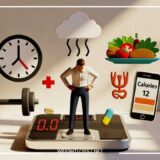
Losing Fat Quickly: Effective Tips for Fast Fat Loss


Losing Fat Quickly: Effective Tips for Fast Fat Loss
In the journey toward a healthier physique, the desire for rapid fat loss is a common and powerful motivator. Whether preparing for an event or simply eager to see faster results from hard work, understanding how to lose fat quickly—but safely—is essential. This comprehensive article will delve into the science and practical strategies that can accelerate your progress, allowing you to achieve a leaner physique without compromising your long-term well-being.
Understanding Fast Fat Loss
When most people step on the scale, they see a number that represents their total weight. This weight includes bone mass, water, muscle, and body fat. True fat loss is the targeted reduction of the fat mass stored in the body. Simple “weight loss,” especially when rapid, often includes a significant, temporary drop in water weight or, worse, a loss of valuable muscle tissue.
To achieve fast fat loss, the focus must be on maximizing the body’s use of stored fat for energy while preserving lean muscle. While seeking rapid results is understandable, it’s critical to set realistic expectations. Rapid fat loss, when done healthily, might involve seeing greater initial results than later, slower phases, but it should still involve methods that are sustainable for the short term and transitional to a long-term healthy lifestyle. Unrealistic goals lead to burnout and “yo-yo” dieting.
The Science of Fat Loss
The core principle governing fat loss is the calorie deficit. Your body requires energy, measured in calories, to perform all functions—from breathing and thinking to exercising and digesting food. This total energy expenditure is made up of several components:
-
Basal Metabolic Rate (BMR): The calories burned simply to keep your vital organs functioning at rest.
-
Non-Exercise Activity Thermogenesis (NEAT): The energy used for all movement that isn’t formal exercise (e.g., fidgeting, standing, walking around).
-
Thermic Effect of Food (TEF): The calories burned to digest and absorb nutrients.
-
Exercise Activity: The calories burned during structured physical activity.
A calorie deficit occurs when the energy (calories) consumed is less than the energy expended. When the body runs a deficit, it must turn to stored reserves—specifically, stored body fat—to make up the difference.
Hormones and Metabolic Rate
The body’s metabolism is regulated by various hormones. During periods of aggressive calorie restriction, the body can perceive this as a state of famine. Hormones like thyroid hormones (regulating metabolic speed) and leptin (the satiety hormone) can drop, while ghrelin (the hunger hormone) can rise. This is a survival mechanism designed to slow calorie burn and increase hunger.
This is why crash dieting backfires. Extreme, overly restrictive diets might lead to a quick initial drop (mostly water), but they trigger powerful metabolic and hormonal adaptations that make continued fat loss extremely difficult and recovery weight gain almost inevitable. For fast but effective fat loss, the deficit must be strategically managed to be aggressive enough to tap into fat stores but moderate enough to minimize negative hormonal backlash.
Building a Sustainable Calorie Deficit
The key to achieving fast fat loss is to create a deficit that is significant but not debilitating. A good starting point is reducing daily caloric intake by a moderate amount—enough to ensure the body must use stored fat for fuel.
Portion Management Strategies
One of the easiest ways to establish a deficit without tedious counting is through portion management.
-
Use smaller plates to make average portions look larger.
-
Consciously divide your plate: aim for half of the plate to be non-starchy vegetables, a quarter to be a lean protein source (like legumes, cottage cheese, or tofu), and a quarter to be a complex carbohydrate (like whole grains or tubers).
-
Be mindful of high-calorie condiments and added fats, measuring these accurately, as their calories add up quickly.
Tips for Reducing Excess Calories
Often, a significant portion of excess calories comes from beverages and “snack drift.”
-
Switch to water: Eliminate or severely limit sugary drinks, specialty coffees, and alcoholic beverages. These are often high in calories but low in satiety.
-
Avoid grazing: Structure your eating into defined meals and limit snacking. If you do need a snack, pre-portion it instead of eating straight from the container.
High-Volume, Lower-Calorie Meal Ideas
To feel full while maintaining a deficit, focus on high-volume foods—those that take up a lot of space in your stomach but contain fewer calories. These foods are generally high in water and fiber.
-
Soups and Stews: Start meals with a broth-based vegetable soup. The volume of the liquid helps fill you up before the main course.
-
Large Salads: Build massive salads using leafy greens, cucumbers, and tomatoes. Top with a moderate amount of beans, lentils, or seeds, and use a light vinaigrette.
-
Oatmeal/Grains: A bowl of oats or other whole grains, prepared with water or an unsweetened milk alternative and topped with berries, provides great volume and fiber for a satisfying meal.
Choosing Nutrient-Dense Foods
The type of calories you consume is just as important as the total number, especially when pursuing fast fat loss. Nutrient-dense foods provide the vitamins, minerals, and macronutrients needed to support metabolism and muscle preservation, ensuring you’re losing fat, not health.
The Role of Macronutrients
-
Importance of Fiber: Fiber, found abundantly in fruits, vegetables, legumes, and whole grains, is crucial. It adds bulk to food, aids digestion, and, most importantly, significantly increases satiety (the feeling of fullness), which helps control appetite and maintain the deficit.
-
Complex Carbohydrates: These provide sustained energy for workouts and daily function. Unlike refined sugars, whole grains, tubers, and legumes are digested slowly, preventing energy crashes and helping stabilize blood sugar.
-
Healthy Fats: Essential fats are vital for hormone production and nutrient absorption. While calorie-dense, incorporating small amounts of healthy fats from sources like avocados, nuts, seeds, or olives can help regulate appetite and keep you satisfied.
Examples of Whole-Food Categories
You can build satisfying, fat-loss-friendly meals using these categories:
-
Vegetables: All types of greens, cruciferous vegetables (broccoli, cauliflower), root vegetables, and squash.
-
Fruits: Berries, apples, pears, and citrus fruits are excellent sources of fiber and antioxidants.
-
Legumes: Lentils, beans (black, kidney, chickpeas), and peas are powerhouses of protein and fiber.
-
Grains: Oats, quinoa, brown rice, and whole-wheat pasta.
-
Nuts and Seeds: Walnuts, almonds, chia seeds, and flaxseeds (in moderation, due to high-calorie density).
-
Dairy or Dairy Alternatives: Cottage cheese, Greek yogurt, or fortified milk alternatives (like soy, almond, or oat).
Hydration and Its Impact on Fat Loss
Optimal hydration is an often-overlooked component of fast fat loss. Water affects metabolism, hunger, and physical performance.
How Hydration Helps
-
Metabolism Support: Water is necessary for virtually every metabolic process, including lipolysis (the breakdown of fat). Dehydration can slightly slow down your metabolic rate.
-
Hunger Management: The brain sometimes confuses thirst with hunger. Drinking a glass of water before a meal or when a craving hits can help you distinguish between true hunger and simple dehydration, reducing unnecessary calorie intake.
-
Performance: Proper hydration ensures you have the energy to perform your workouts effectively, maximizing the calories you burn during exercise.
Practical Hydration Strategies
-
Start the Day Right: Drink 1-2 glasses of water upon waking to kickstart your metabolism and rehydrate.
-
Carry a Bottle: Keep a reusable water bottle with you at all times as a visual reminder to sip throughout the day.
-
Low-Calorie Beverage Ideas: If you find plain water boring, infuse it with slices of lemon, cucumber, or mint, or choose unsweetened herbal teas or sparkling water.
Optimizing Your Eating Patterns
How and when you eat can significantly influence your ability to maintain a calorie deficit and accelerate fat loss.
Benefits of Structured Meal Timing
Establishing consistent meal timing helps regulate hunger hormones and makes it easier to track your caloric intake. Irregular eating can lead to overcompensation during the next meal. Aim for 3-4 balanced, structured meals per day.
How to Reduce Late-Night Overeating
For many, the most significant calorie surplus occurs between dinner and bedtime. Strategies to combat this include:
-
Make Dinner Satisfying: Ensure your dinner is rich in protein and fiber to maximize satiety, reducing the urge for an evening snack.
-
Establish a “Kitchen Closing Time”: Decide on a time (e.g., 8:00 PM) after which the kitchen is closed for the evening. Brush your teeth immediately after dinner to mentally signal the end of eating.
Mindful Eating Techniques
Mindful eating means paying full attention to the food you are consuming.
-
Slow Down: Chew your food thoroughly and put your fork down between bites. It takes about 20 minutes for your stomach to signal to your brain that you are full. Eating too quickly leads to overconsumption.
-
Eliminate Distractions: Eat meals at a table without screens (TV, phone, computer). Focusing on the taste and texture of your food increases enjoyment and awareness of satiety cues.
Exercise Strategies for Rapid Fat Loss
While nutrition creates the deficit, exercise helps increase the quality of the weight loss by preserving muscle and maximizing fat burn. A strategic exercise plan for fast fat loss should incorporate strength training, high-intensity intervals, and steady-state cardio.
1. Strength Training
Why Muscle Mass Boosts Metabolism: Muscle tissue is metabolically active, meaning it burns more calories at rest than fat tissue. By engaging in strength training, you preserve or even build muscle mass. This prevents your BMR from slowing down too much as you lose weight, a critical factor in maintaining fast fat loss.
-
Beginner-Friendly Routines: Start with compound movements, which work multiple muscle groups simultaneously, maximizing calorie burn and efficiency. Examples include squats, lunges, push-ups, rows (using resistance bands or weights), and planks.
-
How to Combine Moves: Structure your workouts to combine a lower-body exercise (squats) with an upper-body push (push-ups) or pull (rows) and a core move (plank) to create a full-body routine. Aim for 2-3 sessions per week.
2. High-Intensity Interval Training (HIIT)
Why it Accelerates Fat Loss: HIIT involves short bursts of maximal-effort exercise followed by brief recovery periods. This training style is highly effective for fat loss due to the “Afterburn Effect” or EPOC (Excess Post-Exercise Oxygen Consumption), where your body continues to burn calories at an elevated rate for hours after the workout is complete.
-
Sample Beginner HIIT Formats: Perform a maximal-effort exercise (e.g., running in place, jumping jacks, burpees) for 30 seconds, followed by 60-90 seconds of low-intensity recovery (slow walk). Repeat this cycle for 15-20 minutes total. Aim for 1-2 sessions per week.
3. Low-Intensity Steady State (LISS) Cardio
LISS is sustained, low-to-moderate effort cardio, such as brisk walking, gentle cycling, or swimming, for an extended period (30–60 minutes).
-
Active Recovery: LISS is ideal for active recovery days. It increases overall calorie expenditure without adding significant stress to the body, aiding recovery from intense strength or HIIT sessions.
Increasing Daily Movement (NEAT Boosters)
Non-Exercise Activity Thermogenesis (NEAT) is a silent contributor to a massive number of burned calories. For fast fat loss, maximizing NEAT is essential.
-
The Importance of Non-Exercise Activity: NEAT accounts for all the incidental energy expenditure that isn’t sleeping, eating, or formal exercise. Increasing NEAT allows you to widen your calorie deficit without needing to spend extra time in the gym.
-
Small Lifestyle Changes:
-
Increase Steps: Aim for 10,000 steps daily. Use a standing desk or take walking meetings.
-
Posture and Fidgeting: Consciously correct your posture and allow yourself to fidget or tap your feet—this subtle movement adds up.
-
Chores: Engage actively in housework, gardening, or walking pets.
-
Take the long way: Always opt for stairs instead of the elevator or park further away from your destination.
-
Sleep and Stress Management
Ignoring recovery is a common mistake that sabotages efforts to achieve fast fat loss. Sleep and stress directly impact the hormones that regulate hunger, fat storage, and energy expenditure.
How Poor Sleep Slows Fat Loss
Chronic sleep deprivation (getting less than 7-9 hours) elevates cortisol (the stress hormone) and disrupts the balance of ghrelin and leptin.
-
Increased Hunger: Elevated ghrelin and reduced leptin make you feel hungrier, specifically for high-sugar, high-calorie foods.
-
Fat Storage: High cortisol levels are linked to increased visceral (belly) fat storage.
Stress Hormones and Fat Storage
Chronic psychological or physical stress keeps cortisol elevated, signaling the body to hold onto energy reserves and store fat, often preferentially around the abdomen.
Techniques for Recovery
-
Sleep Hygiene: Maintain a strict, consistent bedtime and wake-up time. Ensure your bedroom is dark, quiet, and cool. Power down screens an hour before bed.
-
Relaxation Routines: Practice deep-breathing exercises, meditation, or gentle stretching for 10 minutes daily to lower cortisol levels.
-
Reduce Stimulants: Limit caffeine intake, especially after noon.
Tracking Progress Effectively
The scale can be a misleading metric when pursuing fast fat loss, as fluctuations in water weight or gains in muscle mass can mask successful fat reduction.
Why Scale Weight is Not Enough
If you are incorporating strength training, you may be losing fat while simultaneously gaining small amounts of muscle. Since muscle is denser than fat, your scale weight might stall or even slightly increase, despite your body composition improving dramatically.
Ways to Measure True Progress
-
Tape Measurements: Track your circumference measurements (waist, hips, chest, arms) every 2-4 weeks. A shrinking waistline is a clear indicator of successful fat loss.
-
Progress Photos: Take a photo (front, back, and side) once a month. Visual changes often become apparent long before the scale reflects them.
-
Clothing Fit: Notice how your clothes feel. If they are looser, you are losing fat, regardless of the scale.
-
Energy Levels: Increased energy, better sleep, and improved mood are powerful indicators of overall health and fat-loss success.
Avoiding Obsessive Tracking
While accountability is key, obsessive daily tracking can be detrimental to motivation. Measure once per week or every two weeks, not daily, to capture trends rather than daily fluctuations.
Overcoming Common Fat-Loss Roadblocks
The path to fast fat loss is rarely linear. Anticipating and planning for common setbacks is vital for sustained success.
Plateaus and How to Break Them
A plateau occurs when fat loss stalls despite consistent adherence. This is often a sign of metabolic adaptation.
-
The Diet Break: Take a short, controlled break (5-7 days) where you slightly increase your calories back to a maintenance level. This can help reset hormones like leptin and ghrelin.
-
Exercise Shock: Change your workout routine entirely. If you’ve been doing LISS, switch to HIIT, or increase the resistance/load in your strength training.
-
Re-Evaluate Intake: Ensure that portion sizes haven’t crept up and that you are accurately tracking your food intake.
Emotional Eating
Using food to cope with stress, boredom, or sadness is a major obstacle. Develop non-food coping mechanisms:
-
Take a walk (NEAT booster!).
-
Call a friend.
-
Practice a relaxation technique.
-
Keep a journal to identify the emotion driving the urge to eat.
Social Situations
Dining out or social events can derail a deficit. Strategies include:
-
Pre-Eat: Have a small, high-protein snack before you leave to curb extreme hunger.
-
Scout the Menu: Look up the menu beforehand and decide on a fat-loss-friendly option.
-
Smart Swaps: Order sauces or dressings on the side and choose baked, steamed, or grilled options over fried ones.
Safe “Fast Fat Loss” vs. Unsafe Approaches
There is a major difference between effective, accelerated fat loss and dangerous, unsustainable dieting.
Unrealistic Claims to Avoid
Be skeptical of anything promising extreme weight loss (e.g., “10 pounds in 3 days”). These results are generally achieved by losing water and are metabolically damaging.
Dangers of Extreme Dieting
-
Dehydration Tactics: Sauna suits or excessive laxative use are harmful and only result in temporary water loss, not fat loss.
-
Extreme Restriction: Very low-calorie diets (below 1,200 calories without medical supervision) can lead to muscle loss, nutrient deficiencies, and serious metabolic slowdown, making fat loss harder in the long run.
-
Unproven Supplements: Focus on whole foods and proven strategies rather than relying on unverified supplements or “fat burners.”
Healthy Short-Term Strategies
A safe approach to fast fat loss involves maximizing the deficit through combined strategies: a structured, moderate calorie deficit coupled with high-intensity exercise and increased NEAT, all while prioritizing protein, fiber, and adequate sleep.
Motivation and Mindset for Quick Yet Sustainable Results
Fat loss starts in the mind. The mindset required for rapid success needs to be disciplined yet flexible.
Building Discipline Through Small Wins
Start with micro-habits—one glass of water upon waking, a 15-minute walk after lunch, or tracking just your breakfast. Success in small areas builds momentum and the discipline needed to tackle larger goals.
How to Avoid Burnout
An overly intense plan can lead to burnout. Schedule rest days and allow for occasional, controlled flexibility (a planned treat meal). Consistency over perfection is the key to maintaining a fast-paced plan.
The Power of Routine and Environment
-
Routine: Automate your healthy choices. Prep meals on a fixed day, lay out your workout clothes the night before, and stick to your sleep schedule.
-
Environment: Remove tempting, high-calorie foods from your immediate environment and stock your fridge/pantry with only nutrient-dense options. Make the healthy choice the easy choice.
Sample Weekly Fat-Loss Plan
This sample provides a template for integrating all the discussed strategies.
Balanced Eating Pattern Overview
-
Breakfast: Whole-grain oatmeal with berries and a serving of nuts/seeds, or a high-protein cottage cheese bowl with fruit.
-
Lunch: Large salad with a base of leafy greens, a scoop of lentils or beans, and various chopped vegetables, dressed lightly.
-
Dinner: Baked tofu or a serving of legumes with a large portion of steamed or roasted non-starchy vegetables and a small serving of quinoa or brown rice.
-
Snacks (Optional, if truly hungry): Plain Greek yogurt, a piece of fruit, or a small handful of almonds.
Example Workout Schedule
| Day | Focus | Activity | Duration |
| Monday | Strength Training | Full-Body Compound Moves | 45 min |
| Tuesday | LISS/NEAT | Brisk Walk or Light Cycling | 60 min |
| Wednesday | HIIT | Full-Body Intervals (30s on/90s off) | 20 min |
| Thursday | Strength Training | Full-Body Compound Moves | 45 min |
| Friday | Active Recovery | Gentle Yoga/Stretching | 30 min |
| Saturday | LISS/NEAT | Hiking, Swimming, or Extended Walk | 60-90 min |
| Sunday | Rest | Focus on Sleep & Relaxation | N/A |
Daily Habit Checklist
-
Drink 8 glasses of water.
-
Hit 10,000 steps (NEAT).
-
Prioritize a protein and fiber source at every meal.
-
Limit all processed, sugary beverages.
-
Get 7-9 hours of quality sleep.
Final Thoughts
Losing fat quickly is an ambitious goal, but it is possible when approached with strategy and discipline. By focusing on creating a significant yet manageable calorie deficit, prioritizing nutrient-dense foods, leveraging a combination of strength training and cardio, and optimizing crucial recovery factors like sleep and stress, you can accelerate your results.
Remember that balance and sustainability are the ultimate long-term goals. While you are implementing a fast fat-loss plan, focus on building lifelong habits—like consistent movement and mindful eating—that will serve you long after your initial goal is met. You can achieve fast progress without harming your health; embrace the challenge, stay consistent, and celebrate the small wins along the way.