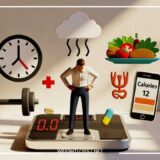
I Need Help Losing Weight – Free Assistance Available


I Need Help Losing Weight – Free Assistance Available
The journey to losing weight is one of the most common and often challenging goals people set for themselves. It’s a pursuit that touches on physical health, mental well-being, and self-confidence. For many, the desire to shed a few pounds or make a significant lifestyle change is strong, but the path forward can seem overwhelming. With an endless stream of commercial diets, expensive gym memberships, and specialized programs, it’s easy to feel like you can’t succeed without a large financial investment. But this couldn’t be further from the truth.
This article is for anyone who has ever felt stuck, discouraged, or simply unsure of where to start. It’s for those who believe that getting healthy must be a costly endeavor. We’re here to tell you that it doesn’t have to be. There are countless free resources, proven strategies, and a wealth of support systems available right now that can help you on your weight loss journey. The key is knowing where to look and, more importantly, understanding that the most powerful tools are often the simplest ones. Losing weight is less about spending money and more about investing time in yourself, your habits, and your health.
Understanding Weight Loss: The Foundation
Before diving into the tools and tips, it’s crucial to understand the fundamental principles of weight loss. At its core, weight loss is a matter of energy balance. Our bodies are like a car that runs on fuel. The food and drinks we consume provide that fuel, measured in calories. When we consume more calories than our body uses for daily functions and activities, the excess energy is stored, leading to weight gain. Conversely, to lose weight, you need to create a calorie deficit—meaning you burn more calories than you consume.
This principle is deceptively simple because many factors influence it. Your metabolism, which is the rate at which your body burns calories, can be affected by age, genetics, and muscle mass. Your activity level plays a direct role in how many calories you expend. Beyond these, factors like stress, sleep quality, and even the types of food you eat can impact your body’s ability to manage weight. It’s a complex system, but the core principle of a calorie deficit remains the most critical component.
One important distinction to make is between weight loss and fat loss. While the scale is a useful tool, it doesn’t tell the whole story. When you lose weight, you may be losing water, muscle, and fat. The real goal is to lose fat while preserving muscle mass, as muscle helps boost your metabolism. This is why incorporating physical activity is so vital—it helps you build and maintain muscle, making your weight loss efforts more sustainable and effective in the long run.
The most successful approach to weight loss is not about a quick, drastic change but about consistency. It’s about building a series of small, manageable habits that, over time, add up to significant results. Instead of focusing on a temporary “diet,” think of it as building a new, healthier lifestyle that you can maintain indefinitely. This shift in mindset is the first, and perhaps most important, step.
Free Resources for Weight Loss Support
The idea of tackling a weight loss journey alone can be daunting, but you don’t have to. The internet and your local community are full of free resources designed to support and guide you.
1. Online Communities: Social media and online forums can be powerful allies. Platforms like Reddit have sub-communities dedicated to weight loss (e.g., r/loseit), where people share their progress, struggles, and advice. These are judgment-free zones where you can ask questions, find inspiration, and connect with people who are going through the exact same thing. Facebook groups centered around health, fitness, or specific exercise types also offer a great sense of community and accountability. These platforms provide a space to celebrate your successes and get a boost of motivation when you’re feeling down.
2. Free Fitness and Nutrition Apps: You don’t need a personal trainer or nutritionist when you have a smartphone. Many apps are available for free that can serve as your personal coach.
- MyFitnessPal and Cronometer: These are popular for tracking calories, macronutrients (carbohydrates, protein, fat), and exercise. They have vast databases of food, making it easy to log what you eat and see if you’re meeting your goals.
- Nike Training Club: This app offers hundreds of free workouts, from bodyweight exercises to yoga and strength training. You can choose a program or a single workout based on your fitness level and time availability.
- Jefit: Ideal for those who want to track their strength training, this app provides detailed exercise instructions and allows you to log your sets, reps, and weights.
- Headspace and Calm: While not directly for weight loss, these apps offer free guided meditations and mindfulness exercises that can help you manage stress and emotional eating, which are common hurdles on this journey.
3. Local Support Groups: Check out local community centers, libraries, or health organizations. Many of them host free or low-cost support groups focused on health and wellness. These in-person meetings can provide a level of personal connection that online communities can’t replicate. Sharing your experiences and hearing others’ stories can be incredibly motivating and provide a sense of accountability.
4. Free Online Coaching and Tutorials: YouTube is a treasure trove of free content. You can find channels dedicated to:
- Fitness: Channels like FitnessBlender, POPSUGAR Fitness, and The Body Coach offer full-length, follow-along workouts for all levels and types of exercises, from high-intensity interval training (HIIT) to low-impact routines.
- Nutrition: Registered dietitians and nutritionists often have channels or podcasts where they share evidence-based advice on healthy eating, portion control, and meal planning. You can learn the “why” behind healthy habits without paying for a consultation.
Practical Tips for Getting Started
Starting a weight loss journey doesn’t require a complete overhaul of your life. In fact, a gradual approach is often more effective and sustainable.
1. Start Slow, Set Realistic Goals: Instead of aiming to lose a large amount of weight in a short time, set small, achievable goals. A goal of losing 1-2 pounds per week is considered healthy and sustainable. This might translate to a modest calorie deficit of 500 calories per day, which is easily managed with small changes. Focus on non-scale victories, such as having more energy, your clothes fitting better, or being able to walk a little farther each day.
2. Create a Sustainable Routine: The best routines are the ones you can stick to. Start with simple changes. If you currently drink sugary beverages, try replacing one a day with water. If you’re sedentary, start by adding a 15-minute walk after dinner. These small shifts in your daily habits are more likely to last than a radical, unsustainable change.
3. Track Your Progress: Tracking is a crucial element of success. While the scale is a common tool, don’t rely on it exclusively. Take progress photos to see the changes in your body shape over time. Use a tape measure to track inches lost around your waist, hips, and other areas. Keep a journal to log your workouts, what you ate, and how you felt. Seeing your progress in multiple ways will keep you motivated, especially on days when the number on the scale doesn’t change.
4. The Mindset Shift: Your mindset is a powerful tool. Instead of focusing on what you’re “giving up,” focus on what you’re “gaining”—more energy, better sleep, improved health. Be kind to yourself. There will be days when you slip up. Acknowledge it, learn from it, and get back on track the next day. Self-compassion is a cornerstone of long-term success.
Free Workout Plans and Physical Activity Tips
You don’t need an expensive gym membership or fancy equipment to get a great workout. Your own body and the world around you are the only tools you need.
1. Home Workouts: The free online resources mentioned earlier are perfect for home workouts. You can find everything from beginner-friendly routines to intense circuits. A quick search on YouTube will bring up thousands of free workout videos. You can find:
- HIIT (High-Intensity Interval Training): Short, intense workouts that are great for burning calories and boosting metabolism.
- Yoga and Pilates: Excellent for flexibility, core strength, and reducing stress.
- Dance Fitness: A fun way to get your heart rate up without it feeling like a chore.
2. Walking and Outdoor Activities: Walking is one of the most underrated forms of exercise. It’s free, low-impact, and can be done almost anywhere. Start with a 30-minute walk a few times a week and gradually increase your duration or intensity. Explore local parks, hiking trails, or simply walk through your neighborhood. Cycling, jogging, and even playing with children or pets are all great ways to incorporate more movement into your day without spending a dime.
3. Bodyweight Exercises: Many effective exercises require no equipment at all. A routine of squats, lunges, push-ups, planks, and crunches can provide a full-body workout that builds strength and burns calories. These exercises can be modified to suit any fitness level, from a beginner to an advanced athlete.
4. Consistency Over Intensity: The best workout is the one you will do. Don’t feel pressured to jump into a one-hour, high-intensity routine if you’re a beginner. Starting with three 20-minute walks a week is far more effective in the long run than trying one intense workout and then burning out. Build a consistent habit first, and then you can gradually increase the intensity and duration as you get fitter.
Free Nutrition Tips for Weight Loss
You don’t need to subscribe to a specialized diet plan to eat healthier. The most effective nutrition changes are often simple and based on common sense.
1. Portion Control: This is perhaps the most powerful and free nutrition tool available. Many people are unaware of what a standard portion size looks like. Use smaller plates, bowls, and cups to trick your mind into thinking you’re eating more. Learn to recognize and honor your body’s fullness cues. You can also use a simple hand guide: your palm for a serving of protein, your fist for vegetables, and your cupped hand for starches.
2. Mindful Eating: This practice involves paying attention to the food you’re eating—its taste, texture, and smell—and listening to your body’s hunger and fullness signals. Put away distractions like your phone or TV. Chew your food slowly and savor each bite. This can prevent overeating and make you feel more satisfied with less food.
3. Free Tools for Meal Planning: Meal planning can save you time, money, and calories. Apps like Mealime and Yummly offer free recipes and meal plans tailored to your needs. You can also simply use a notebook and pen. Plan out your meals for the week, create a shopping list, and stick to it. This prevents you from making impulse, unhealthy food choices when you’re hungry.
4. Budget-Friendly Healthy Eating Tips: Eating healthy doesn’t have to be expensive.
- Buy in season: Produce that is in season is often cheaper.
- Buy frozen: Frozen fruits and vegetables are just as nutritious as fresh and often cost less. They also last a long time, so there’s no waste.
- Cook in batches: Cook larger quantities of healthy meals and store them in the fridge or freezer. This provides quick, healthy options for busy days, preventing you from reaching for a convenient but unhealthy alternative.
- Compare prices: Check different stores or look for sales on your favorite healthy staples.
Overcoming Common Weight Loss Challenges
The path to a healthier you is not always smooth. You will encounter obstacles, but being prepared for them is half the battle.
1. Lack of Motivation: Motivation is a fleeting emotion. The key is to rely on discipline and habit. Create a routine that is so ingrained that it feels automatic. Find your “why”—why do you want to lose weight? Is it for your health, your family, or your self-confidence? Keep that reason in the forefront of your mind. Remind yourself of your progress by looking at your journal entries or photos.
2. Emotional Eating: Many people turn to food for comfort when stressed, bored, or sad. It’s a normal human response. The goal is not to eliminate it entirely but to find healthier coping mechanisms. Try journaling about your feelings, calling a friend, going for a walk, or engaging in a hobby you enjoy. Use your mindfulness practice to identify your triggers and choose a different response.
3. Dealing with Plateaus: At some point, your weight loss may stall. This is a normal part of the process, and it doesn’t mean you’re doing anything wrong. Your body is simply adjusting. When you hit a plateau, try to shake things up. Change your workout routine, or re-evaluate your calorie intake. Sometimes, a “re-feed” day or a slight increase in calories can give your metabolism the boost it needs. Be patient and consistent, and your body will start responding again.
Staying Accountable and Motivated Long-Term
Weight loss is not a temporary fix; it’s a lifelong journey of building healthy habits.
1. Accountability Partners: Find a friend, family member, or colleague who has similar goals. You can motivate each other, share recipes, and even work out together. Knowing someone is counting on you can be a powerful motivator.
2. Celebrating Small Wins: Acknowledge and celebrate every success, no matter how small. Did you drink water instead of soda? Celebrate it! Did you stick to your workout plan for the entire week? Treat yourself with a new book or a fun experience, not with food. These small victories reinforce positive behavior and keep you engaged.
3. Building Healthy Habits for Life: The ultimate goal is to reach a point where your healthy habits are so ingrained that they feel natural. You’re not “on a diet,” you’re just living your life. The weight loss is simply a side effect of a healthier, happier you.
Final Thoughts
Losing weight can feel like a daunting task, but it doesn’t have to be an expensive one. The most effective tools are often free and readily available: your own body, the community around you, and a wealth of online resources. By understanding the basics of calorie deficit, embracing consistency, and using the practical, no-cost tips outlined in this article, you can take control of your health.
Remember, this is not a race. It’s a marathon. You don’t need a gym membership or a fancy diet plan to start seeing results. You need a positive mindset, a willingness to make small changes, and the courage to take the first step. The help you need is available, and it won’t cost you a thing. Your journey to a healthier you starts now.