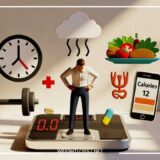
How to Lose Weight Safely


How to Lose Weight Safely | Effective & Healthy Weight Loss Tips
In a world brimming with quick-fix solutions and tantalizing promises, the journey to losing weight often feels like navigating a minefield. Everywhere we turn, new diets emerge, promising miraculous transformations in unbelievably short periods. However, the allure of rapid weight loss can be deceptive, often leading to unsustainable habits, nutrient deficiencies, and even serious health risks. While the desire to shed excess pounds quickly is understandable, especially in a society that often equates thinness with health and happiness, the true path to sustainable weight loss lies in prioritizing safety, long-term well-being, and the adoption of lasting healthy habits.
The dangers of fad diets, extreme calorie restriction, and reliance on unverified supplements are well-documented. Such approaches can trigger a cascade of negative effects, including muscle loss, metabolic slowdown, nutritional imbalances, and an unhealthy preoccupation with food. More often than not, the weight lost rapidly through these methods is regained, sometimes with additional pounds, leading to a frustrating cycle of deprivation and disappointment. Our ultimate goal in this exploration is not just to achieve a lighter number on the scale but to cultivate a lifestyle that fosters holistic health, energy, and vitality for years to come. By understanding the science behind weight management and embracing a balanced, plant-based approach, we can embark on a transformative journey that is both effective and profoundly beneficial for our overall well-being.
Understanding Weight Loss Basics
At its core, weight loss boils down to a fundamental principle: energy balance. To lose weight, your body needs to expend more calories than it consumes. This state is known as a caloric deficit. Think of calories as units of energy. Everything you eat and drink contains calories, and every activity your body performs, from breathing and sleeping to running a marathon, burns calories. When you consistently take in fewer calories than your body uses, your body begins to tap into its stored energy reserves, primarily in the form of fat, leading to weight reduction.
Your metabolism plays a crucial role in this process. Metabolism refers to all the chemical processes that occur in your body to maintain life. A significant portion of the calories you burn daily goes towards your basal metabolic rate (BMR), which is the energy your body needs to perform basic functions at rest. Factors like age, gender, genetics, and muscle mass influence your BMR. While you can’t drastically alter your BMR overnight, building and maintaining muscle mass can help keep your metabolism more efficient.
The reason why quick fixes and extreme diets don’t work in the long run is precisely because they disrupt this delicate energy balance in an unsustainable way. Drastically cutting calories can trick your body into thinking it’s starving, prompting it to slow down your metabolism to conserve energy. This makes it harder to lose weight and easier to regain it once you return to normal eating patterns. Furthermore, many rapid weight loss schemes promote the loss of water weight and muscle mass rather than actual fat, which is detrimental to overall health and metabolism.
For safe and sustainable weight loss, the recommended rate is generally 1 to 2 pounds (approximately 0.5 to 1 kilogram) per week. This gradual approach allows your body to adapt, helps preserve muscle mass, and promotes the adoption of lasting healthy habits. Losing weight too quickly can lead to gallstones, nutrient deficiencies, fatigue, and other health complications. By focusing on a steady, consistent deficit, you set yourself up for long-term success and a healthier relationship with your body and food.
Building a Healthy Plant-Based Diet
Embracing a plant-based diet can be an incredibly effective and safe strategy for weight loss, as it naturally emphasizes nutrient-dense, fiber-rich foods that promote satiety and overall health. The cornerstone of a healthy plant-based approach to weight management is a focus on whole, unprocessed foods. This means prioritizing a vibrant array of fruits, vegetables, legumes, whole grains, nuts, and seeds.
Fruits and vegetables are your allies in weight loss. They are low in calories, high in water content, and packed with essential vitamins, minerals, and antioxidants. Their high fiber content is particularly beneficial as fiber adds bulk to your meals, helping you feel fuller for longer and reducing the likelihood of overeating. Think crisp salads, colorful stir-fries, and abundant servings of fresh berries.
Legumes, such as beans, lentils, and chickpeas, are powerhouse foods for weight loss. They are not only excellent sources of complex carbohydrates and fiber but also provide a substantial amount of plant-based protein. This combination is crucial because protein is highly satiating and helps preserve muscle mass during weight loss, which is vital for maintaining a healthy metabolism. Incorporate them into soups, stews, salads, or create delicious spreads like hummus.
Whole grains like oats, quinoa, brown rice, barley, and whole wheat offer sustained energy release due to their complex carbohydrate and fiber content. Unlike refined grains, which are stripped of their beneficial components, whole grains keep you feeling full and prevent energy crashes that can lead to cravings. Quinoa, in particular, is a complete protein, meaning it contains all nine essential amino acids, making it a valuable addition to a plant-based diet.
Don’t shy away from healthy fats, even when aiming for weight loss. Sources like avocados, olive oil, nuts, and seeds (chia, flax, pumpkin, sunflower) are crucial for nutrient absorption, hormone production, and providing a sense of satisfaction. While calorie-dense, these fats are packed with beneficial compounds and can help curb cravings, preventing you from reaching for less healthy alternatives. Enjoy a handful of almonds, a dollop of avocado in your salad, or drizzle olive oil over your roasted vegetables.
It’s important to distinguish between a healthy plant-based diet and simply eating “vegan” junk food. Highly processed vegan alternatives, such as many meat substitutes, dairy-free cheeses, and packaged snacks, can be high in unhealthy fats, added sugars, and sodium, and often lack the fiber and nutrients found in whole plant foods. While they can be enjoyed occasionally, they should not form the basis of your weight loss strategy. Focus on creating meals from scratch using natural ingredients.
Finally, hydration cannot be overstated. Water is essential for every bodily function, including metabolism. Drinking adequate water throughout the day can help you feel full, reduce cravings, and support your body’s natural detoxification processes. Often, what we perceive as hunger is actually thirst. Aim for at least 8-10 glasses of water daily, and consider herbal teas as a healthy alternative to sugary beverages. Prioritizing whole, unprocessed plant foods, rich in fiber and beneficial nutrients, coupled with ample hydration, forms the bedrock of a safe and effective plant-based approach to weight management.
Portion Control and Mindful Eating
Beyond what you eat, how you eat plays an equally critical role in safe and sustainable weight loss. Portion control and mindful eating are interconnected practices that help you reconnect with your body’s innate wisdom regarding hunger and fullness, preventing overconsumption and fostering a healthier relationship with food.
Many people eat out of habit, distraction, or emotional triggers rather than true physical hunger. Mindful eating encourages you to slow down and pay attention to your body’s signals. Before you even pick up your fork, take a moment to assess your hunger level. Are you truly hungry, or are you eating out of boredom, stress, or just because it’s “mealtime”? Learning to differentiate between physical hunger (a gnawing sensation, lightheadedness) and emotional hunger (a sudden craving for a specific food, eating despite being full) is a powerful step.
When you do eat, practice eating slowly. Put your fork down between bites, savor the flavors, textures, and aromas of your food. Chew thoroughly. It takes approximately 20 minutes for your stomach to signal to your brain that it’s full. If you eat too quickly, you’re likely to consume more food than your body needs before that signal reaches your brain, leading to overeating and discomfort.
Understanding appropriate portion sizes is another key aspect. While a plant-based diet is naturally abundant in lower-calorie, high-volume foods, it’s still possible to overeat, especially on calorie-dense items like nuts, seeds, or rich sauces. Use smaller plates, measure out servings when learning what a proper portion looks like, and pay attention to serving sizes listed on food packaging. Don’t feel obligated to finish everything on your plate if you feel satisfied.
Managing emotional eating is crucial for long-term success. Food can often be used as a coping mechanism for stress, sadness, boredom, or anxiety. Identify your triggers. When you feel the urge to eat emotionally, pause and explore what you’re truly feeling. Can you address that emotion in a healthier way? Perhaps a short walk, a conversation with a friend, a creative hobby, or a few minutes of meditation. By addressing the underlying emotions, you empower yourself to make conscious choices about food rather than reacting impulsively. Mindful eating is not about strict rules or deprivation; it’s about cultivating awareness and respect for your body, leading to more satisfying and intentional eating habits.
Physical Activity for Sustainable Weight Loss
While nutrition forms the cornerstone of weight loss, physical activity is its powerful complement. Exercise supports safe and sustainable weight management in numerous ways, but it’s crucial to understand that it’s not a magic bullet. You cannot out-exercise a consistently unhealthy diet. However, when combined with a well-planned plant-based eating strategy, physical activity significantly enhances your results, improves overall health, and makes weight loss more manageable and enjoyable.
One of the primary benefits of exercise for weight loss is its ability to increase your caloric expenditure, contributing to the necessary caloric deficit. Moving your body burns calories, and the more intensely and frequently you move, the more calories you burn. Beyond immediate calorie burn, regular exercise, particularly strength training, helps build and maintain muscle mass. Muscle tissue is more metabolically active than fat tissue, meaning it burns more calories at rest. This can help prevent the metabolic slowdown often associated with dieting, making it easier to sustain weight loss.
The best types of workouts for weight loss encompass a combination of cardio, strength training, and flexibility.
- Cardiovascular (Aerobic) Exercise: Activities like brisk walking, jogging, cycling, swimming, dancing, or hiking elevate your heart rate and burn a significant number of calories during the workout. Aim for at least 150 minutes of moderate-intensity cardio or 75 minutes of vigorous-intensity cardio per week, spread throughout the days.
- Strength Training: Lifting weights, using resistance bands, or engaging in bodyweight exercises (like squats, lunges, push-ups, planks) builds muscle and increases your resting metabolism. Aim for 2-3 strength training sessions per week, targeting all major muscle groups. You don’t need a gym; many effective bodyweight exercises can be done at home.
- Flexibility and Balance: Yoga, Pilates, and stretching improve your range of motion, prevent injuries, and can also contribute to a stronger core and better posture. While not direct calorie burners for weight loss, they support overall physical well-being and allow for more consistent participation in other forms of exercise.
The key to incorporating physical activity successfully is to start slow and stay consistent. Don’t attempt to go from zero to hero overnight. Begin with activities you enjoy and gradually increase their duration, intensity, or frequency. Even small bouts of activity add up. A 30-minute brisk walk daily can make a significant difference. Home workouts, readily available through online resources and apps, offer accessible options for those without gym access. Simply committing to more walking throughout your day – taking the stairs instead of the elevator, parking further away, or incorporating short walks during breaks – can incrementally increase your activity level.
Equally important is the emphasis on rest and recovery. Your body needs time to repair and rebuild after exercise. Overtraining can lead to fatigue, injury, and even hinder weight loss by increasing stress hormones. Listen to your body, schedule rest days, and prioritize good sleep to allow for optimal recovery and performance. Physical activity isn’t just about burning calories; it’s about building strength, boosting mood, improving energy levels, and fostering a healthier, more resilient body.
Sleep, Stress, and Hormonal Balance
While often overlooked in weight loss discussions, the quality of your sleep and your ability to manage stress are profoundly influential factors in your journey. They directly impact your hormonal balance, which in turn can either facilitate or hinder your weight loss efforts, regardless of how meticulously you follow your diet and exercise plan.
Poor sleep, consistently getting less than 7-9 hours of quality sleep per night, can wreak havoc on your weight. It disrupts the balance of key appetite-regulating hormones:
- Ghrelin: Known as the “hunger hormone,” ghrelin levels increase with insufficient sleep, signaling to your brain that you’re hungry, even if you’ve eaten adequately.
- Leptin: The “satiety hormone,” leptin tells your brain you’re full. When you’re sleep-deprived, leptin levels decrease, meaning your brain doesn’t receive the “stop eating” signal effectively. This hormonal imbalance can lead to increased cravings for high-calorie, sugary, and fatty foods, as your body seeks quick energy to compensate for fatigue. Lack of sleep also reduces your insulin sensitivity, meaning your body struggles to use glucose effectively, potentially leading to more fat storage.
Stress, whether chronic or acute, also plays a significant role through the release of the hormone cortisol. Cortisol, often called the “stress hormone,” is essential for your body’s “fight or flight” response. However, chronic elevated cortisol levels, common in our fast-paced lives, can lead to:
- Increased fat storage: Especially around the abdominal area, as cortisol encourages the body to store fat for perceived future emergencies.
- Increased appetite and cravings: Particularly for comforting, calorie-dense foods.
- Breakdown of muscle tissue: Which further slows metabolism. Managing stress is not just about feeling better mentally; it’s a vital component of physiological health and weight management.
Fortunately, there are actionable steps you can take to improve both sleep and stress levels:
- Prioritize Sleep Hygiene: Establish a consistent sleep schedule, even on weekends. Create a relaxing bedtime routine (e.g., warm bath, reading, gentle stretching). Ensure your bedroom is dark, quiet, and cool. Avoid screens (phones, tablets, TVs) at least an hour before bed. Limit caffeine and heavy meals late in the evening.
- Incorporate Relaxation Techniques: Mindfulness meditation, deep breathing exercises, progressive muscle relaxation, or engaging in hobbies that calm you can significantly reduce stress. Even short breaks to step away from stressors and practice conscious breathing can make a difference.
- Spend Time in Nature: “Forest bathing” or simply taking walks in green spaces has been shown to lower cortisol levels, reduce blood pressure, and improve mood.
- Physical Activity: As mentioned, regular exercise is an excellent stress reliever and can improve sleep quality, but avoid intense workouts too close to bedtime.
By actively addressing sleep deficiencies and stress, you are not just working on weight loss; you are investing in a more balanced hormonal profile, greater energy, improved mood, and a stronger foundation for overall well-being.
Tracking Progress and Setting Realistic Goals
The weight loss journey is rarely a straight line, and relying solely on the number on the scale can be incredibly demotivating. While the scale provides one data point, it doesn’t tell the whole story. For safe and sustainable weight loss, it’s crucial to track progress in multiple ways and set realistic, holistic goals that extend beyond just pounds lost.
Focusing on “non-scale victories” (NSVs) is a powerful way to maintain motivation and acknowledge the broader positive impacts of your healthy habits. These can include:
- Increased Energy Levels: Feeling more vibrant and less fatigued throughout the day.
- Improved Clothes Fit: Your clothes feeling looser, or needing to go down a size.
- Enhanced Fitness Levels: Being able to walk further, run faster, lift more, or complete more repetitions during workouts.
- Better Sleep Quality: Waking up feeling refreshed and well-rested.
- Clearer Skin or Brighter Eyes: Visible improvements in your overall appearance.
- Improved Mood and Mental Clarity: Feeling less anxious, more positive, or more focused.
- Reduced Aches and Pains: Less discomfort in joints or muscles.
- Positive Relationship with Food: No longer feeling controlled by cravings or emotional eating.
To track these NSVs and other forms of progress, consider various methods:
- Measurements: Take circumference measurements (waist, hips, thighs, arms) every 4-6 weeks. Sometimes, even if the scale doesn’t move, you might be losing inches as you gain muscle and lose fat.
- Progress Photos: Take photos from the front, side, and back every 4-8 weeks. Sometimes the visual changes are more striking than the scale.
- Journaling: Keep a food and exercise journal. This helps you identify patterns, track your habits, and reflect on your emotional relationship with food. You can also note how you feel, your energy levels, and your sleep quality.
- Fitness Tracking: Use a fitness tracker or app to monitor your steps, activity minutes, or workout performance (e.g., reps, weights lifted).
It’s vital to avoid obsession with the scale. Daily weigh-ins can be misleading due to fluctuations in water weight, hormonal changes, and food intake. Instead, weigh yourself once a week at the same time, under similar conditions (e.g., first thing in the morning after using the restroom). If the scale doesn’t move, don’t despair. Re-evaluate your habits, not your worth. Remember that plateaus are a normal part of the weight loss journey. Instead of viewing them as failures, see them as opportunities to reassess and adjust your approach.
Setting realistic goals is equally important. Aim for the recommended 1-2 pounds per week. Break down large goals into smaller, achievable milestones. Instead of “lose 50 pounds,” set a goal like “lose 5 pounds this month by adding a 30-minute walk daily and increasing my vegetable intake.” Celebrate these small victories, as they build momentum and reinforce positive habits, making the entire journey feel less daunting and more empowering.
Common Pitfalls to Avoid
Navigating the path to safe weight loss involves not only knowing what to do but also being aware of common pitfalls that can derail your progress and undermine your health. Avoiding these traps is crucial for sustainable success and preventing a frustrating cycle of weight loss and regain.
One of the most common mistakes is skipping meals or undereating. While a caloric deficit is necessary, extreme calorie restriction or missing meals can backfire dramatically. It can slow down your metabolism as your body tries to conserve energy, lead to intense cravings later in the day, and increase the likelihood of binge eating. Furthermore, undereating can lead to nutrient deficiencies, fatigue, and a loss of muscle mass, which is counterproductive to a healthy metabolism. Aim for consistent, balanced meals and snacks that keep you feeling satisfied.
Over-relying on smoothies or supplements is another trap. While some smoothies can be nutrient-dense, relying solely on liquid nutrition can leave you feeling less satisfied due to the lack of chewing and fiber. Many weight loss supplements are unproven, expensive, and can even be dangerous, especially for individuals on a plant-based diet who might already be watching for certain nutrient levels. Always prioritize whole, unprocessed foods as the primary source of your nutrition. If considering supplements, consult with a healthcare professional to ensure they are safe and genuinely necessary for your specific needs, particularly for nutrients like Vitamin B12 or D, which might require supplementation on a strictly plant-based diet.
Comparing yourself to others is a sure path to disappointment and self-criticism. Everyone’s body is unique, and weight loss journeys differ greatly based on genetics, metabolism, starting weight, lifestyle, and individual circumstances. Social media often presents curated, unrealistic portrayals of weight loss. Focus on your own progress, celebrate your own victories, and remember that your journey is personal and valid.
Finally, ignoring mental and emotional well-being can sabotage even the most well-intentioned weight loss plans. Weight is often intertwined with emotional health. Suppressing emotions, dealing with chronic stress, or neglecting self-care can lead to emotional eating or a lack of motivation to maintain healthy habits. Prioritize mental health through stress management, seeking support when needed, and practicing self-compassion. Remember that weight loss is a holistic endeavor that encompasses physical, mental, and emotional health. Addressing these common pitfalls proactively will significantly increase your chances of achieving and maintaining a healthy weight safely and sustainably.
When to Seek Professional Support
While the principles of safe weight loss can be applied independently, there are times when seeking professional support is not just beneficial but highly recommended. Professionals can offer personalized guidance, address specific concerns, and provide accountability that can be invaluable on your journey.
One of the most valuable resources is a registered dietitian (RD), especially one with expertise in plant-based nutrition. A dietitian can assess your current eating habits, calculate your individual caloric and nutrient needs, and help you create a personalized plant-based meal plan that ensures you are meeting all your nutritional requirements while still achieving a caloric deficit for weight loss. They can provide practical strategies for meal preparation, offer advice on navigating social situations, and help debunk common myths. For individuals transitioning to or maintaining a fully plant-based diet, an RD can ensure you are getting adequate protein, iron, calcium, Vitamin B12, Vitamin D, iodine, and omega-3 fatty acids, recommending appropriate food sources or supplementation if necessary.
If your weight gain or loss is significantly tied to emotional issues, disordered eating patterns, or body image concerns, seeking support from a mental health professional, such as a therapist or counselor, is crucial. They can help you explore the underlying psychological factors influencing your relationship with food and your body, develop healthier coping mechanisms, and address issues like emotional eating, binge eating, or distorted body image. A holistic approach to weight loss acknowledges the powerful connection between mind and body.
It is absolutely vital to avoid dangerous online “detoxes,” starvation diets, or extreme supplement regimens marketed by unqualified individuals. These can be incredibly harmful to your health, leading to nutrient deficiencies, electrolyte imbalances, metabolic damage, and a higher likelihood of regaining weight once the restrictive phase ends. Always be skeptical of promises of rapid, effortless weight loss or products that sound too good to be true. Consult with reputable healthcare professionals who base their advice on scientific evidence and prioritize your long-term health. Investing in professional guidance is an investment in your well-being and significantly increases your chances of achieving sustainable and safe weight loss.
Final Thoughts
Embarking on a weight loss journey is a personal and often transformative experience. However, the true measure of success lies not in how quickly the pounds disappear, but in the safety and sustainability of the methods employed. As we’ve explored, safe weight loss is a holistic endeavor that moves far beyond mere calorie counting, embracing a comprehensive approach that nurtures both body and mind.
The foundation of this safe and effective strategy rests firmly on a vibrant, whole-foods plant-based diet. By prioritizing fruits, vegetables, legumes, whole grains, nuts, and seeds, you naturally gravitate towards foods that are rich in nutrients, high in fiber, and inherently satisfying, making a caloric deficit achievable without feeling deprived. This approach naturally avoids the pitfalls of processed foods and ensures a steady supply of energy and essential building blocks for your body. Coupled with mindful eating and thoughtful portion control, this dietary shift empowers you to listen to your body’s signals and cultivate a healthier relationship with food.
Beyond the plate, consistent physical activity, encompassing both cardiovascular exercise and strength training, plays a vital supportive role. It builds muscle, boosts metabolism, and enhances overall fitness, contributing to a more resilient and energetic you. Equally crucial, yet often overlooked, are the interconnected pillars of adequate sleep and effective stress management. By optimizing these areas, you help regulate vital hormones that directly influence appetite, fat storage, and energy levels, creating an internal environment conducive to weight loss.
Tracking progress through non-scale victories and setting realistic, achievable goals ensures that your journey remains empowering and motivating, rather than a cycle of frustration. By being mindful of common pitfalls like extreme restriction or reliance on quick fixes, and knowing when to seek professional support from dietitians or mental health professionals, you arm yourself with the knowledge and resources to navigate challenges safely.
Ultimately, the path to safe weight loss is a marathon, not a sprint. It’s about embracing small, consistent changes that accumulate over time to create profound and lasting results. It’s about celebrating every step forward, learning from setbacks, and prioritizing long-term wellness over fleeting fast fixes. By committing to this balanced, plant-based, and holistic approach, you are not just losing weight; you are building a healthier, happier, and more vibrant life.
Optional Bonus Section: Sample One-Day Plant-Based Meal Plan
This sample meal plan offers a glimpse into how a balanced, whole-foods plant-based diet can support safe weight loss. Portions should be adjusted based on individual caloric needs and activity levels. Remember to stay well-hydrated throughout the day.
Breakfast (approx. 350-400 calories):
- Oatmeal Power Bowl: ½ cup rolled oats cooked with 1 cup unsweetened plant-based milk (almond, soy, oat). Topped with ¼ cup mixed berries (fresh or frozen), 1 tablespoon chopped walnuts, 1 tablespoon chia seeds, and a sprinkle of cinnamon.
- Why it works: Oats provide complex carbohydrates and soluble fiber for sustained energy and satiety. Berries offer antioxidants and natural sweetness. Walnuts and chia seeds contribute healthy fats and plant-based protein.
Mid-Morning Snack (approx. 150-200 calories):
- Apple Slices with Nut Butter: 1 medium apple, sliced, with 2 tablespoons of natural almond butter.
- Why it works: Fiber from the apple and protein/healthy fats from the almond butter create a satisfying and energy-sustaining snack.
Lunch (approx. 450-500 calories):
- Hearty Lentil Soup with Whole Grain Bread: 1.5 cups of homemade lentil soup (rich in vegetables like carrots, celery, spinach, and seasoned with herbs). Served with 1-2 slices of 100% whole grain bread.
- Why it works: Lentils are an excellent source of plant-based protein and fiber, promoting fullness. Vegetables add volume and nutrients. Whole grain bread provides complex carbohydrates.
Afternoon Snack (approx. 150-200 calories):
- Hummus with Veggie Sticks: ¼ cup hummus with a generous serving of assorted raw vegetables like carrot sticks, cucumber slices, bell pepper strips, and celery sticks.
- Why it works: Hummus offers protein and fiber, while the raw vegetables provide crunch, fiber, and micronutrients.
Dinner (approx. 500-550 calories):
- Quinoa and Black Bean Bowl: 1 cup cooked quinoa (provides complete protein and fiber) mixed with ¾ cup black beans, ½ cup roasted mixed vegetables (broccoli, bell peppers, zucchini, onion – roasted with a tiny bit of olive oil and herbs), ¼ cup corn, and 2 tablespoons of salsa or a squeeze of lime juice.
- Why it works: Quinoa and black beans offer a powerful protein and fiber combination. The variety of vegetables ensures a wide range of vitamins and minerals.
Evening (Optional, if truly hungry, approx. 100-150 calories):
- Small bowl of air-popped popcorn (no butter, light salt) or a small portion of plain plant-based yogurt with a few berries.
This sample day aims for approximately 1700-1850 calories, which is a good starting point for many individuals aiming for weight loss, but always remember to adjust based on your specific needs. Focus on variety, freshness, and enjoying your food!