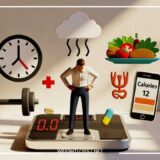
How to Lose Weight for Beginners


How to Lose Weight for Beginners | Effective Tips & Easy Steps to Start Your Journey
For many people, the path to losing weight can feel overwhelming. The internet is filled with conflicting advice, extreme diets, and complicated workout plans that seem impossible to stick with. You might feel like you’ve tried everything, only to end up right where you started. If you’ve ever felt this way, you’re not alone. The truth is, weight loss doesn’t have to be a confusing, all-or-nothing ordeal. It’s a journey built on simple, sustainable habits that lead to powerful, long-term results.
This article will guide you through the fundamental principles of weight loss, from understanding the science behind it to creating a healthy, balanced routine that works for you. We’ll break down the essentials of nutrition, exercise, and mental well-being so you can start your journey with confidence and achieve your goals in a way that feels natural and manageable. Get ready to ditch the quick-fix mentality and embrace a new, healthier approach to your body and your life.
Understanding Weight Loss Basics
Before you can build a solid plan, you need to understand the fundamental science behind weight loss. At its core, weight loss boils down to a simple principle: energy balance. Your body requires energy to function, and it gets this energy from the food and drinks you consume. This energy is measured in calories.
The concept of a calorie deficit is the most important idea to grasp. A calorie deficit occurs when you consume fewer calories than your body burns. When your body doesn’t get enough energy from food, it starts to tap into its stored energy reserves, which are primarily fat. This is how you lose weight.
To understand how many calories your body burns, it’s helpful to know about two key terms: BMR and TDEE.
- Basal Metabolic Rate (BMR): This is the number of calories your body needs to perform its most basic, life-sustaining functions—breathing, circulating blood, and maintaining body temperature—while at rest. Your BMR is a baseline; it’s the energy you burn just by being alive.
- Total Daily Energy Expenditure (TDEE): This is your BMR plus the calories you burn through all other activities, including daily tasks, work, and exercise. Your TDEE is the total number of calories you burn in a single day.
To lose weight, you need to consistently consume fewer calories than your TDEE. This creates the calorie deficit necessary for your body to start burning stored fat.
Metabolism plays a big role here, and it’s essentially the chemical process of converting food into energy. Everyone’s metabolism is different, influenced by factors like age, gender, genetics, and body composition. For example, people with more muscle mass tend to have a higher metabolism because muscle tissue burns more calories than fat tissue, even at rest. While you can’t completely change your metabolism, you can influence it through exercise and building muscle, which we’ll discuss later.
Setting Realistic Goals
Starting a weight loss journey without clear, realistic goals is like driving without a map. You might be moving, but you won’t know if you’re on the right path. Setting specific goals helps you stay motivated and provides a way to measure your progress effectively.
Aim for both short-term and long-term goals. A great long-term goal for beginners is to aim for a gradual and sustainable loss of 1 to 2 pounds per week. This pace is safe, healthy, and more likely to lead to lasting results than a rapid, drastic drop. Short-term goals could be simpler, such as walking for 20 minutes a day, drinking more water, or preparing a healthy lunch for the week.
A helpful way to structure your goals is to use the SMART framework:
- Specific: Instead of “I want to lose weight,” a specific goal would be “I want to lose 10 pounds.
- Measurable: A measurable goal has a number attached to it. “I will work out for 30 minutes, three times a week.”
- Achievable: Make sure your goals are within your reach. “I will run a marathon” might not be achievable for a beginner, but “I will run a 5K in three months” is.
- Relevant: Your goals should matter to you. A relevant goal might be, “I will eat a healthy breakfast every day to have more energy at work.”
- Time-bound: Give yourself a deadline. “I will lose 10 pounds in 10 weeks.”
It’s also important to track your progress, but don’t get hung up on just one metric. While the scale is a common tool, it doesn’t tell the whole story. Your weight can fluctuate daily due to water retention and other factors. A better approach is to use a combination of methods: take progress photos, measure your waist and hips with a tape measure, and notice how your clothes fit. This gives you a more complete picture of the changes happening in your body.
Finally, remember that your mindset is a crucial part of this journey. Practice self-compassion. If you have a bad day or miss a workout, don’t beat yourself up. A single slip-up doesn’t erase your progress. Simply acknowledge it and get back on track with your next meal or workout. Adjust your goals as needed—this is your journey, and you’re in charge of the map.
Healthy Eating Habits
Sustainable weight loss is about making smarter food choices, not about starving yourself or following a restrictive diet. It’s about nourishing your body with the right foods to keep you full, energized, and satisfied.
One of the best places to start is by understanding the basics of nutritional value. Food is made up of macronutrients (carbohydrates, proteins, and fats) and micronutrients (vitamins and minerals). Each plays a vital role in your body’s function and energy.
- Carbohydrates are your body’s primary energy source. Choose complex carbs like whole grains, vegetables, and fruits, which provide sustained energy and fiber.
- Fats are essential for hormone production and absorbing certain vitamins. Focus on healthy fats from sources like avocados, nuts, seeds, and olives.
- Proteins are crucial for building and repairing tissues, and they keep you feeling full longer.
A simple way to improve your eating habits is through smart swaps and substitutes. Instead of reaching for a bowl of refined pasta or white rice, choose whole-wheat pasta or brown rice. If you’re a fan of sugary sodas, try sparkling water with a squeeze of lemon or lime. Snacks like potato chips can be replaced with a handful of almonds, an apple, or some carrots with hummus.
Fiber is another key element. Found in fruits, vegetables, whole grains, and legumes, fiber helps you feel full and supports a healthy digestive system. You should also prioritize water. Staying hydrated is essential for metabolism, and sometimes what we perceive as hunger is actually thirst. Aim to drink water throughout the day.
When it comes to mealtime, focus on portion control and mindful eating. Pay attention to your body’s hunger and fullness cues. Don’t eat until you’re uncomfortably full; stop when you feel satisfied. Try to build your meals around a balance of macronutrients to keep your energy levels stable and prevent cravings. A well-balanced meal might include a source of protein (like beans, lentils, or tofu), a serving of healthy carbs (like a sweet potato or quinoa), and plenty of non-starchy vegetables. Eating regularly throughout the day can also prevent extreme hunger that often leads to overeating.
Incorporating Exercise into Your Routine
Exercise is a powerful partner in your weight loss journey. It doesn’t just burn calories; it builds muscle, boosts your metabolism, and improves your overall health and mood. You don’t need to become a gym fanatic to see results. The key is to find activities you enjoy and stick with them.
For beginners, the best type of exercise is the kind you’ll actually do consistently. There are two main types to focus on: cardio and strength training.
- Cardio (Cardiovascular Exercise): This gets your heart rate up and is excellent for burning calories. You can start with simple activities like a brisk walk around your neighborhood. As you get more comfortable, you can increase the pace or duration. Other beginner-friendly options include cycling, swimming, or using an elliptical machine. Aim for at least 150 minutes of moderate-intensity cardio per week.
- Strength Training: This is essential for building muscle, which, as we mentioned earlier, boosts your metabolism. You don’t need a gym full of equipment to get started. Bodyweight exercises are perfect for beginners. Try a routine that includes squats, lunges, push-ups (on your knees if needed), and planks. These exercises build strength and tone your body. Aim for 2-3 sessions per week.
Don’t forget about flexibility and recovery. Adding activities like yoga or simple stretching to your routine can help with muscle recovery, improve your range of motion, and prevent injuries.
When creating a routine, start small and gradually increase the intensity and duration. For example, start with a 20-minute walk three times a week. After a few weeks, increase it to 30 minutes. Once you’re comfortable, add a day of strength training. A good beginner-friendly schedule might look like this:
- Monday: 30-minute brisk walk
- Wednesday: 20-minute bodyweight strength training
- Friday: 30-minute brisk walk
- Sunday: Gentle stretching or yoga
Listen to your body, and remember that rest days are just as important as active days.
Staying Consistent and Overcoming Plateaus
Consistency is the real secret to lasting weight loss. It’s not about being perfect; it’s about showing up even when you don’t feel like it. Celebrate the small habits you’re building, whether it’s drinking more water or adding an extra 5 minutes to your walk. These small, consistent actions add up to big results over time.
Inevitably, you’ll encounter setbacks. Maybe you’ll miss a workout, have an unhealthy meal, or notice your weight creeping up one week. The key is to handle these moments with a positive mindset. Don’t let a single setback derail your entire journey. Acknowledge it, learn from it, and get back on track with your next meal or workout. Remember that the path to weight loss is not a straight line; it has ups and downs, and that’s perfectly normal.
A weight loss plateau is another challenge you may face. This is when your weight loss stalls for several weeks, even though you’re still following your routine. This is a normal part of the process. As you lose weight, your body requires fewer calories to function, and it may adapt to your current exercise routine. To break through a plateau, you can try a few things:
- Adjust your diet: Re-evaluate your calorie intake. You may need to slightly decrease it to create a deficit again.
- Change your exercise routine: If you’ve been doing the same workout for months, your body might be too comfortable. Try adding a new class, increasing the intensity of your walks, or switching up your strength training exercises.
- Focus on non-scale victories: Don’t get discouraged if the scale isn’t moving. Instead, notice the other positive changes: your clothes fitting better, feeling stronger, or having more energy.
Managing Emotional and Social Challenges
Weight loss is just as much a mental journey as it is a physical one. Learning to navigate emotional and social challenges is key to long-term success.
Many people struggle with emotional eating, which is using food to cope with feelings like stress, boredom, sadness, or loneliness. The first step is to recognize the difference between emotional hunger and physical hunger. Physical hunger comes on gradually and can be satisfied with any food. Emotional hunger, on the other hand, often comes on suddenly, is specific (like a strong craving for a particular food), and doesn’t go away even after you’re full. When you feel emotional hunger, try a different coping mechanism: go for a walk, call a friend, listen to music, or do a few minutes of meditation.
Social situations can also be a challenge. Attending parties, dinners, or holidays can make it difficult to stick to your healthy habits. Don’t let peer pressure or the fear of missing out sabotage your progress. Here are a few strategies:
- Eat a healthy snack before you go: This prevents you from arriving feeling starved and making impulsive food choices.
- Bring a healthy dish to share: This way, you know there’s at least one option you can enjoy without guilt.
- Focus on the social connection, not the food: Engage in conversations and enjoy the company rather than fixating on the buffet table.
Learning to navigate these situations gracefully is a skill that will serve you long after you’ve reached your weight loss goals.
Prioritizing Mental Health and Well-Being
Your mind is your most powerful tool in this journey. Cultivating a positive mindset and a healthy relationship with food and your body is non-negotiable for lasting success. Instead of seeing healthy eating as a punishment, view it as an act of self-love and nourishment.
It’s also important to understand the connection between stress, sleep, and weight loss. Chronic stress leads to an increase in cortisol, a hormone that can promote fat storage, especially around the abdomen. Lack of sleep also disrupts hormones that regulate appetite, making you more likely to overeat. To manage stress, try simple relaxation techniques like deep breathing, journaling, or spending time in nature. To improve your sleep, create a consistent sleep schedule and a relaxing bedtime routine.
Remember to prioritize self-care and self-love. Your value is not determined by the number on the scale. Focus on non-scale victories like increased energy, better moods, and the ability to do things you couldn’t do before. Weight loss is a journey of self-improvement and discovery, not self-punishment. Be kind to yourself, and celebrate every step you take toward a healthier, happier you.
Final Thoughts
Your weight loss journey is a marathon, not a sprint. The key to success isn’t about finding a magic bullet, but about building a foundation of healthy habits that you can maintain for a lifetime. By understanding the basics of energy balance, setting realistic goals, and focusing on a balanced approach to eating and exercise, you’ve equipped yourself with the knowledge to succeed.
Remember to be consistent, be patient with yourself, and celebrate every small victory along the way. Embrace setbacks as learning opportunities, and remember that progress isn’t linear. Most importantly, listen to your body and honor its needs. This journey is about more than just a number on the scale; it’s about building a stronger, healthier, and more confident you.
You’ve read the guide; now it’s time to take the first step. What’s one small change you can make today to begin your journey? It could be as simple as going for a 15-minute walk or choosing to drink an extra glass of water. Start there, and watch as those small steps build into a new, healthier future.