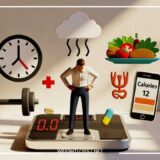
How Do We Lose Weight


How Do We Lose Weight | Proven Tips & Methods
Weight loss is one of the most common health goals globally, yet the journey is often filled with confusion, frustration, and fleeting success. The marketplace is saturated with quick fixes, fad diets, and sensational headlines, making it difficult to discern what truly works. However, the foundational science of weight loss remains consistent, centered on the principle of energy balance and the creation of a calorie deficit.
This comprehensive guide is designed to cut through the noise and provide an evidence-based roadmap for achieving sustainable weight loss. It is crucial to understand that we are not just aiming to see a lower number on the scale; the real goal is sustainable weight loss, which means improving body composition by losing fat while preserving valuable muscle mass. This article will delve into the core scientific mechanisms, effective dietary strategies, essential exercise routines, and critical lifestyle adjustments—all proven methods that contribute to long-term success.
Understanding How Weight Loss Works
To lose weight, you must consume less energy (calories) than your body expends. This fundamental truth is often referred to as the “Calories In vs. Calories Out” model, or the principle of Energy Balance.
1. Calories In vs. Calories Out (Energy Balance)
Your body constantly burns energy to fuel functions like breathing, moving, and digesting food. If your “Calories In” (from food and drink) consistently exceeds your “Calories Out” (from metabolism and physical activity), you will gain weight. Conversely, to lose weight, you must create a calorie deficit, where your body is forced to tap into its stored energy reserves (fat) to make up the difference.
While the principle is simple, individual results are influenced by metabolism, which is the chemical process that converts calories into energy. A faster metabolism means you naturally burn more calories, even at rest.
2. Basal Metabolic Rate (BMR)
The Basal Metabolic Rate (BMR) is the number of calories your body requires just to perform basic, life-sustaining functions while at rest (e.g., maintaining body temperature, circulating blood, operating organs). The BMR accounts for the largest portion of your daily calorie expenditure.
Understanding your BMR is essential because it sets the baseline for your calorie deficit. Factors that significantly affect BMR include:
-
Age: BMR generally decreases as we age.
-
Sex: Men typically have a higher BMR than women due to higher muscle mass.
-
Muscle Mass: Muscle tissue is metabolically active, burning more calories than fat tissue, even at rest. This makes strength training a vital component of long-term weight management.
-
Genetics: Individual genetic differences can also subtly influence metabolic speed.
3. The Role of Hormones
Weight loss and hunger are not simply matters of willpower; they are heavily influenced by the body’s endocrine system. Key hormones involved in energy regulation and appetite include:
-
Insulin: Released when you eat carbohydrates or protein, insulin helps shuttle glucose into cells. Chronically high insulin levels can signal the body to store fat.
-
Ghrelin: Often called the “hunger hormone,” ghrelin levels increase before meals and signal the brain that it’s time to eat.
-
Leptin: The “satiety hormone,” leptin is produced by fat cells and tells the brain when you are full. In obesity, the body can become “leptin resistant,” meaning the brain doesn’t receive the “stop eating” signal effectively.
-
Cortisol: The primary stress hormone. High and chronic levels of stress elevate cortisol, which can increase appetite, promote fat storage (especially in the abdominal area), and interfere with sleep, all of which hinder weight loss.
This interplay demonstrates that factors like stress, sleep quality, and diet composition directly impact hormonal signaling, making them just as important as the calorie count itself.
Dietary Strategies That Work
Diet is the primary driver of a calorie deficit. You can’t out-exercise a consistently poor diet. Effective dietary strategies focus on sustainability, nutrient density, and mindful consumption.
1. Choosing a Sustainable Eating Pattern
The “best diet” is the one you can stick to long-term. There is no single, one-size-fits-all plan. Effective, evidence-based patterns include:
-
Mediterranean Diet: Focuses on vegetables, fruits, whole grains, healthy fats (like olive oil), and lean proteins. Highly effective for overall health and weight management.
-
Low-Carb/Keto: Restricts carbohydrate intake, forcing the body to burn fat for fuel. Can be highly effective but requires strict adherence and may not be sustainable for everyone.
-
Plant-Based Diets: Emphasizes whole foods from plant sources. High in fiber and often lower in calories than diets rich in meat and processed products.
-
A Balanced Diet: Focuses on meeting macronutrient (protein, fat, carbs) and micronutrient needs within a controlled calorie budget. This is often the most flexible and sustainable approach.
The key is to select a pattern that naturally makes it easier to achieve a calorie deficit while providing adequate nutrition.
2. Portion Control & Calorie Awareness
Once a nutritional framework is chosen, portion control is the most immediate way to implement a calorie deficit.
-
How to Recognize Proper Portions: Use standard measuring tools initially to calibrate your eye. A general guide is that a single portion of protein should be about the size of your palm, and a portion of carbohydrates (rice, pasta) should be about the size of a cupped fist.
-
Simple Swaps: Trade high-calorie, low-satiety foods for nutrient-dense alternatives. For example, swapping soda for water, or replacing a side of fries with a large serving of steamed vegetables.
3. Prioritizing Protein
Protein is arguably the most critical macronutrient for weight loss. It provides three major advantages:
-
Satiety: Protein is highly satiating, helping you feel fuller for longer and reducing the urge to snack.
-
Thermic Effect: Protein has a higher Thermic Effect of Food (TEF) than fat or carbs, meaning the body burns more calories simply to digest it.
-
Muscle Retention: During a calorie deficit, the body risks losing muscle mass. Adequate protein intake helps signal the body to spare muscle and primarily burn fat.
Aim for a source of protein (e.g., lean meat, eggs, dairy, beans, tofu) at every main meal.
4. Fiber & Whole Foods
Fiber, found in fruits, vegetables, legumes, and whole grains, is a weight loss ally. It adds bulk to food without adding many calories, slows down digestion, and stabilizes blood sugar, which prevents energy crashes and subsequent cravings. Whole foods are those that are minimally processed, retaining their full nutritional value and fiber content. Building your diet around these ensures maximum nutrient density for the calories consumed.
5. Hydration’s Impact on Weight Loss
Water is essential for nearly all metabolic processes. Staying properly hydrated can aid weight loss by:
-
Preventing Overeating: Thirst is often mistaken for hunger. Drinking a glass of water before a meal can prevent unnecessary calorie intake.
-
Supporting Metabolism: Dehydration can slow down metabolic rate.
6. Avoiding Ultra-Processed Foods
Ultra-processed foods—items made primarily from industrial ingredients and containing many artificial additives—are typically energy-dense, high in sugar and unhealthy fats, and low in fiber and protein.
-
Contribution to Overeating: They are engineered to be hyper-palatable, stimulating the reward centers in the brain and overriding satiety signals, making it easy to consume excessive calories quickly.
-
Practical Replacements: Swap packaged snacks for a piece of fruit and a handful of nuts, or pre-made dinners for simple home-cooked meals based on whole ingredients.
Meal Planning & Eating Habits
Successful weight loss often boils down to preparation and mindful behavior rather than relying solely on willpower.
1. Planning Meals and Shopping Smart
-
Prepping and Batch Cooking: Dedicate a few hours each week to wash and chop vegetables or cook large batches of protein and grains. Having healthy meals readily available significantly reduces the likelihood of resorting to takeout or convenience foods.
-
Grocery Lists: Shop with a detailed list and do not deviate. Crucially, do not shop when hungry. This minimizes impulsive, high-calorie purchases.
2. Mindful Eating
Mindful eating involves paying full attention to your food, recognizing both the physical and emotional sensations associated with eating.
-
Slowing Down: Put your fork down between bites. This gives your body and brain time to register satiety signals (leptin). It takes about 20 minutes for the brain to fully register that the stomach is full.
-
Recognizing Hunger Cues: Learn to differentiate between genuine physical hunger (stomach rumble, low energy) and emotional hunger (craving, boredom, stress).
3. Behavioral Habits That Help
-
Tracking Food: Whether with a journal or a smartphone app, consistently tracking what you eat is the single most effective way to maintain calorie awareness and identify hidden sources of calories.
-
Keeping Trigger Foods Out of Reach: If you have certain foods you know you tend to overeat, simply do not buy them or keep them out of sight. Availability is a major predictor of consumption.
-
Eating at Consistent Times: Establishing a regular eating schedule can help regulate hunger hormones, leading to fewer impulsive eating episodes.
Exercise for Weight Loss
While exercise significantly contributes to overall health, increased energy expenditure, and muscle preservation, it is secondary to diet for creating the initial calorie deficit.
1. Why Exercise Helps But Isn’t Everything
It’s extremely difficult to burn off the calories of a high-calorie meal through exercise alone. For example, it might take 45 minutes of intense running to burn the calories in a large slice of pizza. The deficit still comes from diet primarily. However, exercise is invaluable for improving health, boosting mood, and crucially, for maintaining weight loss long-term.
2. Cardio Training
Cardiovascular exercise is excellent for direct calorie burn and heart health.
-
Types:
-
High-Intensity Interval Training (HIIT): Short bursts of intense activity followed by brief rest periods. Highly time-efficient and can create a temporary post-exercise metabolic boost (EPOC).
-
Steady-State Cardio: Activities like running, swimming, or cycling at a moderate intensity for a prolonged period. Great for overall endurance and sustained calorie burn.
-
Walking: The most accessible form of exercise. A daily brisk walk contributes significantly to overall daily energy expenditure.
-
3. Strength Training
Strength training (lifting weights, bodyweight exercises, resistance bands) is non-negotiable for long-term weight management.
-
Muscle Boosts Metabolism: Since muscle tissue is metabolically active, building muscle directly increases your BMR, meaning you burn more calories even when you are resting.
-
Reduces Fat Loss Plateaus: By preserving muscle mass during a deficit, strength training helps prevent the BMR from dropping too low, which is a common cause of weight loss plateaus.
Aim for 2-3 full-body strength training sessions per week.
4. Non-Exercise Activity Thermogenesis (NEAT)
NEAT refers to the calories burned for everything you do that is not sleeping, eating, or dedicated exercise. This includes fidgeting, standing, walking to the copier, doing chores, and taking the stairs.
The impact of NEAT is huge. A person with a desk job might have a NEAT expenditure hundreds of calories lower than a person with an active job. Simple ways to boost NEAT:
-
Take calls while standing or walking.
-
Set a timer to get up and walk around every hour.
-
Park further away from the door.
-
Aim for a daily step goal (e.g., 8,000–10,000 steps).
Sleep, Stress, and Lifestyle Factors
Weight loss is a holistic endeavor; success is impossible if the underlying lifestyle factors are ignored.
1. Sleep and Weight Loss
Poor sleep sabotages weight loss efforts, even when diet and exercise are on point.
-
Effect on Hunger Hormones: Sleep deprivation increases ghrelin (hunger) and decreases leptin (satiety), leading to increased appetite and a preference for high-calorie, sugary foods.
-
How to Improve Sleep Quality: Aim for 7–9 hours per night. Maintain a cool, dark, quiet bedroom. Limit screen time an hour before bed. Establish a consistent bedtime and wake-up time.
2. Stress Management
Chronic stress keeps the body in a state of high alert, increasing the production of cortisol. As noted previously, high cortisol promotes central fat storage and increases cravings.
-
Techniques: Incorporate stress-relieving practices daily: meditation, deep breathing exercises, spending time in nature, or engaging in hobbies like journaling. Consistency is key.
3. Social Environment & Support Systems
Your environment plays a massive role in your behavior.
-
Accountability Partners: A friend, spouse, or coach can provide motivation, emotional support, and crucial accountability, making you less likely to skip a workout or give in to cravings.
-
Supportive Habits at Home: Ensure the healthy choice is the easy choice. Make sure your pantry and fridge are stocked with nutritious food, and that your family is on board with healthier cooking methods.
Setting Goals & Tracking Progress
Without clear goals and consistent measurement, motivation will fade.
1. Smart Goals
Effective goals must be SMART:
-
Specific: “I will walk for 30 minutes 5 days a week” (not “I will exercise more”).
-
Measurable: “I will lose 1 pound per week.”
-
Attainable: Goals should be challenging but realistic.
-
Relevant: Ensure the goal aligns with your overall health and fitness values.
-
Time-bound: “I will reach my initial goal by the end of the year.”
2. Multiple Ways to Measure Progress
The scale only tells part of the story, especially when strength training is involved (muscle weighs more than fat by volume). Use a combination of metrics:
-
Weight: Measured once a week, first thing in the morning.
-
Measurements: Use a tape measure to track waist, hips, and arms monthly.
-
Photos: Take progress pictures every 4–6 weeks. Changes in body shape are often clearer in photos than on the scale.
-
Strength Improvements: Lifting heavier weights or being able to walk/run further indicates improved fitness and preserved muscle.
-
Clothing Fit: How your clothes fit is often the most motivating metric.
3. Dealing With Plateaus
A plateau is when weight loss stalls for several weeks despite adherence to the plan. This is normal, as your body adapts to the lower calorie intake. To break a plateau:
-
Strictly Adjust Calories: Re-calculate your BMR based on your current weight, and slightly decrease your calorie target (by 100–200 calories).
-
Switch Routines: Introduce a new form of exercise, or change the intensity/duration of your current workouts to shock the system.
-
Increase Protein: Ensure your protein intake is high enough to support muscle and satiety.
Common Myths About Weight Loss
Misinformation is a major roadblock. Here are common myths debunked:
-
“Carbs make you fat”: Excess calories make you fat. Carbohydrates are the body’s preferred source of fuel and are essential for energy. Whole-food carbs (oats, vegetables) are full of fiber and nutrients.
-
“You must eat 1,200 calories to lose weight”: This extremely low number is too restrictive and unsustainable for many adults, especially men and active individuals. It can slow metabolism and lead to nutrient deficiencies. The correct target is based on your BMR and activity level.
-
“Fat-burning supplements work”: Most are ineffective, poorly regulated, and a waste of money. The only effective “fat burners” are a calorie deficit, exercise, and good sleep.
-
“You must do heavy cardio to lose weight”: While cardio helps, consistent moderate-intensity activity (like walking) and strength training are more sustainable and effective for long-term fat loss and body composition change.
-
“Weight loss must be linear”: Weight fluctuates daily due to water retention, hormones, and food volume. The overall trend matters, not the daily number. Expect ups and downs.
Supplements: What Helps & What Doesn’t
Supplements are optional and only provide marginal benefits if the core plan (diet, exercise, sleep) is in place.
-
Evidence-Based Supplements:
-
Protein Powder: An efficient, convenient way to meet high protein goals, especially after a workout.
-
Creatine: Excellent for increasing strength and muscle mass, which in turn supports a higher BMR. Safe for both men and women.
-
Caffeine: Can boost energy for workouts and may slightly increase metabolism temporarily.
-
-
Supplements to Avoid: Proprietary blend “fat burners” that often contain unproven or potentially unsafe ingredients. Always consult a healthcare provider before starting any supplement regimen.
Why supplements are optional, not essential: Real, lasting fat loss is achieved through caloric restriction and increased expenditure—not pills.
Creating a Personalized Weight Loss Plan
Your weight loss plan must be tailored to your life to ensure it is sustainable.
1. Step-by-step plan
-
Calculate Estimated Calorie Target: Use an online calculator to estimate your BMR, then set a target 500–750 calories below your Total Daily Energy Expenditure (TDEE) to aim for 1–1.5 lbs of loss per week.
-
Pick a Nutritional Approach: Choose an eating pattern (e.g., Mediterranean) that fits your preferences and schedule.
-
Create an Exercise Routine: Schedule at least 3 days of strength training and 2–3 days of cardio, including a daily goal for NEAT (steps).
-
Decide Tracking Method: Choose a reliable food tracking app or a detailed journal and commit to using it for the first 6–8 weeks.
2. Making Your Plan Sustainable
-
Flexibility: Life happens. Learn to adjust without abandoning the plan entirely. A flexible diet allows for occasional deviations without guilt.
-
Allowing Treats: Incorporate your favorite foods in moderation. A structured “treat meal” or “flex meal” (e.g., 80/20 rule) prevents feelings of deprivation that lead to binge eating.
-
Long-Term Mindset: Weight loss is not a 12-week challenge; it is the adoption of permanent, healthier habits. Focus on the habits, and the results will follow.
Final Thoughts
The journey of weight loss is complex, rewarding, and deeply personal. It requires far more than just diet and exercise; it demands consistency in your sleep, stress management, and emotional health. Weight loss requires consistency, not perfection. One bad day or one heavy meal does not undo weeks of effort.
Focus on making small, manageable improvements every single day. Optimize your sleep tonight, choose protein for your next meal, and take an extra walk today. These seemingly minor choices compound over time, leading to profound and lasting transformation. Embrace the process, be patient with yourself, and commit to the long-term goal of a healthier, stronger you.