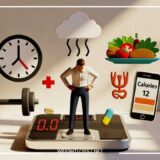
Help Losing Weight Free


Free Weight Loss Help | Tips, Support, & Resources
The journey to losing weight is often depicted as a simple equation of “eat less, move more.” While that principle holds a fundamental truth, the reality is far more complex and challenging. For many, it’s not a lack of desire, but a lack of resources, knowledge, and support that stands in the way. We live in a world saturated with expensive weight loss programs, specialty foods, and costly gym memberships, creating a myth that you have to spend a lot of money to shed pounds.
But what if you could achieve your weight loss goals without spending a dime? This article is your comprehensive guide to doing just that. We’ll explore how to harness free resources—from the power of your own mind and body to the vast network of online communities and digital tools—to create a sustainable, effective weight loss plan.
This isn’t about quick fixes or miracle cures; it’s about building a foundation of healthy habits that will last a lifetime. We’ll cover everything from mindset and free dieting tips to effective exercises and the crucial role of sleep and stress management. By the end, you’ll have a clear, actionable roadmap to start your weight loss journey for free.
Mindset and Motivation: The Key to Successful Weight Loss
Before you change what you eat or how you move, you must first change how you think. Your mindset is the most powerful tool you have, and it costs absolutely nothing.
Setting Realistic Goals
The first step is to set goals that are achievable and realistic. Instead of aiming to lose 50 pounds in a month, focus on a more sustainable target, like losing 1-2 pounds per week. This rate is medically recommended and more likely to result in long-term success. Break down your larger goal into smaller, weekly or bi-weekly milestones. For example, if your ultimate goal is to lose 20 pounds, your first milestone could be to lose 5 pounds in a month. This makes the journey feel less overwhelming and provides a sense of accomplishment along the way.
The Role of Motivation
Motivation can come from internal or external sources. While external factors like a beach vacation or a wedding can provide a temporary boost, sustainable change comes from internal motivation. What is your “why”? Is it to feel more energetic? To play with your kids without getting tired? To improve your health and longevity? Identify your personal “why” and write it down. Keep it in a visible place, like on your bathroom mirror or as the wallpaper on your phone. When you face challenges, this internal motivation will be your anchor.
Staying Consistent Without Spending Money
You don’t need an expensive life coach to stay consistent. You can use free tools to track your progress and habits.
- Journaling: Simply writing down your daily food intake, workouts, and how you feel can provide incredible insights. It helps you identify patterns and triggers, whether it’s stress eating or late-night snacking. A simple notebook and pen are all you need.
- Habit Tracking Apps: There are numerous free apps designed to help you build habits, such as Habitica or Loop Habit Tracker. These apps send you reminders and track your progress, turning the process into a game.
Free Dieting Tips for Effective Weight Loss
Diet is arguably the most crucial component of weight loss. But eating healthy doesn’t have to be expensive. The focus should be on making smarter choices, not on buying special foods.
Portion Control Without Calorie Counting
You don’t need a food scale or a calculator to control your portions. You can use your own hand as a simple, effective guide:
- Protein (e.g., chicken, fish, beans): Use the palm of your hand as a guide.
- Vegetables: Aim for a fist-sized portion.
- Carbohydrates (e.g., rice, pasta, potatoes): A cupped hand can represent a single serving.
- Fats (e.g., nuts, oils): A thumb-sized portion is a good measure.
Using Free Apps for Calorie Tracking
For those who prefer a more precise method, calorie tracking apps are a game-changer. Apps like MyFitnessPal, Cronometer, and Lose It! offer free versions that allow you to log your food intake, track your macronutrients (protein, carbs, fats), and monitor your progress. These apps have extensive databases of foods, including many restaurant items, making it easy to see how many calories you are consuming.
Eating Whole Foods and Avoiding Processed Food
Processed foods are often high in calories, unhealthy fats, and sugar, and low in nutrients. Eating whole foods—fruits, vegetables, lean proteins, and whole grains—is not only healthier but often more budget-friendly. A bag of rice, a carton of eggs, and a bunch of bananas can be cheaper and more filling than a bag of potato chips or a box of cookies.
Free Meal Planning Tools
You can find countless free meal plans and recipes online. Websites like Allrecipes and blogs focused on budget cooking offer a wealth of ideas. Social media platforms like Pinterest and Instagram are also excellent sources for free, healthy recipes.
Exercise: Free Ways to Get Active
You don’t need a gym membership to get a good workout. Your body and the world around you are the only equipment you need.
Home Workouts
The internet is a treasure trove of free workout routines. YouTube is a fantastic resource, with channels like Fitness Blender, HASfit, and Popsugar Fitness offering thousands of free, full-length workout videos. Whether you’re interested in high-intensity interval training (HIIT), yoga, or strength training, you can find a routine that fits your fitness level and goals.
Walking and Running
Walking and running are two of the simplest and most effective forms of exercise. All you need is a comfortable pair of shoes. Aim for a brisk walk of 30 minutes a day to start. As you get fitter, you can increase your pace, distance, or time. Running is an excellent way to burn calories and improve cardiovascular health. You can use free apps like Strava or MapMyRun to track your distance, pace, and route.
Local Parks and Outdoor Activities
Look for ways to use your environment to get fit. Many local parks have free outdoor fitness equipment, walking trails, and stairs that you can use for a challenging workout. Consider taking up hiking, biking, or even just playing a sport with friends at a local park.
Free Weight Loss Communities and Support Groups
You don’t have to do this alone. The support of others can make all the difference, and it’s completely free.
Online Forums and Social Media
Online communities are a powerful source of motivation and accountability. Reddit has subreddits like r/loseit and r/CICO (Calories In, Calories Out) where you can find thousands of people sharing their stories, tips, and struggles. Facebook has countless private weight loss groups where members post progress photos, share recipes, and offer encouragement.
Accountability Partners
Find a friend, family member, or colleague who also wants to get healthier. You can check in with each other daily or weekly, share your successes and challenges, and motivate each other to stay on track. This mutual support can be a powerful tool to prevent you from giving up.
Participating in Free Challenges
Many online communities or fitness influencers host free “30-Day Fitness Challenges” or weight loss challenges. Participating in these can provide a sense of structure and a community-driven boost to your motivation.
The Role of Sleep and Stress in Weight Loss
Your body’s natural rhythms play a massive role in your ability to lose weight. You could be doing everything else right, but if you neglect sleep and stress management, you will struggle.
Sleep and Weight Loss
Lack of sleep can disrupt the hormones that regulate hunger. Ghrelin, the “hunger hormone,” increases when you’re sleep-deprived, while leptin, the “satiety hormone,” decreases. This imbalance makes you hungrier and less satisfied after eating, leading to overconsumption.
Free tips for improving sleep:
- Establish a consistent sleep schedule: Go to bed and wake up at the same time every day, even on weekends.
- Create a relaxing bedtime routine: This could include reading a book, taking a warm bath, or listening to calming music.
- Reduce screen time before bed: The blue light from screens can interfere with your body’s production of melatonin, the sleep hormone.
Managing Stress
When you’re stressed, your body releases a hormone called cortisol. High levels of cortisol can increase your appetite, particularly for high-calorie, sugary foods. It can also cause your body to store more fat, especially around your belly.
Free techniques to manage stress:
- Mindfulness and Meditation: Apps like Calm and Headspace offer free guided meditations that can help you relax. You can also simply sit quietly for a few minutes each day and focus on your breath.
- Exercise: Physical activity is a proven stress reliever.
- Spending time in nature: A walk in the park or a hike in the woods can do wonders for your mental state.
Tracking Progress for Free
Don’t let the number on the scale be your only measure of success. There are many other ways to track your progress for free.
Using Free Apps or Journals
As mentioned earlier, free apps and journals are excellent tools for tracking your progress. Log your workouts, your food intake, and how you feel. This data can show you patterns and help you make adjustments.
The Importance of Non-Scale Victories
Celebrating non-scale victories is crucial for staying motivated. Have you noticed your clothes fitting better? Do you have more energy to play with your kids? Are you sleeping better? These are all signs of progress that don’t involve a number on the scale. Take a moment to acknowledge and celebrate these small wins.
Measuring Your Progress Beyond the Scale
- Take progress photos: Take a photo of yourself in the same clothes and pose every few weeks. This can be a powerful visual reminder of how far you’ve come.
- Use a tape measure: Measure your waist, hips, and thighs to track changes in your body composition.
- Track your fitness levels: Can you walk farther or run for longer? Can you do more push-ups than you could a month ago? These are all indicators of improved fitness.
Common Mistakes and Myths about Free Weight Loss Help
The free weight loss world, much like the paid one, is full of misinformation. Knowing what to avoid is as important as knowing what to do.
Fad Diets and “Quick Fixes”
Be wary of any “free” diet plan that promises you’ll lose 10 pounds in a week. These are often unsustainable and can be harmful to your health. The goal is to build a healthy relationship with food and exercise, not to follow an extreme plan that you can’t stick to.
Overtraining and Under-eating
Trying to lose weight too quickly by exercising for hours a day and eating very little is a dangerous path. It can lead to nutrient deficiencies, injuries, and a damaged metabolism. A sustainable approach involves a moderate calorie deficit and a consistent exercise routine.
Misleading Information
If something sounds too good to be true, it probably is. Be skeptical of “free” advice that promises a miracle solution or requires you to buy a specific supplement or product to get results. Stick to reputable sources like medical websites, certified trainers, and registered dietitians.
Sustainable Weight Loss: Keeping the Pounds Off
Losing weight is a great achievement, but the real challenge is keeping it off.
Building Long-Term Habits
The habits you build on your weight loss journey—eating whole foods, staying active, managing stress—should be the foundation of your lifestyle. Focus on consistency over perfection. It’s okay to have a bad day or a slip-up. The key is to get back on track the next day.
The Importance of a Balanced Approach
Sustainable weight loss is about balance. It’s not just about diet or exercise; it’s about a combination of a healthy diet, regular physical activity, adequate sleep, and mental well-being. This holistic approach ensures you are nourishing your body and mind.
How to Avoid Regaining Lost Weight
- Maintain a healthy diet: Continue to prioritize whole foods and practice portion control.
- Stay active: Don’t stop exercising once you reach your goal. Find activities you enjoy and make them a regular part of your life.
- Continue tracking: While you may not need to track every meal, periodically checking in with a food journal or app can help you stay mindful of your habits.
- Have a support system: Continue to lean on your friends, family, or online communities.
Final Thoughts: A Free, Sustainable Path to Weight Loss
The path to weight loss is not about paying for expensive solutions; it’s about investing your time and effort into building healthy, sustainable habits. By focusing on your mindset, using free digital tools, and leveraging your own body and community, you can achieve your goals without spending a single dollar.
Remember that weight loss is a journey, not a race. It requires patience, consistency, and self-compassion. Start today with a single, free step. Go for a walk. Plan a healthy meal. Take a moment to meditate. Your health is the most valuable asset you have, and you already possess all the tools you need to improve it.